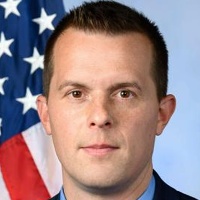
Legislative Activity
Track Jared's sponsored bills, co-sponsored legislation, and voting record
This constitutional amendment grants Congress and the states the power to set reasonable limits on campaign spending by individuals and entities to ensure fair elections, while explicitly protecting freedom of the press.
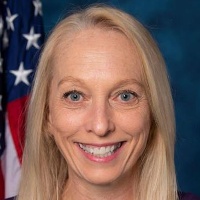
Mary Scanlon
Representative
PA
Mary Scanlon
Representative
PA
This proposed constitutional amendment grants Congress and the states the authority to establish reasonable limits on campaign spending by candidates and outside groups to ensure fair elections. It allows for different spending regulations for individuals versus corporations or other entities. Crucially, this new power cannot be used to restrict the freedom of the press.
The PART Act establishes new federal requirements for marking catalytic converters, creates a grant program for VIN stamping, tightens record-keeping for used parts dealers, and increases criminal penalties for theft and trafficking of catalytic converters.
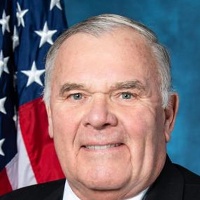
James Baird
Representative
IN
James Baird
Representative
IN
The PART Act aims to combat catalytic converter theft by requiring new vehicles to have traceable identifying markers on these parts. It establishes a federal grant program to help entities stamp identifying numbers onto existing converters. Furthermore, the bill imposes strict record-keeping requirements on businesses that buy used converters and creates new federal criminal penalties for stealing or trafficking stolen catalytic converters.
This Act limits the sharing of consumer reports requested in connection with a residential mortgage loan to prevent unauthorized access to homebuyers' sensitive financial information.
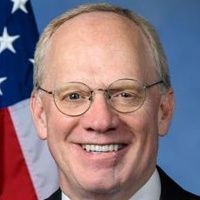
John Rose
Representative
TN
John Rose
Representative
TN
The Homebuyers Privacy Protection Act limits how consumer reporting agencies can share a consumer's report when it is requested in connection with a residential mortgage loan. Reports can only be shared with entities directly involved in the consumer's current mortgage or those providing a firm offer of credit or insurance. The Act also mandates a study by the GAO regarding the use and impact of "trigger leads" derived from credit checks.
This bill extends enhanced financial assistance for purchasing health insurance through the Marketplace until the end of 2026.
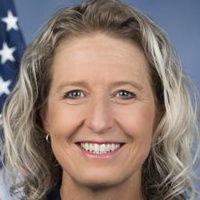
Jennifer Kiggans
Representative
VA
Jennifer Kiggans
Representative
VA
The Bipartisan Premium Tax Credit Extension Act extends the enhanced financial assistance available for purchasing health insurance through the Marketplace. This legislation pushes the expiration date for these boosted premium tax credits, including those for higher earners, from the end of 2025 through the end of 2026. Essentially, it ensures continued, robust subsidies for Marketplace health coverage.
This Act mandates the creation of standardized, plain-language printed medication information to accompany every prescription dispensed to improve patient safety and reduce healthcare costs.
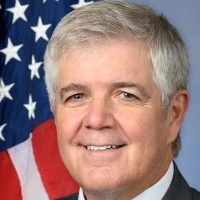
Cliff Bentz
Representative
OR
Cliff Bentz
Representative
OR
The Patients’ Right to Know Their Medication Act of 2025 mandates the creation of standardized, easy-to-read, one-page printed information accompanying all non-hospital prescriptions. This information must clearly detail essential safety warnings, usage instructions, and side effects in plain language, ensuring patients receive vital medication data regardless of electronic access. Failure to provide this required printed material will result in the drug being deemed "misbranded" under federal law. This aims to reduce adverse drug events and lower healthcare costs through improved patient understanding.
This act mandates that the Department of Veterans Affairs must provide abortion care, counseling, and related services and medication to eligible veterans and certain other individuals.
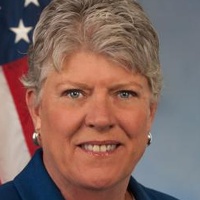
Julia Brownley
Representative
CA
Julia Brownley
Representative
CA
The Reproductive Freedom for Veterans Act mandates that the Department of Veterans Affairs (VA) must now provide abortion care, counseling, and related medication as part of the medical services offered to eligible veterans and certain other beneficiaries. This legislation formally amends existing VA health care provisions to include these reproductive health services.
This act repeals the prohibition on Medicaid payments to certain healthcare entities and mandates retroactive payment for services already rendered under the repealed ban.
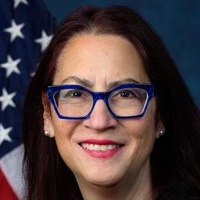
Laura Friedman
Representative
CA
Laura Friedman
Representative
CA
The Restoring Essential Healthcare Act repeals an outdated ban that prevented Medicaid from making payments to certain healthcare providers. This legislation ensures that these previously prohibited entities will now be reimbursed for medical services rendered between the enactment of the original ban and the passage of this Act. In short, it restores payment eligibility and retroactively covers past services.
This Act establishes the "Local Farmers Feeding Our Communities" program to strengthen local food security by funding agreements that support local producers and distribute fresh food to communities.
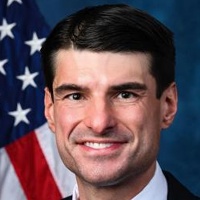
Robert Bresnahan
Representative
PA
Robert Bresnahan
Representative
PA
The Local Farmers Feeding our Communities Act establishes a new program to support local food producers and strengthen regional food security. This initiative requires the Secretary of Agriculture to fund agreements that ensure nutritious, locally sourced food is purchased and distributed widely, prioritizing small and beginning farmers. Funds must be used to buy minimally processed local products and provide technical assistance to producers. The program is backed by mandatory funding starting in Fiscal Year 2026.
This Act bans for-profit corporations from establishing separate segregated funds for political purposes, restricts solicitation to executive and administrative personnel, and requires existing non-nonprofit corporate funds to dissolve within one year.
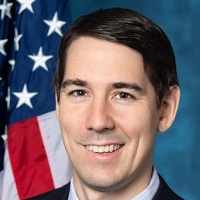
Josh Harder
Representative
CA
Josh Harder
Representative
CA
The Ban Corporate PACs Act restricts the ability of corporations to establish separate segregated funds for political purposes. Under this bill, only nonprofit corporations will be permitted to set up these political action committees. Furthermore, these funds will be prohibited from soliciting contributions from stockholders and their families. Existing non-nonprofit corporate political funds must dissolve within one year of the Act's enactment.
The PRIME Act exempts custom slaughter facilities from federal inspection requirements for meat distributed only within the state where it was processed, provided they comply with state law.

Thomas Massie
Representative
KY
Thomas Massie
Representative
KY
The PRIME Act, or Processing Revival and Intrastate Meat Exemption Act, exempts custom slaughter facilities from federal inspection requirements for meat that is processed and sold only within the state of origin. To qualify, facilities must comply with all applicable state laws regarding slaughter and preparation. This legislation ensures that states retain the authority to enforce their own, potentially stricter, regulations on local meat processing.
This bill mandates a comprehensive study to investigate potential links between military rotary-wing operations and increased cancer prevalence or mortality among pilots and support personnel.
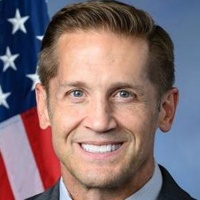
Rich McCormick
Representative
GA
Rich McCormick
Representative
GA
The ROTOR Act mandates a comprehensive study to investigate cancer prevalence and mortality rates among military rotary-wing pilots and aviation support personnel. This research, conducted by the Defense Health Agency in partnership with the NIH and NCI, will first compare cancer rates in these service members against the general population. If elevated rates are found, a second phase will seek to identify potential toxic exposures or environmental factors linked to helicopter operations that may be causing the increased risk.
This bill amends the Family and Medical Leave Act to explicitly qualify time taken for an employee's own organ donation surgery as a serious health condition.
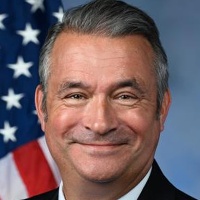
Don Bacon
Representative
NE
Don Bacon
Representative
NE
This bill amends the Family and Medical Leave Act (FMLA) to explicitly clarify that time taken off for an employee's own organ donation surgery qualifies as a serious health condition. This ensures both private and federal sector workers receive FMLA protection for recovery from organ donation. The legislation also specifies how federal employees must substitute existing paid leave when taking FMLA time for this purpose.
The EACH Act of 2025 mandates that all federally funded health programs and facilities must cover and provide abortion services, while also prohibiting federal interference with private insurance coverage.
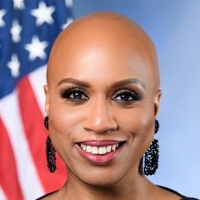
Ayanna Pressley
Representative
MA
Ayanna Pressley
Representative
MA
The EACH Act of 2025 aims to ensure equal access to abortion coverage by requiring all federally funded health programs and facilities to cover abortion services. This legislation prohibits federal interference with state or private insurance coverage of abortion and repeals Section 1303 of the Affordable Care Act. Ultimately, the bill seeks to eliminate financial and insurance barriers to abortion care, particularly for low-income individuals relying on programs like Medicaid.
This Act prohibits insurance companies from discriminating against living organ donors when issuing life, disability, or long-term care policies and mandates the updating of educational materials regarding donation risks and insurance implications.
Don Bacon
Representative
NE
Don Bacon
Representative
NE
The Living Donor Protection Act of 2025 prohibits life, disability, and long-term care insurance companies from denying coverage or increasing premiums solely because an individual is a living organ donor. This legislation ensures that living donors are not financially penalized for their altruistic act. Additionally, the bill requires the Secretary of HHS to update educational materials to accurately reflect the insurance protections afforded to living donors.
This Act establishes a competitive grant program to fund career pathway training for the forestry workforce in eligible low-income rural areas.

Marie Gluesenkamp Perez
Representative
WA
Marie Gluesenkamp Perez
Representative
WA
The Jobs in the Woods Act establishes a new competitive grant program administered by the Secretary of Agriculture to fund career pathway training in forestry. These grants aim to support workforce development in eligible rural areas by focusing on forestry operations and product processing industries. Priority will be given to programs that address aging workforces, retain young residents, and partner with educational institutions. Funding is authorized from Fiscal Year 2026 through 2030.
The Back the Blue Act of 2025 establishes new federal crimes and stiffer penalties for violence against law enforcement, clarifies firearm rights for officers, and creates a grant program to improve police-community relations.
Don Bacon
Representative
NE
Don Bacon
Representative
NE
The Back the Blue Act of 2025 establishes new federal crimes and enhanced penalties for violence against law enforcement and judicial personnel, including murder and assault. It also tightens federal habeas corpus review for state convictions involving the murder of officers and clarifies firearm-carrying rights for qualified officers in federal facilities. Finally, the bill creates a grant program to foster better community-police relationships through trust-building initiatives and policy improvements.
The CBP SPACE Act authorizes U.S. Customs and Border Protection to adjust merchandise processing fees to fund capital costs for seaport facilities while prohibiting CBP from requiring ports to provide administrative or recreational facilities.
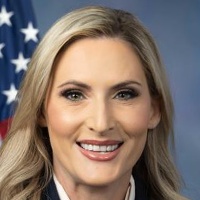
Laurel Lee
Representative
FL
Laurel Lee
Representative
FL
The CBP SPACE Act grants U.S. Customs and Border Protection (CBP) the authority to adjust merchandise processing fees to fund capital costs for seaport infrastructure and equipment. It also prohibits CBP from requiring seaports to provide or maintain administrative or recreational facilities for its staff. Finally, the bill mandates that CBP submit an annual report detailing the collection and use of these fees for seaport improvements.
The Bipartisan Tax Fairness Act of 2025 completely overhauls federal income tax rates and modifies the inflation adjustment methodology for all tax brackets, effective for tax years beginning after December 31, 2025.
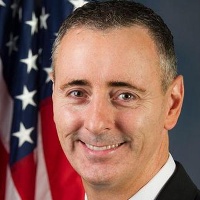
Brian Fitzpatrick
Representative
PA
Brian Fitzpatrick
Representative
PA
The Bipartisan Tax Fairness Act of 2025 completely overhauls the federal income tax structure by replacing existing tax brackets for all filing statuses. This legislation establishes new income tax rates and significantly modifies how those brackets will be adjusted for inflation annually, using 2017 as the new base year for calculations. These changes are set to take effect for tax years beginning after December 31, 2025.
The CONNECT for Health Act of 2025 permanently expands Medicare telehealth access by removing geographic restrictions, increasing practitioner flexibility, bolstering program integrity, and mandating supports for quality remote care delivery.
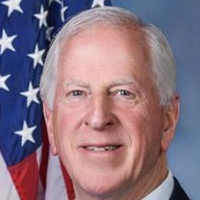
Mike Thompson
Representative
CA
Mike Thompson
Representative
CA
The CONNECT for Health Act of 2025 significantly expands and permanently secures access to Medicare telehealth services by eliminating outdated geographic restrictions and allowing more practitioners to offer remote care. The bill also strengthens program integrity by dedicating funds for telehealth oversight while clarifying rules around providing necessary technology to patients. Finally, it mandates the creation of tailored educational resources and public reporting to improve quality measurement and transparency in remote care delivery.
This bill requires the Secretary of Defense to mandate that all optional combat boots worn by service members as part of their required uniform must be 100% manufactured in the United States from American-sourced materials, with limited medical or specialized exceptions.
Nicole (Nikki) Budzinski
Representative
IL
Nicole (Nikki) Budzinski
Representative
IL
This bill mandates that the Secretary of Defense establish regulations requiring all optional combat boots worn by service members as part of their required uniform to be 100% manufactured in the United States. This requirement covers all materials and components used in the boots. Exceptions are provided for boots needed for specialized military requirements or documented medical necessity.