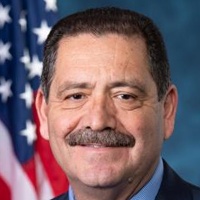
Legislative Activity
Track Chuy's sponsored bills, co-sponsored legislation, and voting record
The SUN Act mandates timely and detailed congressional reporting and oversight for the domestic deployment of National Guard and reserve forces by the President, excluding deployments solely for natural disaster relief.
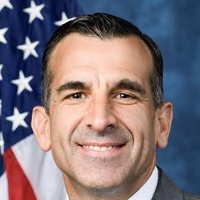
Sam Liccardo
Representative
CA
Sam Liccardo
Representative
CA
The Safeguarding the Use of the National Guard Act (SUN Act) enhances Congressional oversight of the President's domestic deployment of National Guard and reserve forces. It requires the President to submit a detailed report to Congress within 15 days outlining the legal justification, goals, costs, and impact of any domestic deployment. This reporting requirement is waived only when reserve forces are deployed specifically following a Presidential declaration under the Robert T. Stafford Act for a natural disaster.
This resolution terminates the President's declared crime emergency in the District of Columbia, asserting that the emergency is unwarranted and the legal basis for federal MPD control is flawed.
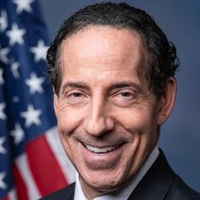
Jamie Raskin
Representative
MD
Jamie Raskin
Representative
MD
This resolution terminates the President's August 11, 2025, declaration of a crime emergency in the District of Columbia. Congress asserts that the President lacks the legal authority under the D.C. Home Rule Act to take operational control of the Metropolitan Police Department. Furthermore, the bill notes that local violent crime rates have been declining significantly.
This Act prohibits grocery stores from price gouging, using personal surveillance data to set individualized prices, and mandates disclosure of facial recognition use, while banning electronic shelf labels in larger stores.
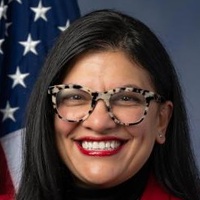
Rashida Tlaib
Representative
MI
Rashida Tlaib
Representative
MI
The Stop Price Gouging in Grocery Stores Act of 2025 aims to protect consumers by prohibiting grocery stores from charging "grossly excessive" prices for food items. The bill also bans stores from adjusting prices based on personal tracking data, such as facial recognition, and requires clear signage if facial recognition technology is used. Furthermore, it mandates that large physical grocery stores must use printed signs instead of electronic shelf labels for displaying prices.
The Keep Seniors Fed Act amends the Food and Nutrition Act of 2008 to include Title II Social Security payments when calculating eligibility for food assistance benefits.
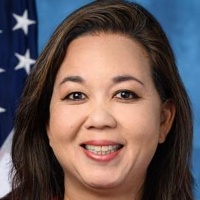
Jill Tokuda
Representative
HI
Jill Tokuda
Representative
HI
The Keep Seniors Fed Act makes technical amendments to the Food and Nutrition Act of 2008 regarding how income is calculated for food assistance eligibility. Specifically, it mandates that income received under Title II of the Social Security Act must now be counted when determining eligibility for benefits. These changes will take effect 90 days after the bill is signed into law.
The Land of the Free Act of 2025 repeals the provision of the Immigration and Nationality Act that made certain protected speech activities grounds for deportability.
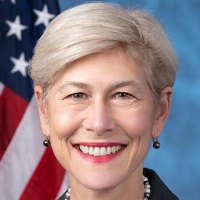
Deborah Ross
Representative
NC
Deborah Ross
Representative
NC
The Land of the Free Act of 2025 repeals a section of the Immigration and Nationality Act that previously made certain protected speech activities grounds for making an alien deportable. This legislation removes a specific restriction, ensuring that engaging in protected speech will no longer be a basis for removal from the United States under that provision.
The CHALLENGES Act establishes strict requirements and penalties to prevent individuals from submitting dishonest or unsupported challenges to registered voters' eligibility.
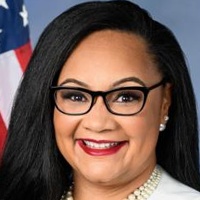
Nikema Williams
Representative
GA
Nikema Williams
Representative
GA
The CHALLENGES Act aims to protect election integrity by establishing strict new requirements to prevent dishonest or bad-faith challenges to registered voters' eligibility. It mandates that individuals challenging a voter's status must provide specific, firsthand evidence and swear under oath, while also imposing criminal penalties for knowingly submitting false challenges. Furthermore, the bill requires online challenge systems to reject anonymous submissions and clearly state the prohibition against bad-faith filings.
This Act secures and expands voting rights for unhoused citizens by prohibiting residency-based disenfranchisement, establishing new accessibility requirements, and creating federal grants to support local outreach efforts.
Nikema Williams
Representative
GA
Nikema Williams
Representative
GA
The Unhoused Voter Opportunity Through Elections Act aims to secure and expand the right to vote for citizens experiencing homelessness by prohibiting residency-based disenfranchisement. It mandates accessible registration methods, requires outreach from service providers, and establishes federal grants to help local governments implement these protections. Ultimately, this legislation seeks to ensure that where a person sleeps cannot be a barrier to their participation in federal elections.
This Act mandates that the U.S. government's annual human rights reports abroad must include detailed findings on the status of reproductive rights, aligning U.S. foreign policy with international human rights standards.
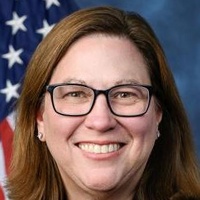
Julie Johnson
Representative
TX
Julie Johnson
Representative
TX
The Reproductive Rights are Human Rights Act of 2025 establishes that reproductive rights are fundamental human rights based on international commitments. This bill mandates that the State Department must include a detailed, required section on the status of reproductive rights in every country within its annual human rights reports. These reports must cover access to contraception, abortion services, and instances of reproductive coercion or discrimination against marginalized groups. The Act aims to ensure robust U.S. monitoring and accountability regarding global reproductive health and autonomy.
This act mandates that the Department of Veterans Affairs must provide abortion care, counseling, and related services and medication to eligible veterans and certain other individuals.
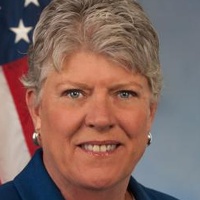
Julia Brownley
Representative
CA
Julia Brownley
Representative
CA
The Reproductive Freedom for Veterans Act mandates that the Department of Veterans Affairs (VA) must now provide abortion care, counseling, and related medication as part of the medical services offered to eligible veterans and certain other beneficiaries. This legislation formally amends existing VA health care provisions to include these reproductive health services.
The Election Mail Act mandates same-day processing for incoming absentee ballots, requires intelligent mail barcodes on federal election mail, establishes delivery standards and free postage for completed ballots, and sets a national seven-day grace period for accepting postmarked federal mail-in ballots after Election Day.
Nikema Williams
Representative
GA
Nikema Williams
Representative
GA
The Election Mail Act aims to ensure the timely and secure delivery of federal election mail through the U.S. Postal Service. It mandates same-day processing of received absentee ballots and requires the use of intelligent mail barcodes for tracking mailed ballots starting in 2026. Furthermore, the bill establishes protections against operational changes that would slow election mail delivery and sets a national standard to count mail-in ballots postmarked by Election Day if received within seven days after the election.
This Act establishes a new federal program to provide dedicated, long-term funding to states for improving election administration, security, and accessibility, managed by a new federal office.
Nikema Williams
Representative
GA
Nikema Williams
Representative
GA
The Sustaining Our Democracy Act establishes a new federal program to provide annual grants to states for improving election administration, security, and accessibility, managed by a newly created Office of Democracy Advancement and Innovation. This funding is supported by a dedicated ten-year Trust Fund to ensure stable resources for election infrastructure upgrades. The bill imposes strict rules on how states can use the money, including prohibitions against purchasing insecure voting machines or restricting basic voter support. If states fail to comply, the federal Director can bypass state government to fund local election subdivisions directly.
This act mandates that employers provide employees with at least two hours of paid leave to vote in federal elections, with the employer determining the specific time the leave is taken.
Nikema Williams
Representative
GA
Nikema Williams
Representative
GA
The Time Off to Vote Act mandates that employers provide employees with at least two consecutive hours of paid leave to vote in federal elections. Employers retain control over when this paid leave is taken, which can include early voting periods if permitted by state law. This Act prohibits employers from penalizing employees for utilizing this required voting leave.
The Help America Run Act allows federal candidates to use campaign funds for essential personal living expenses like childcare and health insurance to enable working Americans to run for office.
Nikema Williams
Representative
GA
Nikema Williams
Representative
GA
The Help America Run Act aims to make it easier for everyday Americans to run for office by allowing campaign funds to cover essential living expenses. Specifically, the bill permits campaign committees to use funds for necessary personal services like childcare and elder care, which helps candidates who are not independently wealthy. This change is intended to increase the diversity of candidates and ensure elected officials better reflect the general population.
This Act mandates the distribution of voter registration information to individuals receiving federal rental assistance or applying for residential mortgages.
Nikema Williams
Representative
GA
Nikema Williams
Representative
GA
The Voters on the Move Registration Act of 2025 mandates that standardized, multilingual voter registration information be provided to individuals applying for certain federally assisted rental housing or residential mortgages. This ensures that tenants and mortgage applicants receive clear instructions on how to register to vote. The Bureau of Consumer Financial Protection is tasked with creating this uniform voter information statement. This requirement focuses solely on providing information, not compelling voter registration.
The Youth Voting Rights Act establishes new federal protections and requirements to expand and enforce voting access for young citizens, including pre-registration for 16- and 17-year-olds, mandatory on-campus polling places, and validation of student IDs.
Nikema Williams
Representative
GA
Nikema Williams
Representative
GA
The Youth Voting Rights Act aims to strengthen voting access for young Americans by enforcing the 26th Amendment. This bill mandates that public colleges facilitate voter registration, allows 16- and 17-year-olds to pre-register for federal elections, and requires on-campus polling locations. It also establishes grants to encourage youth civic engagement and strengthens protections against age-based barriers in voting, including ID rules and absentee voting.
This bill updates voting rights requirements by expanding language assistance definitions, creating incentive grants for voluntary translation services, and mandating a study on lowering language assistance thresholds.
Nikema Williams
Representative
GA
Nikema Williams
Representative
GA
The Expanding the VOTE Act updates language assistance requirements under the Voting Rights Act by modernizing the definition of "voting materials" to include digital information. It also establishes new state responsibilities for providing language assistance and creates a grant program to incentivize voluntary language support beyond current mandates. Furthermore, the bill includes special provisions for unwritten American Indian and Alaska Native languages and mandates a study on lowering thresholds for language assistance coverage.
The People Over Long Lines Act mandates a maximum 30-minute wait time for federal elections, requires states to submit plans to ensure fair resource allocation, and establishes funding to prevent unreasonable voter delays.
Nikema Williams
Representative
GA
Nikema Williams
Representative
GA
The People Over Long Lines Act (POLL Act) aims to protect the fundamental right to vote by establishing a national standard that no eligible citizen should wait more than 30 minutes to cast a ballot in a federal election. To achieve this, the bill mandates that states submit plans detailing how they will ensure fair wait times and requires the Attorney General to set minimum standards for voting resources like poll workers and equipment. Furthermore, the Act authorizes federal funding to help states comply and creates a private right of action allowing citizens to sue over excessive wait times.
The Warehouse Worker Protection Act establishes new federal standards for large employers regarding performance quotas, mandatory paid breaks, data transparency, and workplace safety, while strengthening NLRA protections against retaliatory metrics.
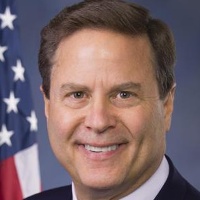
Donald Norcross
Representative
NJ
Donald Norcross
Representative
NJ
The Warehouse Worker Protection Act establishes new federal standards to increase transparency and fairness for warehouse workers at large companies by mandating disclosure of performance quotas and monitoring data. It guarantees mandatory paid rest breaks, strengthens protections against using quotas to suppress organizing efforts, and introduces new federal ergonomics and safety standards under OSHA. The bill creates a new Department of Labor office to enforce these provisions and invalidates mandatory pre-dispute arbitration for related claims.
This bill repeals specific prior health reconciliation provisions and expands eligibility for the Premium Tax Credit by removing the 400% income cap and adjusting the subsidy calculation formula.
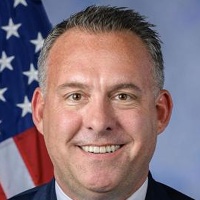
Adam Gray
Representative
CA
Adam Gray
Representative
CA
The Protecting Health Care and Lowering Costs Act of 2025 repeals specific prior reconciliation health provisions. This bill significantly expands eligibility for the Premium Tax Credit by eliminating the 400% Federal Poverty Level income cap. It also updates the subsidy calculation formula to ensure a smoother, linear adjustment of assistance across various income levels.
This resolution honors Dr. Paul Farmer by urging the U.S. to adopt a global health solidarity strategy that addresses preventable deaths through increased aid, support for local health systems, and actions to counteract economic injustices harming low-income nations.

Janice Schakowsky
Representative
IL
Janice Schakowsky
Representative
IL
This resolution honors Dr. Paul Farmer by urging the U.S. government to adopt a 21st-century global health solidarity strategy to end preventable deaths worldwide. It calls for significantly increased U.S. aid, focused on strengthening local health systems through "accompaniment," while simultaneously taking action to stop economic injustices that drain resources from developing nations. Ultimately, the bill demands that U.S. development policy prioritize global health equity alongside addressing historical harms like slavery and colonialism.