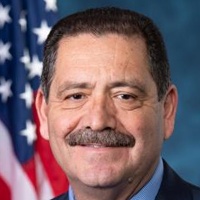
Legislative Activity
Track Chuy's sponsored bills, co-sponsored legislation, and voting record
The EATS Act of 2025 expands eligibility for SNAP benefits by removing previous restrictions for students enrolled at least half-time in recognized educational programs.
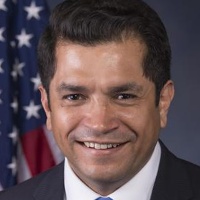
Jimmy Gomez
Representative
CA
Jimmy Gomez
Representative
CA
The EATS Act of 2025 significantly updates eligibility for the Supplemental Nutrition Assistance Program (SNAP) by removing previous restrictions that often disqualified students. This legislation explicitly includes bona fide students enrolled at least half-time in recognized educational programs as eligible participants for food assistance. These changes take effect on January 2, 2026.
The Medical Debt Relief Act of 2025 prohibits reporting medical debt to credit bureaus and bans lenders from using medical debt information when making credit decisions.
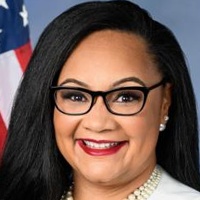
Nikema Williams
Representative
GA
Nikema Williams
Representative
GA
The Medical Debt Relief Act of 2025 aims to shield consumers from the negative impact of medical bills on their financial standing. This legislation prohibits the reporting of any adverse information related to medical debt on consumer credit reports under the Fair Credit Reporting Act. Furthermore, it bans lenders from using a consumer's medical debt history when making decisions about granting credit.
This act repeals the prohibition on Medicaid payments to certain healthcare entities and mandates retroactive payment for services already rendered under the repealed ban.
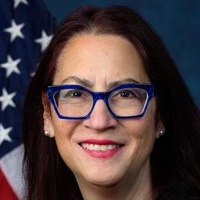
Laura Friedman
Representative
CA
Laura Friedman
Representative
CA
The Restoring Essential Healthcare Act repeals an outdated ban that prevented Medicaid from making payments to certain healthcare providers. This legislation ensures that these previously prohibited entities will now be reimbursed for medical services rendered between the enactment of the original ban and the passage of this Act. In short, it restores payment eligibility and retroactively covers past services.
This Act expands FEMA disaster assistance to cover all moisture damage in flood-damaged basements and increases coverage under the Group Flood Insurance Policy.
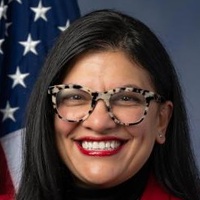
Rashida Tlaib
Representative
MI
Rashida Tlaib
Representative
MI
The Fix Our Flooded Basements Act of 2025 significantly expands FEMA disaster assistance for flood-damaged basements, covering mold and moisture damage beyond just habitable areas. It mandates increased personal property aid for basement contents, aligning it with Standard Flood Insurance Policy levels. Furthermore, the bill updates the Group Flood Insurance Policy to offer broader eligibility and comprehensive coverage for real and personal property within basements.
The Protected Time Off Act establishes a federal minimum accrual rate of one hour of paid annual leave for every 25 hours worked, while protecting employees' rights to use and enforce this earned time off.
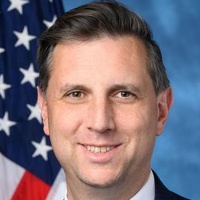
Seth Magaziner
Representative
RI
Seth Magaziner
Representative
RI
The Protected Time Off Act establishes a federal minimum standard for earned paid annual leave, requiring employers to grant employees at least one hour of paid time off for every 25 hours worked, up to 80 hours annually. This law specifies how leave is accrued, used, and rolled over, while protecting employees from retaliation for exercising these rights. It also ensures that existing state laws or agreements that provide more generous leave benefits remain in effect. Enforcement mechanisms are established, largely mirroring those under the Fair Labor Standards Act, allowing both government investigation and direct employee lawsuits.
The VISIBLE Act mandates that federal immigration officers clearly display their agency and identifying information when conducting public-facing enforcement activities.
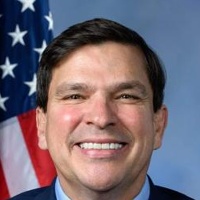
Vicente Gonzalez
Representative
TX
Vicente Gonzalez
Representative
TX
The VISIBLE Act mandates that federal immigration enforcement officers, such as those from CBP and ICE, must clearly display their agency name and either their last name or badge number during all public-facing civil immigration enforcement activities. This requirement ensures officers are easily identifiable to the public from a distance, promoting transparency and public trust. The law also establishes disciplinary procedures for non-compliance and requires annual reporting to Congress on enforcement activities and violations.
This bill officially renames the Department of Veterans Affairs community-based outpatient clinic in Bloomington, Illinois, to the "Andrew Jackson Smith Medal of Honor Department of Veterans Affairs Clinic."
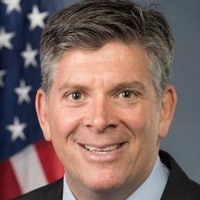
Darin LaHood
Representative
IL
Darin LaHood
Representative
IL
This bill officially renames the Department of Veterans Affairs community-based outpatient clinic in Bloomington, Illinois. The facility will now be known as the "Andrew Jackson Smith Medal of Honor Department of Veterans Affairs Clinic." This action honors Civil War hero Corporal Andrew Jackson Smith for his exceptional bravery at the Battle of Honey Hill.
This bill establishes a new system for distributing up to 2,000 additional Medicare-funded residency positions annually from 2026 through 2032, prioritizing hospitals serving underserved areas, and mandates a study on strategies to increase workforce diversity.
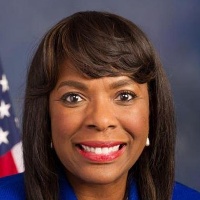
Terri Sewell
Representative
AL
Terri Sewell
Representative
AL
The Resident Physician Shortage Reduction Act of 2025 establishes a structured process for distributing up to 2,000 additional, federally funded residency positions annually between fiscal years 2026 and 2032. This distribution prioritizes hospitals serving in underserved areas, those already training above their limit, and those committed to primary care and general surgery training. The bill also mandates a study and report by the Comptroller General on effective strategies to increase diversity within the health professional workforce.
This act establishes a culturally and linguistically appropriate national strategy to improve mental health and substance abuse outreach and education specifically for Hispanic and Latino communities.
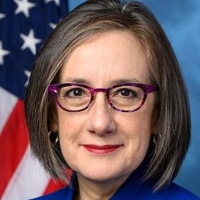
Andrea Salinas
Representative
OR
Andrea Salinas
Representative
OR
The Mental Health for Latinos Act of 2025 mandates the creation of a comprehensive, culturally sensitive outreach and education strategy to improve mental health and substance abuse support specifically for Hispanic and Latino communities. This plan requires collaboration with community groups to ensure materials address diverse linguistic and cultural needs across different age groups. The Secretary must report annually to Congress on the strategy's effectiveness in improving health outcomes for these populations.
This Act prohibits the shackling and detention of pregnant and postpartum noncitizens except in extraordinary, narrowly defined circumstances, while mandating comprehensive healthcare access and staff training.
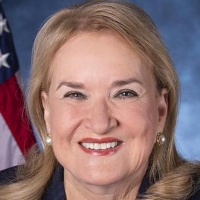
Sylvia Garcia
Representative
TX
Sylvia Garcia
Representative
TX
The Stop Shackling and Detaining Pregnant Women Act aims to significantly reform the detention of pregnant and postpartum noncitizens by establishing a presumption against their detention. This bill strictly limits the use of physical restraints on pregnant detainees and mandates comprehensive reproductive healthcare access. Furthermore, it requires detailed quarterly and annual reporting on the treatment and outcomes of pregnant individuals in custody.
The Hands Off Our Social Security Act prohibits unauthorized tampering with benefits, data mining, privatization, workforce reductions, and office closures without explicit Congressional approval.
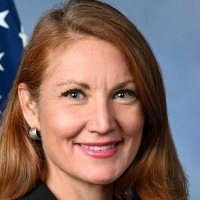
Melanie Stansbury
Representative
NM
Melanie Stansbury
Representative
NM
The Hands Off Our Social Security Act is designed to safeguard the functionality and integrity of the Social Security Administration (SSA). This bill prohibits the SSA from tampering with benefits, engaging in unauthorized data mining, or privatizing services. Furthermore, it prevents the agency from closing local offices or reducing staff without explicit approval from Congress. Ultimately, the Act ensures that essential services and communication channels remain accessible to beneficiaries.
This bill updates the eligibility requirements for creating records of lawful admission for long-term residents by changing the qualifying entry date to a minimum of seven years of U.S. residency prior to application.
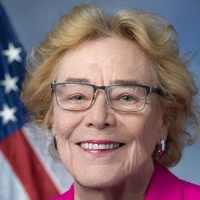
Zoe Lofgren
Representative
CA
Zoe Lofgren
Representative
CA
This bill, the Renewing Immigration Provisions of the Immigration Act of 1929, updates the eligibility requirements for creating records of lawful admission for long-term residents. It replaces a fixed entry date with a new standard requiring applicants to have resided in the U.S. for at least seven years prior to applying. These revised provisions will take effect 60 days after the Act is enacted.
This Act severely restricts the use of solitary confinement in federal facilities, mandates a minimum of 14 hours of daily social interaction for all incarcerated individuals, and establishes strict oversight and state incentives to end the practice nationwide.

Sydney Kamlager-Dove
Representative
CA
Sydney Kamlager-Dove
Representative
CA
The End Solitary Confinement Act aims to drastically limit the use of solitary confinement in federal facilities by mandating a minimum of 14 hours of daily social interaction for all incarcerated individuals. The bill establishes strict emergency exceptions for isolation, prohibits its use against vulnerable populations, and creates an independent community monitoring body to ensure compliance. Furthermore, it incentivizes states to adopt similar standards by tying federal funding to adherence to these new minimum treatment requirements.
This Act prohibits businesses from using automated systems that rely on personal data surveillance to set individualized prices or determine worker wages, while preserving stronger state and collective bargaining protections.
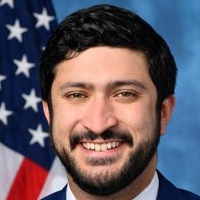
Gregorio Casar
Representative
TX
Gregorio Casar
Representative
TX
The Stop AI Price Gouging and Wage Fixing Act of 2025 prohibits businesses from using automated systems that analyze personal data to set individualized prices or determine employee wages. This legislation establishes strict transparency requirements for any permitted pricing exceptions and grants enforcement power to the FTC, EEOC, State Attorneys General, and private citizens. Furthermore, the Act ensures that existing state laws providing greater protections and collective bargaining rights remain fully in effect.
This bill amends the Family and Medical Leave Act to explicitly qualify time taken for an employee's own organ donation surgery as a serious health condition.
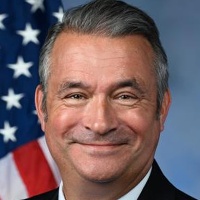
Don Bacon
Representative
NE
Don Bacon
Representative
NE
This bill amends the Family and Medical Leave Act (FMLA) to explicitly clarify that time taken off for an employee's own organ donation surgery qualifies as a serious health condition. This ensures both private and federal sector workers receive FMLA protection for recovery from organ donation. The legislation also specifies how federal employees must substitute existing paid leave when taking FMLA time for this purpose.
This constitutional amendment prohibits immunity from criminal prosecution for federal officials based on their official duties and bars the President from self-pardoning.
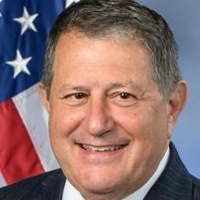
Joseph Morelle
Representative
NY
Joseph Morelle
Representative
NY
This proposed constitutional amendment would eliminate immunity from criminal prosecution for federal officials, including the President, based on their official duties. It also explicitly prohibits the President from issuing a self-pardon for any federal crimes. If ratified, these changes would take effect immediately.
The EACH Act of 2025 mandates that all federally funded health programs and facilities must cover and provide abortion services, while also prohibiting federal interference with private insurance coverage.

Ayanna Pressley
Representative
MA
Ayanna Pressley
Representative
MA
The EACH Act of 2025 aims to ensure equal access to abortion coverage by requiring all federally funded health programs and facilities to cover abortion services. This legislation prohibits federal interference with state or private insurance coverage of abortion and repeals Section 1303 of the Affordable Care Act. Ultimately, the bill seeks to eliminate financial and insurance barriers to abortion care, particularly for low-income individuals relying on programs like Medicaid.
This Act prohibits insurance companies from discriminating against living organ donors when issuing life, disability, or long-term care policies and mandates the updating of educational materials regarding donation risks and insurance implications.
Don Bacon
Representative
NE
Don Bacon
Representative
NE
The Living Donor Protection Act of 2025 prohibits life, disability, and long-term care insurance companies from denying coverage or increasing premiums solely because an individual is a living organ donor. This legislation ensures that living donors are not financially penalized for their altruistic act. Additionally, the bill requires the Secretary of HHS to update educational materials to accurately reflect the insurance protections afforded to living donors.
This bill expands Medicaid coverage for certain individuals with breast or cervical cancer and mandates coverage for breast reconstruction following a mastectomy.

Maxine Waters
Representative
CA
Maxine Waters
Representative
CA
The Medicaid Breast Cancer Access to Treatment Act expands Medicaid eligibility to cover certain individuals who have had breast or cervical cancer. This legislation also mandates that Medicaid coverage must include breast reconstruction surgery following a medically necessary mastectomy. These changes aim to ensure comprehensive care and remove financial barriers for cancer survivors under the program.
This bill requires suppliers to inform Medicare beneficiaries undergoing a medically necessary mastectomy that breast reconstruction surgery is covered before performing the procedure, or face non-payment for the mastectomy.
Maxine Waters
Representative
CA
Maxine Waters
Representative
CA
The Medicare Breast Reconstruction Access and Information Act mandates that suppliers performing medically necessary mastectomies must inform patients about their Medicare coverage for post-mastectomy breast reconstruction. This information must be provided and documented in the patient's medical file before the surgery takes place. Failure to comply will result in Medicare withholding payment for the mastectomy procedure.