
Legislative Activity
Track Paul's sponsored bills, co-sponsored legislation, and voting record
This Act establishes a pilot program for law enforcement to test drones equipped only with non-lethal tools for responding to active shooter situations.
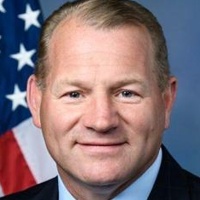
Troy Nehls
Representative
TX
Troy Nehls
Representative
TX
The Deescalation Drone Pilot Program Act of 2025 establishes a pilot program managed by the FAA for law enforcement to test drones equipped only with non-lethal tools during active shooter events. This initiative aims to assess the safety, training, and effectiveness of using these specialized drones to keep officers at a safer distance. Following the testing phase, the FAA must create a formal rulemaking process to allow agencies nationwide to seek approval for using these domestically manufactured, non-lethal drones.
Connor's Law mandates that commercial motor vehicle operators must demonstrate the ability to read and speak English sufficiently to perform essential driving and reporting tasks, or face immediate out-of-service orders.
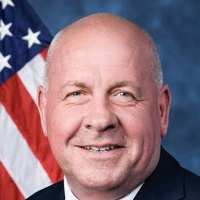
David Taylor
Representative
OH
David Taylor
Representative
OH
Connor's Law establishes a mandatory English language proficiency requirement for all commercial motor vehicle (CMV) operators seeking a Commercial Driver's License (CDL). This ensures drivers can effectively communicate, understand traffic signs, and complete necessary documentation in English. Failure to meet this standard will result in an immediate out-of-service order for the driver.
This bill eliminates the Low-Income Housing Tax Credit (LIHTC) by ceasing the issuance of new credits for buildings placed in service after the law's enactment.
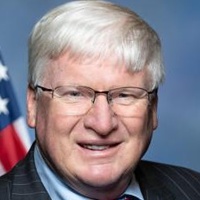
Glenn Grothman
Representative
WI
Glenn Grothman
Representative
WI
The Low-Income Housing Tax Credit Elimination Act proposes to end the federal government's primary incentive for developing affordable housing. Specifically, this bill mandates that no new Low-Income Housing Tax Credits (LIHTC) will be issued for any building placed in service after the law's enactment date. This action effectively phases out the current mechanism used to finance new low-income housing projects.
The FREE Act mandates federal agencies to develop and implement a "permitting by rule" system to streamline and expedite permit issuance based on applicant certification of compliance with established standards.
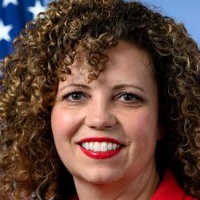
Celeste Maloy
Representative
UT
Celeste Maloy
Representative
UT
The Full Responsibility and Expedited Enforcement (FREE) Act mandates that federal agencies develop and implement a "permitting by rule" system as an alternative to slow, traditional permitting processes. This new system requires applicants to certify compliance with written standards, streamlining approval with a 180-day automatic grant deadline if the agency fails to act. Agencies retain the right to audit and enforce compliance after permits are issued, with the burden of proof shifting to the agency during appeals.
This bill prohibits graduate medical schools from receiving federal funding if they mandate adherence to certain diversity, equity, and inclusion (DEI) tenets or establish DEI offices.
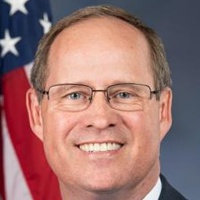
Gregory Murphy
Representative
NC
Gregory Murphy
Representative
NC
This bill prohibits graduate medical schools from receiving federal funding or participating in federal student loan programs unless they certify they do not mandate adherence to specific diversity, equity, and inclusion (DEI) tenets. This certification bans forcing faculty, staff, or students to pledge beliefs regarding inherent group status or collective guilt, and prevents the establishment of offices that compel such adherence. Furthermore, accrediting agencies cannot require medical programs to adopt policies conflicting with these restrictions to maintain accreditation.
This Act establishes robust federal protections and enforcement mechanisms against discrimination for healthcare entities that decline to participate in abortion, sterilization, or assisted suicide procedures, while also granting individuals a private right of action to sue for violations.
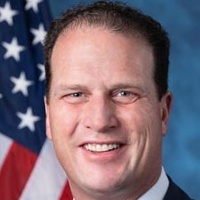
August Pfluger
Representative
TX
August Pfluger
Representative
TX
The Conscience Protection Act of 2025 aims to strengthen federal protections for healthcare providers and entities that refuse to participate in abortion, sterilization, or assisted suicide based on moral or religious objections. It prohibits discrimination against these entities by any recipient of federal funding, including state and local governments. Furthermore, the bill establishes stronger enforcement mechanisms within HHS and grants individuals and entities a private right of action to sue for violations of these conscience laws in federal court.
This Act establishes grants for families of homicide victims killed by certain unlawfully present aliens or drug traffickers and creates a new DHS office to support victims of crimes committed by inadmissible or unlawfully present aliens.
Troy Nehls
Representative
TX
Troy Nehls
Representative
TX
The Justice for Angel Families Act establishes new federal grants to compensate families of homicide victims killed by certain unlawfully present aliens or drug traffickers, covering medical, funeral, and emotional distress-related wage costs. Additionally, the bill creates a new Victims of Immigration Crime Engagement Office within DHS to provide proactive support, resources, and updates to victims of crimes committed by removable aliens. This office will operate a dedicated hotline and report annually to Congress on its impact and victim demographics.
This bill phases out the enhanced federal funding match for Medicaid coverage provided to low-income adults between 2027 and 2034, while establishing new rules for states that have not yet expanded Medicaid.
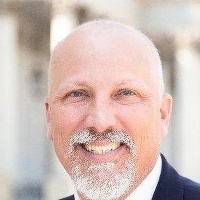
Chip Roy
Representative
TX
Chip Roy
Representative
TX
The Ending Medicaid Discrimination Against the Most Vulnerable Act modifies the enhanced federal funding structure for Medicaid coverage provided to low-income adults. This bill establishes a gradual phase-out of the enhanced Federal Medical Assistance Percentage (FMAP) between 2027 and 2034, with the extra funding ending entirely in 2035. Furthermore, the legislation alters the incentives for states that have not yet expanded Medicaid coverage, potentially limiting future enhanced funding for those states if they expand after 2024.
This Act mandates that health plans cover medically necessary treatment for congenital anomalies or birth defects affecting the eyes, ears, teeth, mouth, or jaw to restore normal function and appearance.
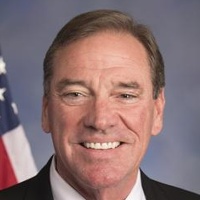
Neal Dunn
Representative
FL
Neal Dunn
Representative
FL
The Ensuring Lasting Smiles Act mandates that group health plans and insurance policies provide comprehensive coverage for medically necessary treatment related to congenital anomalies or birth defects affecting the eyes, ears, teeth, mouth, or jaw. This coverage must include services needed to restore normal function and appearance, including necessary dental and orthodontic support. Plans must apply cost-sharing rules no more restrictive than those for other medical benefits, excluding purely cosmetic procedures.
The American Energy Act streamlines the processing of drilling permits during litigation and limits judicial authority to halt oil and gas lease sales unless immediate, major environmental damage is proven without alternative remedies.
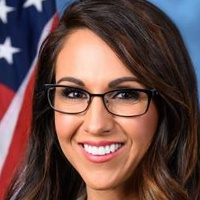
Lauren Boebert
Representative
CO
Lauren Boebert
Representative
CO
The American Energy Act streamlines the process for handling drilling permit applications, requiring the Secretary to continue processing them even when litigation is pending, unless the underlying lease is vacated. It also establishes a four-year validity period for new drilling permits. Furthermore, the Act places significant limitations on the ability of courts to halt oil and gas lease sales or stop the awarding of leases once bidding has commenced.
This bill removes federal tax and registration requirements for firearm silencers, preempts certain state regulations, mandates the destruction of existing federal silencer owner records, and updates related definitions and marking requirements.
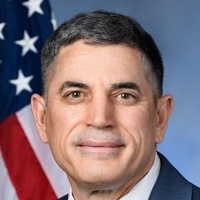
Andrew Clyde
Representative
GA
Andrew Clyde
Representative
GA
The Constitutional Hearing Protection Act aims to treat firearm silencers equally under federal tax law by updating definitions and removing certain registration requirements if existing firearm laws are followed. The bill also preempts state and local governments from imposing special taxes or registration burdens on silencers. Furthermore, it mandates the destruction of existing federal records identifying silencer owners within one year of enactment.
This bill prohibits the issuance of F and M student visas to individuals planning to attend educational institutions located within designated "sanctuary jurisdictions."
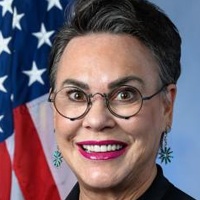
Harriet Hageman
Representative
WY
Harriet Hageman
Representative
WY
This Act prohibits the issuance of F and M student visas to individuals planning to attend educational institutions located within designated "sanctuary jurisdictions." A sanctuary jurisdiction is defined as any state or local government that actively obstructs federal immigration enforcement efforts, such as refusing to comply with ICE detainers. The visa restrictions remain in place until the Secretary of Homeland Security determines the jurisdiction is no longer impeding immigration enforcement.
This act prohibits federal funding for colleges and universities that mandate COVID-19 vaccinations for students or employees.
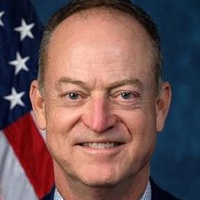
Mark Messmer
Representative
IN
Mark Messmer
Representative
IN
The No Vaccine Mandates in Higher Education Act prohibits the federal government from providing funds to colleges and universities that require students or employees to receive a COVID-19 vaccine. This measure ensures that institutions of higher education cannot mandate vaccination for enrollment, employment, or access to services without risking the loss of federal funding.
This Act repeals the federal ban on mailing concealable firearms and prohibits the U.S. Postal Service from creating rules that restrict the mailing of firearms or require the disclosure of customer records as a condition of mailing.
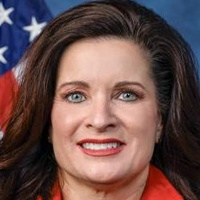
Sheri Biggs
Representative
SC
Sheri Biggs
Representative
SC
The Protecting the Mailing of Firearms Act repeals the federal ban on mailing certain concealable firearms. This legislation also prohibits the U.S. Postal Service from enacting rules that would block or unduly restrict the mailing of firearms, ammunition, or their components. Furthermore, the USPS cannot require sellers to disclose customer records or firearm serial numbers as a condition for mailing these items.
This bill prohibits landlords of federally assisted rental housing from banning tenants from lawfully possessing firearms within their private dwelling units.
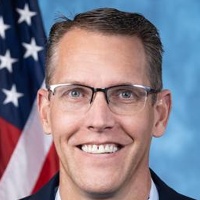
Randy Feenstra
Representative
IA
Randy Feenstra
Representative
IA
This bill, the PROTECT the Second Amendment Act, prevents landlords of federally assisted rental housing from banning tenants who lawfully possess firearms within their private dwelling units. It ensures residents in subsidized housing can legally keep their firearms inside their apartments. The legislation also permits the transportation of firearms through common areas only when moving directly to or from the unit.
The Safeguard American Voter Eligibility (SAVE) Act mandates that individuals registering to vote in federal elections must present documentary proof of U.S. citizenship.
Chip Roy
Representative
TX
Chip Roy
Representative
TX
The Safeguard American Voter Eligibility Act (SAVE Act) significantly amends federal law to require individuals registering to vote in federal elections to present documentary proof of U.S. citizenship. This legislation mandates that states actively clean their voter rolls and cooperate with federal agencies to verify citizenship status. It establishes new criminal penalties for officials who fail to enforce these documentation requirements.
This act prohibits the Federal Motor Carrier Safety Administration from mandating speed limiting devices on interstate commercial vehicles over 26,000 pounds.
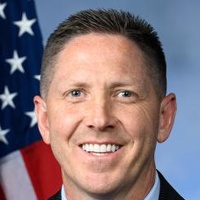
Josh Brecheen
Representative
OK
Josh Brecheen
Representative
OK
The DRIVE Act prohibits the Federal Motor Carrier Safety Administration from mandating speed limiting devices on heavy commercial vehicles engaged in interstate commerce. This legislation removes any federal requirement for trucks over 26,000 pounds to have their top speed electronically capped. In essence, the bill deregulates restrictions concerning speed control technology for large, cross-state eighteen-wheelers.
This Act redefines immediate relatives for immigration, caps family-sponsored visas, and creates a new, non-work, temporary visa for parents of adult U.S. citizens.
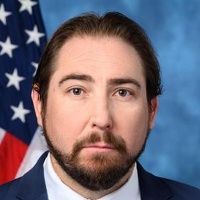
Eli Crane
Representative
AZ
Eli Crane
Representative
AZ
The Nuclear Family Priority Act significantly restructures U.S. family-based immigration by redefining "immediate relatives" to only include spouses and children of U.S. citizens, removing parents from that top category. It also establishes a new, temporary nonimmigrant visa for parents of adult U.S. citizens, which prohibits work and public benefits. Furthermore, the bill revises the annual cap for family-sponsored visas and makes numerous technical amendments across immigration law to align with these changes.
This bill prohibits states from offering in-state tuition rates to undocumented immigrants or risk losing federal student aid funding the following fiscal year.

Tim Burchett
Representative
TN
Tim Burchett
Representative
TN
This bill, the "No In-State Tuition for Illegal Immigrants Act," penalizes states that offer in-state tuition rates to undocumented students. If a state provides these lower rates, it risks losing all federal student financial assistance, such as Pell Grants, in the following fiscal year. The legislation ties state tuition policies directly to the receipt of federal education funding.
This act prohibits all federal funding for the National Public Radio (NPR) and the Public Broadcasting Service (PBS).
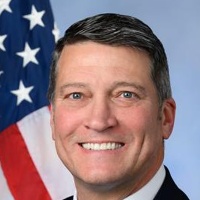
Ronny Jackson
Representative
TX
Ronny Jackson
Representative
TX
The No Partisan Radio and Partisan Broadcasting Services Act (NPR and PBS Act) prohibits all federal funding, direct or indirect, for the National Public Radio (NPR) and the Public Broadcasting Service (PBS). This measure immediately ends government financial support for these two national broadcasting entities. The restriction also applies to any successor organizations.