
Legislative Activity
Track Paul's sponsored bills, co-sponsored legislation, and voting record
This bill revokes the tax-exempt status for government bonds issued by jurisdictions designated as "sanctuary cities" for failing to cooperate with federal immigration enforcement.
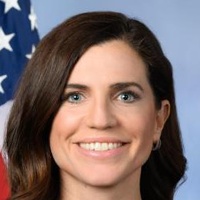
Nancy Mace
Representative
SC
Nancy Mace
Representative
SC
The No Tax Breaks for Sanctuary Cities Act proposes to revoke the tax-exempt status for bonds issued by state or local governments designated as "sanctuary jurisdictions." A sanctuary jurisdiction is defined as one that restricts its officials from sharing immigration status information or complying with federal detainers/release notifications from Homeland Security. This change would apply to bonds issued after the date the Act becomes law.
This bill aims to enhance border security, address environmental damage on federal lands, and restrict housing options for undocumented non-citizens on federally managed lands.
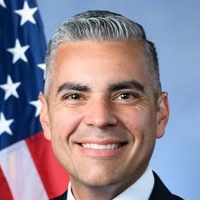
Juan Ciscomani
Representative
AZ
Juan Ciscomani
Representative
AZ
This bill aims to enhance security along the southern border by constructing roads, increasing access for U.S. Customs and Border Protection, and allowing temporary placement of structures by border states. It also seeks to mitigate environmental damage on federal lands caused by illegal activities through initiatives focused on reducing trash, preventing wildfires, and remediating contamination. Additionally, the bill restricts housing options for non-citizens who have not been formally admitted into the country by preventing the use of federal funds to house these individuals on federally managed lands.
This bill designates English as the official language of the United States, standardizing its use in government functions and naturalization processes, while allowing exceptions for certain circumstances.
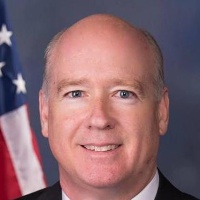
Robert Aderholt
Representative
AL
Robert Aderholt
Representative
AL
The "Designation of English as the Official Language of the United States Act of 2025" establishes English as the official language of the U.S., requiring the government to conduct official business in English and encouraging English language learning. It mandates a uniform English language standard for naturalization, ensuring new citizens can understand core American documents, while also providing exceptions for certain situations like language teaching, national security, and protection of rights. The bill also sets rules for interpreting U.S. laws, favoring interpretations that protect individual rights and state powers, and directs the Secretary of Homeland Security to develop uniform English language testing for citizenship applicants.
The "Federal Firearms Licensee Protection Act of 2025" increases penalties for stealing firearms from licensed dealers, manufacturers, or importers, especially during burglaries or robberies, and clarifies related definitions.
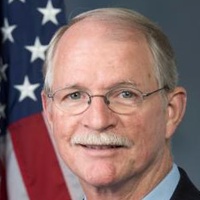
John Rutherford
Representative
FL
John Rutherford
Representative
FL
The "Federal Firearms Licensee Protection Act of 2025" increases penalties for stealing firearms from licensed dealers. It sets stricter punishments, including up to 20 years in prison, for violating laws related to firearm theft. The act also mandates minimum prison sentences of 3 years for burglaries and 5 years for robberies targeting licensed firearm businesses.
Prohibits federal funding to the United Nations' immigration and refugee relief organizations IOM, UNHCR, and UNRWA, and requires a study and audit of past funding.
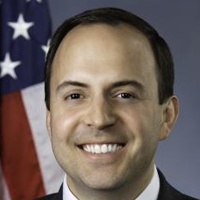
Lance Gooden
Representative
TX
Lance Gooden
Representative
TX
The "No Tax Dollars for the United Nations Immigration Invasion Act" prohibits the U.S. government from financially contributing to the United Nations International Organization for Migration (IOM), the United Nations High Commissioner for Refugees (UNHCR), and the United Nations Relief and Works Agency for Palestine Refugees in the Near East (UNRWA). It also mandates a study by the Comptroller General to identify all federal assistance programs that provide funds to these organizations, detailing amounts, restrictions, and potential repayments, as well as an audit of the Department of State’s Refugee Travel Loan Program. A report summarizing the study and audit results must be submitted to Congress within 180 days of the Act's enactment.
The "Justice for Vaccine Injured Veterans Act of 2025" presumes service-connection for specific diseases, like myocarditis and Guillain-Barre Syndrome, in veterans who received a COVID-19 vaccine during the DoD mandate period, entitling them to VA benefits.
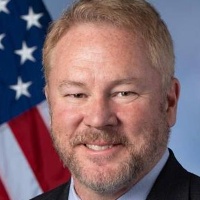
Warren Davidson
Representative
OH
Warren Davidson
Representative
OH
The Justice for Vaccine Injured Veterans Act of 2025 presumes service-connection for certain diseases, such as myocarditis and Guillain-Barre Syndrome, for veterans who were required to receive a COVID-19 vaccine between August 24, 2021, and January 10, 2023. It also requires the Secretary of Veterans Affairs to track and report on compensation claims related to COVID-19 vaccines and make these reports publicly available.
Nullifies the EPA's rule on greenhouse gas emissions from power plants and reinstates the Affordable Clean Energy Rule.
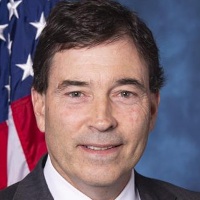
Troy Balderson
Representative
OH
Troy Balderson
Representative
OH
This bill nullifies the Environmental Protection Agency's rule on greenhouse gas emissions from power plants. The rule targeted new, modified, and reconstructed fossil fuel-fired electric generating units. It also set emission guidelines and repealed the Affordable Clean Energy Rule.
To award a Congressional Gold Medal to the 761st Tank Battalion, the first Black soldiers to serve in an American armored unit, for their valor and crucial contributions to the Allied victory in Europe.
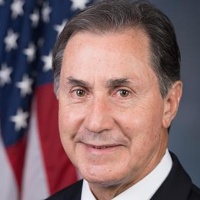
Gary Palmer
Representative
AL
Gary Palmer
Representative
AL
This bill authorizes the Speaker of the House and the President pro tempore of the Senate to award a Congressional Gold Medal to the 761st Tank Battalion, also known as the "Black Panthers," in recognition of their courageous service and crucial contributions during World War II. The medal will be given to the National Museum of African American History and Culture for display, honoring the 761st as the first Black soldiers to serve in an American armored unit and their significant role in the Allied victory in Europe. The bill also allows for the creation and sale of bronze duplicates of the medal to support the United States Mint Public Enterprise Fund.
This bill mandates that uranium be classified as a critical mineral, ensuring its inclusion on the U.S. Geological Survey's 2022 list and all future lists under the Energy Act of 2020.
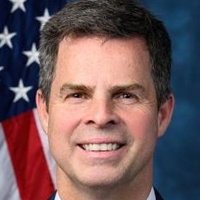
John McGuire
Representative
VA
John McGuire
Representative
VA
The "Uranium for Energy Independence Act of 2025" designates uranium as a critical mineral, overriding any existing exclusions for fuel minerals. This inclusion mandates that uranium be listed as a critical mineral on the 2022 list published by the United States Geological Survey and all future lists, as required by the Energy Act of 2020.
The NIH Reform Act divides the National Institute of Allergy and Infectious Diseases into three separate institutes focusing on allergic, infectious, and immunologic diseases.

Chip Roy
Representative
TX
Chip Roy
Representative
TX
The NIH Reform Act divides the National Institute of Allergy and Infectious Diseases into three separate entities: the National Institute of Allergic Diseases, the National Institute of Infectious Diseases, and the National Institute of Immunologic Diseases. It requires the President to appoint directors for each new institute. The act outlines the research focus of the National Institute of Infectious Diseases and the National Institute of Immunologic Diseases. It directs the NIH Director to manage the transition and makes necessary amendments to reflect these changes.
This bill prohibits tax deductions and credits for marijuana businesses trafficking in controlled substances, aligning federal tax law with the prohibition of marijuana under federal law.
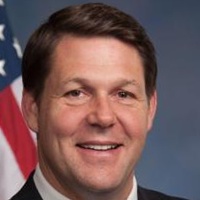
Jodey Arrington
Representative
TX
Jodey Arrington
Representative
TX
The "No Deductions for Marijuana Businesses Act" amends the Internal Revenue Code to prohibit businesses involved in marijuana or controlled substance trafficking from claiming tax deductions or credits for their expenses. This restriction applies regardless of whether the business is violating federal or state law. The change will be effective for expenses paid after the bill is enacted.
This bill repeals the 1991 and 2002 authorizations for the use of military force against Iraq.
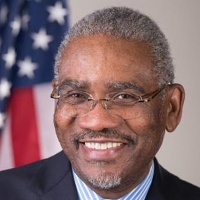
Gregory Meeks
Representative
NY
Gregory Meeks
Representative
NY
This bill repeals the 1991 Authorization for Use of Military Force Against Iraq Resolution and the 2002 Authorization for Use of Military Force Against Iraq Resolution, formally ending the legal basis for military actions in Iraq under these authorizations.
Removes federal immunity for COVID-19 vaccine manufacturers, allowing individuals to sue for vaccine-related losses, while preserving access to existing compensation programs.
Chip Roy
Representative
TX
Chip Roy
Representative
TX
The LIABLE Act removes federal immunity and liability limitations for COVID-19 vaccine manufacturers, allowing individuals to sue for losses caused by the vaccines. Individuals can still seek compensation through existing federal programs, and doing so does not prevent civil action. This applies to any COVID-19 vaccine licensed or authorized by the FDA and is retroactive.
The "Death Tax Repeal Act" eliminates estate and generation-skipping transfer taxes, adjusts gift tax calculations, and sets a $10,000,000 lifetime gift exemption.
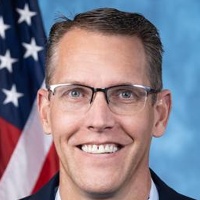
Randy Feenstra
Representative
IA
Randy Feenstra
Representative
IA
The "Death Tax Repeal Act" eliminates both estate and generation-skipping transfer taxes, effective from the date of enactment. It adjusts gift tax calculations by setting the lifetime gift exemption at $10,000,000, with inflation adjustments after 2011. The Act also includes transitional rules for applying certain sections of the Internal Revenue Code during the enactment year.
This resolution expresses Congressional opposition to imposing new performance fees or royalties on local radio stations and businesses for broadcasting or playing music.
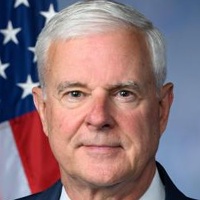
Steve Womack
Representative
AR
Steve Womack
Representative
AR
The Local Radio Freedom Act expresses Congressional opposition to imposing new performance fees, taxes, or royalties on local radio stations and businesses for playing music. It argues that the current system of free airplay provides essential promotional value to artists and that new fees would threaten the financial viability of local broadcasters and the vital community services they provide.
The "National Right-to-Work Act" prohibits mandatory union membership as a condition of employment, protecting employees' rights to choose whether or not to join or support a labor union.
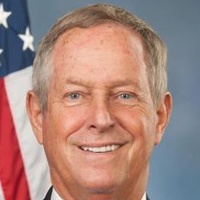
Joe Wilson
Representative
SC
Joe Wilson
Representative
SC
The "National Right-to-Work Act" amends both the National Labor Relations Act and the Railway Labor Act to protect an employee's right to choose whether or not to join or support a labor union. It eliminates the possibility of mandatory union membership or dues payments as a condition of employment, ensuring that employees cannot be forced to join or support a union against their will.
This bill directs the Forest Service to expand the use of strategic livestock grazing on federal lands as a tool to reduce wildfire risks and manage invasive fuels.
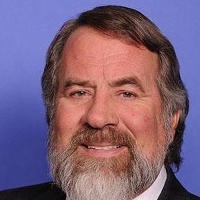
Doug LaMalfa
Representative
CA
Doug LaMalfa
Representative
CA
The Grazing for Wildfire Risk Reduction Act directs the Forest Service to expand the use of livestock grazing as a strategic tool to mitigate wildfire hazards. By streamlining environmental reviews and increasing the use of targeted grazing, the bill aims to reduce hazardous fuels and invasive grasses across federal lands. This initiative also provides greater flexibility for permit holders to manage livestock during natural disasters and post-fire recovery efforts.
The SAFE for America Act of 2025 eliminates the diversity visa program, effective October 1, 2025.
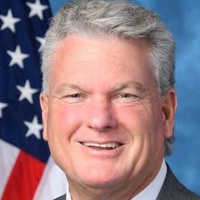
Mike Collins
Representative
GA
Mike Collins
Representative
GA
The SAFE for America Act of 2025 eliminates the Diversity Visa Program, which makes visas available to persons from countries with low rates of immigration to the United States. This is achieved through repealing subsection (c) of Section 203 of the Immigration and Nationality Act. The Act also makes corresponding technical amendments to other sections of the Immigration and Nationality Act to reflect this change. These changes would take effect beginning October 1, 2025.
The "Hire Veterans Act" establishes a pilot program to help veterans find jobs within Federal land management agencies by assessing their skills and providing training for potential noncompetitive appointments.
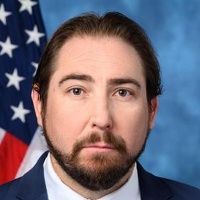
Eli Crane
Representative
AZ
Eli Crane
Representative
AZ
The "Hire Veterans Act" establishes a pilot program to help veterans find jobs within Federal land management agencies. This program includes skills assessments, training, and potential noncompetitive appointments for veterans. The goal is to match veterans' skills with positions in areas like outdoor recreation and firefighting, while also requiring annual reports to Congress on the program's progress. The program will last for five years.
Prohibits banks and credit card companies from using specific codes that identify gun and ammunition stores.
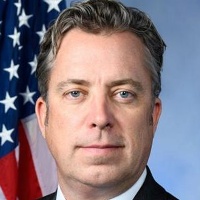
Andrew Ogles
Representative
TN
Andrew Ogles
Representative
TN
The "Protecting the Second Amendment in Financial Services Act" prevents banks and credit card companies from using specific merchant codes that would identify businesses selling firearms or ammunition. This ensures that financial institutions cannot track or discriminate against legal firearm-related transactions.