
Legislative Activity
Track Paul's sponsored bills, co-sponsored legislation, and voting record
Prohibits federal funding for disinformation research grants and related programs.
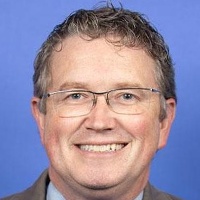
Thomas Massie
Representative
KY
Thomas Massie
Representative
KY
This bill prohibits federal funds from being used for disinformation research grants. It also blocks funding for Secure and Trustworthy Cyberspace grants. Additionally, the bill defunds programs within the National Science Foundation's Track F: Trust and Authenticity in Communications Systems.
Repeals the Impoundment Control Act of 1974, eliminating congressional oversight of presidential decisions to withhold funds.
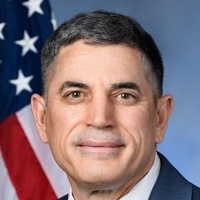
Andrew Clyde
Representative
GA
Andrew Clyde
Representative
GA
This bill repeals the Impoundment Control Act of 1974, eliminating the requirements for the President to report to Congress on decisions to withhold or delay spending of appropriated funds. This removes the process by which Congress can approve or disapprove of these presidential actions.
This bill prohibits unauthorized workers' wages and self-employment income from being used to calculate Social Security benefits.
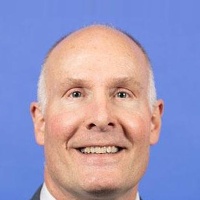
John Moolenaar
Representative
MI
John Moolenaar
Representative
MI
The "No Social Security for Illegal Aliens Act of 2025" amends the Social Security Act to exclude wages and self-employment income earned by unauthorized aliens in the U.S. from being used to calculate Social Security benefits. This change applies to income earned both before, on, and after the law's enactment, with benefit adjustments taking effect after enactment. The Social Security Administration will recalculate insurance amounts to reflect these changes.
This bill restricts federal funds to non-profits that fail to certify compliance with laws against human trafficking and alien smuggling, and directs the Department of Homeland Security to develop strategies to combat these issues.
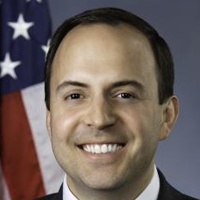
Lance Gooden
Representative
TX
Lance Gooden
Representative
TX
The "Protecting Federal Funds from Human Trafficking and Smuggling Act of 2025" restricts federal funding to non-profit organizations that do not certify compliance with federal laws on human trafficking, alien smuggling, fraud, and bribery. It also directs the Secretary of Homeland Security to develop strategies and best practices for non-profits to comply with federal law, detect and report violations, and improve cooperation with law enforcement. Additionally, the Comptroller General is required to report to Congress on any violations by non-profit entities.
This bill creates a 20-year demonstration project waiving certain Social Security disability benefit rules for blind Americans to encourage their return to work.
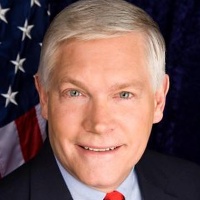
Pete Sessions
Representative
TX
Pete Sessions
Representative
TX
The Blind Americans Return to Work Act of 2025 initiates a 20-year demonstration project aimed at helping blind Americans receiving Social Security disability benefits return to work. For the first 10 years, eligibility for benefits will be determined without considering substantial gainful activity, and benefits will be reduced based on earnings above a set amount, incentivizing employment without immediate loss of support. The project waives certain benefit requirements to facilitate successful employment, with participants having the option to opt out after the initial 10-year period. This act aims to support blind individuals in their transition back to the workforce while maintaining a safety net.
The "Freedom to Invest in Tomorrow's Workforce Act" expands the use of 529 savings accounts to cover expenses related to postsecondary credentialing programs, including tuition, fees, books, supplies, equipment, and testing fees.

Robert Wittman
Representative
VA
Robert Wittman
Representative
VA
The "Freedom to Invest in Tomorrow's Workforce Act" amends Section 529 savings accounts to include expenses related to postsecondary credentialing programs. This allows 529 funds to cover costs like tuition, fees, books, supplies, and testing fees for recognized programs and credentials, as defined by the bill. These changes would apply to distributions made after the bill is enacted.
Repeals a mandate requiring kill switches in cars.
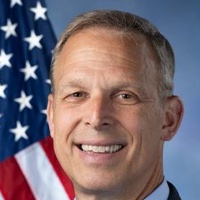
Scott Perry
Representative
PA
Scott Perry
Representative
PA
The "No Kill Switches in Cars Act" repeals a section of the Infrastructure Investment and Jobs Act. The repealed section required the Department of Transportation to create a rule mandating that all new cars have advanced drunk and impaired driving prevention technology. This bill prohibits the government from requiring car manufacturers to install kill switches in vehicles.
This proposed constitutional amendment would base the apportionment of U.S. House of Representatives seats on the number of U.S. citizens in each state rather than the total population.
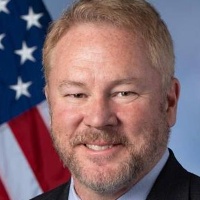
Warren Davidson
Representative
OH
Warren Davidson
Representative
OH
This proposed constitutional amendment would change how seats in the U.S. House of Representatives are apportioned among the states. Instead of using total population, the amendment mandates that representation be based solely on the number of U.S. citizens residing in each state.
The PLCAA Federal Jurisdiction Act allows firearm manufacturers, sellers, and trade associations to remove certain state-level civil lawsuits to federal court for potential dismissal.
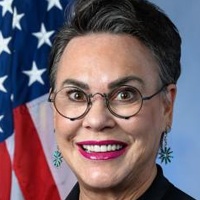
Harriet Hageman
Representative
WY
Harriet Hageman
Representative
WY
The PLCAA Federal Jurisdiction Act allows firearm manufacturers, sellers, and trade associations to remove certain state-level civil lawsuits to federal court. Once moved, federal courts are authorized to review these cases and dismiss those that qualify as protected civil liability actions under existing law.
The Senior Citizens Tax Elimination Act proposes to repeal federal income taxes on Social Security benefits while ensuring the Social Security and Railroad Retirement trust funds remain fully funded.
Thomas Massie
Representative
KY
Thomas Massie
Representative
KY
The Senior Citizens Tax Elimination Act proposes to repeal federal income taxes on Social Security benefits, ensuring these payments are no longer counted as gross income. To protect the financial stability of the Social Security and Railroad Retirement programs, the bill mandates automatic federal appropriations to offset any resulting revenue loss.
The Fair Access to Banking Act prohibits large financial institutions and payment networks from denying services to law-abiding businesses based on subjective, non-financial, or political criteria.
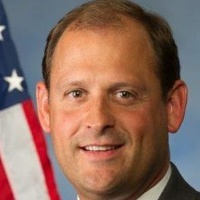
Garland Barr
Representative
KY
Garland Barr
Representative
KY
The Fair Access to Banking Act prohibits large financial institutions and payment networks from denying services to law-abiding businesses based on subjective, politically motivated, or reputational criteria. The bill mandates that financial institutions use impartial, quantitative, risk-based standards to evaluate customers rather than category-based exclusions. To ensure compliance, the legislation establishes enforcement mechanisms through federal regulators and provides a legal pathway for businesses to sue for damages if they are unfairly denied access to financial services.
This bill mandates the reinstatement of cancelled mineral leases and streamlines the regulatory review process for mining operations within the Superior National Forest in Minnesota.
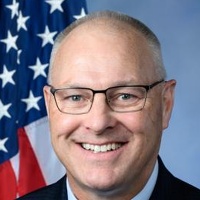
Pete Stauber
Representative
MN
Pete Stauber
Representative
MN
The Superior National Forest Restoration Act of 2025 seeks to reopen federal lands in Minnesota to mineral leasing by rescinding previous withdrawal orders and mandating the reissuance of cancelled mineral leases. The bill also establishes strict 18-month timelines for the federal government to complete environmental and regulatory reviews for new mine plans. Additionally, it directs the immediate issuance of preference right leases for previously rejected applications to facilitate mineral exploration and development.
The PATROL Act prevents the federal government from using the Rivers and Harbors Act of 1899 to legally challenge state-led efforts to construct physical border barriers.
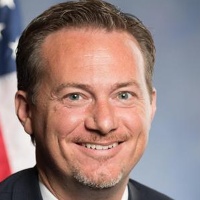
Michael Cloud
Representative
TX
Michael Cloud
Representative
TX
The PATROL Act (Preventing Aliens Through Rivers or Land Act) prohibits the federal government from using the Rivers and Harbors Act of 1899 to legally challenge states that construct physical barriers along their international borders. This legislation aims to protect state-led border security initiatives, such as walls, fences, or floating buoys, from federal civil lawsuits.
The Dismantle DEI Act of 2025 immediately rescinds federal diversity, equity, and inclusion (DEI) mandates across executive offices, contracting, grants, and education, while banning related training and imposing penalties for non-compliance.
Michael Cloud
Representative
TX
Michael Cloud
Representative
TX
The Dismantle DEI Act of 2025 aims to immediately rescind diversity, equity, and inclusion (DEI) mandates across the federal government, including shutting down related offices and banning specific ideological training for federal personnel and contractors. The bill prohibits the use of federal funds for DEI activities by grant recipients and mandates that federal advisory committees cease all such practices or face termination. Furthermore, it establishes strong enforcement mechanisms, allowing individuals to sue violators and seek financial penalties for non-compliance.
This bill prohibits state and local governments from imposing special taxes, insurance requirements, or user fees as a condition for the ownership, manufacture, or transfer of firearms and ammunition.
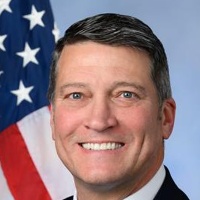
Ronny Jackson
Representative
TX
Ronny Jackson
Representative
TX
The "No User Fees for Gun Owners Act" prohibits state and local governments from imposing special taxes, insurance requirements, or user fees as a condition for owning, manufacturing, or transferring firearms and ammunition. The bill ensures that firearms are only subject to standard, generally applicable sales taxes, preventing discriminatory financial barriers to gun ownership.
This bill directs the Secretary of State to designate specific Mexican drug cartels as foreign terrorist organizations and requires a formal report on their eligibility for such a designation.
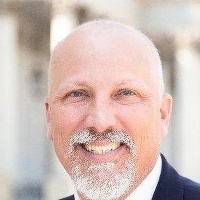
Chip Roy
Representative
TX
Chip Roy
Representative
TX
The Drug Cartel Terrorist Designation Act directs the Secretary of State to designate four major Mexican drug cartels as foreign terrorist organizations. The bill mandates a comprehensive report to Congress evaluating these groups against federal terrorism criteria and requires the designation of any additional cartels that meet these standards. It also clarifies that these designations do not expand asylum eligibility for individuals.
The SHUSH Act removes firearm silencers from the definition of "firearms" under federal law, eliminating the associated taxes, registration requirements, and state-level restrictions.
Michael Cloud
Representative
TX
Michael Cloud
Representative
TX
The SHUSH Act (Silencers Help Us Save Hearing Act) removes firearm silencers from the definition of "firearms" under federal law, effectively eliminating the associated registration requirements, transfer taxes, and federal restrictions. The bill also preempts state and local laws that impose specific regulations on silencers and removes enhanced criminal penalties related to their use.
This bill mandates the termination of the U.S. Department of Education effective December 31, 2026.
Thomas Massie
Representative
KY
Thomas Massie
Representative
KY
This bill proposes the complete termination of the United States Department of Education. If enacted, the agency would be officially dissolved on December 31, 2026.
This bill mandates that TRICARE reimbursement rates be adjusted based on the specific location of care and requires the Secretary of Defense to utilize the lowest authorized payment rate.
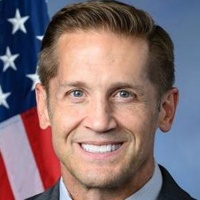
Rich McCormick
Representative
GA
Rich McCormick
Representative
GA
This bill updates the TRICARE reimbursement system to ensure that payment rates for medical services are adjusted based on the specific type and location of the facility where care is provided. It mandates that the Secretary of Defense utilize the lowest authorized rate when multiple options are available and requires providers to include location-specific identifiers on all claims. These changes are scheduled to take effect on January 1, 2026.
The Personalized Care Act of 2025 expands Health Savings Account (HSA) eligibility and contribution limits, allows HSA funds to cover insurance premiums and direct primary care fees, and reduces penalties for nonqualified distributions.
Chip Roy
Representative
TX
Chip Roy
Representative
TX
The Personalized Care Act of 2025 expands Health Savings Account (HSA) access by removing the high-deductible health plan requirement and significantly increasing annual contribution limits. The bill also broadens the scope of qualified medical expenses to include insurance premiums and direct primary care fees, while lowering the tax penalty for nonqualified distributions. These reforms aim to provide individuals with greater flexibility and control over their personal healthcare spending.