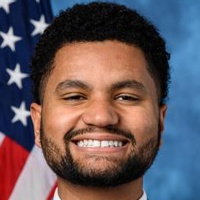
Legislative Activity
Track Maxwell's sponsored bills, co-sponsored legislation, and voting record
This act mandates Medicare coverage for FDA-approved early detection screening tests for Alzheimer's disease and related dementias beginning in 2028.
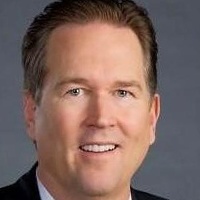
Vern Buchanan
Representative
FL
Vern Buchanan
Representative
FL
The Alzheimer’s Screening and Prevention Act of 2025 (ASAP Act) amends Medicare to cover early detection screening tests for Alzheimer's disease and related dementias starting in 2028. This coverage applies to FDA-cleared tests, including genomic sequencing and other equivalent diagnostic methods, designed to detect pre-symptomatic or early-stage conditions. The bill ensures these screenings are added to the list of covered medical services under Medicare.
This act repeals specific sections of a prior reconciliation act to restore previous laws affecting American families and farmers.
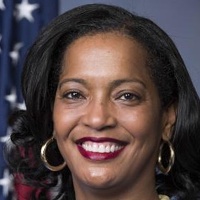
Jahana Hayes
Representative
CT
Jahana Hayes
Representative
CT
The Restoring Food Security for American Families and Farmers Act of 2025 aims to strengthen domestic food security by repealing specific sections of a prior reconciliation act. This action effectively revives the original laws that were previously amended by the repealed provisions. The bill seeks to revert existing agricultural and food-related statutes to their pre-amendment status.
This bill restricts the acceptance of donations for projects related to the President or Vice President from individuals or entities with conflicts of interest, mandates transparency for donors, and establishes civil and criminal penalties for violations.
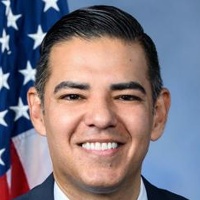
Robert Garcia
Representative
CA
Robert Garcia
Representative
CA
The Stop Ballroom Bribery Act establishes strict new rules governing donations made for projects related to the White House, Vice President's residence, or related federal monuments. It prohibits accepting donations from individuals or entities currently involved in litigation, seeking federal contracts, or engaging in lobbying activities targeting the executive branch. Furthermore, the bill mandates transparency by requiring disclosure of meetings with high-ranking officials following a donation and imposes significant civil and criminal penalties for violations.
This bill establishes a permanent Special Envoy for the Human Rights of LGBTQI+ Peoples within the Department of State to advance U.S. policy countering global criminalization, violence, and discrimination against LGBTQI+ individuals.
Robert Garcia
Representative
CA
Robert Garcia
Representative
CA
This bill, the International Human Rights Defense Act of 2025, establishes a permanent Special Envoy for the Human Rights of LGBTQI+ Peoples within the Department of State. It codifies U.S. policy to actively combat international criminalization, violence, and discrimination against LGBTQI+ individuals worldwide. The legislation also mandates enhanced reporting on these abuses in annual human rights reports and authorizes assistance to support related protection efforts abroad.
This act repeals Senate notification requirements related to legal processes concerning Senate data and mandates the disgorgement of any funds awarded to Senators under the repealed provisions.
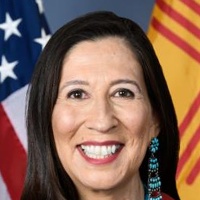
Teresa Leger Fernandez
Representative
NM
Teresa Leger Fernandez
Representative
NM
The No Payola Act repeals existing Senate notification requirements concerning legal processes related to the disclosure of Senate data. Furthermore, it mandates that any Senator who received funds through a private right of action under the repealed law must return those awarded funds to the Treasury.
This resolution calls for the U.S. to recognize the genocide of Palestinians in Gaza and immediately halt military aid to Israel while supporting international accountability measures.
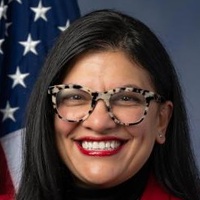
Rashida Tlaib
Representative
MI
Rashida Tlaib
Representative
MI
This resolution expresses the sense of Congress that the United States officially recognizes the State of Israel has committed genocide against the Palestinian people in Gaza. It details extensive evidence supporting this finding, including mass casualties, systematic destruction of infrastructure, and severe humanitarian crisis. Consequently, the bill calls for the immediate halt of all U.S. military and financial assistance to Israel until compliance with international court orders is verified. Furthermore, it demands the U.S. use its leverage to support international investigations and ensure robust funding for humanitarian aid through UNRWA.
The VA Work-Study Improvement Act expands eligible work-study activities, clarifies minimum wage standards, mandates electronic timesheets, and requires annual publication of program data.
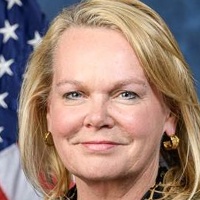
April McClain Delaney
Representative
MD
April McClain Delaney
Representative
MD
The VA Work-Study Improvement Act expands approved work-study locations to include state/local government agencies and nonprofits that benefit veterans. It establishes a clear standard for the minimum hourly wage paid to participants and mandates the use of electronic timesheets. Furthermore, the bill requires the VA to annually publish detailed data regarding the work-study program's activities and participants.
This bill prohibits the Secretary of Health and Human Services from implementing the Wasteful and Inappropriate Services Reduction (WISeR) Model under Medicare.
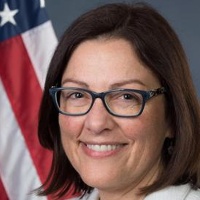
Suzan DelBene
Representative
WA
Suzan DelBene
Representative
WA
The Seniors Deserve SMARTER Care Act of 2025 prohibits the Secretary of Health and Human Services from implementing the Wasteful and Inappropriate Services Reduction (WISeR) Model under Medicare. This legislation specifically blocks the implementation of the prior authorization requirements associated with the WISeR Model. The goal is to prevent the adoption of this particular payment and service delivery model.
This resolution supports the goals of National Domestic Violence Awareness Month, highlights the pervasive and devastating impact of intimate partner violence across all demographics, and calls for increased funding for prevention and support programs.
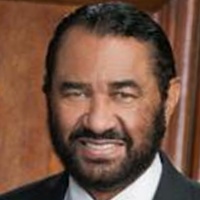
Al Green
Representative
TX
Al Green
Representative
TX
This resolution designates October as National Domestic Violence Awareness Month to highlight the widespread and devastating impact of intimate partner violence across all demographics. It recognizes the urgent need to eliminate domestic violence and supports increased funding for intervention and prevention programs. The resolution underscores the severe physical, emotional, and economic toll this abuse takes on individuals, families, and communities.
This resolution expresses support for recognizing October 26, 2025, as Intersex Awareness Day and advocates for the bodily autonomy and human rights of intersex individuals, particularly by opposing nonconsensual early medical interventions.
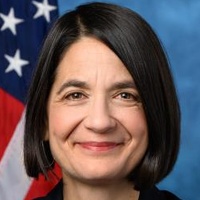
Becca Balint
Representative
VT
Becca Balint
Representative
VT
This resolution expresses the House's support for recognizing October 26th as Intersex Awareness Day and affirms the goals of the observance. It highlights the reality of natural variations in sex characteristics and strongly condemns nonconsensual, irreversible medical procedures performed on intersex infants and children. The bill encourages federal, state, and local entities to promote awareness, ensure culturally sensitive healthcare, and prioritize the bodily autonomy and human rights of intersex individuals.
This resolution demands the President swiftly provide the House with unredacted communications regarding agency messaging during a potential government shutdown and alleged violations of federal employee political activity rules.
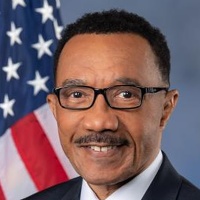
Kweisi Mfume
Representative
MD
Kweisi Mfume
Representative
MD
This resolution is an official request from the House of Representatives demanding the President promptly transmit specific documents related to government communications during a funding lapse. Congress seeks records detailing directives from the OMB and messaging used by agencies like HUD and Education that explicitly blamed political opponents for a potential shutdown. The inquiry also requires information on whether these communications potentially violated federal rules regarding political activity by government employees.
The FALCON Act of 2025 mandates that federal employees, contractors, and grant recipients cooperate with Inspector General requests for information within 60 days or face administrative discipline.
Robert Garcia
Representative
CA
Robert Garcia
Representative
CA
The FALCON Act of 2025 mandates that federal employees, contractors, and grant recipients must cooperate with requests from an agency's Inspector General (IG) within 60 days. Failure to comply can result in administrative discipline for employees or adverse actions for contractors, as determined by the agency head. The IG must report any non-compliance to Congress and the relevant agency head within 30 days of determination. This legislation strengthens oversight by ensuring timely access to information for internal watchdogs.
The BALL Act prohibits the use of federal funds for any construction or renovation at the White House or its grounds during a lapse in appropriations, except for essential health and safety repairs.
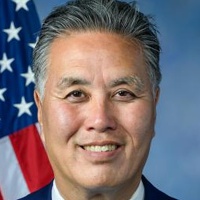
Mark Takano
Representative
CA
Mark Takano
Representative
CA
The BALL Act, or White House Building Activities Locked-out in Lapse Act, prohibits the use of federal funds for any construction or renovation projects at the White House or its grounds during a government shutdown caused by a lapse in appropriations. This spending ban remains in effect until new funding is enacted. The only exception allows for work deemed immediately necessary for health or safety reasons.
This bill prohibits placing names, logos, or endorsements inside or on White House property without explicit approval from the Speaker and Minority Leader of the House.
Mark Takano
Representative
CA
Mark Takano
Representative
CA
This bill, the White House NOT FOR SALE Act, prohibits placing any individual's or organization's name on permanent or semi-permanent displays within the White House or its grounds without express approval from both the Speaker and Minority Leader of the House. This approval process requires consultation with the White House Curator and the Committee for the Preservation of the White House. However, displays that qualify as "commemorative works" are governed by existing federal law instead.
This act permanently establishes the structure and staffing of the Office of Head Start to ensure continued comprehensive support for eligible children and families.
Teresa Leger Fernandez
Representative
NM
Teresa Leger Fernandez
Representative
NM
The Every Child Deserves a Head Start Act of 2025 aims to solidify the foundational support for the Head Start program, recognizing its vital role in early childhood development. This bill permanently establishes the structure and staffing levels of the Office of Head Start, including its 12 regional offices, as they existed before January 20, 2025. The legislation strictly limits the Secretary of Health and Human Services from altering this established structure or reducing staff without specific Congressional notification procedures. Ultimately, the Act ensures the consistent delivery of essential educational and support services to eligible children and families nationwide.
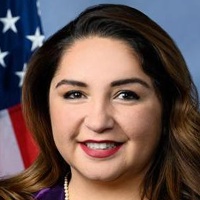
This resolution honors the memory of Wadee Alfayoumi, a young Palestinian-American murder victim of a hate crime, and condemns all acts of discrimination and violence based on ethnicity or religion in Illinois.
Delia Ramirez
Representative
IL
Delia Ramirez
Representative
IL
This resolution honors the memory of Wadee Alfayoumi, a 6-year-old Palestinian-American boy murdered in a hate crime in Illinois. It strongly condemns all hate crimes and discrimination based on ethnicity or religion. The measure also recognizes the significant contributions of the Palestinian community to the United States. Finally, it calls for an end to hateful rhetoric and violence against all children globally.
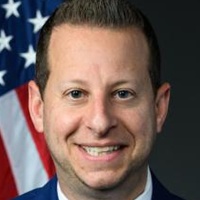
This bill mandates that the House of Representatives convene daily during a government shutdown, requiring recorded quorum calls with fines for non-attendance.
Jared Moskowitz
Representative
FL
Jared Moskowitz
Representative
FL
This bill mandates that the House of Representatives must convene daily during a government shutdown, limiting their ability to adjourn. It requires recorded quorum calls on session days, imposing escalating fines on members who fail to check in electronically for two consecutive days. These fines must be paid by the member personally, with procedures established for appeals and automatic salary deduction for non-payment.
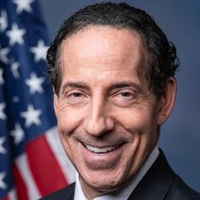
This resolution expresses deep concern over the surge in book banning and threats to free expression, urging the immediate restoration of removed materials in federal schools and the repeal of restrictive directives.
Jamie Raskin
Representative
MD
Jamie Raskin
Representative
MD
This resolution expresses deep concern over the growing trend of book banning and threats to freedom of expression in U.S. schools and libraries. It asserts that such censorship undermines democratic values and harms students by restricting access to diverse ideas and histories. The bill urges local entities to follow best practices for book challenges and calls for the immediate reinstatement of books removed from Department of Defense schools. Ultimately, it reaffirms the nation's commitment to First Amendment rights and the freedom to read.
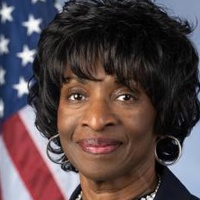
This Act establishes the National Gun Violence Research Program to fund comprehensive research, repeal data restrictions, and coordinate federal efforts to study and prevent gun violence.
Valerie Foushee
Representative
NC
Valerie Foushee
Representative
NC
The National Gun Violence Research Act of 2025 aims to significantly increase federal research into the causes, consequences, and prevention of gun violence. This bill repeals previous restrictions that limited data collection and research by agencies like the ATF, CDC, and NIH. It establishes a new National Gun Violence Research Program to coordinate efforts, fund grants through agencies like the NSF and HHS, and develop voluntary safety standards through NIST.
The Child Care for Every Community Act establishes a national framework to guarantee universal access to high-quality, regulated early learning programs with mandated national standards and comparable pay for staff.
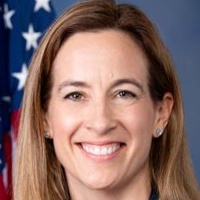
Mikie Sherrill
Representative
NJ
Mikie Sherrill
Representative
NJ
The Child Care for Every Community Act establishes a national framework to guarantee universal access to high-quality, regulated child care and early learning programs for every young child. It mandates federal standards for quality, ensures child care staff receive pay comparable to K-12 employees, and requires local coordination with school systems. Furthermore, the bill protects existing state funding levels and caps family fees based on income.