Legislative Activity
Track Brian's sponsored bills, co-sponsored legislation, and voting record
This Act expands federal funding flexibility and increases the federal share for highway safety projects specifically designed to protect pedestrians and bicyclists.
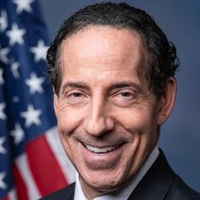
Jamie Raskin
Representative
MD
Jamie Raskin
Representative
MD
The Sarah Debbink Langenkamp Active Transportation Safety Act updates the Highway Safety Improvement Program to prioritize safety for pedestrians and cyclists. This bill allows federal funding to cover up to 100% of the cost for projects that connect existing bike/pedestrian infrastructure or reduce risks for vulnerable road users. It also provides flexibility for states to use existing safety funds as matching money for these specific upgrades.
The Choice in Affordable Housing Act of 2025 aims to increase landlord participation in the Housing Choice Voucher program, particularly in high-opportunity areas, through new financial incentives and streamlined quality inspections.
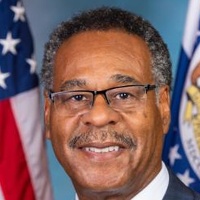
Emanuel Cleaver
Representative
MO
Emanuel Cleaver
Representative
MO
The Choice in Affordable Housing Act of 2025 aims to increase landlord participation in the Housing Choice Voucher (Section 8) program, especially in high-opportunity neighborhoods. It establishes new financial incentives for landlords, streamlines housing quality inspections, and mandates the use of localized fair market rents for voucher calculations. The Act also requires annual reporting on its effectiveness in expanding housing choice for voucher holders.
This Act promotes the adoption of precision agriculture by establishing voluntary, trusted interconnectivity standards for farm technology, while also requiring regular assessments of those standards by the GAO.
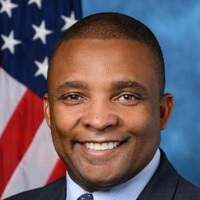
Donald Davis
Representative
NC
Donald Davis
Representative
NC
The Promoting Precision Agriculture Act aims to boost the adoption of high-tech farming methods across the U.S. It directs the Secretary of Agriculture to establish voluntary standards for interconnectivity among precision agriculture equipment, developed in consultation with industry and focused on efficiency and cybersecurity. The bill also mandates periodic reviews by the GAO to assess the effectiveness and voluntary nature of these developing standards.
The American Teacher Act establishes federal grants to incentivize states to set a minimum annual teacher salary of $60,000 and provide inflation adjustments for teacher pay.
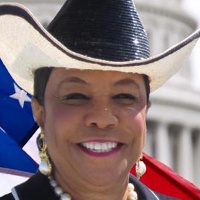
Frederica Wilson
Representative
FL
Frederica Wilson
Representative
FL
The American Teacher Act aims to address critical teacher shortages by establishing federal grants to help states raise the minimum annual salary for full-time teachers to \$60,000, adjusted for inflation. States must submit sustainability plans to ensure these minimums continue after the initial four-year grant period ends. The bill also provides funds for cost-of-living adjustments and a national campaign to enhance the value and diversity of the teaching profession.
This Act resets the probationary period for certain federal employees unfairly separated between January 20, 2025, and January 20, 2029, by crediting them for time already served.
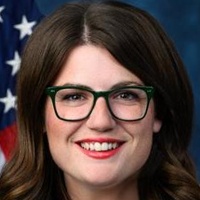
Sarah Elfreth
Representative
MD
Sarah Elfreth
Representative
MD
The Protect Our Probationary Employees Act resets the probationary period for certain federal employees who were involuntarily separated between January 20, 2025, and January 20, 2029. If these employees are rehired into a similar role at the same agency, their new probationary period will be reduced by the time they already served previously. This provision is temporary and will expire on January 20, 2029.
The TREAT PTSD Act mandates the Department of Veterans Affairs and TRICARE to provide stellate ganglion block (SGB) for veterans and active service members diagnosed with PTSD, and requires updating clinical guidelines to include SGB as a therapy option.
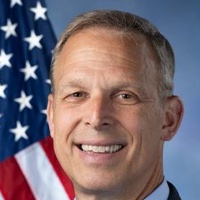
Scott Perry
Representative
PA
Scott Perry
Representative
PA
The TREAT PTSD Act mandates the Department of Veterans Affairs and the Department of Defense to provide stellate ganglion block (SGB) to veterans and members of the Armed Forces diagnosed with PTSD who elect to receive it after being fully informed of its risks and benefits. It allows the treatment to be furnished through VA or military medical facilities, or qualified healthcare providers. The bill also requires updating the VADOD Clinical Practice Guideline for PTSD management to include SGB as a therapy option.
This act modernizes wildfire safety by investing in firefighter training and support, enhancing public health warnings for smoke exposure, and advancing mitigation technology and disaster recovery programs.
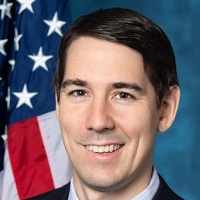
Josh Harder
Representative
CA
Josh Harder
Representative
CA
The Modernizing Wildfire Safety and Prevention Act of 2025 is a comprehensive bill designed to bolster the nation's wildfire response capabilities. It focuses on increasing the skilled workforce through new training academies and grants, improving federal firefighter support and retirement benefits, and enhancing public health protections against wildfire smoke via a new national alert system. Finally, the Act streamlines disaster recovery aid and advances predictive technology through centralized risk mapping and data centers.
The BAH Restoration Act ensures that uniformed service members receive a basic housing allowance that covers the full cost of adequate housing based on location, pay grade, and dependency status.
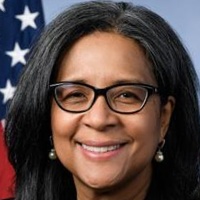
Marilyn Strickland
Representative
WA
Marilyn Strickland
Representative
WA
The BAH Restoration Act aims to restore the Basic Allowance for Housing (BAH) to cover 100% of service members' housing costs. This will be done by amending title 37 of the United States Code, ensuring that the monthly BAH is equivalent to the determined monthly cost of adequate housing based on pay grade, dependency status, and location. The Secretary of Defense will determine the specific housing costs in each area.
This bill establishes federal civil and criminal penalties for sharing non-consensual, digitally altered intimate images (deepfakes) of identifiable individuals.
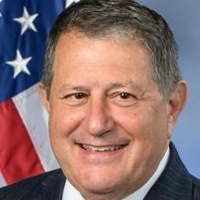
Joseph Morelle
Representative
NY
Joseph Morelle
Representative
NY
The Preventing Deepfakes of Intimate Images Act establishes a federal civil right of action allowing victims to sue those who share non-consensual, intimate digital depictions (deepfakes) of them, providing for significant monetary damages and court orders. Additionally, the bill creates a new federal crime for sharing or threatening to share such images with intent to harass or cause harm, carrying penalties up to ten years in prison for serious offenses. The law strictly defines consent and intimate depictions, while offering limited liability protections to online service providers who cooperate in removing the content.
The Rural Wellness Act prioritizes and extends support for behavioral and mental health treatment services in rural development programs through 2029.
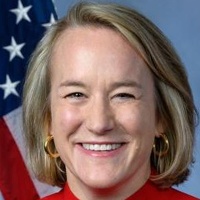
Nicole (Nikki) Budzinski
Representative
IL
Nicole (Nikki) Budzinski
Representative
IL
The Rural Wellness Act extends provisions from the Agriculture Improvement Act of 2018 to 2029, adjusting specific allocation timelines. It prioritizes rural development program grants for projects that include behavioral and mental health treatment services. This prioritization includes facilities for prevention, treatment, or recovery and applicants focusing on behavioral and mental health education.
This bill increases the annual stipend for educational costs for veterans under the Post-9/11 Educational Assistance Program and adjusts it annually for inflation.
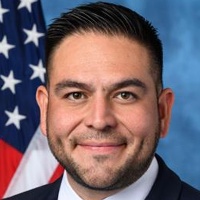
Gabriel (Gabe) Vasquez
Representative
NM
Gabriel (Gabe) Vasquez
Representative
NM
The Veteran Education Assistance Adjustment Act increases the annual stipend for books, supplies, and equipment for veterans under the Post-9/11 Educational Assistance Program from $1,000 to $1,400. Beginning in 2026, this stipend will be subject to annual increases based on the Consumer Price Index.
The "DELIVER Act of 2025" increases the standard mileage rate for delivering meals to elderly, disabled, frail, and at-risk individuals, aligning it with the standard rate used for business and investment-related travel.
Joseph Morelle
Representative
NY
Joseph Morelle
Representative
NY
The DELIVER Act of 2025 increases the standard mileage rate for delivering meals to elderly, disabled, frail, and at-risk individuals. This adjustment aligns the rate with the standard mileage rate used for business and medical expenses, providing volunteers with increased reimbursement for their services. This change aims to encourage volunteer engagement and support programs that deliver meals to vulnerable populations.
This bill establishes permanent, higher base pay rates, incident response premium pay, and mandatory rest and recuperation leave for federal wildland firefighters.
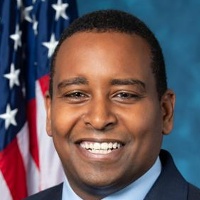
Joe Neguse
Representative
CO
Joe Neguse
Representative
CO
The Wildland Firefighter Paycheck Protection Act of 2025 establishes permanent, higher base pay rates for federal wildland firefighters based on their GS grade. It also creates a significant daily premium pay bonus for time spent responding to qualifying wildfire incidents. Finally, the bill mandates new paid rest and recuperation leave for firefighters following deployment to ensure proper recovery.
This Act requires the Department of Defense to seek stricter stormwater discharge permits mandating quarterly PFAS testing and cleanup actions at its facilities, dedicating at least 1% of annual PFAS cleanup funds to this testing.
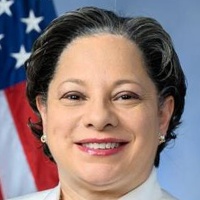
Jennifer McClellan
Representative
VA
Jennifer McClellan
Representative
VA
This Act mandates that the Department of Defense (DoD) immediately seek to update its stormwater discharge permits to require quarterly testing for PFAS chemicals at all facilities. Furthermore, the DoD must implement necessary cleanup measures to reduce these discharges. At least one percent of annual PFAS cleanup funding must be dedicated specifically to this required stormwater testing.
The HERO Act establishes a national data system for tracking public safety officer suicides, funds peer-support mental health programs for fire and EMS personnel, supports wellness programs for healthcare providers, and develops educational resources and best practices for treating first responder mental health issues.
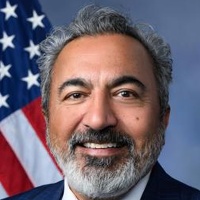
Ami Bera
Representative
CA
Ami Bera
Representative
CA
The HERO Act establishes a national system to track suicides among public safety officers to better understand prevention needs. It also creates grant programs to fund peer-support and wellness programs for fire, EMS, and healthcare workers. Finally, the bill mandates the development of educational resources to improve mental health treatment for first responders dealing with trauma and PTSD.
The "Flooding Prevention, Assessment, and Restoration Act" enhances watershed protection, mandates a national agricultural flood vulnerability study, and increases federal cost share for rehabilitation projects.
Donald Davis
Representative
NC
Donald Davis
Representative
NC
The "Flooding Prevention, Assessment, and Restoration Act" enhances watershed protection measures, mandates a national study on agricultural flood vulnerability, and increases federal cost share to 90% for rehabilitation projects, improving long-term watershed health and reducing flood risks to agriculture.
This act excludes certain government or utility rebates received for water conservation, storm water, and wastewater management home improvements from taxable income.
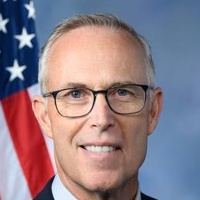
Jared Huffman
Representative
CA
Jared Huffman
Representative
CA
The Water Conservation Rebate Tax Parity Act expands the current tax exclusion for energy efficiency subsidies to include payments received for making homes more water-efficient. This means that rebates from utilities or governments for installing water, storm water, or wastewater management improvements will generally not be counted as taxable income. The bill clarifies which types of improvements qualify and which entities can provide these tax-free subsidies. These changes apply to subsidies received after December 31, 2021.
The Richard L. Trumka Protecting the Right to Organize Act of 2025 strengthens protections for workers' rights to organize and collectively bargain by modernizing labor laws, addressing unfair labor practices, and enhancing enforcement mechanisms.
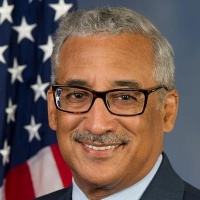
Robert Scott
Representative
VA
Robert Scott
Representative
VA
This bill, the Richard L. Trumka Protecting the Right to Organize Act of 2025, seeks to amend the National Labor Relations Act and other labor laws to strengthen protections for workers' rights to organize and collectively bargain. It aims to modernize labor regulations by clarifying definitions, addressing unfair labor practices, enhancing enforcement, and increasing transparency in labor-management relations. The bill introduces measures such as electronic voting in union elections, strengthens whistleblower protections, and mandates studies on collective bargaining practices. Ultimately, the goal is to ensure fair treatment of workers and promote equitable labor practices.
This bill reinstates the pre-American Rescue Plan Act threshold for third-party payment networks to report gig economy earnings to the IRS, requiring both over $20,000 in payments and over 200 transactions.
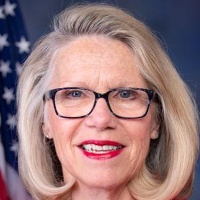
Carol Miller
Representative
WV
Carol Miller
Representative
WV
The Saving Gig Economy Taxpayers Act seeks to reinstate the previous, higher reporting thresholds for third-party payment processors issuing Form 1099-K. This means payment networks will only be required to report earnings to the IRS if a user exceeds both a \$20,000 total payment amount and 200 separate transactions in a calendar year. Furthermore, the bill applies this "de minimis" standard to backup withholding rules for these network payments starting in 2025.
This bill expands access to mental health services for Medicare beneficiaries by removing in-person requirements for telehealth.
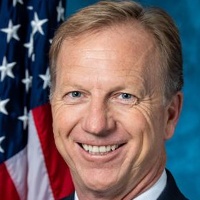
Kevin Hern
Representative
OK
Kevin Hern
Representative
OK
This bill amends Title XVIII of the Social Security Act to eliminate in-person requirements for Medicare beneficiaries receiving mental health services through telehealth. It removes geographic restrictions for telehealth services related to substance use disorders and mental health disorders. Additionally, it allows rural health clinics and federally qualified health centers to continue providing mental health services via telehealth without time restrictions.