Legislative Activity
Track Brian's sponsored bills, co-sponsored legislation, and voting record
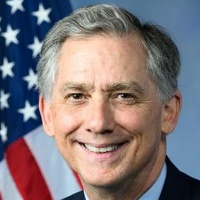
This bill postpones tax deadlines and provides refunds or abatement of penalties for U.S. nationals held hostage or wrongfully detained abroad, and their spouses.
J. Hill
Representative
AR
J. Hill
Representative
AR
The "Stop Tax Penalties on American Hostages Act of 2025" postpones tax deadlines and waives penalties for U.S. nationals held hostage or wrongfully detained abroad, including their spouses, by disregarding the period of detention when determining tax liabilities. It requires the Secretary of State and the Attorney General to identify affected individuals and inform the Secretary of the Treasury. The Secretary of the Treasury will establish a program for eligible individuals to apply for a refund or abatement of penalties and fines related to the "applicable period" from January 1, 2021, to the date this law is enacted. This ensures that those who have been held hostage or wrongfully detained are not penalized for their inability to meet tax obligations during their captivity.
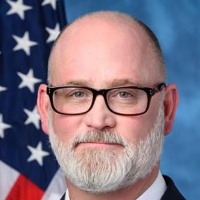
The TAP Promotion Act mandates a standardized, one-hour presentation on available VA benefits during mandatory preseparation counseling for service members.
Derrick Van Orden
Representative
WI
Derrick Van Orden
Representative
WI
The TAP Promotion Act mandates a standardized, one-hour presentation on available VA benefits during mandatory preseparation counseling for service members. This presentation must be developed and approved by the Secretary of Veterans Affairs in consultation with recognized Veterans Service Organizations (VSOs). The goal is to ensure separating service members are fully informed of their entitlements and how VSOs can assist with filing claims.
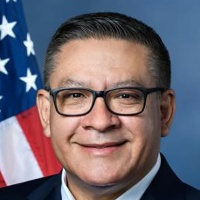
The Child Care Workforce Act aims to improve child care quality and affordability by increasing child care worker wages through a pilot grant program for States, Indian Tribes, and Tribal organizations.
Salud Carbajal
Representative
CA
Salud Carbajal
Representative
CA
The Child Care Workforce Act aims to improve child care quality and affordability by establishing a pilot program that provides grants to states, Indian Tribes, and Tribal organizations to increase the wages of child care workers. These grants will be used to supplement the wages of eligible child care workers, with the goal of attracting and retaining qualified professionals, enhancing their well-being, and expanding access to affordable child care options. The program will be evaluated for its effectiveness, and a report will be submitted to Congress.
The ACRE Act of 2025 creates a federal tax exemption for qualified lenders on interest earned from loans secured by rural or agricultural real property, excluding loans to foreign adversary entities.
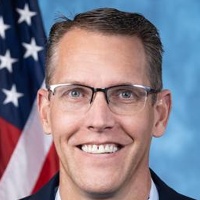
Randy Feenstra
Representative
IA
Randy Feenstra
Representative
IA
The Access to Credit for our Rural Economy Act of 2025 (ACRE Act) creates a new federal tax incentive for qualified lenders. This incentive excludes income earned from interest on loans secured by rural or agricultural real property from taxation. The goal is to encourage lending for agricultural, forestry, and certain rural home improvement purposes while prohibiting loans to foreign adversary entities.
The "Child Care Availability and Affordability Act" aims to make child care more accessible and affordable by expanding employer-provided child care credits, increasing tax-free dependent care assistance, and enhancing the household and dependent care tax credit.
Salud Carbajal
Representative
CA
Salud Carbajal
Representative
CA
The Child Care Availability and Affordability Act aims to improve access to affordable child care by expanding employer-provided child care credits, increasing tax-free dependent care assistance, and creating a refundable household and dependent care tax credit. The employer provided child care credit is increased from 25% to 50% of qualified expenses, and the maximum credit amount is raised from $150,000 to $500,000. The amount of tax-free employer-provided dependent care assistance is increased from $5,000 to $7,500. A new tax credit is created for employment-related expenses paid for household and dependent care, with the applicable percentage starting at 50% and decreasing based on income, and the maximum creditable expenses are $5,000 for one qualifying individual and $8,000 for two or more.
This bill expands the use of qualified tuition program funds to cover aviation maintenance and commercial pilot courses.
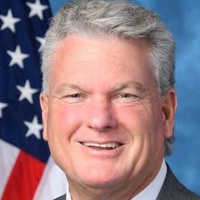
Mike Collins
Representative
GA
Mike Collins
Representative
GA
The Aviation Workforce Development Act amends the Internal Revenue Code to allow expenses for aviation maintenance and commercial pilot courses to be considered qualified higher education expenses for qualified tuition programs. This change applies to distributions made after the enactment of this law, aiming to support workforce development in the aviation sector.
The "Fair Access to Co-ops for Veterans Act of 2025" improves the VA loan guarantee program for veterans purchasing residential cooperative housing units by making the program permanent, aligning regulations with industry standards, setting loan fees, and increasing awareness of the program.
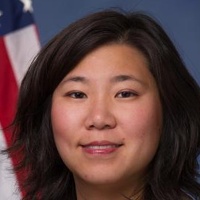
Grace Meng
Representative
NY
Grace Meng
Representative
NY
The Fair Access to Co-ops for Veterans Act of 2025 permanently extends the Department of Veterans Affairs (VA) loan guarantee program for residential cooperative housing units. It directs the VA Secretary to establish regulations that align with industry standards and promote the program to veterans, lenders, and realtors. Additionally, it sets loan fee rates and clarifies that cooperative housing shares are considered residential property for loan guarantee purposes.
The "Safe Schools Improvement Act" amends the Elementary and Secondary Education Act of 1965, requiring states to establish policies that prevent and prohibit bullying and harassment in schools based on protected characteristics, ensuring a safe and inclusive learning environment for all students.
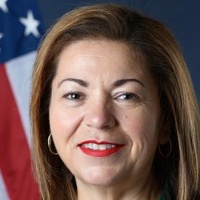
Linda Sánchez
Representative
CA
Linda Sánchez
Representative
CA
The Safe Schools Improvement Act aims to reduce bullying and harassment in schools by requiring states to establish policies prohibiting such conduct based on various characteristics, including race, sex, religion, and disability. It mandates annual notifications, data collection on incidents, biennial evaluations of programs, and regular reports to Congress to ensure accountability and effectiveness. This act does not infringe on existing nondiscrimination laws or freedom of speech but seeks to create a safer, more inclusive learning environment for all students.
The "Keep America's Waterfronts Working Act of 2025" establishes programs and funding to preserve and improve working waterfronts through grants, loans, and a collaborative task force.

Chellie Pingree
Representative
ME
Chellie Pingree
Representative
ME
The "Keep America's Waterfronts Working Act of 2025" establishes a task force and grant program to support the preservation and improvement of working waterfronts. It enables covered entities to submit working waterfront plans for approval and receive financial assistance for implementation. The act also authorizes capitalization grants to coastal states for establishing working waterfront preservation loan funds. It allocates $50 million annually from 2025-2029 for both the grant and loan programs.
The "Roberto Clemente Commemorative Coin Act" directs the Treasury to mint coins in 2027 honoring Roberto Clemente, with surcharges benefiting the Roberto Clemente Foundation.
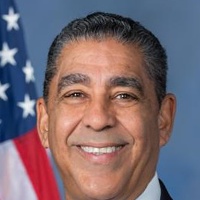
Adriano Espaillat
Representative
NY
Adriano Espaillat
Representative
NY
The Roberto Clemente Commemorative Coin Act directs the Department of Treasury to mint and issue gold, silver, and half-dollar coins in 2027 to commemorate the life and legacy of Roberto Clemente. The coins' designs will represent Clemente's life, including his baseball achievements and humanitarian work. Surcharges from the coin sales will benefit the Roberto Clemente Foundation, supporting their educational programs, youth sports initiatives, disaster relief efforts, and historic preservation projects. The Act ensures that the coin program will not incur any net cost to the United States government.
The "Increasing Credit Union Lending for Business Growth Act" increases the loan amount credit unions can offer to small businesses from $50,000 to $100,000.
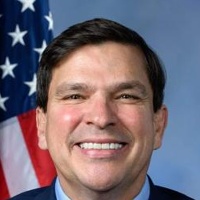
Vicente Gonzalez
Representative
TX
Vicente Gonzalez
Representative
TX
The "Increasing Credit Union Lending for Business Growth Act" amends the Federal Credit Union Act, increasing the loan amount credit unions can offer to small businesses. The bill raises the limit from $50,000 to $100,000, with the goal of expanding credit access for small businesses.
The Improper Payments Transparency Act requires the President's budget to include details on improper payment amounts, reasons for these payments, and corrective action plans for programs at executive agencies.
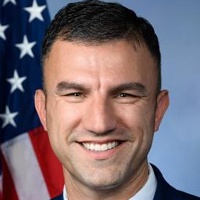
Rudy Yakym
Representative
IN
Rudy Yakym
Representative
IN
The Improper Payments Transparency Act requires the President's budget to include detailed information on improper payment amounts and rates for programs at executive agencies, including explanations for these payments and trends over the past three years. It also requires information on incomplete corrective actions and future steps to address improper payment issues.
The "Care Across Generations Act" aims to improve care for both children and older adults by awarding grants to long-term care facilities that operate or partner with on-site child care facilities to foster multigenerational activities.
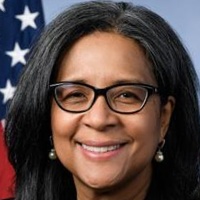
Marilyn Strickland
Representative
WA
Marilyn Strickland
Representative
WA
The Care Across Generations Act aims to improve care for both children and older adults by establishing a competitive grant program. These grants will be awarded to long-term care facilities to operate or contract with qualified child care facilities and coordinate activities between the two. Grant recipients must evaluate the effectiveness of their programs and report their findings, which will then be used to inform policy recommendations to Congress. This act seeks to foster multigenerational connections and provide comprehensive care solutions.
The NETWORKS Act aims to safeguard U.S. national security by imposing sanctions on foreign entities involved in economic or industrial espionage through 5G and future telecommunications technology.
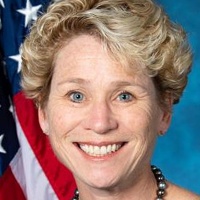
Chrissy Houlahan
Representative
PA
Chrissy Houlahan
Representative
PA
The NETWORKS Act aims to safeguard U.S. national security by imposing sanctions on foreign entities involved in economic or industrial espionage through 5G and future telecommunications technologies. It mandates the President to block transactions of foreign individuals or companies producing 5G technology that threatens U.S. security, with exceptions for intelligence activities, humanitarian aid, and certain essential goods. The President can waive sanctions for national security reasons, subject to Congressional notification, and violators will face penalties under the International Emergency Economic Powers Act. This act defines key terms and specifies that sanctions do not apply to participation in international standards-setting bodies or transactions involving existing 3G or 4G networks.
The Triple-Negative Breast Cancer Research and Education Act of 2025 aims to improve research, public education, and healthcare provider awareness regarding triple-negative breast cancer, particularly concerning its prevalence and impact on minority women.
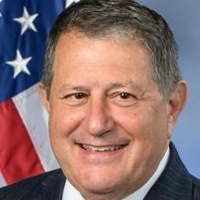
Joseph Morelle
Representative
NY
Joseph Morelle
Representative
NY
The Triple-Negative Breast Cancer Research and Education Act of 2025 aims to improve outcomes for individuals with triple-negative breast cancer by expanding research, increasing public education, and informing healthcare providers about the disease, particularly its prevalence and risk factors among minority women. The Act directs the National Institutes of Health (NIH) to expand and coordinate research programs, the Centers for Disease Control and Prevention (CDC) to develop and distribute public information, and the Health Resources and Services Administration to inform healthcare providers. It authorizes appropriations for these activities from fiscal years 2026-2031.
This bill expands Medicare coverage to include services provided by qualified acupuncturists.
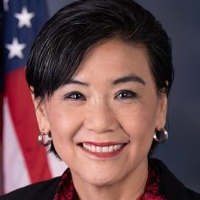
Judy Chu
Representative
CA
Judy Chu
Representative
CA
The "Acupuncture for Our Seniors Act of 2025" expands Medicare coverage to include services provided by qualified acupuncturists, as defined by state licensure or criteria set by the Secretary of Health and Human Services. This ensures seniors have access to acupuncture services, with payment rules established under the physician fee schedule and separate payment options for institutional providers. It defines qualified acupuncturist services as those legally allowed under state law, including related services and supplies. These changes will apply to services furnished 270 days after the Act's enactment.
Designates a portion of Sumner Row in Washington, D.C., as "Alexei Navalny Way" to honor the Russian political activist and show solidarity with those fighting for freedom in Russia.

Mike Quigley
Representative
IL
Mike Quigley
Representative
IL
This bill designates the section of Sumner Row NW in Washington, D.C., near the Russian Ambassador's residence, as "Alexei Navalny Way" to honor the Russian pro-democracy activist who died in a Russian prison. It requires the District of Columbia to erect street signs with the new designation at specific locations. The aim is to show solidarity with the Russian people fighting for fundamental freedoms.
The PLO and PA Terror Payments Accountability Act of 2025 imposes sanctions on foreign individuals, entities, and financial institutions that support terrorism through the Palestine Liberation Organization (PLO) and Palestinian Authority (PA) compensation systems.
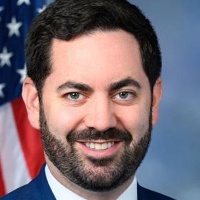
Michael Lawler
Representative
NY
Michael Lawler
Representative
NY
The PLO and PA Terror Payments Accountability Act of 2025 aims to hold the Palestine Liberation Organization (PLO) and Palestinian Authority (PA) accountable for providing payments to terrorists and their families by mandating the President to impose sanctions on foreign individuals, entities, and financial institutions involved in facilitating these payments. These sanctions include blocking property, visa restrictions, and prohibiting U.S. bank accounts for foreign financial institutions. The Act will be terminated once the Secretary of State certifies that the PLO and PA have ceased these payments.
Permanently allows individuals with health savings accounts (HSAs) to utilize telehealth services without needing to meet their deductible.
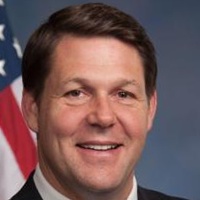
Jodey Arrington
Representative
TX
Jodey Arrington
Representative
TX
The "Telehealth Expansion Act of 2025" permanently allows individuals with Health Savings Accounts (HSAs) to access telehealth services without needing to meet their deductible first, starting after December 31, 2024. This removes a barrier to accessing telehealth services for HSA holders.
The "Stop Electronic Stalking Act of 2025" amends federal stalking laws to include the unauthorized use of electronic geotracking devices to track someone's location without their consent.
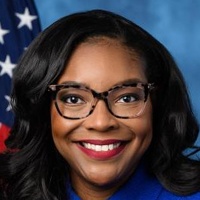
Emilia Sykes
Representative
OH
Emilia Sykes
Representative
OH
The Stop Electronic Stalking Act of 2025 amends federal stalking laws to include the use of unauthorized geotracking devices. This bill defines a geotracking device as any electronic or mechanical tool used to remotely monitor a person's location without their consent. By including this, the law aims to modernize stalking definitions to address technological advancements.