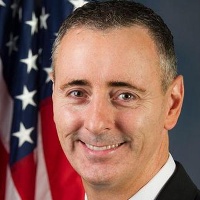
Legislative Activity
Track Brian's sponsored bills, co-sponsored legislation, and voting record
This Act establishes a program, managed by the Librarian of Congress, to create and disseminate educational resources countering denial of the Armenian Genocide.
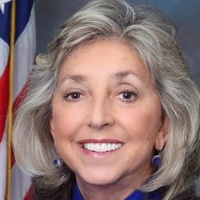
Dina Titus
Representative
NV
Dina Titus
Representative
NV
The Armenian Genocide Education Act establishes a program managed by the Librarian of Congress to develop and share educational resources combating denial of the 1915-1923 Armenian Genocide. This initiative will create online materials, train educators, and encourage the integration of accurate history into school curricula. The Act authorizes $2 million annually for five years to support these educational efforts aimed at promoting awareness and preventing future atrocities.
The PLAN for School Safety Act of 2025 establishes a grant program to fund regional centers that provide schools with evidence-based consultation and support for developing and implementing comprehensive safety and mental health plans.
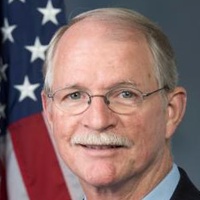
John Rutherford
Representative
FL
John Rutherford
Representative
FL
The PLAN for School Safety Act of 2025 establishes a new federal grant program to create regional School Safety Development Centers. These centers will provide personalized, research-backed consultation and technical assistance to schools on developing and implementing comprehensive safety and mental health plans. The program prioritizes support for rural, Tribal, and low-resource communities, while explicitly prohibiting the use of funds for firearm training.
This Act establishes the New Producer Economic Security Program to fund community-led projects that provide land, capital, and market access to new and disadvantaged farmers, ranchers, and forest owners.
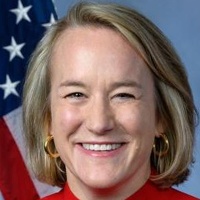
Nicole (Nikki) Budzinski
Representative
IL
Nicole (Nikki) Budzinski
Representative
IL
The New Producer Economic Security Act establishes a new federal program to fund community-led projects that help new and disadvantaged farmers, ranchers, and forest owners gain access to land, capital, and markets. Run by the USDA's Farm Service Agency, the initiative aims to ensure the long-term economic viability and security of these producers. Eligible entities will apply for grants to provide direct assistance, technical support, and financial tools to qualified beneficiaries. Priority will be given to projects that offer direct financial aid, support land affordability, and involve strong local partnerships.
This bill raises the resource limits for Supplemental Security Income (SSI) eligibility starting in 2025 and ties future limits to inflation adjustments.
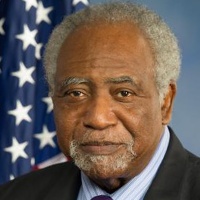
Danny Davis
Representative
IL
Danny Davis
Representative
IL
The SSI Savings Penalty Elimination Act significantly raises the resource limits for individuals and couples applying for Supplemental Security Income (SSI), starting in 2025. This legislation also mandates that these new resource limits will be automatically adjusted annually to keep pace with inflation. The goal is to allow SSI applicants to save more money without losing eligibility for benefits.
This act extends the "mailbox rule" to ensure documents and payments electronically submitted to the IRS are considered received on the date they are sent.
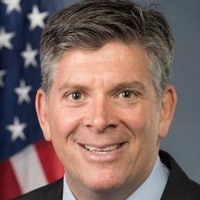
Darin LaHood
Representative
IL
Darin LaHood
Representative
IL
The Electronic Filing and Payment Fairness Act extends the existing "mailbox rule" to electronic submissions made to the Internal Revenue Service. This means that documents and payments submitted digitally will be considered officially received on the date they are sent, not the date the IRS processes them. This change ensures fairness for taxpayers utilizing electronic filing methods.
This bill directs the Secretary of Housing and Urban Development to annually report to Congress on state and local strategies that successfully promote affordable housing.
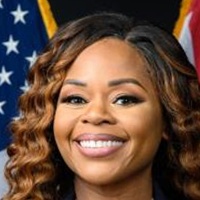
Sheila Cherfilus-McCormick
Representative
FL
Sheila Cherfilus-McCormick
Representative
FL
This bill directs the Secretary of Housing and Urban Development (HUD) to submit an annual report to Congress. This report must analyze successful state and local strategies aimed at promoting affordable housing. The goal is for Congress to use this analysis to shape effective federal policies supporting local efforts to combat the national housing crisis.
The Arts Education for All Act mandates the integration, reporting, and research of arts education across early childhood, K-12, and correctional systems to ensure comprehensive access and measure its impact on student development and offender reentry.
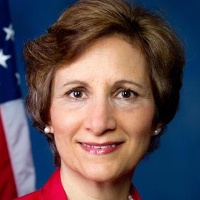
Suzanne Bonamici
Representative
OR
Suzanne Bonamici
Representative
OR
The Arts Education for All Act aims to elevate the status and accessibility of arts education across the entire educational spectrum. It mandates evidence-based training for early childhood providers, requires states to integrate arts education into core academic planning and public reporting, and authorizes the use of the arts in juvenile and adult offender reentry programs. Furthermore, the bill directs federal research agencies to study the impact of the arts and restores arts assessment to the national testing schedule.
This Act establishes a comprehensive security partnership between the U.S., Israel, Greece, and Cyprus to enhance counterterrorism efforts and maritime security through new training programs, interparliamentary groups, and the removal of certain restrictions on defense cooperation with Cyprus.
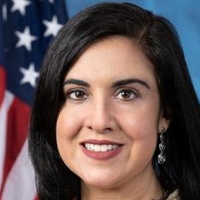
Nicole Malliotakis
Representative
NY
Nicole Malliotakis
Representative
NY
This Act establishes a comprehensive security partnership between the United States, Israel, Greece, and the Republic of Cyprus focused on counterterrorism and maritime security in the Eastern Mediterranean. It mandates the creation of new joint training programs, formalizes interparliamentary and executive cooperation groups, and removes previous limitations on defense articles for Cyprus. The legislation also authorizes significant funding for security centers and training initiatives in Cyprus and Greece through fiscal year 2029.
The Nutrition CARE Act of 2025 expands Medicare coverage to include medical nutrition therapy services provided by registered dietitians for beneficiaries diagnosed with an eating disorder, effective January 1, 2026.
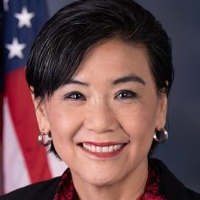
Judy Chu
Representative
CA
Judy Chu
Representative
CA
The Nutrition CARE Act of 2025 addresses the critical need for comprehensive eating disorder treatment under Medicare. This bill expands Medicare coverage to include essential medical nutrition therapy services for beneficiaries diagnosed with an eating disorder, starting January 1, 2026. It establishes initial and ongoing annual coverage limits for these crucial dietitian-led services, requiring a referral from a physician or psychologist. By covering this vital component of care, the Act aims to improve health outcomes and reduce the significant economic burden associated with these serious mental illnesses.
The COMPLETE Care Act increases Medicare payments to primary care providers for integrating behavioral health services between 2027 and 2029 and provides technical assistance to support these practices.
Nicole Malliotakis
Representative
NY
Nicole Malliotakis
Representative
NY
The COMPLETE Care Act aims to improve mental healthcare access by providing Medicare incentives for primary care providers to integrate behavioral health services into their practices between 2027 and 2029. This legislation offers increased Medicare payments for specific integrated services during those years, ensuring these bonuses do not trigger cuts elsewhere in the Medicare budget. Additionally, the bill mandates technical assistance to help primary care offices successfully adopt these new integrated care models.
The Hot Foods Act of 2025 lifts the general ban on purchasing ready-to-eat hot foods with SNAP benefits while imposing a sales cap on retailers that primarily sell such items.
Grace Meng
Representative
NY
Grace Meng
Representative
NY
The Hot Foods Act of 2025 removes the general federal ban on using Supplemental Nutrition Assistance Program (SNAP) benefits to purchase hot, ready-to-eat foods. This legislation clarifies that hot foods are now eligible for purchase with SNAP benefits, while also setting a new rule that limits SNAP-participating retailers to deriving no more than 50% of their gross sales from these ready-to-eat hot items. The act updates existing statutes to reflect this expanded purchasing power for recipients.
This Act amends the Base Erosion and Anti-Abuse Tax (BEAT) rules to impose stricter regulations on U.S. companies connected to foreign entities subject to specific extraterritorial income taxes.
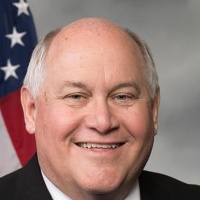
Ron Estes
Representative
KS
Ron Estes
Representative
KS
The Unfair Tax Prevention Act amends the Base Erosion and Anti-Abuse Tax (BEAT) rules to specifically target certain U.S. companies connected to foreign tax systems operating outside their direct jurisdiction. These "foreign-owned extraterritorial tax regime entities" will now be automatically subject to BEAT, with specific exceptions removed and a portion of their cost of goods sold automatically treated as a base erosion benefit. This legislation aims to close loopholes related to complex, indirect foreign ownership structures.
This bill directs the Secretary of Transportation to develop and fund a comprehensive 10-year plan to modernize the aging infrastructure and facilities of the United States Merchant Marine Academy.
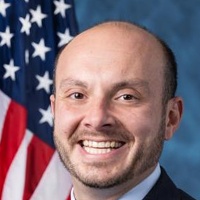
Andrew Garbarino
Representative
NY
Andrew Garbarino
Representative
NY
This bill directs the Secretary of Transportation to develop and implement a comprehensive 10-year Campus Modernization Plan for the United States Merchant Marine Academy. The plan must address critical infrastructure needs, including new training facilities, updated housing, and essential utility overhauls, to support modern maritime education and national security requirements. Congress authorizes up to \$1.02 billion from the Maritime Security Trust Fund between fiscal years 2026 and 2035 to execute this modernization effort.
This Act establishes a temporary tax credit for 10% of the labor costs associated with installing energy-efficient mechanical insulation on existing systems.
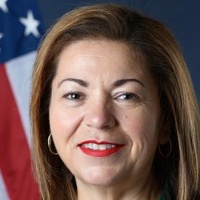
Linda Sánchez
Representative
CA
Linda Sánchez
Representative
CA
The Mechanical Insulation Installation Incentive Act of 2025 establishes a new tax credit for businesses covering 10% of the labor costs associated with installing qualifying mechanical insulation property. This credit aims to encourage energy efficiency improvements on existing mechanical systems by rewarding the labor investment in proper insulation. The incentive is available for labor costs paid or incurred after December 31, 2025, and expires for costs paid after December 31, 2028.
This Act establishes a 20% federal tax credit for converting eligible commercial buildings into affordable housing units, subject to state allocation and specific income restrictions.
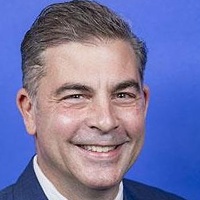
Mike Carey
Representative
OH
Mike Carey
Representative
OH
The Revitalizing Downtowns and Main Streets Act establishes a new 20% federal tax credit for converting eligible, older commercial buildings into affordable housing. This incentive aims to increase housing supply by requiring that at least 20% of the converted units remain rent-restricted for low-income residents for 30 years. State agencies will allocate these credits, which are subject to a national cap of $12 billion, based on approved plans prioritizing financially necessary projects.
This act prohibits colleges and universities receiving federal funding from allowing or supporting any campus event that promotes antisemitism, adopting the IHRA working definition.

Michael Lawler
Representative
NY
Michael Lawler
Representative
NY
The Stop Antisemitism on College Campuses Act prohibits colleges and universities receiving federal funding from allowing, supporting, or paying for any event on campus that promotes antisemitism. This legislation mandates the adoption of the International Holocaust Remembrance Alliance (IHRA) working definition of antisemitism for enforcement. The goal is to ensure federally funded institutions do not host or endorse antisemitic activities.
This Act establishes the Urban Waters Federal Partnership Program to coordinate federal agencies in providing technical assistance and funding to local entities for improving urban waterways and community resilience.
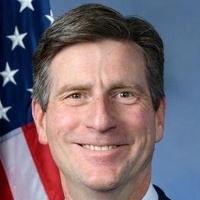
Greg Stanton
Representative
AZ
Greg Stanton
Representative
AZ
The Urban Waters Federal Partnership Act of 2025 establishes a new federal program to help urban and suburban communities reconnect with and revitalize their local waterways. Led by the EPA Administrator and a multi-agency Steering Committee, the program will designate official partnership locations supported by local "Urban Waters Ambassadors." This initiative authorizes funding to support eligible entities in carrying out projects that improve water quality, recreation, and community resilience in these areas.
This Act permits tax-exempt charities to fund collegiate housing and infrastructure projects for college social or athletic organizations without jeopardizing their charitable status, provided the housing primarily serves full-time students.
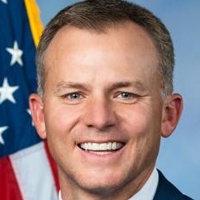
Blake Moore
Representative
UT
Blake Moore
Representative
UT
The Collegiate Housing and Infrastructure Act of 2025 permits qualifying charities to provide grants to college social or athletic organizations specifically for collegiate housing and infrastructure projects without jeopardizing their tax-exempt status. This legislation clarifies that such grants remain eligible for donor deductions, provided the housing primarily serves full-time students. The Act specifically excludes funding for physical fitness facilities from these provisions.
The SCREENS for Cancer Act of 2025 reauthorizes and updates the National Breast and Cervical Cancer Early Detection Program to enhance cancer prevention, reduce disparities, and ensure equitable access to screening services through increased funding and new reporting requirements.
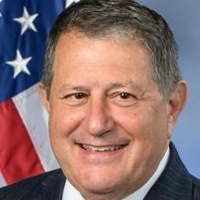
Joseph Morelle
Representative
NY
Joseph Morelle
Representative
NY
The **SCREENS for Cancer Act of 2025** seeks to reauthorize and update the National Breast and Cervical Cancer Early Detection Program (NBCCEDP). This legislation expands the program's focus to include cancer prevention and aims to reduce health disparities in screening access. The bill authorizes $235 million annually for fiscal years 2026 through 2030 and mandates a GAO study on program eligibility and service trends.
The Safer Skies Act of 2025 mandates that certain smaller charter and commuter air carriers currently exempt from TSA checkpoints must adopt the same security screening standards as larger airlines.
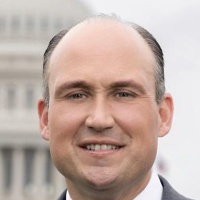
Nicholas Langworthy
Representative
NY
Nicholas Langworthy
Representative
NY
The Safer Skies Act of 2025 mandates enhanced security screening for certain smaller charter and commuter air carriers that sell individual passenger seats publicly. This legislation requires these specific operations, currently exempt from TSA checkpoints, to adopt the security standards applied to larger commercial airlines. The goal is to raise the baseline security level across a broader segment of air travel operations.