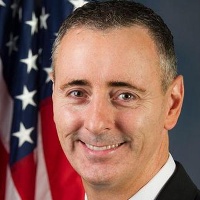
Legislative Activity
Track Brian's sponsored bills, co-sponsored legislation, and voting record
The "Strengthening State and Local Efforts to Counter Transnational Repression Act" enhances law enforcement training and coordination to combat transnational repression activities targeting individuals in the U.S.
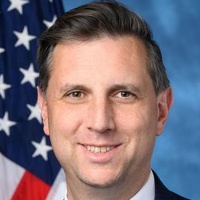
Seth Magaziner
Representative
RI
Seth Magaziner
Representative
RI
The "Strengthening State and Local Efforts to Counter Transnational Repression Act" amends the Homeland Security Act of 2002 to bolster law enforcement's ability to counter transnational repression and related terrorism threats. It mandates the development of a training program for state, local, and tribal law enforcement to identify, record, and share information on transnational repression, as well as to protect potential targets and victims. The Act also calls for research and development of technology to enhance participation in these training programs and requires a report to Congress on its implementation. Transnational repression is defined as actions by a foreign government or its agents intended to coerce, harass, or threaten individuals in the U.S.
This resolution officially recognizes and supports National Public Safety Telecommunicators Week to honor the lifesaving work of 911 operators and emergency dispatchers.
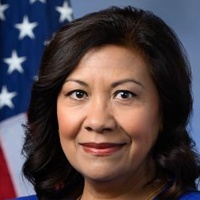
Norma Torres
Representative
CA
Norma Torres
Representative
CA
This resolution officially supports National Public Safety Telecommunicators Week to recognize the crucial, lifesaving work performed by 911 operators and emergency dispatchers. It honors these professionals for being the first line of defense during crises, often coaching callers and coordinating emergency response. The bill encourages the public and government to acknowledge the significant emotional toll and vital contributions of these telecommunicators.
The Resilient Coasts and Estuaries Act of 2025 updates federal coastal programs to prioritize land protection, restoration, and climate change adaptation, while significantly expanding and enhancing the National Estuarine Research Reserve System.
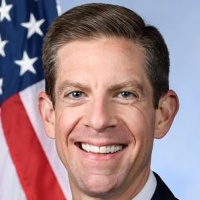
Mike Levin
Representative
CA
Mike Levin
Representative
CA
The Resilient Coasts and Estuaries Act of 2025 overhauls federal coastal protection by establishing a new Coastal and Estuarine Resilience and Restoration Program focused on protecting high-value lands and restoring damaged areas, with priority given to vulnerable low-income communities. The bill also significantly expands the National Estuarine Research Reserve System, mandating the designation of at least five new sites and bolstering research efforts focused on climate change adaptation. Furthermore, it establishes new requirements for non-governmental partners and updates funding authorizations through fiscal year 2029.
This act bans bump stocks and similar devices that increase the firing rate of semi-automatic firearms, requiring registration for any previously modified weapons.
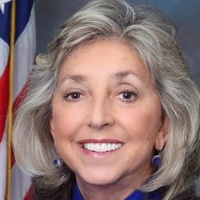
Dina Titus
Representative
NV
Dina Titus
Representative
NV
The Closing the Bump Stock Loophole Act of 2025 seeks to amend federal gun laws by banning devices and modifications that significantly increase the rate of fire of semiautomatic firearms, effectively treating them like machineguns. The bill specifically prohibits the manufacture, sale, or possession of such accessories and modified firearms after 120 days of enactment. Existing owners of previously modified firearms must register them under the National Firearms Act within that same timeframe to legally keep them.
The S-CAP Act of 2025 increases the maximum number of shareholders a business can have to qualify as an S corporation from 100 to 250, effective for tax years beginning after December 31, 2025.
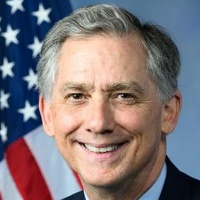
J. Hill
Representative
AR
J. Hill
Representative
AR
The S-CAP Act of 2025 significantly increases the maximum number of shareholders a business can have while qualifying for S corporation tax status, raising the limit from 100 to 250. This change is designed to allow more small businesses to benefit from pass-through taxation. This new 250-shareholder limit will take effect for tax years beginning after December 31, 2025.
This Act mandates the TSA to establish and regularly update strict hygienic guidelines for screening breast milk, formula, and other essential baby liquids during aviation security checks.
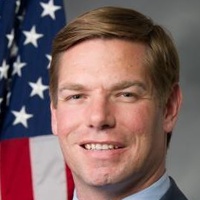
Eric Swalwell
Representative
CA
Eric Swalwell
Representative
CA
The Bottles and Breastfeeding Equipment Screening Enhancement Act mandates the TSA to develop and regularly update strict hygienic guidelines for screening breast milk, formula, and baby drinks at airport security checkpoints. These rules must be created in consultation with maternal health experts to minimize contamination risks during any necessary testing. Furthermore, the Inspector General will audit compliance with these new safety standards within one year of enactment.
This Act authorizes states to allow qualified conservation organizations to acquire, hold, and manage conservation easements under the Forest Legacy Program.

John Garamendi
Representative
CA
John Garamendi
Representative
CA
The Forest Legacy Management Flexibility Act grants states the authority to allow qualified conservation organizations to acquire, hold, and manage conservation easements under the Forest Legacy Program. This allows states to partner with accredited, conservation-focused groups to enhance forest protection efforts. The bill establishes clear criteria for these organizations and outlines conditions under which easement rights would revert to the state if management responsibilities are not met.
This bill directs the DoD and VA to evaluate existing research and develop strategic plans to address knowledge gaps concerning menopause, perimenopause, and mid-life health in servicewomen and veterans.
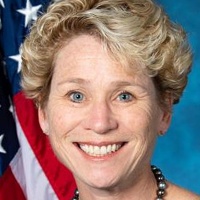
Chrissy Houlahan
Representative
PA
Chrissy Houlahan
Representative
PA
The Servicewomen and Veterans Menopause Research Act directs the Department of Defense and the Department of Veterans Affairs to evaluate current research on menopause and mid-life health issues specific to servicewomen and veterans. This evaluation must identify knowledge gaps, including the impact of military exposures on these conditions. Following the review, both departments must submit reports and strategic plans to Congress outlining recommendations for improving provider training and future research priorities.
The TAKE IT DOWN Act establishes federal criminal penalties for sharing nonconsensual intimate images (real or digitally forged) and mandates that covered online platforms remove such content within 48 hours of receiving a valid request.

Maria Salazar
Representative
FL
Maria Salazar
Representative
FL
The TAKE IT DOWN Act establishes federal criminal penalties for the intentional sharing of both real and digitally forged nonconsensual intimate images, with stricter penalties for images involving minors. It mandates that covered online platforms create a clear process for victims to request the removal of such content within 48 hours. Failure by platforms to reasonably comply with these removal requests will be treated as an unfair or deceptive practice enforced by the Federal Trade Commission (FTC).
This act allows students with disabilities taking a reduced course load to be treated as full-time for Pell Grant eligibility purposes.
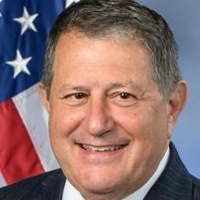
Joseph Morelle
Representative
NY
Joseph Morelle
Representative
NY
The Pell Grant Flexibility Act updates the Higher Education Act to better support students with disabilities. This bill allows eligible students with disabilities to be treated as full-time for Pell Grant calculation purposes, even with a reduced course load. This change ensures they can receive a higher grant amount based on full-time status, provided they meet a minimum credit threshold.
This Act establishes federal minimum standards for public employee collective bargaining rights, allowing states to maintain their own laws if they meet or exceed these standards, otherwise the Federal Labor Relations Authority will enforce federal rules.
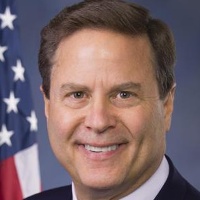
Donald Norcross
Representative
NJ
Donald Norcross
Representative
NJ
The Public Service Freedom to Negotiate Act of 2025 establishes federal minimum standards for collective bargaining rights for public employees across the nation. It requires the Federal Labor Relations Authority (FLRA) to review state laws to ensure they substantially provide these minimum rights, including the right to organize and bargain collectively. If a state fails to meet these standards, the FLRA will administer federal labor relations rules for the uncovered employees. The Act also prohibits strikes or lockouts that would measurably disrupt emergency or public safety services.
This Act establishes a specific P visa category for temporary workers employed by traveling carnivals, circuses, and associated concession providers, while subjecting them to existing H-2B temporary worker regulations.
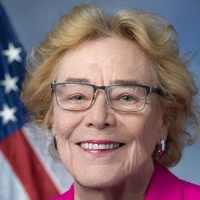
Zoe Lofgren
Representative
CA
Zoe Lofgren
Representative
CA
The Carnivals are Real Entertainment Act establishes a specific P visa pathway for temporary workers employed by traveling carnivals, circuses, and associated concession providers. This new classification ensures essential mobile entertainment staff can enter the U.S. while adhering to existing H-2B temporary worker program regulations. The law mandates that the Secretaries of Homeland Security and Labor develop and finalize the necessary rules within one year of enactment.
This bill mandates the development of a modernized 10-year strategy by the Secretaries of HHS and Defense to ensure the nation has sufficient anthrax countermeasures to protect civilians and service members.
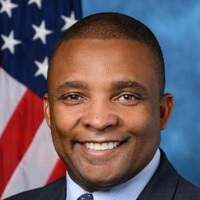
Donald Davis
Representative
NC
Donald Davis
Representative
NC
The Protecting American Families and Servicemembers from Anthrax Act mandates the Secretaries of Health and Human Services and Defense to develop a modernized 10-year strategy to defend against the anthrax threat. This plan must ensure a sustainable supply of anthrax countermeasures for the Strategic National Stockpile and outline protections for civilians and military families. The Secretaries are required to submit an initial classified report detailing the threat and the full strategy to Congress within 180 days, followed by annual updates.
The Invest to Protect Act of 2025 establishes a Department of Justice grant program to fund training, mental health resources, and recruitment/retention bonuses for small local law enforcement agencies.
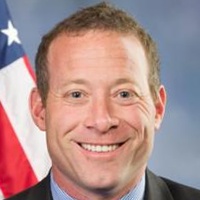
Josh Gottheimer
Representative
NJ
Josh Gottheimer
Representative
NJ
The Invest to Protect Act of 2025 establishes a new, streamlined grant program within the Department of Justice to support small local and Tribal law enforcement agencies (under 175 officers). These funds are specifically designated for officer training, mental health resources, and recruitment/retention bonuses. The law mandates a rapid application process and includes strict accountability measures, such as audits and public reporting of bonuses. Congress is authorized to appropriate up to $50 million annually for this program through fiscal year 2031.
The Affordable Housing Credit Improvement Act of 2025 updates state allocation formulas, reforms tenant eligibility and credit determination rules, and enhances assistance for Native American and rural housing projects.
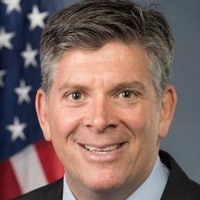
Darin LaHood
Representative
IL
Darin LaHood
Representative
IL
The Affordable Housing Credit Improvement Act of 2025 updates federal housing tax credit allocations to reflect current economic realities and boosts minimum state allotments. It reforms tenant eligibility rules to stabilize tenancy and enhance protections for vulnerable residents, including victims of abuse. The bill also provides disaster relief for property owners, increases incentives for housing the extremely low-income, and directs greater resources toward Native American and rural housing needs. Finally, it streamlines administrative processes and signals a future focus on data transparency and discouraging restrictive local zoning.
This act adjusts federal sentencing guidelines to ensure convictions for sexual offenses against minors under 18 count toward specific sentencing enhancements.
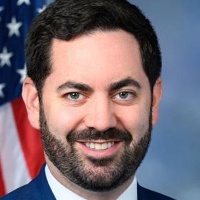
Michael Lawler
Representative
NY
Michael Lawler
Representative
NY
The Paula Bohovesky and Joan D’Alessandro Act amends federal sentencing guidelines to ensure that convictions for sexual offenses against minors under 18 count toward specific sentencing enhancements. This change adjusts the rules under 18 U.S.C. § 3559(d)(1)(A) regarding when certain sentencing triggers are met. The goal is to strengthen how prior offenses against children impact current sentencing decisions.
This bill mandates a study on the prevalence of liver fluke-related cancer among Vietnam veterans and extends a current limitation on certain pension payments.
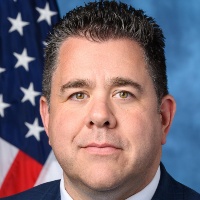
Nicolas LaLota
Representative
NY
Nicolas LaLota
Representative
NY
This Act mandates a comprehensive study, conducted by the VA in partnership with the CDC, to determine the prevalence of cholangiocarcinoma (liver cancer) among veterans who served in the Vietnam theater. The study will compare cancer rates in this veteran population against the general U.S. population and report findings to Congress. Additionally, the bill extends a current limitation on certain veteran pension payments until the end of 2031.
This Act allows employees to fully deduct union dues above the line and restores the itemized deduction for certain other job-related business expenses.
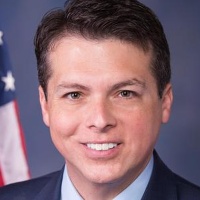
Brendan Boyle
Representative
PA
Brendan Boyle
Representative
PA
The Tax Fairness for Workers Act restores key federal tax deductions for employees, effective after 2024. This legislation makes union dues fully deductible "above the line," meaning they reduce Adjusted Gross Income without itemizing. Additionally, it allows itemizers to deduct certain other job-related business expenses that were previously limited.
The Retirement Savings for Americans Act of 2025 establishes a mandatory, government-matched retirement savings account for workers, overseen by a new federal board, and provides a direct government match deposited into these accounts as a tax credit.
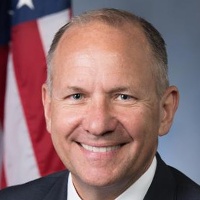
Lloyd Smucker
Representative
PA
Lloyd Smucker
Representative
PA
The Retirement Savings for Americans Act of 2025 establishes the American Worker Retirement Fund, a new, mandatory-enrollment retirement savings vehicle within the U.S. Treasury designed to help workers build protected savings through personal contributions and government matching credits. The bill also creates a governing Board to oversee the investment management system, imposing strict fiduciary duties on all administrators. Finally, it introduces a Government Match Tax Credit, which directly deposits a tiered government match into participants' accounts based on their savings rate and income level.
This resolution expresses the House's sense that paraprofessionals and education support staff deserve fair compensation, benefits, job security, and safe working conditions.
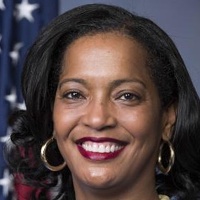
Jahana Hayes
Representative
CT
Jahana Hayes
Representative
CT
This resolution expresses the sense of the House of Representatives that paraprofessionals and education support staff deserve fair compensation, comprehensive benefits, and improved working conditions. It highlights the critical role these essential workers play in supporting millions of students nationwide. Ultimately, the bill calls for livable wages, job security, safe workplaces, and meaningful input into school policies for these staff members.