Legislative Activity
Track Brian's sponsored bills, co-sponsored legislation, and voting record
This act nullifies a recent Executive Order regarding federal labor relations and ensures existing collective bargaining agreements remain in effect.
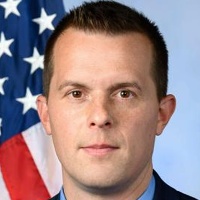
Jared Golden
Representative
ME
Jared Golden
Representative
ME
The Protect America's Workforce Act nullifies a specific Executive Order issued in March 2025 concerning exclusions from federal labor-management relations programs. This legislation ensures that any existing collective bargaining agreements between federal agencies and employee unions remain fully in effect until their stated expiration dates. The Act also prohibits the use of federal funds to implement the overturned Executive Order.
This bill reauthorizes federal research and development programs for per- and polyfluoroalkyl substances (PFAS) through fiscal year 2030.
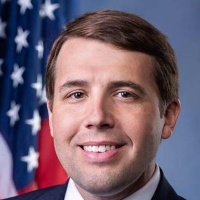
Chris Pappas
Representative
NH
Chris Pappas
Representative
NH
This bill reauthorizes critical research and development programs related to PFAS chemicals through fiscal year 2030. It amends existing law to extend the authorization period for these important initiatives.
This bill establishes a grant program to fund statewide senior legal hotlines providing free civil legal assistance to older Americans.
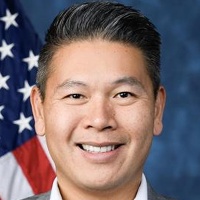
Derek Tran
Representative
CA
Derek Tran
Representative
CA
The Senior Legal Hotline Act of 2025 establishes a new federal grant program to support the creation and operation of statewide senior legal hotlines. These grants, administered under the Older Americans Act, will be awarded to eligible nonprofit organizations to provide free legal advice, counseling, and referrals to older individuals across an entire state. Grantees must meet specific operational requirements, including ensuring adequate staffing and coordinating services with existing legal and aging networks.
This bill establishes a federal student loan repayment program to incentivize mental health professionals to work in designated shortage areas for up to six years.
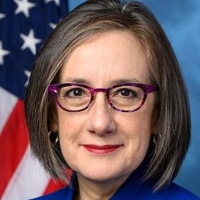
Andrea Salinas
Representative
OR
Andrea Salinas
Representative
OR
This bill establishes the Mental Health Professionals Workforce Shortage Loan Repayment Act of 2025 to address critical shortages in mental health care. It creates a federal program administered by HRSA to repay student loans for eligible mental health professionals. In exchange, participants must commit to up to six years of full-time service in designated mental health professional shortage areas. The program aims to incentivize practitioners to serve in underserved communities through significant loan forgiveness, capped at $250,000 per individual.
This Act establishes new Clean Water Act requirements, setting deadlines for EPA to regulate PFAS pollution through discharge limits, mandatory monitoring, and funding for treatment programs.
Chris Pappas
Representative
NH
Chris Pappas
Representative
NH
The Clean Water Standards for PFAS Act of 2025 establishes new federal regulations to control the discharge of harmful PFAS chemicals into U.S. waters. This bill mandates the EPA to set strict, industry-specific pollution limits and human health water quality criteria on aggressive timelines. It also immediately requires monitoring for PFAS discharges from several key industries and authorizes funding for local treatment works to address contamination.
This bill establishes a new "family purpose" nonimmigrant visa category allowing relatives of U.S. citizens and LPRs to visit temporarily for up to 90 days annually, subject to financial and insurance requirements.
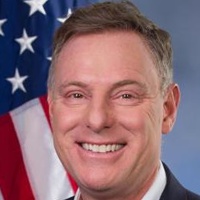
Scott Peters
Representative
CA
Scott Peters
Representative
CA
The Temporary Family Visitation Act establishes a new nonimmigrant visa category specifically for relatives of U.S. citizens and lawful permanent residents to visit the United States for family purposes. This visa limits stays to a maximum of 90 days per calendar year and requires financial support, medical insurance, and a sworn declaration of intent to depart. Individuals admitted under this category are prohibited from changing their status while in the U.S.
This act establishes a five-year pilot program for federal grants to public schools to fund independent security risk assessments and implement necessary hard security improvements.
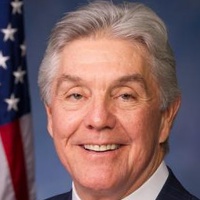
Roger Williams
Representative
TX
Roger Williams
Representative
TX
The Safer Schools Act of 2025 establishes a five-year pilot program managed by the Attorney General to award grants to public schools for security enhancements. These grants fund independent facility security risk assessments and "hard security improvements," such as physical infrastructure upgrades. Priority is given to schools that have experienced past incidents of deadly harm, and recipients must report on the effectiveness of the improvements.
This act establishes a grant program to help state, local, territorial, and tribal governments hire, retain, and train prosecutors and support staff.
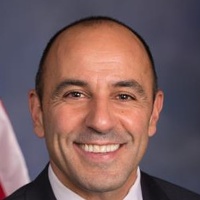
Jimmy Panetta
Representative
CA
Jimmy Panetta
Representative
CA
The Helping Improve Recruitment and Retention Efforts for Prosecutors Act of 2025 establishes a federal grant program to assist state, local, territorial, and tribal governments in hiring, retaining, and training prosecutors and support staff. Administered by the Attorney General, the program will award competitive grants, prioritizing offices in underserved or budget-impacted areas. This initiative is authorized with $10 million annually from 2026 through 2030, requiring a 25% non-federal match unless waived.
This bill mandates a comprehensive report on the use of drones and counter-drone technology by government agencies, along with recommendations for policy changes and bolstering domestic manufacturing.
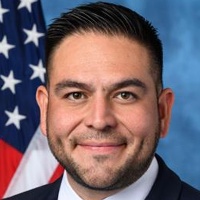
Gabriel (Gabe) Vasquez
Representative
NM
Gabriel (Gabe) Vasquez
Representative
NM
The Secure Our Skies Drone Safety Act of 2025 mandates a comprehensive one-year study by the Comptroller General on the use of drones and counter-drone technology by all levels of government. This report must analyze current agency deployment, sourcing of equipment, and operational policies. Crucially, it will provide recommendations for updating legal authorities and strengthening domestic manufacturing capabilities for UAS technology.
The CARE for First Responders Act expands crisis counseling and establishes specialized mental health services and mobile crisis grants for emergency responders and public safety telecommunicators following major disasters.
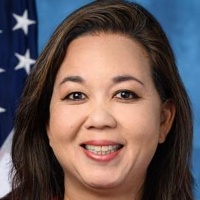
Jill Tokuda
Representative
HI
Jill Tokuda
Representative
HI
The CARE for First Responders Act expands crisis counseling assistance to include emergency responders and public safety telecommunicators following major disasters. The bill establishes a comprehensive mental health program providing 24/7 confidential support, including a dedicated hotline and peer counseling. Additionally, it creates a grant program to fund mobile crisis units offering on-site mental health services to first responders during disaster response.
This act permanently authorizes the Department of Veterans Affairs to provide transportation for veterans attending vocational rehabilitation or counseling.
Jimmy Panetta
Representative
CA
Jimmy Panetta
Representative
CA
The Veterans Earned Transportation Act (Vets ETA) permanently authorizes the Secretary of Veterans Affairs to provide transportation for veterans attending vocational rehabilitation or counseling at VA facilities. This legislation removes the temporary pilot program designation, ensuring ongoing access to necessary transportation services.
This bill extends enhanced premium tax credits for 2026, establishes strict anti-fraud measures for health insurance agents and brokers, imposes new accountability and transparency requirements on Pharmacy Benefit Managers (PBMs) in Medicare, and extends the 2026 open enrollment period.
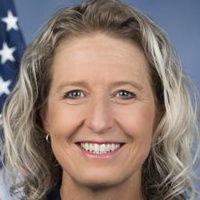
Jennifer Kiggans
Representative
VA
Jennifer Kiggans
Representative
VA
The CommonGround for Affordable Health Care Act extends enhanced premium tax credits for Marketplace health insurance through 2026, while also establishing strict new penalties and verification processes to combat fraud by agents and brokers in health insurance exchanges. Furthermore, the bill imposes significant new transparency and accountability requirements on Pharmacy Benefit Managers (PBMs) contracting with Medicare Part D plans. Finally, it extends the 2026 open enrollment period and creates a fast-track legislative process for future premium tax credit reform bills.
This bill officially renames the U.S. Postal Service facility at 521 Thorn Street in Sewickley, Pennsylvania, as the Mary Elizabeth Bettie Cole Post Office Building.
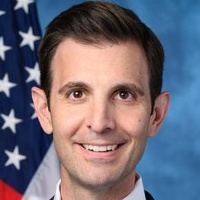
Chris Deluzio
Representative
PA
Chris Deluzio
Representative
PA
This bill officially designates the United States Postal Service facility located at 521 Thorn Street in Sewickley, Pennsylvania, as the "Mary Elizabeth Bettie Cole Post Office Building." This change ensures all future federal references use the newly established name for the building.
This bill officially names the World War II Women's Memorial at Arlington National Cemetery and adjusts location restrictions for a related commemorative work in Washington, D.C.

Debbie Dingell
Representative
MI
Debbie Dingell
Representative
MI
This Act officially names the memorial at the entrance to Arlington National Cemetery as the "World War II Women's Memorial." It also designates this memorial as a "commemorative work" under existing federal law. Furthermore, the bill allows a specific World War II home front women's commemorative work to be placed in designated areas within Washington, D.C., overriding standard location restrictions.
The Bridges not Bumpers Act of 2025 establishes working groups, funding, and educational campaigns to improve data sharing and prevent commercial truck bridge strikes.
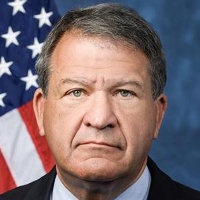
George Latimer
Representative
NY
George Latimer
Representative
NY
The Bridges not Bumpers Act of 2025 aims to reduce commercial truck bridge strikes by establishing a DOT working group to improve data sharing on bridge heights and truck routes, especially for GPS systems. The bill also mandates a national education campaign, creates a central clearinghouse for strike data, and establishes a grant program for research on infrastructure improvements. Furthermore, it addresses liability protections for GPS providers and sets new requirements for rental vehicle companies regarding height disclosure.
This bill establishes a $500 million grant program to fund high-quality tutoring partnerships between schools and educator preparation programs, prioritizing placements in high-need schools using aspiring teachers as tutors.
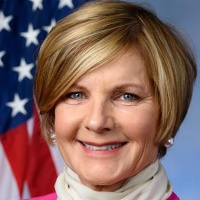
Susie Lee
Representative
NV
Susie Lee
Representative
NV
The PATHS to Tutor Act of 2025 establishes a \$500 million competitive grant program to create high-quality tutoring partnerships between schools and educator preparation programs. These partnerships will deploy trained tutors, often college students, to provide intensive, small-group instruction in high-need and hard-to-staff schools. The grants prioritize programs that align tutoring with curriculum and support aspiring educators through training and service awards.
This bill mandates a report from the Director of National Intelligence on China's circumvention of sanctions related to Iranian oil and ballistic missile trade, followed by a determination from the Treasury Secretary on potential sanctionable activities.
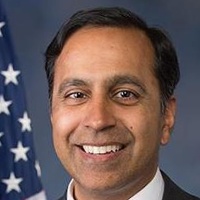
Raja Krishnamoorthi
Representative
IL
Raja Krishnamoorthi
Representative
IL
This Act mandates the Director of National Intelligence to report on oil and ballistic missile-related transactions between China and Iran, detailing circumvention tactics. Following this report, the Secretary of the Treasury must determine if China is engaged in sanctionable activities related to these transactions. The bill aims to track and restrict adversarial circumvention of existing embargoes.
This resolution condemns the Ethiopian government for actions threatening regional stability, violating human rights, and undermining U.S. interests in the Horn of Africa, while urging sanctions and aid suspension until reforms are made.
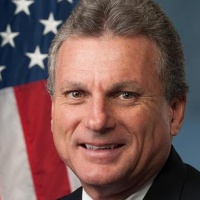
Earl Carter
Representative
GA
Earl Carter
Representative
GA
This resolution condemns the Government of Ethiopia for actions that threaten regional stability and violate fundamental human rights across the country. It expresses grave concern over documented atrocities and urges accountability for gross human rights violations, including war crimes and genocide. Furthermore, the resolution opposes the use of U.S. taxpayer funds to support entities engaged in such abuses and calls for the use of diplomatic and economic tools, including sanctions, to incentivize democratic reforms. Finally, it urges the administration to suspend nonhumanitarian aid until verifiable progress is made toward ending hostilities and protecting vulnerable communities.
This bill directs the Secretary of Defense to establish a pilot program sending informational text messages to service members and their dependents at Marine Corps bases in Okinawa, Japan.
Chrissy Houlahan
Representative
PA
Chrissy Houlahan
Representative
PA
This bill directs the Secretary of Defense to establish a pilot program to deliver timely and relevant information via text message to service members and their adult dependents stationed at Marine Corps bases in Okinawa, Japan. The program will automatically enroll recipients, who will receive updates on employment, childcare, TRICARE benefits, and policy changes. The Secretary must report on the program's implementation, usage, and recommendations for potential expansion by October 2027.
This resolution expresses the House's support for victim service providers who offer critical physical, mental, emotional, financial, and legal assistance to survivors of domestic violence, sexual assault, and stalking.
Debbie Dingell
Representative
MI
Debbie Dingell
Representative
MI
This resolution expresses the sense of the House of Representatives supporting the critical role of victim service providers. It recognizes these organizations for offering comprehensive physical, mental, emotional, financial, and legal support to survivors of domestic violence, sexual assault, and stalking. The bill acknowledges that these essential providers are often under-resourced and calls for meaningful investment in their lifesaving work.