Legislative Activity
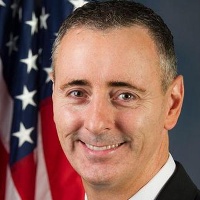
Track Brian's sponsored bills, co-sponsored legislation, and voting record
The ROTOR Act mandates increased transparency for sensitive government flights by narrowing ADS-B exception rules, requires ADS-B In equipment on certain aircraft, and establishes safety reviews for military and civilian operations near major airports.
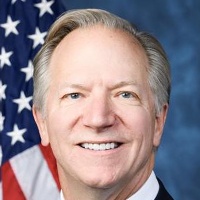
Robert Onder
Representative
MO
Robert Onder
Representative
MO
The ROTOR Act aims to enhance aviation safety and transparency, primarily by narrowing exceptions for disabling ADS-B tracking on government aircraft and mandating that aircraft equipped with ADS-B Out must also install ADS-B In technology. The bill further requires the FAA to conduct comprehensive safety reviews of military and civilian operations in complex airspace, such as around Reagan National Airport. Finally, it mandates formal agreements for the FAA and the Department of the Army to share critical aviation safety data.
This act ensures the uninterrupted storage of National Oceanic and Atmospheric Administration (NOAA) data sets by restricting the Secretary of Commerce's ability to cancel cloud service contracts without a transition plan.
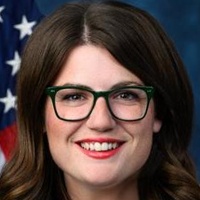
Sarah Elfreth
Representative
MD
Sarah Elfreth
Representative
MD
The NOAA Data Preservation Act aims to ensure the uninterrupted storage of critical National Oceanic and Atmospheric Administration (NOAA) data sets. This legislation restricts the Secretary of Commerce from canceling cloud storage contracts unless a comprehensive plan for seamless data transition and protection is established in collaboration with NOAA. The bill focuses on maintaining continuous access to vital environmental data.
This bill reauthorizes and extends the funding authorization period for large-scale water recycling programs under the Infrastructure Investment and Jobs Act from five to ten years.
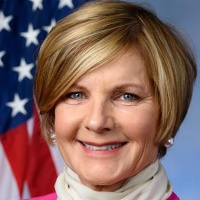
Susie Lee
Representative
NV
Susie Lee
Representative
NV
This bill, the Large-Scale Water Recycling Reauthorization Act, extends the authorization period for a key water recycling program established under the Infrastructure Investment and Jobs Act. Specifically, it doubles the program's authorization from five years to ten years. This action supports continued investment in large-scale water recycling infrastructure.
This bill extends enhanced premium tax credits through 2027, establishes new anti-fraud measures for health insurance enrollment, and extends the 2026 open enrollment period.
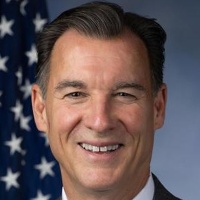
Thomas Suozzi
Representative
NY
Thomas Suozzi
Representative
NY
The Bipartisan Healthcare Optimization, Protection, and Extension (HOPE) Act extends enhanced premium tax credits for health insurance through 2027, making coverage more affordable for eligible individuals. The bill also establishes significant new guardrails and penalties to prevent fraud in health insurance enrollment through the Exchanges. Finally, it extends the annual open enrollment period for the 2026 plan year.
This Act expands access to lung cancer screening under Medicaid and Medicare without cost-sharing or prior authorization, broadens tobacco cessation coverage for all Medicaid individuals, and mandates public education and a demographic report on screening.
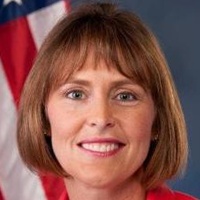
Kathy Castor
Representative
FL
Kathy Castor
Representative
FL
The Increasing Access to Lung Cancer Screening Act aims to expand access to crucial preventative care by mandating that Medicaid and Medicare cover annual lung cancer screenings without cost-sharing or prior authorization for eligible individuals. The bill also expands Medicaid coverage for tobacco cessation services to all beneficiaries and prohibits private health insurance plans from imposing prior authorization for recommended screenings. Finally, it authorizes funding for a national education campaign and requires a report on lung cancer screening demographics.
This bill refines Medicare payment systems to improve patient access to new kidney care treatments, adjusts payment updates based on forecast accuracy, and expands Medicare coverage for kidney disease screening and education.
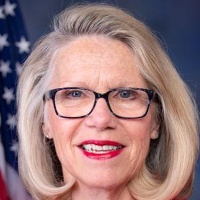
Carol Miller
Representative
WV
Carol Miller
Representative
WV
The Kidney Care Access Protection Act aims to improve patient access to innovative kidney care treatments by reforming Medicare payment systems for new drugs and devices. It also addresses payment stability by adjusting for forecast errors in dialysis service updates and enhances prevention efforts. Finally, the Act expands Medicare coverage for chronic kidney disease screening and education services starting in 2026.
The PLAY Act establishes an interagency task force to improve coordination and develop recommendations for enhancing child wellness infrastructure, focusing on safe and accessible play and outdoor spaces.
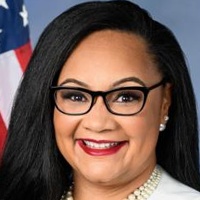
Nikema Williams
Representative
GA
Nikema Williams
Representative
GA
The PLAY Act establishes the Prioritizing Lifestyle and Activity for Youth Act to recognize playgrounds and green spaces as vital public health infrastructure for children's development and well-being. The bill creates an Interagency Task Force on Child Wellness and Physical Activity Infrastructure to improve coordination across federal agencies. This Task Force will identify barriers to access and develop recommendations for building evidence-based play environments that promote health and community resilience.
The Find It Early Act mandates no-cost coverage for additional, recommended breast cancer screenings for high-risk individuals across private insurance, Medicare, Medicaid, TRICARE, and VA health programs starting in 2026.
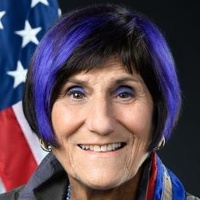
Rosa DeLauro
Representative
CT
Rosa DeLauro
Representative
CT
The Find It Early Act mandates that certain individuals at increased risk for breast cancer receive additional, recommended screenings with no out-of-pocket costs. This coverage requirement applies across private health plans, Medicare, Medicaid, TRICARE, and the Department of Veterans Affairs. These provisions are set to take effect starting January 1, 2026.
This bill establishes a grant program to fund job creation, facility improvements, and programming for nonprofit arts organizations across the country.
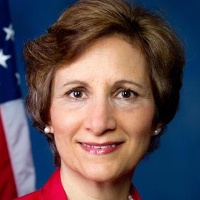
Suzanne Bonamici
Representative
OR
Suzanne Bonamici
Representative
OR
This bill, the CREATIVE Act of 2025, establishes a new federal grant program through the Department of Commerce to support nonprofit arts organizations. These competitive grants aim to increase job opportunities for artists and creative professionals, and improve the quality and availability of arts facilities and programming. Funding can be used for hiring, facility construction/acquisition, or maintenance and repairs.
This bill amends the Water Infrastructure Finance and Innovation Act to expand assistance for small and rural water projects, add new eligible project categories, authorize collaborative delivery methods, and adjust financing and reporting requirements.
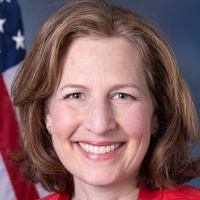
Kim Schrier
Representative
WA
Kim Schrier
Representative
WA
This bill amends the Water Infrastructure Finance and Innovation Act to expand assistance for small and rural water projects by lowering cost thresholds and providing technical support. It also clarifies eligibility for new project types, authorizes collaborative delivery methods like design-build, and adjusts loan maturity dates for long-term infrastructure. Finally, the legislation reauthorizes funding for the Corps of Engineers financing program and mandates several reports to Congress on program implementation.
The Chip EQUIP Act prohibits the use of semiconductor manufacturing equipment from foreign entities of concern in federally funded projects for ten years, with specific exceptions.
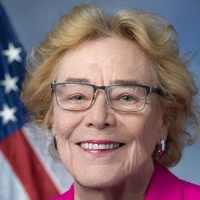
Zoe Lofgren
Representative
CA
Zoe Lofgren
Representative
CA
The Chip EQUIP Act aims to protect U.S. semiconductor investments by prohibiting the use of equipment manufactured or refurbished by foreign entities of concern in projects receiving federal financial assistance. This restriction applies to the procurement, installation, or use of such "ineligible semiconductor manufacturing equipment" for a period of ten years. The bill also outlines specific conditions under which the Secretary may grant a waiver to this prohibition.
This Act enhances U.S. Customs and Border Protection's ability to conduct joint operations in foreign countries to combat drug trafficking, human smuggling, and other security threats.
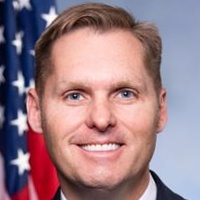
Michael Guest
Representative
MS
Michael Guest
Representative
MS
The Combatting International Drug Trafficking and Human Smuggling Partnership Act of 2025 enhances the ability of U.S. Customs and Border Protection (CBP) to conduct joint operations with foreign governments. This allows CBP personnel to support efforts abroad focused on deterring drug and human smuggling, as well as other security threats. The bill also grants the Secretary authority to pay claims for damages arising from these foreign CBP operations for a limited time.
The PEARL Act establishes a three-year pilot program for U.S. Customs and Border Protection to adopt and train shelter dogs as support dogs.
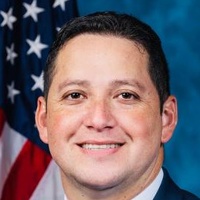
Ernest Gonzales
Representative
TX
Ernest Gonzales
Representative
TX
The PEARL Act establishes a three-year pilot program within U.S. Customs and Border Protection (CBP) to enhance its Support Canine Program. This initiative requires CBP to adopt dogs from local animal shelters and train them to serve as support dogs.
This act establishes the National Strategy for School Security Act of 2025, requiring the Secretary of Homeland Security to develop and annually update a national strategy to secure schools from terrorism threats.
Ernest Gonzales
Representative
TX
Ernest Gonzales
Representative
TX
The National Strategy for School Security Act of 2025 mandates the creation of a comprehensive national strategy to secure K-12 schools from terrorism threats. This strategy, developed by the Secretary of Homeland Security in collaboration with the Secretary of Education, must detail all federal security programs, identify vulnerabilities, and outline goals for improvement. The strategy must be submitted to Congress within one year and updated annually through 2033.
This bill authorizes the minting and sale of commemorative gold, silver, and clad coins in 2029 to celebrate the history and contributions of the United States Foreign Service, with surcharges benefiting the Association for Diplomatic Studies and Training.
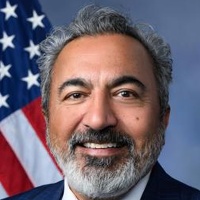
Ami Bera
Representative
CA
Ami Bera
Representative
CA
This Act authorizes the Secretary of the Treasury to mint and issue a series of commemorative gold, silver, and clad coins in 2029 to celebrate the centennial of the United States Foreign Service. The coins will feature designs representing the importance of American diplomacy and the contributions of the Foreign Service. All surcharges collected from the sale of these coins will be paid to the Association for Diplomatic Studies and Training to support its historical preservation work. The Treasury must ensure that the minting and issuance of these coins result in no net cost to the U.S. government.
This bill directs the Department of Defense to establish a pilot program partnering basic needs banks with military installations to provide essential diapers and diapering supplies to military families.
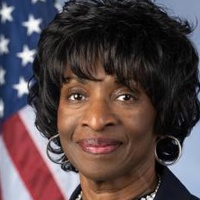
Valerie Foushee
Representative
NC
Valerie Foushee
Representative
NC
This bill directs the Secretary of Defense to establish a pilot program creating partnerships between military installations and qualified basic needs banks. The goal of this program is to provide essential diapers and diapering supplies to military families in need. The Secretary must also seek collaboration with the National Diaper Bank Network for technical assistance and program evaluation.
This bill establishes sanctions against foreign individuals responsible for human rights violations against LGBTQI people and mandates enhanced tracking and reporting of such abuses in annual human rights reports.
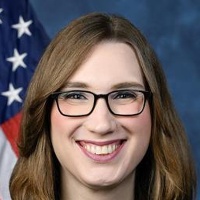
Sarah McBride
Representative
DE
Sarah McBride
Representative
DE
The Global Respect Act aims to promote and protect the human rights of LGBTQI individuals worldwide. It mandates the President to identify and report foreign persons responsible for human rights violations against LGBTQI people, leading to their inadmissibility to the United States. Furthermore, the Act requires enhanced tracking and reporting of violence and discrimination targeting individuals based on sexual orientation, gender identity, or sex characteristics in the annual human rights reports.
This act mandates Medicare coverage for FDA-approved early detection screening tests for Alzheimer's disease and related dementias beginning in 2028.

Vern Buchanan
Representative
FL
Vern Buchanan
Representative
FL
The Alzheimer’s Screening and Prevention Act of 2025 (ASAP Act) amends Medicare to cover early detection screening tests for Alzheimer's disease and related dementias starting in 2028. This coverage applies to FDA-cleared tests, including genomic sequencing and other equivalent diagnostic methods, designed to detect pre-symptomatic or early-stage conditions. The bill ensures these screenings are added to the list of covered medical services under Medicare.
This Act establishes grant programs and student loan repayment to increase the number of mental health service providers working in low-income schools.
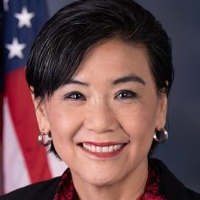
Judy Chu
Representative
CA
Judy Chu
Representative
CA
The Increasing Access to Mental Health in Schools Act establishes grant programs to build pipelines that train and place more mental health providers in low-income schools. It also creates a student loan repayment program for providers who commit to working in these underserved districts for five years. The bill aims to improve student support ratios by increasing the number of school counselors, psychologists, and social workers in high-need areas. Finally, it mandates a study to develop future criteria for identifying areas with mental health provider shortages.
This bill requires a report assessing the capacity and resource needs of the U.S. Mission in Australia to support growing U.S. government operations and objectives.
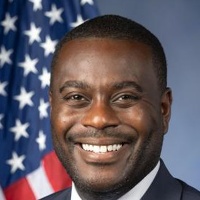
Gabe Amo
Representative
RI
Gabe Amo
Representative
RI
The Promoting Diplomacy with Australia Act mandates a comprehensive report from the State Department assessing the capacity of the U.S. Mission in Australia. This report must detail planned growth in staffing and operations through 2030, identify resource gaps, and recommend necessary funding to support key U.S. objectives and the U.S.-Australia alliance.