Legislative Activity
Track Brian's sponsored bills, co-sponsored legislation, and voting record
This act expands Medicaid recognition of podiatrists as physicians and streamlines Medicare documentation requirements for diabetic therapeutic shoes.
John Joyce
Representative
PA
John Joyce
Representative
PA
The Diabetes Foot Health Access and Modernization Act of 2026 improves patient care by officially recognizing doctors of podiatric medicine as physicians within the Medicaid program. Additionally, the bill streamlines Medicare documentation requirements to ensure patients with diabetes have better access to essential therapeutic footwear.
This bill establishes a grant program to reimburse state, local, and tribal law enforcement agencies for the costs of protecting non-governmental properties designated for U.S. Secret Service protection.
Greg Landsman
Representative
OH
Greg Landsman
Representative
OH
The Secret Service-Local Law Enforcement Partnership Act of 2026 establishes a grant program to reimburse state, local, and tribal law enforcement agencies for the costs of protecting non-governmental properties designated for Secret Service protection. The bill provides funding for personnel, equipment, and operational expenses incurred while protecting eligible individuals at their private residences or offices. Additionally, it mandates strict oversight, including annual audits and reporting requirements, to ensure the transparent and effective use of federal funds.
The SUPER BUGS Act of 2026 mandates the development of a coordinated international strategy to accelerate the creation and deployment of medical countermeasures against pandemic threats and antimicrobial-resistant pathogens.
Mike Levin
Representative
CA
Mike Levin
Representative
CA
The SUPER BUGS Act of 2026 aims to strengthen U.S. national security by fostering international collaboration to combat emerging infectious diseases and antimicrobial-resistant pathogens. The bill directs the Secretary of State and the Secretary of Health and Human Services to develop and implement a global strategy for the coordinated development, commercialization, and deployment of pandemic and epidemic products. By enhancing partner countries' public health capabilities, this legislation seeks to detect and contain health threats before they reach the United States.
The STEAM Act streamlines the environmental review process under NEPA for geothermal energy projects by applying the existing expedited procedures used for oil and gas development.
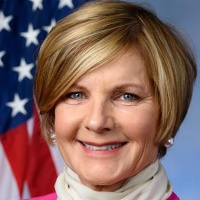
Susie Lee
Representative
NV
Susie Lee
Representative
NV
The STEAM Act aims to streamline the environmental review process for geothermal energy projects under the National Environmental Policy Act (NEPA). It amends existing law to treat geothermal exploration and development similarly to oil and gas projects, applying the same expedited review procedures. This change is intended to accelerate the deployment of geothermal energy resources.
The BRUSH Fires Act mandates a comprehensive study by the Forest Service to improve wildfire mitigation strategies and effectiveness specifically within shrubland ecosystems.
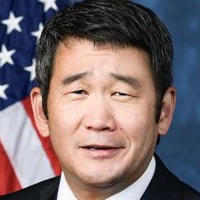
Dave Min
Representative
CA
Dave Min
Representative
CA
The BRUSH Fires Act mandates a comprehensive, one-year study by the Forest Service to evaluate the effectiveness of current wildfire mitigation methods in shrubland ecosystems. This study must analyze fuel management, ignition source control, and implementation hurdles to determine best practices. The resulting report will provide Congress with recommendations for improving fire risk reduction and enhancing partnerships to protect communities near wildlands.
The Safe SPEEDS Act directs the Consumer Product Safety Commission to establish national safety, classification, and labeling standards for electric bicycles and off-road electric devices to improve consumer safety.
Dave Min
Representative
CA
Dave Min
Representative
CA
The Safe SPEEDS Act directs the Consumer Product Safety Commission to establish national safety, classification, and labeling standards for electric bicycles and off-road electric devices. This legislation aims to improve consumer safety by requiring clear age recommendations, standardized device labeling, and ongoing federal analysis of crash data. Additionally, the bill authorizes grant funding to support state and local enforcement, data collection, and public safety education initiatives.
This Act amends the Fair Housing Act to establish survivors of domestic violence, sexual assault, or severe forms of trafficking as a protected class, prohibiting housing discrimination against them.
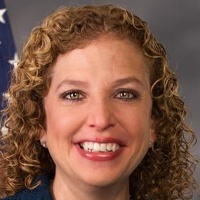
Debbie Wasserman Schultz
Representative
FL
Debbie Wasserman Schultz
Representative
FL
The Fair Housing for Survivors Act of 2026 amends the Fair Housing Act to establish survivors of domestic violence, sexual assault, or severe forms of trafficking as a protected class. This makes it illegal to discriminate against these individuals in housing transactions, including rentals, sales, and financing. The bill aims to ensure survivors can secure and maintain safe housing free from further victimization.
This bill authorizes the Department of Housing and Urban Development to prioritize housing grants for projects located in or serving designated Opportunity Zones.
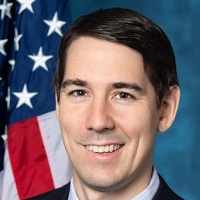
Josh Harder
Representative
CA
Josh Harder
Representative
CA
This bill authorizes the Secretary of Housing and Urban Development (HUD) to prioritize competitive housing grants for projects located in or serving federally designated Opportunity Zones. By providing additional weight to these applications, the legislation aims to incentivize the construction, rehabilitation, and preservation of housing in low-income communities.
This act reauthorizes the Young Fishermen's Development Act through fiscal year 2031.
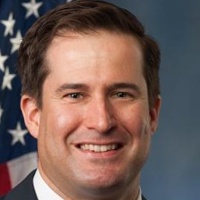
Seth Moulton
Representative
MA
Seth Moulton
Representative
MA
This act reauthorizes the Young Fishermen's Development Act through fiscal year 2031. It is named in honor of Captain Accursio “Gus” Sanfilippo.
This bill mandates the Secretary of the Interior to establish and maintain a single, unified list of designated critical minerals and materials, consolidating existing designations from the Department of the Interior and the Department of Energy.
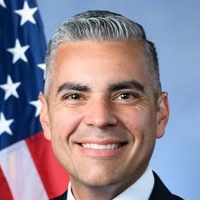
Juan Ciscomani
Representative
AZ
Juan Ciscomani
Representative
AZ
The Critical Mineral Consistency Act of 2025 mandates the Secretary of the Interior to create and maintain a single, unified list of designated critical minerals and materials. This list must incorporate existing designations from both the Department of the Interior and the Department of Energy. Federal agencies must use the most current version of this unified list when administering relevant programs.
The HEALTHY BRAINS Act of 2026 establishes a federal research program and a network of collaborative centers to investigate environmental risk factors contributing to neurodegenerative diseases.
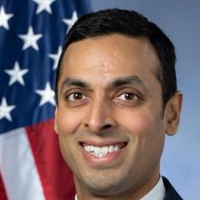
Suhas Subramanyam
Representative
VA
Suhas Subramanyam
Representative
VA
The HEALTHY BRAINS Act of 2026 establishes a comprehensive federal research program to investigate how environmental factors contribute to neurodegenerative diseases like Alzheimer’s and Parkinson’s. The bill creates a network of Collaborative Centers for Neurodegenerative Disease Environmental Research to advance scientific understanding, improve prevention strategies, and develop new treatments. This initiative is supported by $50 million in annual funding through 2031 to foster interdisciplinary research and public health education.
The Railway Safety Act of 2026 mandates stricter safety standards for trains carrying hazardous materials, increases penalties for violations, and expands emergency response funding for hazmat incidents.
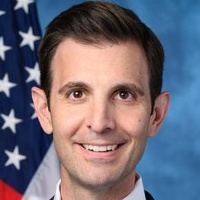
Chris Deluzio
Representative
PA
Chris Deluzio
Representative
PA
The Railway Safety Act of 2026 significantly enhances rail safety by imposing stricter operational rules, mandatory minimum crew sizes, and increased penalties for hazardous material trains. It also bolsters emergency preparedness by expanding funding and training programs for local responders. The bill aims to prevent derailments and improve community response capabilities through comprehensive new federal oversight.
This bill mandates a joint VA-DOD review of mental health support programs for transitioning service members and requires regular updates to Congress on their effectiveness.
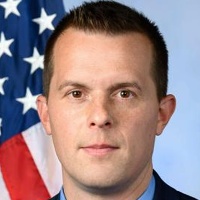
Jared Golden
Representative
ME
Jared Golden
Representative
ME
This Act mandates that the VA-DOD Joint Executive Committee conduct a comprehensive inventory and effectiveness assessment of mental health services available to transitioning service members. The Committee must then report its findings, including recommendations for improvement, to Congress. Additionally, the bill requires a regular review of the joint separation health assessment to ensure its continued relevance.
The Specialty CROP Act of 2026 mandates an annual report to Congress identifying and analyzing foreign trade barriers that hinder the competitiveness of United States specialty crop exports.
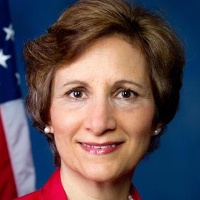
Suzanne Bonamici
Representative
OR
Suzanne Bonamici
Representative
OR
The Specialty CROP Act of 2026 mandates an annual report from the Secretary of Agriculture to Congress regarding the competitiveness of U.S. specialty crop exports. This legislation requires the identification and analysis of foreign trade barriers, their economic impact, and the executive branch's ongoing efforts to resolve these issues. By incorporating public and industry input, the Act aims to increase transparency and support the global market presence of American specialty crops.
Gwenn's Law establishes public awareness campaigns to boost women's participation in clinical trials and raise awareness of bleeding disorders, while also creating a task force and action plan to advance rare disease treatments, particularly those affecting women.
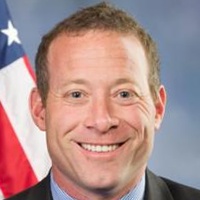
Josh Gottheimer
Representative
NJ
Josh Gottheimer
Representative
NJ
Gwenn's Law aims to boost the participation of women in NIH clinical trials through a targeted public awareness campaign. The bill also mandates a separate campaign to increase women's awareness and involvement in research concerning bleeding and clotting disorders. Furthermore, it establishes a permanent Interagency Task Force and requires an action plan to better coordinate federal efforts on rare diseases that disproportionately affect women.
The Enhanced Cybersecurity for SNAP Act of 2026 mandates a transition to secure chip-enabled EBT cards, strengthens digital fraud protections, and improves account management accessibility for SNAP beneficiaries.

Dan Goldman
Representative
NY
Dan Goldman
Representative
NY
The Enhanced Cybersecurity for SNAP Act of 2026 mandates a transition to secure, chip-enabled EBT cards to better protect Supplemental Nutrition Assistance Program (SNAP) benefits from fraud and skimming. The bill requires states to implement modernized digital account management tools, establishes new federal cybersecurity standards for online transactions, and prohibits fees for replacing compromised or malfunctioning cards. Additionally, it provides funding to help retailers upgrade to secure payment terminals and requires regular reporting to Congress on program security and benefit theft trends.
This bill expands access to homeownership by including federal credit unions in the definition of community financial institutions eligible for Federal Home Loan Bank programs.
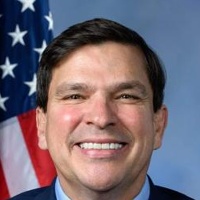
Vicente Gonzalez
Representative
TX
Vicente Gonzalez
Representative
TX
This bill, the MORE Opportunities for Homeownership Act, aims to expand access to homeownership by updating federal regulations. Specifically, it broadens the definition of "community financial institution" under the Federal Home Loan Bank Act to include federal credit unions. This change allows more institutions to participate in programs designed to support homeownership opportunities.
This bill expresses support for the National FFA Organization by designating February 21-28, 2026, as National FFA Week and celebrating the 50th anniversary of the Alaska State FFA Association.
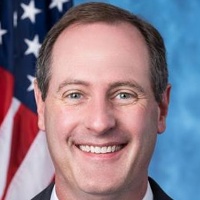
Tracey Mann
Representative
KS
Tracey Mann
Representative
KS
This resolution expresses support for the National FFA Organization and designates February 21–28, 2026, as National FFA Week. It recognizes the FFA's vital role in developing future leaders through agricultural education. The bill also celebrates the 50th anniversary of the chartering of the Alaska State FFA Association.
The Iran Human Rights, Internet Freedom, and Accountability Act of 2026 aims to support the Iranian people by expanding internet access, strengthening sanctions against regime officials, and establishing a Treasury initiative to combat Iranian government corruption and kleptocracy.
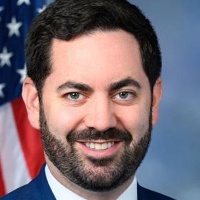
Michael Lawler
Representative
NY
Michael Lawler
Representative
NY
The Iran Human Rights, Internet Freedom, and Accountability Act of 2026 aims to support the Iranian people by expanding access to uncensored internet and communication technologies. The bill strengthens U.S. policy against regime repression by mandating investigations into human rights abuses and establishing a new Treasury initiative to combat corruption and money laundering by Iranian officials. Additionally, it enhances congressional oversight of sanctions and promotes independent media to counter state-sponsored censorship.
This act awards the Congressional Gold Medal to the Freedom House Ambulance Service in recognition of its pioneering role in developing the modern paramedic system and its contributions to emergency medical services.
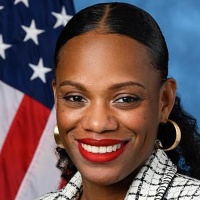
Summer Lee
Representative
PA
Summer Lee
Representative
PA
The Freedom House Ambulance Service Congressional Gold Medal Act honors the pioneering Pittsburgh-based service that established the model for modern emergency medical care. As the nation’s first paramedic program, Freedom House revolutionized life-saving techniques while providing vital job training to the Black community. This legislation awards a Congressional Gold Medal to the service to commemorate its enduring contributions to both medical innovation and civil rights.