Legislative Activity
Track Brian's sponsored bills, co-sponsored legislation, and voting record
This Act establishes the United States-Israel Defense Technology Cooperation Initiative to accelerate joint research, development, and integration of defense technologies between the two nations.
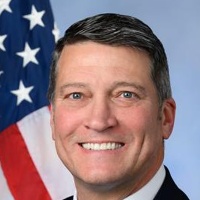
Ronny Jackson
Representative
TX
Ronny Jackson
Representative
TX
This bill establishes the United States-Israel Defense Technology Cooperation Initiative to accelerate joint research, development, and integration of critical defense technologies. The initiative focuses on key areas like AI, missile defense, and counter-drone systems to enhance the security and technological edge of both nations. It mandates regular reporting to Congress on progress and authorizes funding for fiscal years 2027 through 2029.
This bill officially designates the United States Postal Service facility at 4431 Main Street in Philadelphia, Pennsylvania, as the "Dr. Constance 'Connie' E. Clayton Post Office."
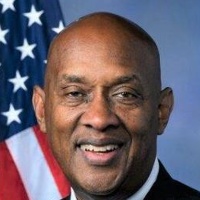
Dwight Evans
Representative
PA
Dwight Evans
Representative
PA
This bill officially designates the United States Postal Service facility at 4431 Main Street in Philadelphia, Pennsylvania, as the "Dr. Constance 'Connie' E. Clayton Post Office." The legislation ensures that all federal records and documents will henceforth refer to the location by its new name.
This bill officially recognizes the cultural and historical significance of Lunar New Year in 2026 and expresses respect for those who celebrate it.
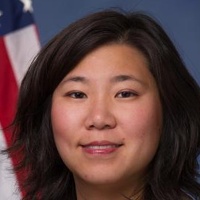
Grace Meng
Representative
NY
Grace Meng
Representative
NY
This bill officially recognizes the cultural and historical significance of Lunar New Year, specifically in 2026, the Year of the Horse. It expresses deep respect for Asian American communities and all who celebrate this important occasion. The resolution concludes by offering wishes for a happy and prosperous new year to all observers.
This act mandates that the FAA immediately apply the same flightcrew duty and rest requirements currently used for passenger operations to all-cargo operations.
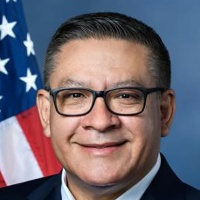
Salud Carbajal
Representative
CA
Salud Carbajal
Representative
CA
The Safe Skies Act of 2026 mandates the Department of Transportation to immediately apply the existing Federal Aviation Administration (FAA) duty and rest requirements for passenger flightcrews to all-cargo operations. This change aims to standardize safety protocols across both sectors. The required modification must be enacted within 30 days of the law's passage.
This bill officially renames the United States Postal Service facility in Mahaffey, Pennsylvania, as the "Robert Allen Bishop, Sr. Post Office Building."
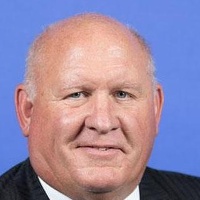
Glenn Thompson
Representative
PA
Glenn Thompson
Representative
PA
This bill officially renames the United States Postal Service facility located at 10 East Main Street in Mahaffey, Pennsylvania. The facility will now be known as the "Robert Allen Bishop, Sr. Post Office Building." This designation will apply to all future official federal references to the building.
This Act establishes the Wildland Fire Management Casualty Assistance Program to provide comprehensive support, travel assistance, and benefit information to the next-of-kin of firefighters seriously injured or killed during wildland fire incidents.
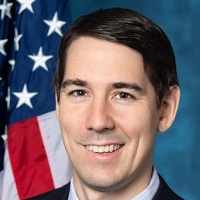
Josh Harder
Representative
CA
Josh Harder
Representative
CA
The Ensuring Casualty Assistance for our Firefighters Act establishes the Wildland Fire Management Casualty Assistance Program to support the next-of-kin of firefighters or staff seriously injured, critically ill, or killed during wildland fire incidents. This program mandates comprehensive support, including travel assistance for families, immediate access to case management and counseling, and clear information on all available federal benefits. It ensures a structured, coordinated federal response to provide timely and thorough assistance to survivors without altering existing death benefits.
This bill establishes U.S. policy to oppose international financial institution loans for projects that use or risk using forced labor, particularly in the Xinjiang Uyghur Autonomous Region.
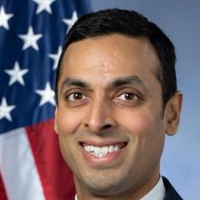
Suhas Subramanyam
Representative
VA
Suhas Subramanyam
Representative
VA
The No Funds for Forced Labor Act aims to prevent U.S. support for international financial institution loans that fund projects involving forced labor, particularly in the Xinjiang Uyghur Autonomous Region. It directs the Treasury Secretary to use U.S. influence to oppose such loans and requires annual reporting on these efforts. Congress asserts that international financial institutions should not fund entities credibly accused of using forced labor.
This bill establishes a pilot grant program through a new Child Care and Development Innovation Fund to expand child care access for parents working nontraditional hours.
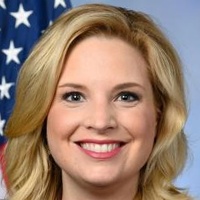
Ashley Hinson
Representative
IA
Ashley Hinson
Representative
IA
The After Hours Child Care Act establishes a new Child Care and Development Innovation Fund to improve access to care for parents working nontraditional hours. This fund supports a competitive pilot grant program managed by the Secretary of Health and Human Services. Grants will help eligible entities expand capacity, contract services, or establish new programs specifically serving families with irregular work schedules. The goal is to help these parents maintain employment and advance their careers.
The FAIR Act establishes a 3.1% pay increase for most federal employees in 2027, along with a 1% adjustment to locality pay.
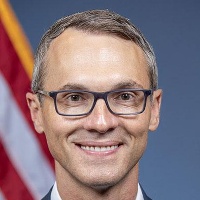
James Walkinshaw
Representative
VA
James Walkinshaw
Representative
VA
The FAIR Act establishes a 3.1% pay increase for General Schedule and prevailing rate federal employees in 2027. Additionally, the bill mandates a 1% increase to federal locality pay rates for the same year.
The Airborne Act of 2026 establishes a new business tax credit for improving indoor air quality through assessments, air cleaning system upgrades, and HVAC upgrades in commercial, public, and nonprofit buildings, with increased credits for meeting prevailing wage and apprenticeship standards.
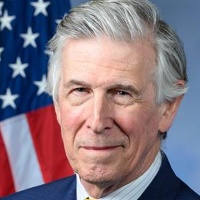
Donald Beyer
Representative
VA
Donald Beyer
Representative
VA
The Airborne Act of 2026 establishes a new business tax credit to incentivize improvements in indoor air quality for commercial, public, and nonprofit buildings. This credit covers costs for air quality assessments, air cleaning system upgrades, and HVAC upgrades, with significantly increased amounts available for projects meeting prevailing wage and apprenticeship standards. The Act also creates a voluntary indoor air quality certification program managed by the Department of Energy and the EPA.
This resolution expresses support for designating February 2026 as National Teen Dating Violence Awareness and Prevention Month to promote healthy relationships and address the public health impact of teen dating violence.
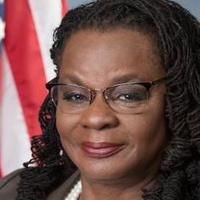
Gwen Moore
Representative
WI
Gwen Moore
Representative
WI
This resolution expresses support for designating February 2026 as "National Teen Dating Violence Awareness and Prevention Month." It recognizes the significant public health impact of teen dating violence and calls on communities nationwide to observe the month with awareness and prevention activities. The goal is to empower teens to build healthy relationships.
This bill authorizes the minting of special $2.50 commemorative coins for the 250th anniversary of the Declaration of Independence and mandates a study on the feasibility of issuing a $2.50 coin for general circulation.
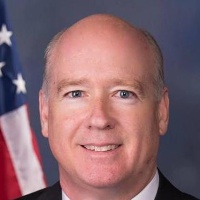
Robert Aderholt
Representative
AL
Robert Aderholt
Representative
AL
This act establishes the "$2.50 for America's 250th Act" to commemorate the 250th anniversary of the Declaration of Independence. It authorizes the Treasury to mint and issue special commemorative gold, silver, and clad $2.50 coins featuring designs from the 1926 Sesquicentennial coin. Additionally, the bill mandates a study on the feasibility of minting and issuing a $2.50 coin for wide circulation.
This resolution expresses support for designating 2026 as the "National Year of the Volunteer" to honor service and encourage nationwide community engagement.
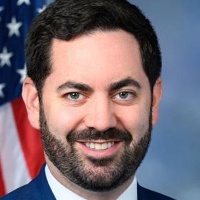
Michael Lawler
Representative
NY
Michael Lawler
Representative
NY
This resolution expresses support for designating 2026 as the "National Year of the Volunteer" to celebrate and recommit to community service. It recognizes the vital role volunteers play in strengthening communities despite recent declines in volunteer rates. The designation encourages nationwide efforts to highlight service opportunities in honor of the nation's 250th anniversary.
This act reauthorizes and expands funding for the WISEWOMAN program to provide additional heart health preventive services to low-income women.
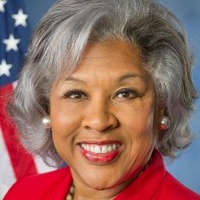
Joyce Beatty
Representative
OH
Joyce Beatty
Representative
OH
The Women’s Heart Health Expansion Act of 2026 reauthorizes the WISEWOMAN program through fiscal year 2031, securing significant funding for women's health initiatives. This legislation allows for supplemental grants to expand preventive health services, such as blood pressure and cholesterol screenings, to low-income women. These services will be integrated with existing breast and cervical cancer screening programs.
This act exempts recipients of the Purple Heart or Medal of Honor from paying U.S. passport fees.
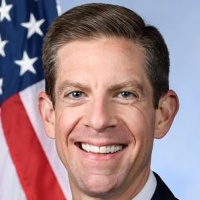
Mike Levin
Representative
CA
Mike Levin
Representative
CA
This bill, the "Passports for Purple Hearts and Medals of Honor Act," exempts recipients of the Purple Heart and Medal of Honor from paying standard U.S. passport fees. It directs the State Department to coordinate with the Department of Defense to establish verification procedures for these eligible applicants.
This act makes the Department of Veterans Affairs' telescreening mammography program permanent and expands access to mammography services for veterans in every state and Puerto Rico.
Glenn Thompson
Representative
PA
Glenn Thompson
Representative
PA
The Mammography Access for Veterans Act of 2025 permanently expands and enhances the Department of Veterans Affairs' telescreening mammography program. This legislation mandates that within two years, every state and Puerto Rico must have access to VA-provided breast imaging services, including telescreening, full-service, or mobile options. Furthermore, it ensures these vital services are fully accessible to veterans with disabilities.
This Act prohibits the air transport of adult roosters, with an exemption for legitimate commercial agricultural purposes, to enhance aviation safety and combat illegal fighting operations.
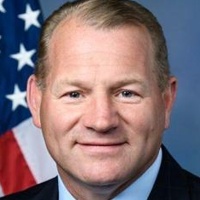
Troy Nehls
Representative
TX
Troy Nehls
Representative
TX
The No Flight, No Fight Act of 2026 restricts the air transportation of adult roosters to enhance aviation safety and combat illegal activities like cockfighting. The bill prohibits air carriers from knowingly transporting adult roosters as cargo, with an exemption for shipments related to certified commercial farms for legitimate agricultural purposes. Enforcement authority rests with the Secretary of Transportation, and violations are subject to civil penalties.
The PASTEUR Act of 2026 establishes a subscription-style contract program to incentivize the development and ensure the availability of novel antimicrobials against urgent threats while promoting their appropriate use.
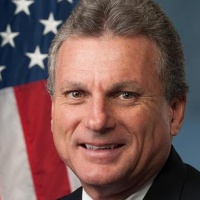
Earl Carter
Representative
GA
Earl Carter
Representative
GA
The PASTEUR Act of 2026 aims to combat antimicrobial resistance by creating a subscription-style contract program to incentivize the research and development of new, life-saving antibiotics. This program will provide substantial annual payments to drug sponsors for ensuring the availability and appropriate use of eligible antimicrobials targeting urgent threats. The bill also establishes grants to promote stewardship programs in healthcare facilities and enhance national surveillance of resistance data.
This bill mandates that mail-in ballot envelopes for federal elections starting in 2026 must include a U.S. Postal Service barcode for tracking.
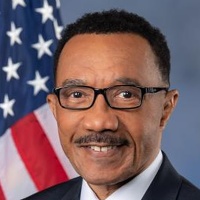
Kweisi Mfume
Representative
MD
Kweisi Mfume
Representative
MD
The Vote by Mail Tracking Act mandates that all mail-in ballot envelopes for federal elections starting in 2026 must include a U.S. Postal Service barcode for tracking. This ensures enhanced transparency and traceability for every mailed ballot. The bill also requires the Postal Service to provide necessary compliance information to election officials annually.
The Internet Reach and Access Now Act establishes a program to counter Iranian internet censorship by funding technologies like VPNs and eSIMs, safeguarding satellite access, and training civil society groups to ensure the free flow of information.
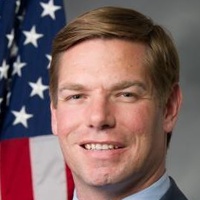
Eric Swalwell
Representative
CA
Eric Swalwell
Representative
CA
The Internet Reach and Access Now (IRAN) Act establishes a program to counter Iranian government censorship by providing technologies and support to help citizens access the open internet. It directs the Secretary of State to coordinate efforts, update strategies to ensure sanctions don't block access tools, and safeguard satellite coverage over Iran. The bill authorizes significant funding to support these initiatives, including cybersecurity training for Iranian civil society.