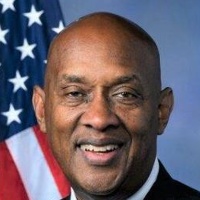
Legislative Activity
Track Dwight's sponsored bills, co-sponsored legislation, and voting record
This bill establishes a comprehensive Transgender Bill of Rights to codify and protect the rights of transgender and nonbinary people across healthcare, employment, legal recognition, and safety.

Pramila Jayapal
Representative
WA
Pramila Jayapal
Representative
WA
This resolution establishes a comprehensive Transgender Bill of Rights to codify and protect the rights of transgender and nonbinary people across the United States. It mandates federal action to ensure equal access to healthcare, employment, housing, legal recognition, and safety. The bill aims to eliminate discrimination and affirm bodily autonomy by amending existing federal civil rights laws.
This bill officially renames the United States Postal Service facility in Mahaffey, Pennsylvania, as the "Robert Allen Bishop, Sr. Post Office Building."
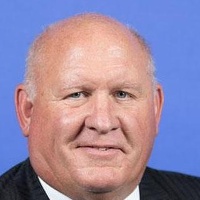
Glenn Thompson
Representative
PA
Glenn Thompson
Representative
PA
This bill officially renames the United States Postal Service facility located at 10 East Main Street in Mahaffey, Pennsylvania. The facility will now be known as the "Robert Allen Bishop, Sr. Post Office Building." This designation will apply to all future official federal references to the building.
The FAIR Act establishes a 3.1% pay increase for most federal employees in 2027, along with a 1% adjustment to locality pay.
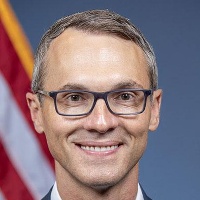
James Walkinshaw
Representative
VA
James Walkinshaw
Representative
VA
The FAIR Act establishes a 3.1% pay increase for General Schedule and prevailing rate federal employees in 2027. Additionally, the bill mandates a 1% increase to federal locality pay rates for the same year.
This bill authorizes the minting of special $2.50 commemorative coins for the 250th anniversary of the Declaration of Independence and mandates a study on the feasibility of issuing a $2.50 coin for general circulation.
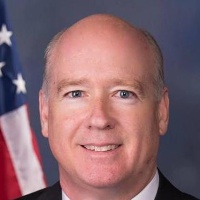
Robert Aderholt
Representative
AL
Robert Aderholt
Representative
AL
This act establishes the "$2.50 for America's 250th Act" to commemorate the 250th anniversary of the Declaration of Independence. It authorizes the Treasury to mint and issue special commemorative gold, silver, and clad $2.50 coins featuring designs from the 1926 Sesquicentennial coin. Additionally, the bill mandates a study on the feasibility of minting and issuing a $2.50 coin for wide circulation.
This resolution recognizes January 2026 as National Mentoring Month to honor mentors and promote quality mentoring programs for America's youth.
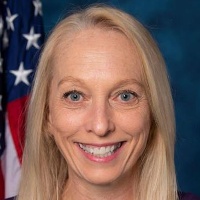
Mary Scanlon
Representative
PA
Mary Scanlon
Representative
PA
This resolution officially recognizes January 2026 as National Mentoring Month to honor the dedicated staff and volunteers in mentoring programs. It highlights the significant benefits of mentoring, such as boosting educational achievement and reducing juvenile delinquency. The bill encourages the growth of quality mentoring programs nationwide to ensure more young people have supportive adult connections.
This resolution expresses support for designating 2026 as the "National Year of the Volunteer" to honor service and encourage nationwide community engagement.
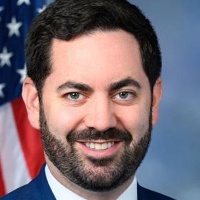
Michael Lawler
Representative
NY
Michael Lawler
Representative
NY
This resolution expresses support for designating 2026 as the "National Year of the Volunteer" to celebrate and recommit to community service. It recognizes the vital role volunteers play in strengthening communities despite recent declines in volunteer rates. The designation encourages nationwide efforts to highlight service opportunities in honor of the nation's 250th anniversary.
This bill recognizes the historic significance of the Greensboro Four sit-in, which launched a nationwide movement against racial inequality, and encourages its inclusion in educational curricula.
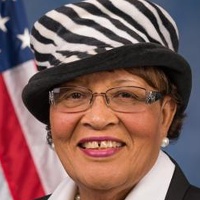
Alma Adams
Representative
NC
Alma Adams
Representative
NC
This bill recognizes the historic 1960 Greensboro Four sit-in, honoring the students whose peaceful protest launched a nationwide movement against segregation. It designates February 1, 2026, as the 66th anniversary, coinciding with the start of Black History Month. Furthermore, the bill encourages states to include the Greensboro Four's contributions in educational curricula.
This resolution expresses the House's commitment to defending the Fourteenth Amendment's guarantees of birthright citizenship, due process, and equal protection for all Americans.
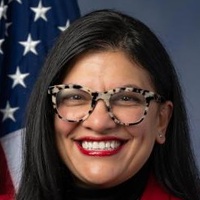
Rashida Tlaib
Representative
MI
Rashida Tlaib
Representative
MI
This resolution expresses the sense of the House that the United States must recommit to defending the rights guaranteed by the Fourteenth Amendment. It affirms the Amendment as the foundation of multiracial democracy, ensuring birthright citizenship, due process, and equal protection under the law. The bill directs Congress to oppose any action that weakens these constitutional guarantees. Ultimately, it calls for upholding the promise of freedom and equality for all Americans.
The Rebuild America’s Schools Act of 2026 establishes federal grant and bond programs to provide billions of dollars for the long-term improvement, modernization, and repair of public school facilities, prioritizing health, safety, and environmental conditions in high-need districts.
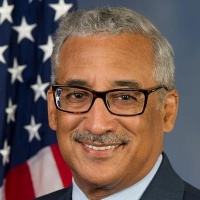
Robert Scott
Representative
VA
Robert Scott
Representative
VA
The **Rebuild America’s Schools Act of 2026** establishes major federal funding streams, including grants and tax-credit bonds, to modernize and repair public school facilities nationwide from 2027 through 2031. The legislation prioritizes districts with the greatest need, focusing on improving student health, safety, and environmental conditions in school buildings. It also mandates increased transparency through public databases tracking facility conditions and requires specific labor and "Buy America" standards for funded construction projects.
This act imposes a 100% tax on civil damages received by a sitting U.S. President or related persons from lawsuits filed against the United States during their term in office.
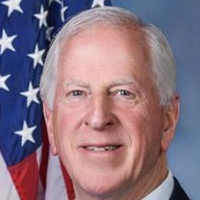
Mike Thompson
Representative
CA
Mike Thompson
Representative
CA
The Prevent Presidential Profiteering Act imposes a 100% tax on certain civil damages received by a sitting U.S. President or their related persons from lawsuits filed against the United States during their term in office. This tax is levied on the "qualified civil action amount" received from such litigation. These damages are specifically excluded from regular gross income for standard income tax purposes.
This bill mandates that mail-in ballot envelopes for federal elections starting in 2026 must include a U.S. Postal Service barcode for tracking.
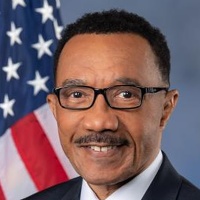
Kweisi Mfume
Representative
MD
Kweisi Mfume
Representative
MD
The Vote by Mail Tracking Act mandates that all mail-in ballot envelopes for federal elections starting in 2026 must include a U.S. Postal Service barcode for tracking. This ensures enhanced transparency and traceability for every mailed ballot. The bill also requires the Postal Service to provide necessary compliance information to election officials annually.
This bill designates the week of February 2-6, 2026, as National School Counseling Week to honor school counselors and promote awareness of their vital role in student success.
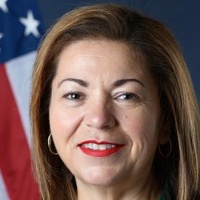
Linda Sánchez
Representative
CA
Linda Sánchez
Representative
CA
This bill officially designates the week of February 2, 2026, through February 6, 2026, as National School Counseling Week. It aims to honor school counselors and encourage public recognition of their vital contributions to student success. The observance promotes awareness of the crucial role counselors play in preparing students for fulfilling lives.
This bill establishes new structures within the Financial Stability Oversight Council and mandates updated guidance for banking regulators and the Federal Insurance Office to assess and mitigate climate-related financial risks across the U.S. financial system.
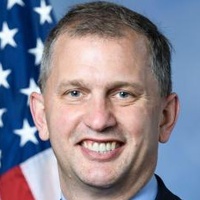
Sean Casten
Representative
IL
Sean Casten
Representative
IL
The Addressing Climate Financial Risk Act of 2026 establishes new structures within the Financial Stability Oversight Council to identify and mitigate climate-related risks to the U.S. financial system. It mandates updated supervisory guidance for large financial institutions and requires comprehensive annual reports assessing these risks. Furthermore, the bill directs the Federal Insurance Office to report on climate risks in the insurance sector and collect detailed homeowners insurance data.
This Act establishes a grant program administered by the Attorney General to fund library services in prisons to advance reintegration, reduce recidivism, and increase educational opportunities for incarcerated individuals.
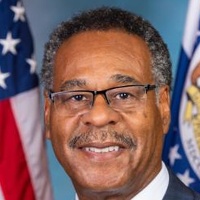
Emanuel Cleaver
Representative
MO
Emanuel Cleaver
Representative
MO
The Prison Libraries Act of 2026 establishes a federal grant program, administered by the Attorney General, to fund essential library services for incarcerated individuals. These grants aim to reduce recidivism and boost reintegration efforts by supporting education, job training, and access to modern library materials. States and territories can apply for these renewable, multi-year grants, which must be used strictly for library-related activities and cannot charge inmates for access to resources.
This bill mandates the removal of U.S. Armed Forces from Venezuela unless explicitly authorized by Congress.
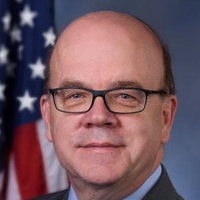
James McGovern
Representative
MA
James McGovern
Representative
MA
This bill mandates the President to withdraw all United States Armed Forces from Venezuela. This action is required unless Congress has formally declared war or passed specific legislation authorizing the use of military force in that country.
This Act mandates the translation of federal gun violence prevention materials and prioritizes grant funding for outreach to limited English proficient populations.
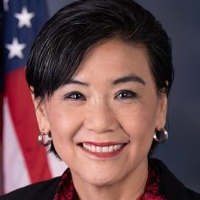
Judy Chu
Representative
CA
Judy Chu
Representative
CA
The Language Access to Gun Violence Prevention Strategies Act of 2026 mandates that federal agencies translate critical gun violence prevention materials into priority languages. It prioritizes federal grant funding for efforts that include targeted outreach to limited English proficient populations. The Act also establishes national public awareness campaigns by the DOJ and HHS specifically designed to increase language access to prevention strategies like Extreme Risk Protection Orders.
This bill establishes competitive federal grants for states to implement and expand financial literacy education in public elementary and secondary schools.
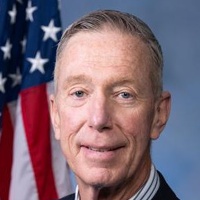
Stephen Lynch
Representative
MA
Stephen Lynch
Representative
MA
The Youth Financial Learning Act establishes a competitive grant program to incentivize states to integrate comprehensive financial literacy education into public elementary and secondary schools. State educational agencies will receive federal grants to award subgrants to local school districts for implementing and expanding curriculum on topics like credit and student loans. States must secure matching funds and prioritize districts demonstrating the greatest need to ensure broad access to financial education.
This Act mandates federal agencies to establish civil rights offices and report biennially on efforts to mitigate bias and discrimination in covered algorithmic systems that affect protected characteristics.
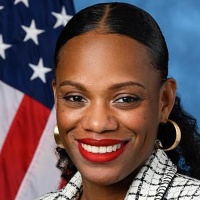
Summer Lee
Representative
PA
Summer Lee
Representative
PA
The Eliminating Bias in Algorithmic Systems Act of 2026 mandates that federal agencies address bias and discrimination in automated systems that materially affect individuals based on protected characteristics. This requires covered agencies to establish specialized civil rights offices focused on algorithmic harms. These offices must submit biennial reports to Congress detailing risks, mitigation efforts, stakeholder engagement, and legislative recommendations regarding biased algorithms.
This act requires states and local governments to stop charging fees for public access to specific law enforcement camera footage to remain eligible for major federal grants.
Rashida Tlaib
Representative
MI
Rashida Tlaib
Representative
MI
The Stop Body Camera Paywalls Act requires states and local governments to stop charging the public fees to access or obtain copies of specific law enforcement camera footage, including body-worn and dash camera video. To receive funding from major federal law enforcement grant programs, applicants must certify they comply with this requirement. Non-compliant governments will be ineligible for these federal grants.
The Returning Home Act establishes a Department of Justice grant program, coordinated with HUD, to provide rental assistance and housing services to individuals reentering the community after incarceration.
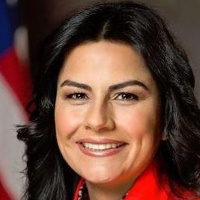
Nanette Barragán
Representative
CA
Nanette Barragán
Representative
CA
The Returning Home Act establishes a new grant program to provide rental assistance and housing support services for individuals reentering the community after incarceration. This initiative, run by the DOJ and HUD, offers up to 24 months of rental aid and crucial supportive services to help reduce homelessness among formerly incarcerated individuals. The law prioritizes applicants who implement a "housing first" approach and specifically excludes law enforcement entities from receiving grants.