Legislative Activity
Track Sharice's sponsored bills, co-sponsored legislation, and voting record
This resolution supports designating the week of September 21 through September 27, 2025, as "Gold Star Families Remembrance Week" to honor the families of fallen service members.
Dan Newhouse
Representative
WA
Dan Newhouse
Representative
WA
This resolution supports designating the week of September 21 through September 27, 2025, as "Gold Star Families Remembrance Week." The measure aims to officially recognize and honor the profound sacrifices made by families who have lost a loved one serving in the U.S. Armed Forces. It encourages communities nationwide to observe this week through acts of service and by celebrating the lives of these fallen service members.
This bill reauthorizes and extends funding for the Special Diabetes Program for Indians through fiscal year 2030 at an annual level of $160 million.
Raul Ruiz
Representative
CA
Raul Ruiz
Representative
CA
This bill, the Special Diabetes Program for Indians Reauthorization Act of 2025, ensures continued funding for critical diabetes programs serving Native American communities. It extends the authorization for the Special Diabetes Program for Indians through fiscal year 2030. The legislation secures an annual appropriation of \$160 million for these essential services through that period.
The SHINE for Autumn Act of 2025 establishes federal grants for states to improve stillbirth surveillance, data collection, and risk factor research while mandating the development of standardized educational guidelines on stillbirth.
Young Kim
Representative
CA
Young Kim
Representative
CA
The SHINE for Autumn Act of 2025 aims to significantly improve federal support for state-level stillbirth research and data collection. It authorizes grants for states to enhance surveillance, track risk factors, and build local capacity for analyzing stillbirth data, provided the information remains de-identified. Furthermore, the bill mandates the development of standardized guidelines and educational materials regarding stillbirth awareness and risk factors, developed in consultation with experts and bereaved families.
This Act mandates that new passenger motor vehicles sold in the U.S. must include standard equipment capable of receiving AM broadcast radio signals.

Gus Bilirakis
Representative
FL
Gus Bilirakis
Representative
FL
The AM Radio for Every Vehicle Act of 2025 mandates that the Secretary of Transportation establish a rule requiring AM broadcast radio receivers to be installed as standard equipment in new passenger motor vehicles. This requirement aims to ensure public access to AM radio signals, which are often used for emergency alerts. The bill also directs a GAO study on the effectiveness of AM radio within the national emergency alert system compared to other technologies. Finally, the Act preempts state and local laws on this matter and includes a sunset provision eight years after enactment.
This bill mandates dedicated, funded resources for specialized 988 Suicide Prevention Lifeline services for LGBTQ+ youth.
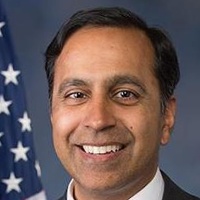
Raja Krishnamoorthi
Representative
IL
Raja Krishnamoorthi
Representative
IL
The **988 LGBTQ+ Youth Access Act of 2025** addresses the high rates of suicide risk among LGBTQ youth by strengthening specialized support through the national crisis hotline. This bill mandates that dedicated resources and services, such as a specific dialing option, must be maintained for LGBTQ individuals contacting 988. Furthermore, it requires that at least 9 percent of appropriated funds for the hotline be specifically reserved to ensure these specialized services for LGBTQ youth remain fully operational.
This bill establishes a six-year pilot program for selected hospitals to provide medically tailored, home-delivered meals and nutrition therapy to high-risk Medicare patients upon discharge to reduce hospital readmissions.
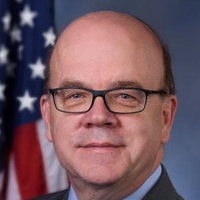
James McGovern
Representative
MA
James McGovern
Representative
MA
This bill establishes a six-year pilot program for hospitals to provide medically tailored, home-delivered meals and nutrition therapy to eligible Medicare patients upon discharge. The goal is to improve health outcomes and reduce hospital readmissions for individuals with diet-sensitive conditions who have difficulty with daily living activities. Participating hospitals will receive payment for these services, which must be provided at no out-of-pocket cost to the patient. The Secretary of Health and Human Services will evaluate the program's effectiveness using data collected from the participating sites.
This bill ensures Medicare coverage for certain breakthrough medical devices during a four-year transitional period while accelerating the final coverage decision process.
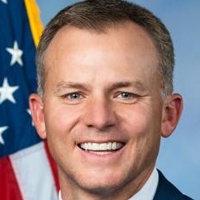
Blake Moore
Representative
UT
Blake Moore
Representative
UT
This Act, the Ensuring Patient Access to Critical Breakthrough Products Act, aims to speed up Medicare coverage for innovative, FDA-approved "breakthrough devices." It establishes a process for manufacturers to gain a four-year transitional coverage period for these devices, ensuring patients have timely access while long-term coverage decisions are finalized. The bill also allocates funding to CMS to manage these expedited reviews and allows for oversight of provider billing practices related to these new technologies.
This Act establishes a temporary, phased-out advanced manufacturing production tax credit for components used in fusion energy systems.
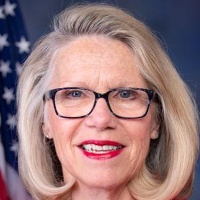
Carol Miller
Representative
WV
Carol Miller
Representative
WV
The Fusion Advanced Manufacturing Parity Act amends the existing advanced manufacturing production credit to specifically include components used for fusion energy. This provides a temporary 25% tax credit on the sale price of qualifying fusion energy components, beginning after 2025. The credit is scheduled to phase out completely by the end of 2034. The bill also expands the list of eligible materials qualifying for the broader advanced manufacturing credit.
This bill establishes a grant program to fund public colleges training medical students to provide primary health care in medically underserved communities.
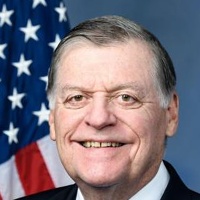
Tom Cole
Representative
OK
Tom Cole
Representative
OK
The Medical Student Education Authorization Act of 2025 establishes a new federal grant program to bolster primary healthcare in medically underserved communities. This funding, administered by HRSA, will support public medical colleges that train students committed to practicing in high-need areas like rural or Tribal regions. Grants will focus on developing community-based training, increasing faculty capacity, and providing direct student support to improve the primary care workforce pipeline.
This bill amends the Social Security Act to provide Medicare coverage for FDA-approved multi-cancer early detection screening tests starting in 2028.
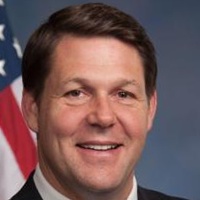
Jodey Arrington
Representative
TX
Jodey Arrington
Representative
TX
The Nancy Gardner Sewell Medicare Multi-Cancer Early Detection Screening Coverage Act amends the Social Security Act to provide Medicare Part B coverage for multi-cancer early detection screening tests starting January 1, 2028. This legislation establishes clear criteria for qualifying tests and outlines payment structures to ensure beneficiaries have access to these advanced diagnostic tools. Importantly, this coverage is designed to complement, rather than replace, existing Medicare-covered cancer screenings.
This Act ensures the automatic continuation of pay for active duty military personnel and essential civilian support staff if Congress fails to pass a budget for fiscal year 2026.
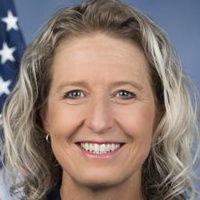
Jennifer Kiggans
Representative
VA
Jennifer Kiggans
Representative
VA
The Pay Our Troops Act of 2026 ensures that active duty military personnel and essential civilian support staff continue to receive their pay if Congress has not yet passed the full budget for fiscal year 2026. This act provides automatic continuing appropriations from the Treasury to prevent a lapse in military salaries due to budget delays. The funding automatically terminates once a new budget or continuing resolution is passed, or on January 1, 2027, whichever comes first.
This act establishes the Expanding Childcare in Rural America Initiative to prioritize federal funding for improving the availability, quality, and affordability of childcare in rural and agricultural communities.
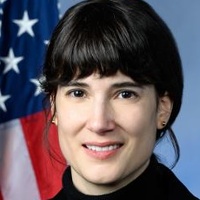
Marie Gluesenkamp Perez
Representative
WA
Marie Gluesenkamp Perez
Representative
WA
The Expanding Childcare in Rural America Act of 2025 establishes a new initiative to improve the availability, quality, and affordability of childcare in rural and agricultural areas. This program directs the Secretary of Agriculture to prioritize funding through existing rural development loan and grant programs for projects that address childcare needs. The initiative specifically favors farming-dependent counties and requires a comprehensive review of the program's impact.
This bill establishes interstate telehealth licensing reciprocity for college mental health providers to offer services to their enrolled students across state lines.
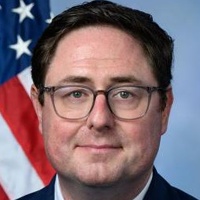
Mike Flood
Representative
NE
Mike Flood
Representative
NE
The College Students Continuation of Mental Health Care Act of 2025 establishes a system for licensing reciprocity, allowing college mental health providers to offer telehealth services to their enrolled students across state lines. This streamlines care by generally adhering to the provider's home state licensing rules, while ensuring patient safety through required disclosures and identity verification. The Act also encourages interstate agreements to further facilitate this cross-state mental health support for students.
This bill posthumously awards a Congressional Gold Medal to honor the groundbreaking civil rights achievements of Constance Baker Motley and authorizes the production and sale of bronze duplicates.

Rosa DeLauro
Representative
CT
Rosa DeLauro
Representative
CT
This bill, the Congressional Tribute to Constance Baker Motley Act of 2025, posthumously awards the Congressional Gold Medal to the pioneering civil rights attorney and federal judge, Constance Baker Motley. The legislation recognizes her historic achievements, including her role in *Brown v. Board of Education* and her service as the first African-American woman appointed as a federal judge. The Secretary of the Treasury is authorized to strike the medal, and provisions are made for selling bronze duplicates to cover production costs.
This bill establishes advance appropriations for key Bureau of Indian Affairs, Bureau of Indian Education, and Indian Health Service programs starting in fiscal year 2026 and mandates forward-looking budget estimates to improve planning.
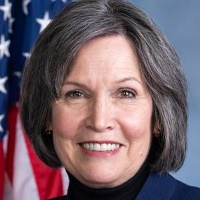
Betty McCollum
Representative
MN
Betty McCollum
Representative
MN
The Indian Programs Advance Appropriations Act of 2025 establishes a system of advance appropriations for key Bureau of Indian Affairs (BIA), Bureau of Indian Education (BIE), and Indian Health Service (IHS) programs starting in fiscal year 2026. This legislation mandates that budget requests must include forward-looking funding estimates for the subsequent fiscal year to improve agency planning and transparency. Furthermore, the bill requires annual reporting to Congress on resource adequacy for these critical services after consultation with Tribal nations.
The FLAME Act establishes notification and reimbursement procedures for significant cancellations of training courses offered by the National Academy for Fire Prevention and Control and mandates a GAO study on the impact of such cancellations.
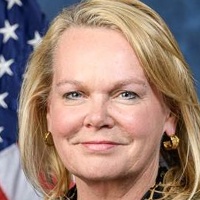
April McClain Delaney
Representative
MD
April McClain Delaney
Representative
MD
The Firefighter Learning And Management Education (FLAME) Act establishes new notification requirements for the Administrator of the U.S. Fire Administration when large-scale cancellations of National Academy for Fire Prevention and Control courses occur. It mandates timely notification to Congress and affected students regarding any significant course reductions. Furthermore, the bill allows fire departments to seek reimbursement for incurred expenses if a course is cancelled for reasons other than "good cause" and requires a GAO study on the impact of these cancellations.
The Healthcare Workforce Resilience Act recaptures unused employment-based immigrant visas to provide 40,000 reserved visas for professional nurses and physicians, while also expediting their processing without charging premium processing fees.
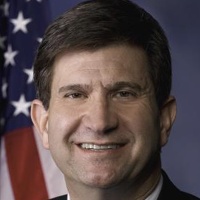
Bradley Schneider
Representative
IL
Bradley Schneider
Representative
IL
The Healthcare Workforce Resilience Act aims to strengthen the U.S. healthcare system by recapturing unused employment-based immigrant visas from 1992 through 2024. This legislation specifically reserves up to 40,000 of these visas for professional nurses and physicians, ensuring they are not subject to annual country caps. The bill also mandates expedited processing for these healthcare professionals without imposing premium processing fees, while requiring employers to attest that hiring these workers will not displace U.S. employees.
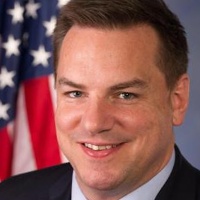
The RESULTS Act reforms how Medicare determines payment rates for clinical diagnostic laboratory tests by mandating the use of comprehensive, real-world private payor claims data collected from an independent entity.
Richard Hudson
Representative
NC
Richard Hudson
Representative
NC
The Reforming and Enhancing Sustainable Updates to Laboratory Testing Services Act of 2025 (RESULTS Act) aims to improve Medicare payment rates for clinical lab tests by mandating the collection of more accurate, real-world payment data directly from large, independent private insurance claims databases. This legislation updates definitions, collection timelines, and calculation methods to ensure Medicare payments for widely available tests reflect current market rates. It also establishes default payment rules if sufficient private payor data cannot be secured.
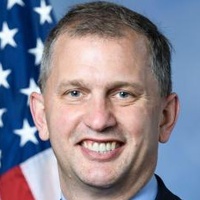
The Mental Health in Aviation Act of 2025 mandates the FAA to update mental health regulations, improve medical clearance processes, fund more aviation medical examiners, and launch an anti-stigma campaign for aviation workers.
Sean Casten
Representative
IL
Sean Casten
Representative
IL
The Mental Health in Aviation Act of 2025 directs the FAA to update regulations to encourage aviation workers to seek mental health support without fear of stigma. The bill mandates annual reviews of the medical clearance process and allocates funding to hire more Aviation Medical Examiners. Furthermore, it requires the FAA to implement recommendations from a recent mental health task force and launch a public awareness campaign to reduce stigma.
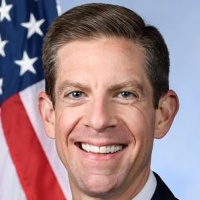
This bill establishes a phased schedule through fiscal year 2031 to increase federal appropriations for Impact Aid programs supporting school districts impacted by federal property.
Mike Levin
Representative
CA
Mike Levin
Representative
CA
The Advancing Toward Impact Aid Full Funding Act establishes a new, increasing schedule of authorized appropriations for key Impact Aid programs through fiscal year 2031. This legislation specifically sets funding levels for federal property acquisition, basic payments to heavily impacted school districts, payments for children with disabilities, and construction activities. The goal is to gradually increase federal support for these essential educational services.