Legislative Activity
Track Sharice's sponsored bills, co-sponsored legislation, and voting record
The Lifeline for First Responders Act establishes a federal grant program to provide mental health, suicide prevention, and wellness support services for emergency medical services and first responder agencies.
Andrea Salinas
Representative
OR
Andrea Salinas
Representative
OR
The Lifeline for First Responders Act establishes a federal grant program to support the mental health and well-being of emergency personnel. Administered by the National Highway Traffic Safety Administration, the program provides funding to fire services, EMS agencies, and dispatch centers for suicide prevention, counseling, and family support services. This initiative aims to reduce stress and improve access to behavioral health resources for those on the front lines.
This resolution designates August 2–8, 2026, as "National Farmers Market Week" to celebrate the vital role these markets play in supporting local economies, public health, and sustainable agriculture.
David Valadao
Representative
CA
David Valadao
Representative
CA
This resolution designates August 2 through August 8, 2026, as "National Farmers Market Week" to celebrate the vital role these markets play in our economy and public health. It recognizes how farmers markets bridge the gap between urban and rural communities while promoting sustainable agriculture and increasing access to fresh, nutritious food.
This resolution honors the Golf Course Superintendents Association of America on its 100th anniversary for its contributions to the golf industry, environmental stewardship, and professional development.
Tracey Mann
Representative
KS
Tracey Mann
Representative
KS
This resolution commemorates the 100th anniversary of the Golf Course Superintendents Association of America (GCSAA). It honors the organization’s century-long commitment to environmental stewardship, professional development, and educational initiatives like the First Green program. Furthermore, it recognizes the GCSAA’s vital role in supporting the golf industry’s significant contributions to the U.S. economy and local communities.
The "Combating Illicit Xylazine Act" aims to combat the misuse of xylazine by adding it to Schedule III of the Controlled Substances Act, tracking its distribution, and ensuring appropriate penalties for related offenses, while also protecting legitimate veterinary use.
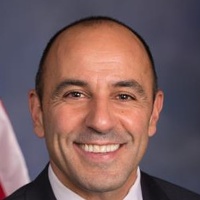
Jimmy Panetta
Representative
CA
Jimmy Panetta
Representative
CA
The "Combating Illicit Xylazine Act" aims to combat the illegal use of xylazine by adding it to Schedule III of the Controlled Substances Act, which would allow for increased regulation and tracking of the substance. The bill includes exemptions and delayed effective dates for certain requirements to ease the transition for legitimate users, such as veterinarians and animal handlers. It also directs the Sentencing Commission to review sentencing guidelines for xylazine-related offenses and mandates reports to Congress on the prevalence and impact of illicit xylazine use. Finally, it will include xylazine in Arcos tracking.
Tyler's Law mandates a study and subsequent guidance on the routine testing for fentanyl in hospital emergency departments during overdose treatment.
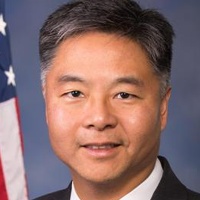
Ted Lieu
Representative
CA
Ted Lieu
Representative
CA
Tyler's Law mandates a comprehensive study by the Secretary of Health and Human Services on the frequency, cost, and impact of fentanyl testing in hospital emergency departments during overdose cases. Following the study, the Secretary must issue guidance on whether routine fentanyl testing should become standard practice for overdose patients. This guidance will also address staff training regarding existing drug test panels and the long-term health implications of such testing.
The ABLE MATCH Act establishes a federal matching tax credit for contributions made by low-to-moderate-income individuals with disabilities to their ABLE savings accounts to encourage long-term financial security.

Debbie Dingell
Representative
MI
Debbie Dingell
Representative
MI
The ABLE MATCH Act aims to reduce poverty among individuals with disabilities by incentivizing the use of tax-advantaged ABLE savings accounts. The bill establishes a federal matching program that provides refundable tax credits for contributions made by low-to-moderate-income account holders. Additionally, the legislation supports outreach efforts through state grants and improves demographic reporting to better track and encourage account participation.
The Women’s Business Centers Improvement Act of 2026 modernizes and strengthens the SBA’s Women’s Business Center Program by enhancing grant oversight, establishing accreditation standards, and expanding entrepreneurial resources for women-owned small businesses.
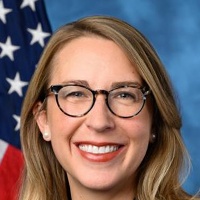
Hillary Scholten
Representative
MI
Hillary Scholten
Representative
MI
The Women’s Business Centers Improvement Act of 2026 overhauls the Small Business Administration’s Women’s Business Center Program to better support women entrepreneurs through enhanced counseling, training, and financial assistance. The bill establishes a structured grant framework, introduces mandatory accreditation standards, and strengthens oversight to ensure centers effectively serve socially and economically disadvantaged business owners. Additionally, it authorizes $31.5 million in annual funding through 2029 to expand the reach and operational viability of this nationwide network.
The AADAPT Act expands grant eligibility and funding to integrate dementia care services into health centers through 2031.
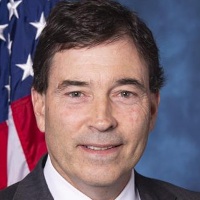
Troy Balderson
Representative
OH
Troy Balderson
Representative
OH
The AADAPT Act expands access to specialized dementia care by authorizing grants for public and nonprofit health centers to integrate these services into their programs. Additionally, the bill extends federal funding authorization through 2031 to ensure the continued growth and sustainability of these critical health outcomes.
This bill reauthorizes the C.W. Bill Young Cell Transplantation Program and the National Cord Blood Inventory through 2031 to ensure a high-quality, scientifically managed supply of stem cell units for patients in need.
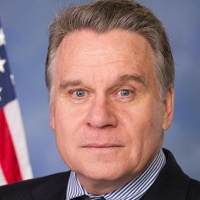
Christopher Smith
Representative
NJ
Christopher Smith
Representative
NJ
The Stem Cell Therapeutic and Research Reauthorization Act of 2025 extends critical funding and support for the C.W. Bill Young Cell Transplantation Program and the National Cord Blood Inventory through 2031. This legislation modernizes the management of cord blood supplies by prioritizing clinical utility, genetic diversity, and the use of the latest scientific standards. By streamlining inventory operations, the bill ensures that life-saving transplant resources remain accessible and effective for patients in need.
This bill reauthorizes and updates federal vector-borne disease initiatives and grant programs through 2030 to improve the prevention, identification, and response to tick-borne illnesses.
Christopher Smith
Representative
NJ
Christopher Smith
Representative
NJ
The Kay Hagan Tick Act reauthorization extends federal funding and support for vector-borne disease initiatives through 2030. This legislation updates national strategy requirements and enhances the capacity of regional centers and health departments to identify, prevent, and respond to tick-borne and other vector-borne illnesses.
The Rural Patient Monitoring Access Act establishes a minimum payment floor for rural remote patient monitoring services and sets new quality and reporting requirements for Medicare reimbursement starting in 2026.
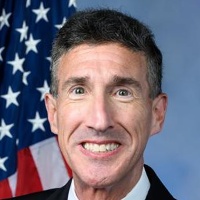
David Kustoff
Representative
TN
David Kustoff
Representative
TN
The Rural Patient Monitoring Access Act aims to improve access to remote patient monitoring (RPM) for rural Medicare beneficiaries. It establishes a minimum payment floor for the geographic indices used to calculate practice expense and malpractice costs for RPM services starting in 2026. Furthermore, the bill sets new quality requirements for RPM providers to qualify for Medicare payment, including real-time clinical availability and data interoperability. Finally, it mandates a future report analyzing the actual cost savings generated by these enhanced RPM services.
This bill mandates electronic prior authorization, increases transparency through required data reporting, and establishes faster decision timelines for Medicare Advantage plans to improve timely access to care for seniors.
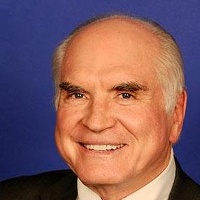
Mike Kelly
Representative
PA
Mike Kelly
Representative
PA
The Improving Seniors’ Timely Access to Care Act of 2025 aims to streamline and modernize the prior authorization process within Medicare Advantage plans. This bill mandates the adoption of electronic prior authorization systems and significantly increases transparency regarding approval rates and decision times starting in 2027. Furthermore, it establishes new enrollee protections and grants the Secretary authority to enforce faster decision timeframes for medical services.
This bill mandates that the Small Business Administration conduct a comprehensive study and report on the challenges, needs, and oversight of for-profit child care providers to inform future legislative improvements.
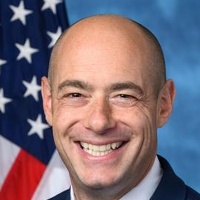
Greg Landsman
Representative
OH
Greg Landsman
Representative
OH
The Child Care Small Business Insight and Improvement Act of 2026 mandates that the Small Business Administration conduct a comprehensive study on the challenges, needs, and resource gaps facing for-profit child care providers. This report will provide Congress with actionable recommendations to improve support for these businesses while identifying strategies to prevent the misuse of federal funds. The initiative aims to strengthen the sector without requiring additional federal appropriations.
The Original LGBTQIA+ Pride Month Resolution of 2026 honors the history, contributions, and ongoing civil rights struggles of the LGBTQIA+ community while reaffirming Congress's commitment to equality and human rights.

Al Green
Representative
TX
Al Green
Representative
TX
The Original LGBTQIA+ Pride Month Resolution of 2026 honors the history, contributions, and ongoing struggles of the LGBTQIA+ community. The resolution reaffirms that LGBTQIA+ rights are human rights and emphasizes the necessity of ensuring equality for all citizens. By documenting key civil rights milestones and current challenges, it encourages the nation to celebrate Pride Month as a time to reflect on the progress made and the work still required to achieve full equality.
The Freedom of Association in Higher Education Act of 2026 prohibits colleges and universities that receive federal funding from taking adverse actions against students or organizations based on their participation in single-sex social groups.
Erin Houchin
Representative
IN
Erin Houchin
Representative
IN
The Freedom of Association in Higher Education Act of 2026 protects students and single-sex social organizations from adverse actions by colleges and universities that receive federal funding. The bill ensures that students can freely join or lead these organizations without facing institutional bias or discrimination based on their membership. It establishes clear standards to prevent schools from penalizing students or organizations solely for maintaining single-sex membership policies.
This Act establishes the Local Foods for Healthy Schools Program to fund state agencies in purchasing and distributing locally sourced foods to participating schools.
Kristen McDonald Rivet
Representative
MI
Kristen McDonald Rivet
Representative
MI
The Local Foods for Healthy Schools Act of 2026 establishes a new federal program to increase the availability of locally sourced food in schools. This act directs the Secretary of Agriculture to provide noncompetitive funding to state agencies to purchase local foods directly from producers for distribution to participating schools. The program aims to support local agriculture while ensuring students have access to fresh, regional products.
This bill renames and revises the Great American Outdoors Act's maintenance fund, increases dedicated funding through new, higher fees for foreign visitors, and sets spending priorities for deferred maintenance across public lands agencies.
Bruce Westerman
Representative
AR
Bruce Westerman
Representative
AR
This bill, the Great American Outdoors Act 250, significantly reforms and renames the existing public lands restoration fund to the America’s Legacy Restoration Fund. It secures dedicated funding streams, primarily from energy revenues and new fees on foreign visitors, to address critical deferred maintenance across the National Park Service, Forest Service, and other public land agencies. The legislation establishes strict spending priorities for infrastructure repair while also creating pilot programs for enhancing outdoor recreation and sportsmen's access. Finally, it mandates increased transparency and accountability through standardized metrics and public reporting on all funded projects.
The Latonya Reeves Freedom Act of 2026 strengthens the right of individuals eligible for long-term services and supports to live in the most integrated community setting possible, holding states and providers accountable for transitioning people out of institutions.
Steve Cohen
Representative
TN
Steve Cohen
Representative
TN
The Latonya Reeves Freedom Act of 2026 aims to strengthen the right of individuals eligible for long-term services and supports (LTSS) to live in the most integrated community setting possible. It prohibits discrimination by public entities and insurers against those who qualify for institutional placement but desire community-based services. The Act mandates comprehensive planning, self-evaluation, and enforcement mechanisms to speed up the transition of individuals out of institutions and ensure maximum control over their supports.
This bill establishes the "Protecting Americas Herds Act" to create a competitive grant program supporting cooperative extension services in preparing for and responding to New World screwworm outbreaks.
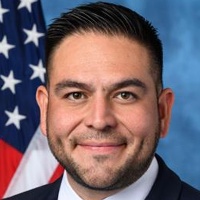
Gabriel (Gabe) Vasquez
Representative
NM
Gabriel (Gabe) Vasquez
Representative
NM
The "Protecting Americas Herds Act" establishes a competitive grant program administered by the Secretary of Agriculture. This program is designed to help cooperative extension services prepare for and respond to New World screwworm outbreaks. Funds will support training, livestock inspections, producer education, and technical assistance to prevent and manage infestations. Priority will be given to areas facing a heightened risk of introduction or spread.
This act repeals the federal tax credit for contributions to scholarship organizations and eliminates the income exclusion for certain scholarship amounts received from those organizations.
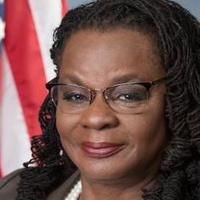
Gwen Moore
Representative
WI
Gwen Moore
Representative
WI
The Keep Public Funds in Public Schools Act of 2026 aims to redirect funding by eliminating federal tax incentives for private school scholarships. Specifically, it repeals the tax credit for contributions to scholarship-granting organizations and removes the income exclusion for certain scholarship amounts received. These changes are set to take effect starting in 2027.