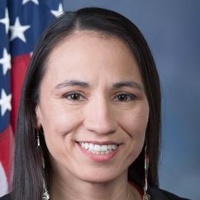
Legislative Activity
Track Sharice's sponsored bills, co-sponsored legislation, and voting record
This resolution recognizes National Native American Heritage Month to celebrate the diverse heritages, cultures, and significant contributions of Native Americans to the United States.
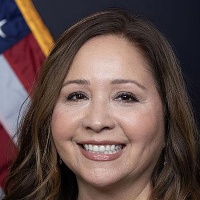
Adelita Grijalva
Representative
AZ
Adelita Grijalva
Representative
AZ
This resolution officially recognizes November as National Native American Heritage Month to celebrate the rich heritages, cultures, and vital contributions of Native Americans to the United States. It highlights their historical influence on American governance, their significant achievements in various fields, and their distinguished military service. Furthermore, the resolution reaffirms Congress's commitment to supporting Tribal self-governance and improving resources for Native American communities.
This bill expands disaster assistance programs to specifically include crisis counseling and training for substance use and alcohol use disorders following a major disaster.
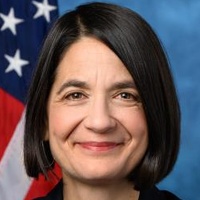
Becca Balint
Representative
VT
Becca Balint
Representative
VT
The Addressing Addiction After Disasters Act expands federal disaster assistance to explicitly include support for substance use and alcohol use issues resulting from major disasters. It broadens the scope of crisis counseling and training programs to address these needs alongside existing mental health services. Furthermore, the bill mandates FEMA to update its application processes and requires a GAO report on the program's effectiveness and compliance.
This bill caps patient cost-sharing for selected insulin products at the lesser of \$35 or 25% of the negotiated price, effective for plan years beginning in 2026.
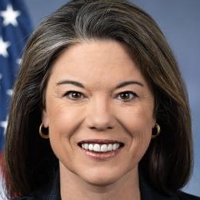
Angie Craig
Representative
MN
Angie Craig
Representative
MN
The Affordable Insulin Now Act establishes new cost-sharing limits for certain insulin products in health plans starting in 2026. For selected insulin, patients will pay no more than the lesser of \$35 or 25% of the negotiated price for a 30-day supply. These patient payments must count toward the annual deductible and out-of-pocket maximum. The requirements apply across various federal health plan laws, though they generally do not apply to out-of-network pharmacies.
This act amends existing law to promote Native Hawaiian art and culture by revising grant board composition and term limits.
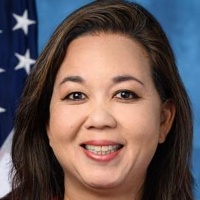
Jill Tokuda
Representative
HI
Jill Tokuda
Representative
HI
The Native Arts and Culture Promotion Act amends existing legislation to strengthen support for Native American, Alaska Native, and Native Hawaiian arts and culture. This bill specifically revises grant requirements for Native Hawaiian art and culture, ensuring that governing boards are composed of recognized Native Hawaiian cultural experts serving fixed terms. These changes aim to enhance the integrity and representation within the administration of cultural development funds.
The Find It Early Act mandates no-cost coverage for additional, recommended breast cancer screenings for high-risk individuals across private insurance, Medicare, Medicaid, TRICARE, and VA health programs starting in 2026.
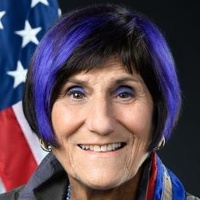
Rosa DeLauro
Representative
CT
Rosa DeLauro
Representative
CT
The Find It Early Act mandates that certain individuals at increased risk for breast cancer receive additional, recommended screenings with no out-of-pocket costs. This coverage requirement applies across private health plans, Medicare, Medicaid, TRICARE, and the Department of Veterans Affairs. These provisions are set to take effect starting January 1, 2026.
This bill expands Medicare coverage for medical nutrition therapy services to treat a wider range of chronic conditions and allows more healthcare providers to order these services.
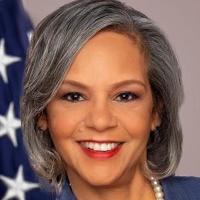
Robin Kelly
Representative
IL
Robin Kelly
Representative
IL
This bill, the Medical Nutrition Therapy Act of 2025, aims to significantly expand Medicare coverage for medical nutrition therapy services. It broadens the list of covered chronic conditions beyond diabetes and kidney disease to include obesity, hypertension, cancer, and more. Furthermore, the legislation allows a wider range of healthcare providers, such as nurse practitioners and physician assistants, to order these medically necessary nutrition services.
This bill amends the Water Infrastructure Finance and Innovation Act to expand assistance for small and rural water projects, add new eligible project categories, authorize collaborative delivery methods, and adjust financing and reporting requirements.
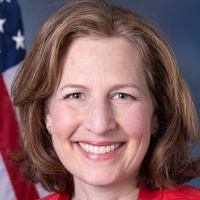
Kim Schrier
Representative
WA
Kim Schrier
Representative
WA
This bill amends the Water Infrastructure Finance and Innovation Act to expand assistance for small and rural water projects by lowering cost thresholds and providing technical support. It also clarifies eligibility for new project types, authorizes collaborative delivery methods like design-build, and adjusts loan maturity dates for long-term infrastructure. Finally, the legislation reauthorizes funding for the Corps of Engineers financing program and mandates several reports to Congress on program implementation.
This bill expands Medicare drug price negotiation to private insurance, applies inflation rebates to commercial drugs, and establishes annual out-of-pocket limits for prescription drugs under private health insurance.
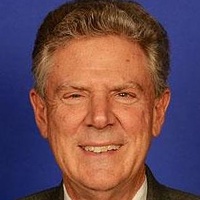
Frank Pallone
Representative
NJ
Frank Pallone
Representative
NJ
The Lowering Drug Costs for American Families Act aims to significantly reduce prescription drug expenses for consumers. It expands the federal drug price negotiation program to cover more drugs and extends negotiated prices to most private health insurance plans. Furthermore, the bill applies inflation rebates to the commercial market and establishes new annual out-of-pocket spending caps for prescription drugs under private insurance starting in 2027. It also sets specific, lower cost-sharing requirements for covered insulin products.
This Act prohibits discrimination based on religion, sex, or marital status in federally funded child welfare services to improve outcomes for all children, especially LGBTQ youth.
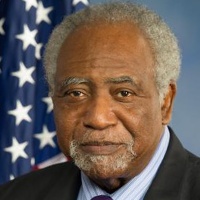
Danny Davis
Representative
IL
Danny Davis
Representative
IL
The John Lewis Every Child Deserves a Family Act prohibits discrimination based on religion, sex, or marital status in federally funded child welfare services. This aims to increase the number of stable, family-like placements for children, especially for LGBTQ youth who are overrepresented in foster care. The bill mandates federal guidance, training, and data collection to improve safety and well-being outcomes for all children involved in the system.
This Act protects the confidentiality of culturally sensitive information shared by Tribal Governments, Alaska Native Entities, and Native Hawaiian Organizations with the Federal Government, restricting its disclosure except under specific legal or consensual conditions.
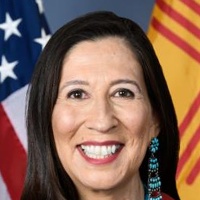
Teresa Leger Fernandez
Representative
NM
Teresa Leger Fernandez
Representative
NM
This bill, the Protect Culturally Sensitive Information Act, establishes strict confidentiality protections for information shared by Tribal Governments, Alaska Native Entities, and Native Hawaiian Organizations with the Federal Government. It prohibits the public disclosure of designated culturally sensitive information unless compelled by a lawful court order or with explicit written consent. The Act aims to build trust, strengthen relationships, and advance repatriation efforts by ensuring a safe space for consultation and information exchange.
This bill expresses the sense of Congress that a naval vessel should be named the "USS Rear Admiral Alene Duerk" to honor the Navy's first female flag officer.

Marcy Kaptur
Representative
OH
Marcy Kaptur
Representative
OH
This bill, the Rear Admiral Alene Duerk Ship Renaming Act of 2025, expresses the sense of Congress that the Secretary of the Navy should name a naval vessel the "USS Rear Admiral Alene Duerk." This action honors Rear Admiral Duerk for her distinguished service, including being the first woman to achieve flag officer rank in the U.S. Navy.
This bill establishes sanctions against foreign individuals responsible for human rights violations against LGBTQI people and mandates enhanced tracking and reporting of such abuses in annual human rights reports.
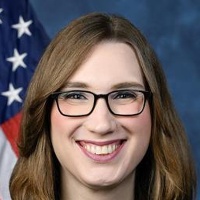
Sarah McBride
Representative
DE
Sarah McBride
Representative
DE
The Global Respect Act aims to promote and protect the human rights of LGBTQI individuals worldwide. It mandates the President to identify and report foreign persons responsible for human rights violations against LGBTQI people, leading to their inadmissibility to the United States. Furthermore, the Act requires enhanced tracking and reporting of violence and discrimination targeting individuals based on sexual orientation, gender identity, or sex characteristics in the annual human rights reports.
The FAIR Act establishes new requirements for providing immigration detainees with access to privacy release forms, handbooks, communication tools, and clear processes for receiving constituent services from Congress.
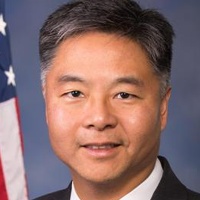
Ted Lieu
Representative
CA
Ted Lieu
Representative
CA
The Fairness and Access for Immigrant Rights (FAIR) Act establishes new requirements for providing constituent services to immigration detainees. This bill mandates that detainees must have timely access to necessary privacy release forms and essential handbooks in their preferred language. Furthermore, it ensures detainees have the tools to communicate with their congressional representatives or third-party assistants, and outlines a clear process for filing complaints if these rights are violated.
This act mandates Medicare coverage for FDA-approved early detection screening tests for Alzheimer's disease and related dementias beginning in 2028.

Vern Buchanan
Representative
FL
Vern Buchanan
Representative
FL
The Alzheimer’s Screening and Prevention Act of 2025 (ASAP Act) amends Medicare to cover early detection screening tests for Alzheimer's disease and related dementias starting in 2028. This coverage applies to FDA-cleared tests, including genomic sequencing and other equivalent diagnostic methods, designed to detect pre-symptomatic or early-stage conditions. The bill ensures these screenings are added to the list of covered medical services under Medicare.
This act repeals specific sections of a prior reconciliation act to restore previous laws affecting American families and farmers.
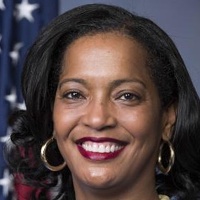
Jahana Hayes
Representative
CT
Jahana Hayes
Representative
CT
The Restoring Food Security for American Families and Farmers Act of 2025 aims to strengthen domestic food security by repealing specific sections of a prior reconciliation act. This action effectively revives the original laws that were previously amended by the repealed provisions. The bill seeks to revert existing agricultural and food-related statutes to their pre-amendment status.
This act modernizes water infrastructure by defining and funding the adoption of intelligent technologies for improved water and wastewater management.
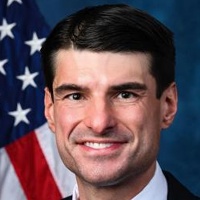
Robert Bresnahan
Representative
PA
Robert Bresnahan
Representative
PA
The Water Infrastructure Modernization Act of 2025 updates federal water pollution control grants to prioritize and fund "intelligent water infrastructure technology." This technology utilizes real-time monitoring, AI, and advanced sensors to improve the efficiency, reliability, and resilience of water and wastewater systems. The bill modifies grant uses to specifically cover the implementation of these smart technologies and increases the authorization of appropriations.
This act expands eligibility for certain USDA programs to include agricultural cooperatives with fewer than 2,500 employees.
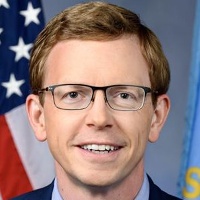
Dusty Johnson
Representative
SD
Dusty Johnson
Representative
SD
The Agricultural Cooperative Energy Savings Act of 2025 expands eligibility for certain USDA programs by including agricultural cooperatives with fewer than 2,500 employees. This amendment modifies the Farm Security and Rural Investment Act of 2002 to broaden access to these federal resources for a wider range of agricultural cooperatives.
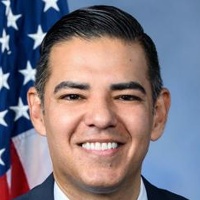
This bill establishes a permanent Special Envoy for the Human Rights of LGBTQI+ Peoples within the Department of State to advance U.S. policy countering global criminalization, violence, and discrimination against LGBTQI+ individuals.
Robert Garcia
Representative
CA
Robert Garcia
Representative
CA
This bill, the International Human Rights Defense Act of 2025, establishes a permanent Special Envoy for the Human Rights of LGBTQI+ Peoples within the Department of State. It codifies U.S. policy to actively combat international criminalization, violence, and discrimination against LGBTQI+ individuals worldwide. The legislation also mandates enhanced reporting on these abuses in annual human rights reports and authorizes assistance to support related protection efforts abroad.
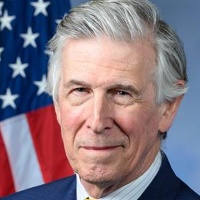
The Pre-Registration Of Voters Everywhere Act (PROVE Act) mandates that states allow 16- and 17-year-olds to pre-register to vote in federal elections and provides grants to encourage youth involvement in election activities.
Donald Beyer
Representative
VA
Donald Beyer
Representative
VA
The Pre-Registration Of Voters Everywhere (PROVE) Act mandates that states establish a process for 16- and 17-year-olds to pre-register to vote in federal elections. Once they turn 18 and meet other requirements, these individuals will be automatically registered. The bill also authorizes grants to states to encourage civic engagement and promote the use of this new pre-registration system among young people.
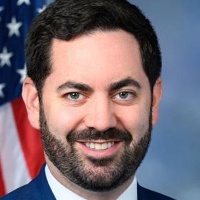
This Act increases investment limits for financial institutions to promote community welfare.
Michael Lawler
Representative
NY
Michael Lawler
Representative
NY
The Community Investment and Prosperity Act aims to boost community welfare by increasing existing investment limits for financial institutions. Specifically, this legislation raises the statutory investment cap from 15% to 20% within relevant sections of the Revised Statutes and the Federal Reserve Act. This adjustment is intended to encourage greater investment activity.