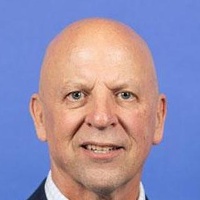
Legislative Activity
Track Scott's sponsored bills, co-sponsored legislation, and voting record
The Protect RAIL Act makes non-citizens inadmissible to the U.S. and deportable if they commit or conspire to commit crimes involving theft or tampering with goods shipped across state or international lines.

Paul Gosar
Representative
AZ
Paul Gosar
Representative
AZ
The Protect RAIL Act amends immigration law to prevent non-citizens convicted of or admitting to crimes involving the theft or tampering of goods shipped across state or international lines from entering the United States. Furthermore, this bill makes non-citizens already in the U.S. deportable if they have committed such offenses related to interstate or foreign shipments.
This bill mandates the deportation and permanent inadmissibility of non-citizens who commit acts of violence against law enforcement or public property during civil unrest, with enhanced enforcement during declared emergencies.

Dan Crenshaw
Representative
TX
Dan Crenshaw
Representative
TX
The Returning Illegals over Turmoil Act establishes new grounds for the deportation and permanent inadmissibility of non-citizens who incite or participate in violent acts against law enforcement or public property during civil unrest. This legislation mandates strict enforcement during declared emergencies and grants the Secretary of Homeland Security expedited removal authority under those conditions. Furthermore, individuals removed under these provisions are permanently barred from receiving any form of immigration relief or future DACA eligibility.
This bill mandates the denial or revocation of U.S. passports for individuals charged with or convicted of providing material support to foreign terrorist organizations.
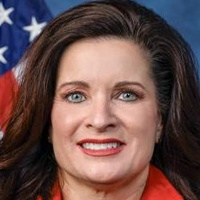
Sheri Biggs
Representative
SC
Sheri Biggs
Representative
SC
The No Passports for Terrorists and Traffickers Act mandates the denial or revocation of U.S. passports for individuals charged with or convicted of providing material support to designated foreign terrorist organizations. This measure grants the Secretary of State the authority to restrict travel for those deemed affiliated with terrorism. Exceptions exist for urgent humanitarian needs or safe return to the United States, and affected individuals retain the right to appeal the decision.
This bill significantly increases criminal and civil penalties for individuals who illegally enter the country or overstay their nonimmigrant visas.
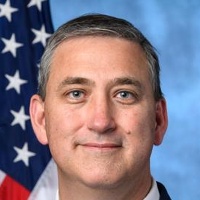
Nathaniel Moran
Representative
TX
Nathaniel Moran
Representative
TX
The Visa Overstays Penalties Act significantly increases penalties for individuals who enter the country illegally or overstay their authorized visas. This legislation establishes a new violation specifically targeting nonimmigrant visa holders who remain in the U.S. for more than 10 days past their authorized status. Consequences include increased criminal penalties, up to two years in jail for repeat offenses, and substantial civil fines ranging from $\$500$ to $\$1,000$ per violation.
This Act mandates that health plans cover medically necessary treatment for congenital anomalies or birth defects affecting the eyes, ears, teeth, mouth, or jaw to restore normal function and appearance.
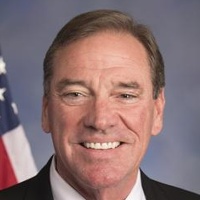
Neal Dunn
Representative
FL
Neal Dunn
Representative
FL
The Ensuring Lasting Smiles Act mandates that group health plans and insurance policies provide comprehensive coverage for medically necessary treatment related to congenital anomalies or birth defects affecting the eyes, ears, teeth, mouth, or jaw. This coverage must include services needed to restore normal function and appearance, including necessary dental and orthodontic support. Plans must apply cost-sharing rules no more restrictive than those for other medical benefits, excluding purely cosmetic procedures.
The MOMS Act establishes a federal resource hub for expecting mothers, improves access to prenatal and postnatal care through grants, and allows for the enforcement of child support obligations for unborn children.
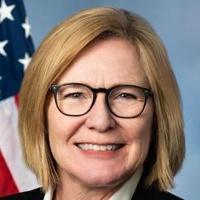
Michelle Fischbach
Representative
MN
Michelle Fischbach
Representative
MN
The MOMS Act aims to support expecting and new mothers through three main initiatives. It establishes a centralized federal resource website, Pregnancy.gov, to connect mothers with local support services and adoption agencies. The bill also creates grant programs to fund organizations offering positive alternatives to abortion and expanding access to at-home prenatal and postnatal telehealth care in underserved areas. Finally, it allows states to establish and enforce child support obligations against biological fathers for unborn children upon the mother's request.
The CHOICE for Veterans Act of 2025 establishes new federal standards, oversight, and penalties for agents and attorneys who assist veterans in filing Department of Veterans Affairs benefit claims while extending certain pension payment limitations.
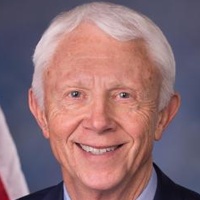
Jack Bergman
Representative
MI
Jack Bergman
Representative
MI
The CHOICE for Veterans Act of 2025 aims to overhaul how veterans receive assistance with their Department of Veterans Affairs (VA) benefit claims. It establishes new rules for the recognition, fees, and conduct of agents and attorneys who represent veterans. The bill also mandates increased transparency regarding available assistance and requires a review of the entire representative recognition process.
The Shipbuilding and Harbor Infrastructure for Prosperity and Security for America Act of 2025 establishes a centralized maritime authority, creates a dedicated funding trust, strengthens sealift capability, mandates increased use of U.S.-flagged vessels, invests heavily in domestic shipbuilding, and enhances workforce development and tax incentives for the maritime industry.
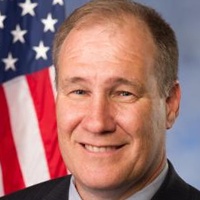
Trent Kelly
Representative
MS
Trent Kelly
Representative
MS
The **Shipbuilding and Harbor Infrastructure for Prosperity and Security for America Act of 2025** is a comprehensive bill designed to revitalize the U.S. maritime industry and secure critical supply chains. It establishes new centralized oversight for maritime policy, creates a dedicated Maritime Security Trust Fund financed by new vessel taxes, and mandates significant federal investment in domestic shipbuilding and workforce development. The legislation also imposes stricter cargo preference rules and tax incentives to ensure U.S.-flagged vessels dominate international commerce and defense sealift operations.
The Fight Fentanyl Act strengthens federal efforts against fentanyl trafficking by mandating detailed reporting from HIDTA programs, increasing their funding and purpose to target fentanyl interdiction, and requiring the Attorney General to assign additional prosecutors to these cases.
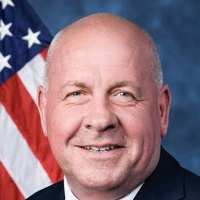
David Taylor
Representative
OH
David Taylor
Representative
OH
The Fight Fentanyl Act strengthens federal efforts to combat the fentanyl crisis by updating the High Intensity Drug Trafficking Areas (HIDTA) program. This legislation mandates increased reporting on fentanyl investigations, sets dedicated funding levels through 2030, and expands HIDTA purposes to prioritize fentanyl interdiction. Furthermore, it requires the Attorney General to ensure sufficient prosecutorial resources are dedicated to fentanyl trafficking cases through temporary AUSA assignments.
This bill prohibits landlords of federally assisted rental housing from banning tenants from lawfully possessing firearms within their private dwelling units.
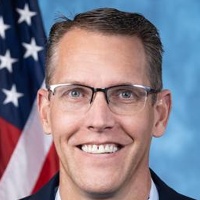
Randy Feenstra
Representative
IA
Randy Feenstra
Representative
IA
This bill, the PROTECT the Second Amendment Act, prevents landlords of federally assisted rental housing from banning tenants who lawfully possess firearms within their private dwelling units. It ensures residents in subsidized housing can legally keep their firearms inside their apartments. The legislation also permits the transportation of firearms through common areas only when moving directly to or from the unit.
The Bolstering Research And Innovation Now (BRAIN) Act aims to accelerate brain tumor research, improve patient access to clinical trials and specialized care, and enhance long-term survivor support through new funding, transparency requirements, and public awareness campaigns.
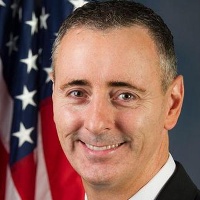
Brian Fitzpatrick
Representative
PA
Brian Fitzpatrick
Representative
PA
The Bolstering Research And Innovation Now (BRAIN) Act aims to significantly advance the fight against brain tumors by increasing research funding and improving patient access to care. This legislation establishes new networks for glioblastoma research, creates a public database for tracking biospecimens, and launches a national awareness campaign about clinical trials. Furthermore, the Act funds pilot programs to improve long-term care for survivors and directs the FDA to ensure brain tumor patients are not unfairly excluded from relevant clinical trials.
The Ensuring Safer Schools Act of 2025 facilitates the hiring of veterans and retired law enforcement as School Resource Officers using federal grants, prioritizes related grant applications, mandates annual mental health and tactical training for SROs, and requires new community engagement between SROs and students.
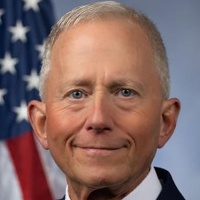
Jefferson Van Drew
Representative
NJ
Jefferson Van Drew
Representative
NJ
The Ensuring Safer Schools Act of 2025 aims to enhance school safety by allowing federal grant money to specifically hire and train military veterans and retired law enforcement officers as School Resource Officers (SROs). The bill prioritizes grant applications that utilize these experienced personnel and mandates technical assistance for annual SRO mental health screenings and tactical training. Furthermore, it requires new SROs who are veterans or retired officers to engage with students at least once annually.
This Act redefines immediate relatives for immigration, caps family-sponsored visas, and creates a new, non-work, temporary visa for parents of adult U.S. citizens.
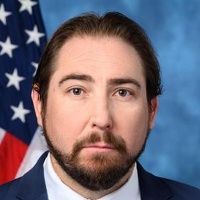
Eli Crane
Representative
AZ
Eli Crane
Representative
AZ
The Nuclear Family Priority Act significantly restructures U.S. family-based immigration by redefining "immediate relatives" to only include spouses and children of U.S. citizens, removing parents from that top category. It also establishes a new, temporary nonimmigrant visa for parents of adult U.S. citizens, which prohibits work and public benefits. Furthermore, the bill revises the annual cap for family-sponsored visas and makes numerous technical amendments across immigration law to align with these changes.
This bill expands mandatory detention for certain non-citizens by adding convictions for trespassing, vandalism, and arson to the list of triggering property crimes.
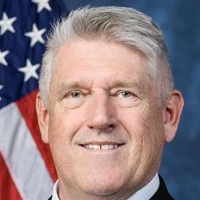
Troy Downing
Representative
MT
Troy Downing
Representative
MT
The Safeguarding American Property Act of 2025 expands mandatory detention requirements for certain non-citizens who commit specific property crimes. This legislation adds offenses like trespassing, vandalism, and arson to the list of crimes that require immigration authorities to detain an individual during removal proceedings. The bill also clarifies language related to violent offenses to ensure comprehensive grounds for detention.
The Affordable Housing Credit Improvement Act of 2025 updates state allocation formulas, reforms tenant eligibility and credit determination rules, and enhances assistance for Native American and rural housing projects.
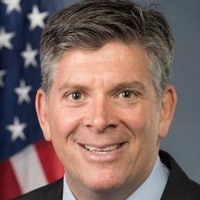
Darin LaHood
Representative
IL
Darin LaHood
Representative
IL
The Affordable Housing Credit Improvement Act of 2025 updates federal housing tax credit allocations to reflect current economic realities and boosts minimum state allotments. It reforms tenant eligibility rules to stabilize tenancy and enhance protections for vulnerable residents, including victims of abuse. The bill also provides disaster relief for property owners, increases incentives for housing the extremely low-income, and directs greater resources toward Native American and rural housing needs. Finally, it streamlines administrative processes and signals a future focus on data transparency and discouraging restrictive local zoning.
This Act strengthens federal enforcement against child exploitation by updating kidnapping definitions, restricting defenses for crimes against minors, creating new offenses for touching minors, and making technical amendments to sexual abuse and civil rights statutes.
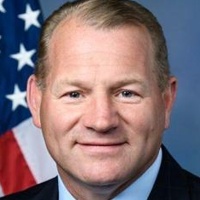
Troy Nehls
Representative
TX
Troy Nehls
Representative
TX
The Strengthening Child Exploitation Enforcement Act updates federal laws concerning kidnapping and sexual abuse of minors. It clarifies kidnapping definitions, bars consent as a defense for offenses against victims under 16 unless reasonable belief of age is proven, and creates a new federal offense for non-consensual touching of minors for sexual gratification. The bill also makes technical amendments to sentencing guidelines and cross-references related to abusive sexual contact.
The Invest to Protect Act of 2025 establishes a Department of Justice grant program to fund training, mental health resources, and recruitment/retention bonuses for small local law enforcement agencies.
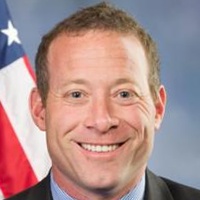
Josh Gottheimer
Representative
NJ
Josh Gottheimer
Representative
NJ
The Invest to Protect Act of 2025 establishes a new, streamlined grant program within the Department of Justice to support small local and Tribal law enforcement agencies (under 175 officers). These funds are specifically designated for officer training, mental health resources, and recruitment/retention bonuses. The law mandates a rapid application process and includes strict accountability measures, such as audits and public reporting of bonuses. Congress is authorized to appropriate up to $50 million annually for this program through fiscal year 2031.
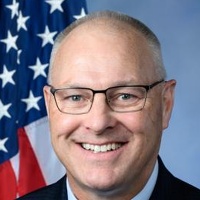
This act voids federal restrictions enacted after May 15, 2015, that limit state and local police access to surplus federal equipment and mandates the return of gear previously taken under those rules.
Pete Stauber
Representative
MN
Pete Stauber
Representative
MN
The Lifesaving Gear for Police Act of 2025 voids federal restrictions enacted after May 15, 2015, that limit state and local police access to surplus federal equipment, unless specifically approved by Congress. This prevents federal agencies from enforcing these unapproved rules and mandates the return of equipment previously seized under those restrictions. The bill aims to ensure local law enforcement has access to necessary federal gear.
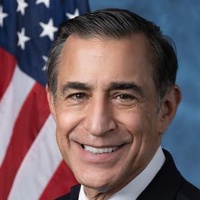
This Act prohibits state and local governments from imposing excise taxes on the sale of firearms, ammunition, or related parts in interstate or foreign commerce.
Darrell Issa
Representative
CA
Darrell Issa
Representative
CA
The Freedom from Unfair Gun Taxes Act of 2025 prohibits state and local governments from imposing excise taxes on the sale of firearms, ammunition, or firearm parts. This restriction specifically targets taxes levied on sales that involve interstate or foreign commerce. The Act explicitly preserves existing federal laws, such as the Pittman-Robertson Wildlife Restoration Act.
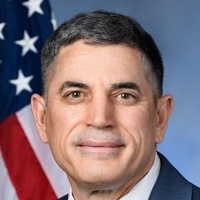
The SHORT Act redefines "firearm" to exclude certain collector's items, eliminates disparate federal treatment of short-barreled rifles and shotguns, preempts state and local registration/tax burdens on these items, and mandates the destruction of certain existing NFA records.
Andrew Clyde
Representative
GA
Andrew Clyde
Representative
GA
The SHORT Act aims to reform federal firearms regulations by redefining what constitutes a "firearm" for tax purposes, largely excluding antique or collector's items. It eliminates disparate federal treatment for short-barreled rifles and shotguns used lawfully and preempts state and local governments from imposing special taxes or registration requirements on these specific weapons. Furthermore, the bill mandates the destruction of certain existing federal registration and transfer records related to defined firearms.