Legislative Activity
Track Scott's sponsored bills, co-sponsored legislation, and voting record
This bill reauthorizes the Accelerating Access to Critical Therapies for ALS Act through 2031 while enhancing grant oversight, safety reporting requirements, and FDA strategic planning for rare neurodegenerative diseases.

Mike Quigley
Representative
IL
Mike Quigley
Representative
IL
The Accelerating Access to Critical Therapies for ALS Reauthorization Act of 2026 extends vital funding for ALS research and clinical trial programs through 2031. This legislation strengthens oversight by enhancing grant review processes, improving safety reporting requirements, and mandating a comprehensive five-year FDA action plan to accelerate the development of treatments for rare neurodegenerative diseases.
The "Combating Illicit Xylazine Act" aims to combat the misuse of xylazine by adding it to Schedule III of the Controlled Substances Act, tracking its distribution, and ensuring appropriate penalties for related offenses, while also protecting legitimate veterinary use.
Jimmy Panetta
Representative
CA
Jimmy Panetta
Representative
CA
The "Combating Illicit Xylazine Act" aims to combat the illegal use of xylazine by adding it to Schedule III of the Controlled Substances Act, which would allow for increased regulation and tracking of the substance. The bill includes exemptions and delayed effective dates for certain requirements to ease the transition for legitimate users, such as veterinarians and animal handlers. It also directs the Sentencing Commission to review sentencing guidelines for xylazine-related offenses and mandates reports to Congress on the prevalence and impact of illicit xylazine use. Finally, it will include xylazine in Arcos tracking.
This bill prohibits the Department of Labor from finalizing, implementing, or enforcing the proposed rule regarding heat injury and illness prevention in outdoor and indoor work settings.
Mark Messmer
Representative
IN
Mark Messmer
Representative
IN
This act, the Heat Workforce Standards Act of 2025, prohibits the Secretary of Labor from finalizing, implementing, or enforcing the proposed rule regarding heat injury and illness prevention published in August 2024. This restriction extends to any future standard substantially similar to the one proposed.
This bill clarifies that a franchisor is only considered a joint employer of a franchisee's workers if it exercises substantial, direct, and immediate control over essential terms of employment.
Kevin Hern
Representative
OK
Kevin Hern
Representative
OK
The American Franchise Act aims to protect the traditional franchise business model by clarifying the definition of a "joint employer." This legislation establishes that a franchisor is only considered a joint employer if it exercises "substantial direct and immediate control" over the essential terms of employment for a franchisee's workers. This change specifically targets liability risks associated with maintaining brand standards, ensuring franchisors are not automatically held responsible for local labor practices. The new standard applies prospectively to future legal proceedings.
The Chloe Cole Act of 2026 establishes a private right of action allowing individuals to sue healthcare providers for damages resulting from gender-transition medical interventions performed on them as minors.
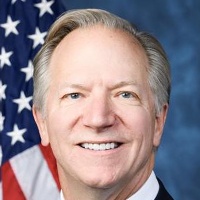
Robert Onder
Representative
MO
Robert Onder
Representative
MO
The Chloe Cole Act of 2026 establishes a federal private right of action allowing individuals to sue healthcare professionals and institutions for damages related to gender-transition medical interventions performed on them as minors. The bill permits lawsuits regardless of when the intervention occurred and sets a statute of limitations extending 25 years past the individual's 18th birthday. Additionally, it mandates strict liability for such interventions performed after the Act's enactment.
This Act prohibits payment card networks and processors from assigning specific merchant category codes to identify firearms retailers, protecting the privacy of firearm and ammunition purchases.
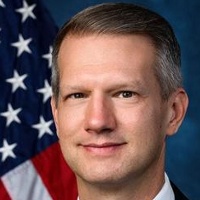
Riley Moore
Representative
WV
Riley Moore
Representative
WV
The Protecting Privacy in Purchases Act prohibits payment card networks and processors from assigning specific merchant category codes to firearms retailers. This legislation aims to protect consumer privacy by preventing the tracking of firearm and ammunition purchases through specialized financial classification. The Attorney General is tasked with enforcing these provisions and reporting annually on compliance.
This bill renames and revises the Great American Outdoors Act's maintenance fund, increases dedicated funding through new, higher fees for foreign visitors, and sets spending priorities for deferred maintenance across public lands agencies.
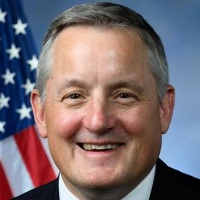
Bruce Westerman
Representative
AR
Bruce Westerman
Representative
AR
This bill, the Great American Outdoors Act 250, significantly reforms and renames the existing public lands restoration fund to the America’s Legacy Restoration Fund. It secures dedicated funding streams, primarily from energy revenues and new fees on foreign visitors, to address critical deferred maintenance across the National Park Service, Forest Service, and other public land agencies. The legislation establishes strict spending priorities for infrastructure repair while also creating pilot programs for enhancing outdoor recreation and sportsmen's access. Finally, it mandates increased transparency and accountability through standardized metrics and public reporting on all funded projects.
This bill significantly expands federal immunity for firearm manufacturers and sellers by immediately dismissing existing lawsuits and establishing strict limitations and procedural hurdles for future civil liability claims.
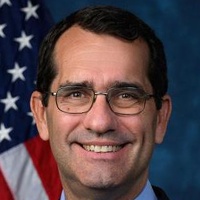
Derek Schmidt
Representative
KS
Derek Schmidt
Representative
KS
The Stopping Harmful and Outrageous Torts Act significantly expands legal immunity for firearm manufacturers, sellers, and trade associations by redefining terms within existing federal law. It mandates the immediate dismissal of pending lawsuits against these entities and establishes strict new standards for any exceptions that might apply. Furthermore, the bill preempts state and local laws that attempt to impose liability based on the criminal misuse of qualified products.
This bill, the TSP Modernization Act, mandates the electronic transfer of Thrift Savings Fund account balances to qualified retirement plans one year after enactment.
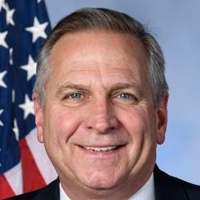
Mike Bost
Representative
IL
Mike Bost
Representative
IL
The TSP Modernization Act facilitates the electronic transfer of funds from Thrift Savings Plan (TSP) accounts to qualified retirement plans. This change will take effect one year after the bill is enacted, allowing participants to move their savings more efficiently. The Federal Retirement Thrift Investment Board is responsible for implementing this new electronic transfer process.
This act enhances the federal employee awards program by increasing the maximum reward up to \$20,000 for identifying wasteful spending and preventing improper payments, while adding new reporting requirements.
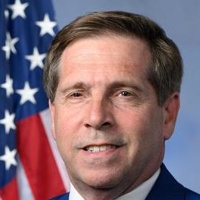
Charles Fleischmann
Representative
TN
Charles Fleischmann
Representative
TN
The Bonuses for Cost-Cutters and Fraud Preventers Act of 2026 enhances the federal employee awards program to reward employees who identify wasteful spending and prevent improper government payments. This legislation increases the maximum cash award for such disclosures from $10,000 to $20,000. It also establishes new reporting requirements for agencies to notify the President and Treasury, and mandates public disclosure of awards given for these cost-saving efforts.
This Act prohibits sex offenders from participating in surrogacy arrangements and imposes severe criminal penalties on agencies, employees, and offenders who violate this prohibition.
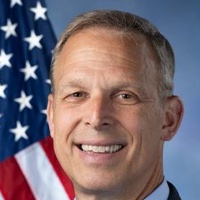
Scott Perry
Representative
PA
Scott Perry
Representative
PA
The Protecting Kids from Creeps Act prohibits sex offenders from participating in surrogacy arrangements. This bill imposes severe criminal penalties, including lengthy prison sentences, for sex offenders, surrogacy agencies, and their employees who knowingly facilitate such agreements. Furthermore, convicted agencies lose tax-exempt status and eligibility for federal funding, and any resulting surrogacy agreements are void.
This Act voids surrogacy agreements between U.S. surrogates and foreign national prospective parents and penalizes brokers who facilitate them to prevent exploitation and national security risks.
Scott Perry
Representative
PA
Scott Perry
Representative
PA
This Act invalidates surrogacy agreements between foreign national prospective parents and U.S. surrogate mothers, voiding such contracts. It imposes criminal penalties on surrogacy brokers who facilitate these arrangements for foreign nationals. Furthermore, the bill limits the ability of foreign national parents to gain immigration benefits through a child born under these voided agreements.
This bill establishes the Smithsonian American Women's History Museum, designates its site on the National Mall, and sets requirements for its mission, construction, and diverse representation of viewpoints.
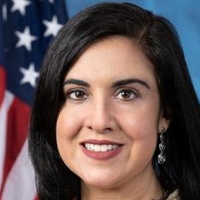
Nicole Malliotakis
Representative
NY
Nicole Malliotakis
Representative
NY
This act officially establishes the Smithsonian American Women’s History Museum and designates its location on the National Mall, requiring the transfer of land jurisdiction to the Smithsonian Institution. The museum is mandated to preserve and present the history and achievements of biological women in the United States. Furthermore, the legislation requires that exhibits and programs reflect diverse political viewpoints and authentic experiences of women, as guided by a broad array of knowledgeable sources.
This Act establishes the National Nuclear Forensics Center within the National Nuclear Security Administration to coordinate federal nuclear forensics efforts and amends related laws.
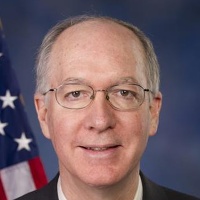
Bill Foster
Representative
IL
Bill Foster
Representative
IL
The Nuclear Forensics Authority Realignment Act establishes a new National Nuclear Forensics Center within the National Nuclear Security Administration to coordinate federal nuclear forensics efforts. This legislation centralizes coordination and strengthens the nation's technical capability to respond to nuclear terrorism. It also modifies existing programs to build expertise in this critical field and updates related legal references.
This Act eliminates federal transfer, making, and occupational taxes on National Firearms Act firearms and expands related excise tax exemptions.
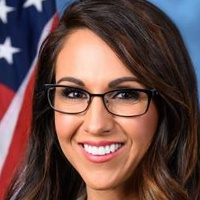
Lauren Boebert
Representative
CO
Lauren Boebert
Representative
CO
The Freedom from Taxes Act of 2026 aims to eliminate several federal taxes associated with National Firearms Act (NFA) firearms. This bill reduces the transfer and making taxes on NFA items to zero and phases out the annual special occupational tax for dealers, importers, and manufacturers. It also simplifies an existing excise tax exemption for these firearms.
This bill establishes the Combating Organized Retail Crime Act of 2025 to enhance federal prosecution tools against organized retail and supply chain crime and create a DHS-led coordination center to align law enforcement efforts.
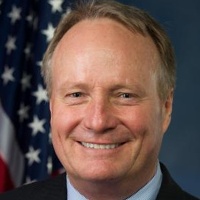
David Joyce
Representative
OH
David Joyce
Representative
OH
The Combating Organized Retail Crime Act of 2025 aims to combat sophisticated, cross-jurisdictional organized retail and supply chain theft. It achieves this by strengthening federal laws regarding money laundering and stolen property offenses, including lowering monetary thresholds for prosecution. Furthermore, the bill establishes a dedicated Center within the Department of Homeland Security to coordinate federal, state, and local enforcement efforts against these criminal organizations.
This Act repeals the federal beneficial ownership information reporting requirements for domestic persons and entities, limiting them only to foreign individuals and foreign-connected companies, and mandates the deletion of existing domestic data.
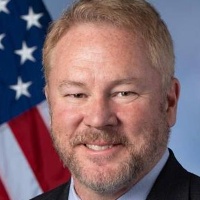
Warren Davidson
Representative
OH
Warren Davidson
Representative
OH
The Repealing Big Brother Overreach Act significantly narrows the federal beneficial ownership information reporting requirements. This legislation limits reporting obligations exclusively to foreign individuals and foreign-connected companies. Furthermore, it mandates the deletion of all previously collected data pertaining to domestic persons and entities.
This bill grants current and former highly trained Special Operations Forces members the permanent authority to carry concealed firearms under the same federal framework as qualified retired law enforcement officers.
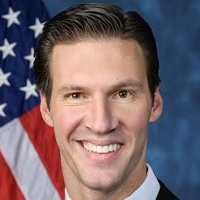
Pat Harrigan
Representative
NC
Pat Harrigan
Representative
NC
This bill establishes the "Special Operations Forces Concealed Carry Act," granting current and former highly-trained special operations personnel the authority to carry concealed firearms nationwide. This authority mirrors that currently afforded to qualified retired law enforcement officers under federal law. The legislation mandates the creation of a new identification card program by the Departments of Defense and Veterans Affairs to verify eligibility. This concealed carry privilege is permanent for qualified individuals who maintain honorable status and are otherwise eligible to possess a firearm.
This bill mandates comprehensive safety upgrades for civilian and military aviation, focusing on collision avoidance technology, air traffic control training, and enhanced airspace transparency, particularly around high-traffic airports.
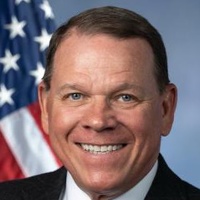
Sam Graves
Representative
MO
Sam Graves
Representative
MO
The Airspace Location and Enhanced Risk Transparency Act of 2026 mandates significant safety upgrades across both civilian and military aviation to prevent midair collisions. It requires the FAA to implement advanced collision avoidance systems and new air traffic controller training, while also compelling the Department of Defense to equip most military helicopters with transponders for increased visibility. The bill establishes new transparency measures, including public tracking of safety rule implementation and enhanced reporting on near-miss incidents, particularly around major airports like Reagan National.
This bill officially renames the post office at 417 West 7th Street in Columbia, Tennessee, to the Pharmacist’s Mate First Class John Harlan Willis Post Office Building.
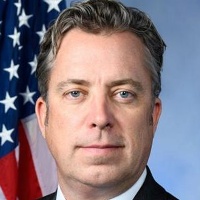
Andrew Ogles
Representative
TN
Andrew Ogles
Representative
TN
This bill officially renames the United States Postal Service facility located at 417 West 7th Street in Columbia, Tennessee. The building will now be known as the Pharmacist’s Mate First Class John Harlan Willis Post Office Building. This designation ensures all official references to the facility reflect the new name.