Legislative Activity
Track Donald's sponsored bills, co-sponsored legislation, and voting record
This resolution urges Japan to enact a nationwide ban on the slaughter and trade of dogs and cats for human consumption.
Andrew Garbarino
Representative
NY
Andrew Garbarino
Representative
NY
This resolution expresses the House of Representatives' disapproval of the slaughter of dogs and cats for human consumption. It urges Japan to enact a nationwide ban on the practice, citing the shared values and commitment to animal welfare between the United States and Japan.
This resolution urges the President to order U.S. flags flown at half-staff to honor the life and legacy of civil rights leader Reverend Jesse Jackson.
Joyce Beatty
Representative
OH
Joyce Beatty
Representative
OH
This resolution formally honors the life and enduring legacy of civil rights leader Reverend Jesse Louis Burns Jackson, Sr. It recognizes his significant contributions to the Civil Rights Movement, including his work with Dr. Martin Luther King, Jr. and his founding of Operation PUSH. The bill specifically urges the President to order that the U.S. flag be flown at half-staff in his memory.
This bill establishes the Americas Living Library Project to collect, sequence, and publicly database the genomic data of plants, animals, fungi, and microbes found in national parks.
Ro Khanna
Representative
CA
Ro Khanna
Representative
CA
The America’s Living Library Act establishes a pilot program within the Department of the Interior to collect, sequence, and create a public database of genomic data from plants, animals, fungi, and microbes in national parks. This initiative mandates coordination across federal agencies for sample collection, long-term physical storage, and data integration with existing scientific systems. The bill authorizes specific funding for the project and supporting agencies through fiscal year 2031, with the program terminating ten years after enactment.
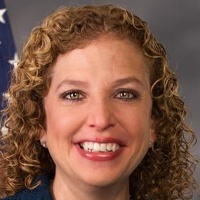
This Act amends the Fair Housing Act to establish survivors of domestic violence, sexual assault, or severe forms of trafficking as a protected class, prohibiting housing discrimination against them.
Debbie Wasserman Schultz
Representative
FL
Debbie Wasserman Schultz
Representative
FL
The Fair Housing for Survivors Act of 2026 amends the Fair Housing Act to establish survivors of domestic violence, sexual assault, or severe forms of trafficking as a protected class. This makes it illegal to discriminate against these individuals in housing transactions, including rentals, sales, and financing. The bill aims to ensure survivors can secure and maintain safe housing free from further victimization.
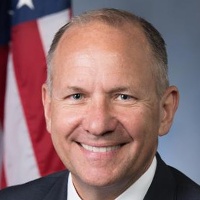
This bill requires the President’s annual budget and the Congressional budget resolution to include explicit reporting on public debt-to-GDP and deficit-to-GDP ratios.
Lloyd Smucker
Representative
PA
Lloyd Smucker
Representative
PA
The Debt-to-GDP Transparency and Stabilization Act mandates that both the President’s annual budget submission and the Congressional budget resolution include clear data on public debt and deficit ratios relative to the Gross Domestic Product (GDP). This legislation aims to increase fiscal transparency by ensuring these key economic indicators are consistently reported in federal budget documents.
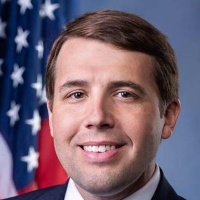
This bill strengthens democracy by banning foreign spending in U.S. elections, increasing transparency for "dark money" in politics, and mandating clear disclosure of funders in political advertising.
Chris Pappas
Representative
NH
Chris Pappas
Representative
NH
The Democracy Is Strengthened by Casting Light On Spending in Elections Act of 2026 aims to increase transparency and security in U.S. elections. It closes loopholes to ban foreign national spending in elections, mandates disclosure for "dark money" political spending, and requires clear funding disclosures on political ads. The bill also centralizes legal challenges to campaign finance laws in Washington, D.C., for faster resolution.
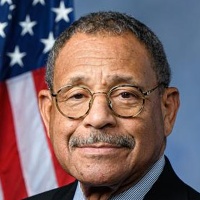
This act extends the Heirs Property Intermediary Relending Program and establishes a new initiative providing free legal and accounting services to help heirs resolve complex ownership issues on agricultural and forest land.
Sanford Bishop
Representative
GA
Sanford Bishop
Representative
GA
The Heirs Education and Investment to Resolve Succession of Property Act supports the stability of agricultural land by extending the Heirs Property Intermediary Relending Program through 2031. It also establishes a new initiative providing $60 million annually to help underserved heirs access free legal and accounting services to resolve complex property ownership issues. These measures aim to keep farmland in production and improve access to vital USDA programs for multi-owner properties.
This act streamlines the oversight of State Veterans Homes by allowing VA-certified facilities to automatically meet Medicare and Medicaid participation requirements while ensuring consistent public reporting of quality and safety data.
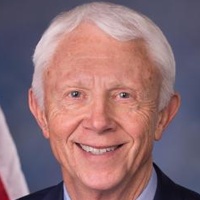
Jack Bergman
Representative
MI
Jack Bergman
Representative
MI
The State Veterans Homes Inspection Simplification Act streamlines the regulatory process by allowing State Veterans Homes certified by the Department of Veterans Affairs (VA) to be automatically deemed compliant with Medicare and Medicaid participation requirements. The bill ensures continued oversight and accountability by mandating that VA inspection standards align with federal protocols and requiring that all quality and compliance data be publicly reported. Additionally, it tasks the Government Accountability Office with reviewing the effectiveness and impact of this new authority within three years.
This bill amends the Defense Community Infrastructure Program to grant Indian tribes eligibility for federal infrastructure grants and technical assistance from the Department of Defense.
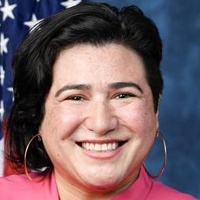
Emily Randall
Representative
WA
Emily Randall
Representative
WA
The Defense Community Infrastructure Program Tribal Eligibility Act of 2026 amends existing law to formally include Tribal governments as eligible entities for the Department of Defense’s infrastructure grant program. This legislation ensures that Indian tribes can access both financial and technical assistance to support critical project planning and development within their communities.
This bill expresses support for the National FFA Organization by designating February 21-28, 2026, as National FFA Week and celebrating the 50th anniversary of the Alaska State FFA Association.
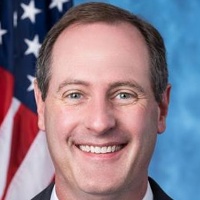
Tracey Mann
Representative
KS
Tracey Mann
Representative
KS
This resolution expresses support for the National FFA Organization and designates February 21–28, 2026, as National FFA Week. It recognizes the FFA's vital role in developing future leaders through agricultural education. The bill also celebrates the 50th anniversary of the chartering of the Alaska State FFA Association.
This act modernizes rural development by standardizing the population threshold for USDA and DOE programs to 25,000 inhabitants, excluding incarcerated and military populations, while also expanding eligibility to U.S. territories.
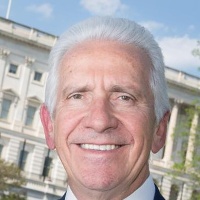
Jim Costa
Representative
CA
Jim Costa
Representative
CA
The Rural Development Modernization Act standardizes the definition of a "rural community" across key USDA programs, setting a uniform population threshold of 25,000 inhabitants. This legislation also mandates the exclusion of incarcerated and military base populations when calculating eligibility for these programs. Furthermore, it expands eligibility for federal rural development and water supply programs to include U.S. territories and clarifies definitions for various housing and energy initiatives. The bill also establishes an annual process for reassessing and potentially adjusting the rural population threshold.
The Iran Human Rights, Internet Freedom, and Accountability Act of 2026 aims to support the Iranian people by expanding internet access, strengthening sanctions against regime officials, and establishing a Treasury initiative to combat Iranian government corruption and kleptocracy.
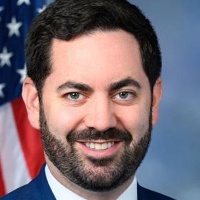
Michael Lawler
Representative
NY
Michael Lawler
Representative
NY
The Iran Human Rights, Internet Freedom, and Accountability Act of 2026 aims to support the Iranian people by expanding access to uncensored internet and communication technologies. The bill strengthens U.S. policy against regime repression by mandating investigations into human rights abuses and establishing a new Treasury initiative to combat corruption and money laundering by Iranian officials. Additionally, it enhances congressional oversight of sanctions and promotes independent media to counter state-sponsored censorship.
This act establishes a new travel reimbursement for military members who rent vehicles for certain training or duty travel exceeding 150 miles.
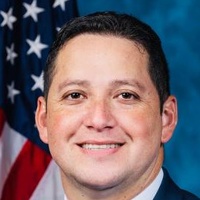
Ernest Gonzales
Representative
TX
Ernest Gonzales
Representative
TX
The Reserve Forces Travel Fairness Act establishes a new travel reimbursement for members of the uniformed services who must rent a vehicle for certain training or duty travel exceeding 150 miles. This provision ensures service members are reimbursed for necessary rental vehicle costs incurred during the period of duty and associated travel days. The Department of Defense is required to update travel regulations within 180 days to implement this change.
This bill expands and improves agricultural cooperation, research, and trade between the United States and Israel, while also broadening the scope of the existing Binational Agricultural Research and Development Fund (BARD Fund) to include Abraham Accords signatories.
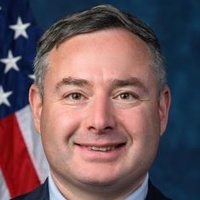
Eugene Vindman
Representative
VA
Eugene Vindman
Representative
VA
This bill aims to significantly expand and improve agricultural cooperation between the United States and Israel through enhanced joint research, development, and trade activities. It authorizes new funding streams and establishes an accelerator program to fast-track promising cooperative agricultural technologies. Furthermore, the legislation broadens the scope of the existing Binational Agricultural Research and Development (BARD) Fund to include partners from the Abraham Accords nations.
This bill exempts specific less-than-lethal projectile devices from federal firearm restrictions, excise taxes, and National Firearms Act regulations to promote de-escalation innovation in law enforcement.
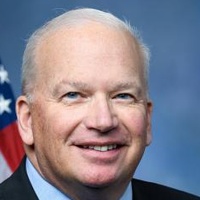
Scott Fitzgerald
Representative
WI
Scott Fitzgerald
Representative
WI
The Law-Enforcement Innovate to De-Escalate Act aims to promote de-escalation by exempting specific, clearly defined less-than-lethal projectile devices from federal firearm restrictions and excise taxes. This legislation provides a formal process for determining which devices qualify for these exemptions under both federal law and the National Firearms Act. The bill also modernizes tax regulations by exempting qualifying less-than-lethal devices and their ammunition from federal excise taxes.
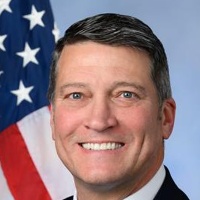
This Act establishes the United States-Israel Defense Technology Cooperation Initiative to accelerate joint research, development, and integration of defense technologies between the two nations.
Ronny Jackson
Representative
TX
Ronny Jackson
Representative
TX
This bill establishes the United States-Israel Defense Technology Cooperation Initiative to accelerate joint research, development, and integration of critical defense technologies. The initiative focuses on key areas like AI, missile defense, and counter-drone systems to enhance the security and technological edge of both nations. It mandates regular reporting to Congress on progress and authorizes funding for fiscal years 2027 through 2029.
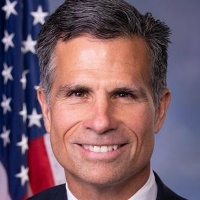
This Act prohibits online platforms from displaying fraudulent paid advertisements if they accepted payment and failed to take reasonable steps to prevent them, while also establishing new enforcement mechanisms.
Daniel Meuser
Representative
PA
Daniel Meuser
Representative
PA
The Safeguarding Consumers from Advertising Misconduct Act (SCAM Act) holds online platforms accountable for displaying fraudulent or deceptive paid advertisements. It mandates that platforms implement strict advertiser verification procedures and actively detect and remove scam ads. This legislation establishes a private right of action for injured consumers and clarifies that existing Section 230 immunity does not apply to violations of this Act.
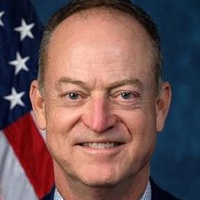
This bill establishes a joint research and development program between the DOD and USDA to advance national security and agricultural priorities through collaborative projects.
Mark Messmer
Representative
IN
Mark Messmer
Representative
IN
This bill establishes the DOD and USDA Interagency Research Act to create a joint research and development program between the Department of Defense and the Department of Agriculture. The collaboration will focus on projects advancing national security and agricultural priorities, such as supply chain resilience, bioindustrial manufacturing, and natural resource management. The Secretaries must sign an agreement outlining a merit-based review process and focusing on high-payoff technologies. The program also mandates annual reporting to Congress on achievements, expenditures, and research security practices.
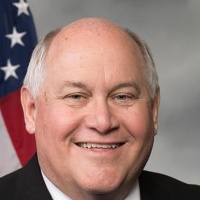
This bill delays a planned Medicare payment adjustment to physician work values until 2030 and modifies annual Medicare payment update rates based on APM participation.
Ron Estes
Representative
KS
Ron Estes
Representative
KS
The Efficiency Adjustment Delay Act postpones a planned Medicare payment adjustment affecting physician work values until at least January 1, 2030. The bill also mandates a report to Congress assessing the need for a one-time adjustment to certain physician service values. Furthermore, it modifies the annual Medicare physician payment updates for 2026 and subsequent years based on participation in Alternative Payment Models.
The Representing our Seniors at VA Act of 2026 updates the membership requirements of the VA Geriatrics and Gerontology Advisory Committee to include representatives from veterans service organizations, State homes, and nursing home administration.
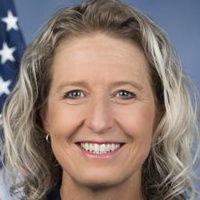
Jennifer Kiggans
Representative
VA
Jennifer Kiggans
Representative
VA
The Representing our Seniors at VA Act of 2026 updates the membership requirements for the Department of Veterans Affairs Geriatrics and Gerontology Advisory Committee. This legislation ensures the committee includes diverse representation from veterans service organizations, State homes, and licensed nursing home administrators to better support aging veterans.