Legislative Activity
Track Donald's sponsored bills, co-sponsored legislation, and voting record
This Act establishes federal standards for using mass balance accounting to substantiate recycled content claims in product marketing, enforced by the FTC.
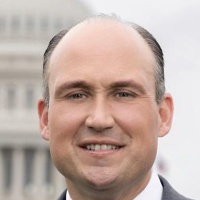
Nicholas Langworthy
Representative
NY
Nicholas Langworthy
Representative
NY
The Recycled Materials Attribution Act of 2026 establishes national standards for making recycled content claims in commerce. This bill recognizes mass balance accounting as an acceptable method for substantiating these claims, provided it adheres to a third-party certification system. The Federal Trade Commission (FTC) is tasked with updating its Green Guides to reflect these standards and will enforce prohibitions against misleading recycled content claims. Furthermore, the Act preempts state and local regulations concerning the enforcement of these federal standards.
This bill mandates federal agencies to coordinate efforts to prevent, control, and eradicate the New World screwworm parasite on public lands.
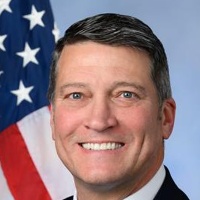
Ronny Jackson
Representative
TX
Ronny Jackson
Representative
TX
The SAFE CATTLE Act mandates federal agencies to formally cooperate on preventing, controlling, and eradicating the New World screwworm parasite on federal lands. This requires the Departments of Agriculture and the Interior to establish joint surveillance, response, and eradication protocols. The agencies must also report annually to Congress on their coordination efforts and progress until the parasite is contained outside the U.S.
This act reauthorizes and expands funding for the WISEWOMAN program to provide additional heart health preventive services to low-income women.
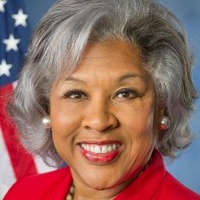
Joyce Beatty
Representative
OH
Joyce Beatty
Representative
OH
The Women’s Heart Health Expansion Act of 2026 reauthorizes the WISEWOMAN program through fiscal year 2031, securing significant funding for women's health initiatives. This legislation allows for supplemental grants to expand preventive health services, such as blood pressure and cholesterol screenings, to low-income women. These services will be integrated with existing breast and cervical cancer screening programs.
This resolution recognizes January 2026 as National Mentoring Month to honor mentors and promote quality mentoring programs for America's youth.
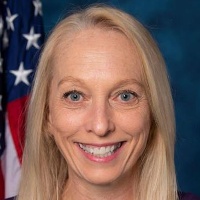
Mary Scanlon
Representative
PA
Mary Scanlon
Representative
PA
This resolution officially recognizes January 2026 as National Mentoring Month to honor the dedicated staff and volunteers in mentoring programs. It highlights the significant benefits of mentoring, such as boosting educational achievement and reducing juvenile delinquency. The bill encourages the growth of quality mentoring programs nationwide to ensure more young people have supportive adult connections.
This Act allows businesses in federally or state-declared disaster areas to transfer certain unused general business credits from prior years to cover eligible operating expenses incurred after the disaster.
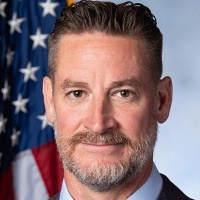
W. Steube
Representative
FL
W. Steube
Representative
FL
The Disaster Zone Energy Affordability and Investment Act allows businesses in federally or state-declared disaster areas to transfer certain unused general business tax credits from prior years. This provision is designed to help affected taxpayers by converting these credits into usable funds based on their eligible operating expenditures within the disaster zone. The credits apply to investments made following disasters declared after December 31, 2023.
This act makes the Department of Veterans Affairs' telescreening mammography program permanent and expands access to mammography services for veterans in every state and Puerto Rico.
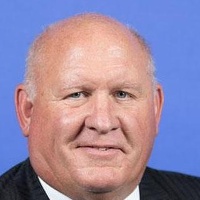
Glenn Thompson
Representative
PA
Glenn Thompson
Representative
PA
The Mammography Access for Veterans Act of 2025 permanently expands and enhances the Department of Veterans Affairs' telescreening mammography program. This legislation mandates that within two years, every state and Puerto Rico must have access to VA-provided breast imaging services, including telescreening, full-service, or mobile options. Furthermore, it ensures these vital services are fully accessible to veterans with disabilities.
This act exempts veterans from the work requirements for the Supplemental Nutrition Assistance Program (SNAP).
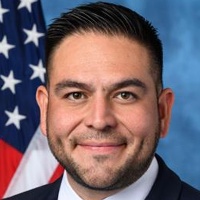
Gabriel (Gabe) Vasquez
Representative
NM
Gabriel (Gabe) Vasquez
Representative
NM
The Feed Our Veterans Act permanently exempts all veterans from the work requirements associated with receiving Supplemental Nutrition Assistance Program (SNAP) benefits. This legislation ensures that veterans have consistent access to food assistance without meeting specific employment criteria.
This bill mandates that unspent federal agency funds be split, with most going to debt reduction, some rolled over for one year, and a small portion used for employee retention bonuses, while also limiting future budget requests.
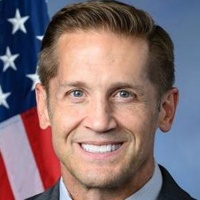
Rich McCormick
Representative
GA
Rich McCormick
Representative
GA
The Incentivize Savings Act mandates how federal agencies must handle unspent appropriations by dedicating the majority to debt reduction and allowing a portion for employee retention bonuses. This legislation also restricts future budget requests to only account for inflation unless the agency fully spends its prior allocation. Ultimately, the bill aims to encourage fiscal responsibility by linking unspent funds to debt reduction and limiting budget growth.
The PASTEUR Act of 2026 establishes a subscription-style contract program to incentivize the development and ensure the availability of novel antimicrobials against urgent threats while promoting their appropriate use.
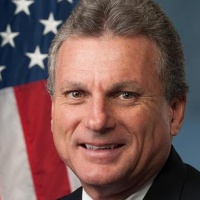
Earl Carter
Representative
GA
Earl Carter
Representative
GA
The PASTEUR Act of 2026 aims to combat antimicrobial resistance by creating a subscription-style contract program to incentivize the research and development of new, life-saving antibiotics. This program will provide substantial annual payments to drug sponsors for ensuring the availability and appropriate use of eligible antimicrobials targeting urgent threats. The bill also establishes grants to promote stewardship programs in healthcare facilities and enhance national surveillance of resistance data.
The Veterans Education and Technical Skills Opportunity Act of 2025 reforms GI Bill contribution repayments, expands eligibility for independent study programs, provides service members options for continuing education during service orders, and updates VA compliance survey notification rules.
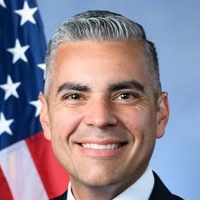
Juan Ciscomani
Representative
AZ
Juan Ciscomani
Representative
AZ
The Veterans Education and Technical Skills Opportunity Act of 2025 modernizes GI Bill benefits and support for service members and veterans. This bill revises the repayment timing for service members who contribute to their Post-9/11 GI Bill benefits and expands eligibility for independent study programs. It also provides service members with new options when called to active duty during their education and updates compliance survey procedures for educational institutions.
This bill supports designating 2026 as the International Year of the Woman Farmer to recognize the critical role of women in agriculture.

Chellie Pingree
Representative
ME
Chellie Pingree
Representative
ME
This bill officially designates 2026 as the "International Year of the Woman Farmer" to recognize and honor the vital contributions of women in U.S. agriculture. It encourages citizens to celebrate the impact of these women on the food system and empowers women to pursue leadership roles in the field.
This act mandates regular advertisement of the Ticket to Work program to all disabled Social Security beneficiaries.

J. Hill
Representative
AR
J. Hill
Representative
AR
This act mandates that the Commissioner of Social Security regularly advertise the Ticket to Work program to all disabled beneficiaries. Information must be sent to every eligible beneficiary within one year of the law's enactment, and then every six months thereafter. This ensures disabled beneficiaries are consistently informed about available employment support programs.
This act establishes the Blue Campaign Certification Program to recognize employers in high-risk industries that provide human trafficking awareness training to their employees.
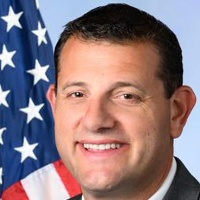
David Valadao
Representative
CA
David Valadao
Representative
CA
The Human Trafficking Awareness Training Recognition Act of 2026 establishes the Blue Campaign Certification Program within the Department of Homeland Security. This program recognizes employers in high-risk industries that provide their employees with training to recognize and respond to human trafficking. Eligible employers will receive a public certificate of completion and be recognized in the Federal Register. The Act also mandates increased coordination for the DHS Blue Campaign with private sector, academic, and industry experts.
This act establishes the Domestic Cotton Consumption Credit to incentivize businesses to use U.S.-grown cotton through a verified supply chain with varying credit percentages based on processing location.
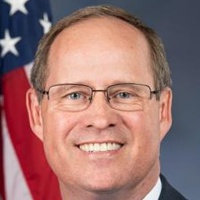
Gregory Murphy
Representative
NC
Gregory Murphy
Representative
NC
The Buying American Cotton Act of 2026 establishes the Domestic Cotton Consumption Credit to incentivize the use of U.S.-grown cotton in products sold domestically. This new business tax credit is calculated based on the volume of U.S. cotton used, the market price, and where the product was processed. The bill mandates digital tracing to verify the supply chain and offers significantly increased credit multipliers for products containing U.S.-made cotton yarn or fabric.
This bill enhances U.S.-Israel cooperation, funding, and reporting requirements to counter the growing threat of Iranian unmanned aerial systems.
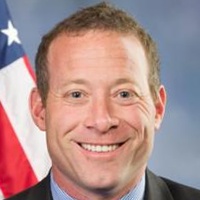
Josh Gottheimer
Representative
NJ
Josh Gottheimer
Representative
NJ
The U.S.-Israel Anti-Killer Drone Act of 2026 establishes a framework to significantly enhance joint U.S.-Israel cooperation specifically aimed at countering threats posed by Iranian unmanned aerial systems (drones). This legislation increases authorized funding for cooperative missile defense programs and mandates detailed annual reporting on joint counter-drone research, development, and deployment efforts. The goal is to accelerate the exchange of technology and expertise to defend against evolving drone attacks.
This Act establishes mandatory health and safety standards, independent inspections, and stringent accountability measures for privatized military housing to protect service members and their families from hazardous living conditions.
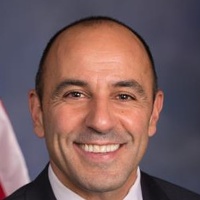
Jimmy Panetta
Representative
CA
Jimmy Panetta
Representative
CA
The Military Occupancy Living Defense (MOLD) Act establishes mandatory minimum health and safety standards for privatized military housing to combat hazardous conditions like mold. It institutes rigorous independent inspection protocols, requires standardized reporting on housing quality, and holds contractors financially accountable for remediation and tenant relocation costs. This legislation aims to improve habitability, protect service members' health, and enhance military readiness.
This act establishes national security priorities within the USDA, mandates a Senior Advisor for National Security, and requires regular reports to Congress on vulnerabilities in the food and agriculture sector.
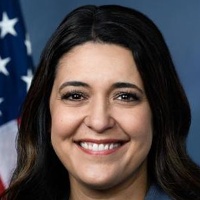
Stephanie Bice
Representative
OK
Stephanie Bice
Representative
OK
The Agriculture and National Security Act of 2026 formally recognizes food and agriculture as critical to national security. This bill establishes a Senior Advisor for National Security within the USDA to prioritize national security concerns alongside homeland security. It also mandates regular reporting to Congress on identified vulnerabilities, such as foreign influence and data control, and authorizes personnel exchanges with key defense and intelligence agencies.
The PORCUPINE Act amends the Arms Export Control Act to include Taiwan in existing certification and reporting requirements and mandates a feasibility study for expediting military equipment transfers to Taiwan from key allies.

Robert Wittman
Representative
VA
Robert Wittman
Representative
VA
The PORCUPINE Act amends the Arms Export Control Act to formally include Taiwan in existing certification and reporting requirements. It also mandates a feasibility study for expediting the licensing process for allied nations transferring U.S.-origin military equipment to Taiwan. The legislation is intended to enhance security cooperation while affirming that it does not alter existing U.S. policy as defined by the Taiwan Relations Act.
This bill automatically appropriates funds to ensure federal employees and essential contractors receive their regular pay during a government shutdown.
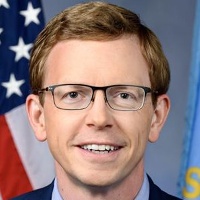
Dusty Johnson
Representative
SD
Dusty Johnson
Representative
SD
The Shutdown Fairness Act automatically appropriates necessary funds to ensure federal employees and essential contractors receive their regular pay during a government shutdown. This legislation mandates timely payment for covered personnel, regardless of whether they were deemed "excepted" or furloughed. The funds are charged against the agency's subsequent regular appropriations once they are enacted.
This bill prohibits the importation of energy products refined outside of Russia if they were produced using Russian crude oil.

Lloyd Doggett
Representative
TX
Lloyd Doggett
Representative
TX
The Ending Importation of Laundered Russian Oil Act closes a loophole in existing sanctions by banning the import of petroleum products refined outside of Russia if they were produced using Russian crude oil. This legislation ensures that energy products derived from Russian sources cannot enter the U.S. market, subjecting violators to the same penalties as those who import Russian oil directly.