Legislative Activity
Track Donald's sponsored bills, co-sponsored legislation, and voting record
The Next GEN Act of 2026 shortens the Medicare drug price negotiation waiting period for qualifying engineered cyclic peptides from eleven years to seven years by treating them like small-molecule drugs.
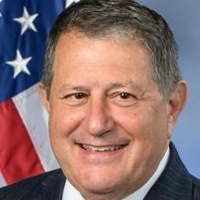
Joseph Morelle
Representative
NY
Joseph Morelle
Representative
NY
The Next GEN Act of 2026 reclassifies "engineered cyclic peptides" under Medicare's drug price negotiation program. This change shortens the eligibility timeline for these specific compounds from the 11-year period for biologics to the 7-year period applied to small-molecule drugs. This ensures faster negotiation potential for these next-generation therapeutics.
This bill mandates improved financial literacy training, clearer notification of Servicemembers Civil Relief Act (SCRA) benefits upon entry or mobilization, and requires creditors to retroactively apply interest rate caps to all pre-service debts starting from the date active duty began.
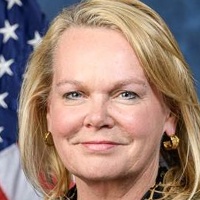
April McClain Delaney
Representative
MD
April McClain Delaney
Representative
MD
The Improving SCRA Benefit Utilization Act aims to strengthen consumer protections for service members under the Servicemembers Civil Relief Act (SCRA). This bill mandates improved financial literacy training focusing on SCRA interest rate caps and requires specific notifications of these benefits upon entry or mobilization to active duty. Additionally, it ensures financial institutions must retroactively apply maximum interest rates to pre-service debts from the start of active duty and expand those protections to all debts held by the creditor.
This act establishes a \$100,000 cap, subject to annual inflation adjustments, on the Post-9/11 GI Bill educational assistance payable for flight training at public colleges and universities for veterans starting training on or after August 1, 2026.
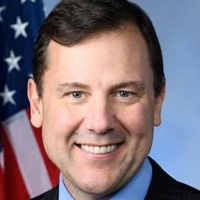
Thomas Kean
Representative
NJ
Thomas Kean
Representative
NJ
The Veterans Flight Training Responsibility Act of 2025 establishes a \$100,000 cap on the total educational assistance the VA will pay for flight training under the Post-9/11 GI Bill at public colleges and universities. This maximum benefit amount will automatically increase annually based on the Consumer Price Index to keep pace with inflation. This new limitation applies only to veterans beginning flight training programs on or after August 1, 2026.
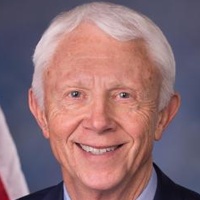
The BEACON Act of 2026 establishes Department of Veterans Affairs grant programs to fund research and trials for new, supplemental neurorehabilitation treatments for veterans suffering from chronic mild traumatic brain injury (mTBI).
Jack Bergman
Representative
MI
Jack Bergman
Representative
MI
The BEACON Act of 2026 establishes two new Department of Veterans Affairs grant programs to significantly advance the treatment of veterans suffering from chronic mild traumatic brain injury (mTBI). These programs will fund research, clinical trials, and the testing of new, non-drug neurorehabilitation approaches focused on improving mental health outcomes. The legislation aims to foster partnerships and independent third-party studies to identify and implement best practices for mTBI care outside of traditional VA pathways.
This bill allows for year-round sales of E15 gasoline and restructures the Renewable Fuel Standard program by phasing out small refinery exemptions in favor of a 75% compliance obligation reduction starting in 2028.

Adrian Smith
Representative
NE
Adrian Smith
Representative
NE
This bill, the Nationwide Consumer and Fuel Retailer Choice Act of 2025, makes two major changes: it allows for the year-round sale of E15 gasoline and reforms the Renewable Fuel Standard (RFS) for small refineries. The RFS reform phases out existing small refinery exemptions starting in 2028, replacing them with a 75% compliance obligation reduction. The Act also directs the EPA to update fuel infrastructure rules for E15 distribution.
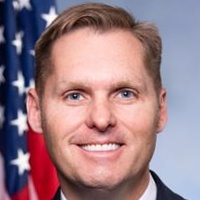
This resolution designates specific dates to honor law enforcement officers killed in the line of duty and expresses support for all officers.
Michael Guest
Representative
MS
Michael Guest
Representative
MS
This resolution officially designates May 15, 2026, as Peace Officers Memorial Day and the week of May 10-16, 2026, as National Police Week. It honors the service and sacrifice of law enforcement officers killed in the line of duty, specifically recognizing 363 officers lost in 2025. The bill expresses unwavering support for law enforcement and acknowledges the need for proper resources to ensure officer safety.
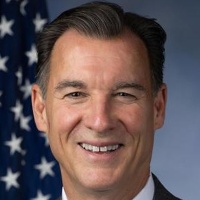
This bill affirms the strong U.S.-South Korea alliance, emphasizing its importance for security, economic growth, and shared values, while also recognizing the contributions of Korean Americans. It supports stronger ties and celebrates Korean culture.
Thomas Suozzi
Representative
NY
Thomas Suozzi
Representative
NY
This bill reaffirms the strong alliance between the United States and the Republic of Korea, emphasizing its importance for security, economic growth, and shared values. It recognizes the deep economic ties, the contributions of Korean Americans, and continued commitment to the Mutual Defense Treaty. The bill also supports strengthening security, economic, and cultural bonds between the two nations, and celebrates Korean Culture-Kimchi Day.
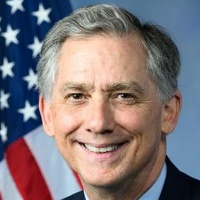
The IGNITE HBCU Excellence Act authorizes competitive grants to Historically Black Colleges and Universities (HBCUs) for long-term facility improvements, technology upgrades, and infrastructure modernization, while also providing for the forgiveness of certain outstanding HBCU capital financing loans.
J. Hill
Representative
AR
J. Hill
Representative
AR
The IGNITE HBCU Excellence Act authorizes competitive grants to Historically Black Colleges and Universities (HBCUs) and similar institutions for long-term facility improvements, technology upgrades, and infrastructure modernization. Priority for these grants will be given to institutions demonstrating the greatest need, limited fundraising ability, and high percentages of Pell Grant recipients. The bill also mandates immediate forgiveness for certain outstanding balances on existing HBCU Capital Financing Program loans. Finally, it requires comprehensive reporting and studies to assess the program's impact and future funding needs.
This bill establishes the Combating Organized Retail Crime Act of 2025 to enhance federal prosecution tools against organized retail and supply chain crime and create a DHS-led coordination center to align law enforcement efforts.
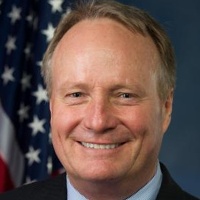
David Joyce
Representative
OH
David Joyce
Representative
OH
The Combating Organized Retail Crime Act of 2025 aims to combat sophisticated, cross-jurisdictional organized retail and supply chain theft. It achieves this by strengthening federal laws regarding money laundering and stolen property offenses, including lowering monetary thresholds for prosecution. Furthermore, the bill establishes a dedicated Center within the Department of Homeland Security to coordinate federal, state, and local enforcement efforts against these criminal organizations.
This act mandates the U.S. representative at international financial institutions to oppose funding for foreign shrimp farming, processing, or export projects, with a limited waiver option.
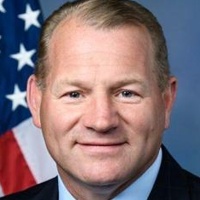
Troy Nehls
Representative
TX
Troy Nehls
Representative
TX
The Save Our Shrimpers Act mandates that the U.S. representative at international financial institutions must vote against and formally oppose any financial assistance for projects related to shrimp farming, processing, or exports in borrowing countries. This action aims to protect the domestic shrimping industry. The Treasury Secretary can waive this requirement if deemed in the U.S. national interest, and the mandate is set to expire after seven years.
This Act suspends the federal excise tax on diesel fuel until the end of 2026 and directs the Treasury to replenish affected trust funds while ensuring consumers receive the full tax savings.
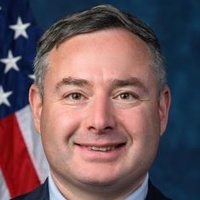
Eugene Vindman
Representative
VA
Eugene Vindman
Representative
VA
The Diesel Prices Relief Act of 2026 suspends the federal excise tax on diesel fuel until the end of 2026 to lower consumer prices. To prevent revenue loss, the bill directs the Treasury to replenish the Highway Trust Fund and the Leaking Underground Storage Tank Trust Fund. Furthermore, the Act establishes that consumers must immediately benefit from the tax reduction, with the Treasury authorized to enforce this pass-through.
The Never Fight Alone Act expands veterans' access to community-based mental health and substance use disorder residential treatment when the VA cannot provide timely care, while also restricting the VA's ability to limit community care options.
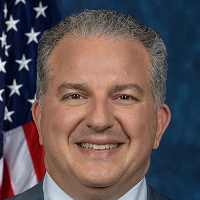
Jimmy Patronis
Representative
FL
Jimmy Patronis
Representative
FL
The Never Fight Alone Act aims to expand veterans' access to community-based mental health and substance use disorder treatment when the VA cannot provide timely residential care. It prohibits the VA from using restrictive wait times to deny eligibility for community care and ensures veterans have a choice among available care options. Furthermore, the bill mandates increased transparency through detailed reporting on community care metrics and requires Congressional approval for future changes to community care access standards.
This Act prohibits the sale or importation of connected vehicles and components containing hardware or software from covered adversarial countries like China, Russia, Iran, and North Korea, starting in 2027.

John Moolenaar
Representative
MI
John Moolenaar
Representative
MI
The Connected Vehicle Security Act of 2026 prohibits the sale or importation of connected vehicles, hardware, or software originating from or controlled by designated "covered countries" (North Korea, China, Russia, or Iran). This measure aims to safeguard U.S. economic and national security against risks like espionage and cyber intrusion posed by foreign adversaries exploiting vehicle connectivity technology. The Secretary of Commerce is tasked with issuing regulations to enforce these bans, which begin phasing in starting in 2027, though waivers may be granted under specific national security conditions.
This resolution expresses support for designating July 15, 2026, as Glioblastoma Awareness Day to raise awareness and support research for this aggressive brain cancer.
Roger Williams
Representative
TX
Roger Williams
Representative
TX
This resolution expresses support for designating July 15, 2026, as Glioblastoma Awareness Day. It aims to raise public awareness about glioblastoma, the most aggressive malignant brain tumor, and honor those affected by the disease. The bill encourages greater investment in research and collaboration to develop improved treatments and outcomes for patients.
This bill mandates that the Department of Justice only procure ballistic body armor manufactured using domestically sourced ballistic fibers and requires public disclosure of all manufacturing origins for compliant armor.
Clay Higgins
Representative
LA
Clay Higgins
Representative
LA
The Ballistic Armor Made in America Act of 2026 establishes new sourcing and labeling rules for ballistic-resistant body armor procured by the Department of Justice. This legislation mandates that manufacturers disclose the origin of their armor and ballistic fibers, restricting the use of "Made in America" labeling for foreign-sourced components. Ultimately, the bill prohibits the DOJ from purchasing body armor made from or containing ballistic fibers sourced outside the United States, with limited exceptions.
This resolution commends U.S. public servants for their dedication to defending the Constitution, delivering essential services, and supporting the economy, particularly during Public Service Recognition Week.
Brian Fitzpatrick
Representative
PA
Brian Fitzpatrick
Representative
PA
This resolution expresses the sense of the House of Representatives commending public servants for their dedication to defending the Constitution and delivering essential services to the American people. It specifically designates the week of May 3 through May 9, 2026, as Public Service Recognition Week. The bill honors the millions of federal, state, and local employees and uniformed service members who support the economy and democratic foundations of the nation.
This resolution condemns antisemitic rhetoric from prominent online figures like Hasan Piker and Candace Owens and urges platforms and leaders to address this hate speech.
Josh Gottheimer
Representative
NJ
Josh Gottheimer
Representative
NJ
This resolution condemns the antisemitic rhetoric spread by prominent online personalities, citing specific examples from Hasan Piker and Candace Owens. It urges social media platforms and public leaders to denounce this hate-filled content and take action against its dissemination. The bill emphasizes that such online narratives contribute to real-world harm against Jewish communities.
This bill designates April as Community College Month to recognize the vital role of over 1,000 community colleges in advancing accessible higher education, workforce training, and national economic prosperity.
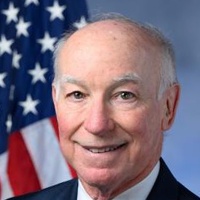
Joe Courtney
Representative
CT
Joe Courtney
Representative
CT
This resolution officially designates April as Community College Month to celebrate the vital role of over 1,000 community colleges nationwide. It recognizes these institutions for providing accessible higher education, workforce training, and significant contributions to the U.S. economy. The bill highlights their affordability, local presence, and impact on student success across the country.
This bill designates April 2026 as "National County Government Month" to honor the county workforce, educate the public on local services, and celebrate the county's role in governance.
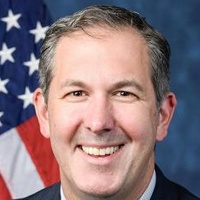
Johnny Olszewski
Representative
MD
Johnny Olszewski
Representative
MD
This bill officially designates April 2026 as "National County Government Month." The purpose is to honor the county government workforce and educate the public on the vital local programs and services counties provide. It encourages counties nationwide to use this month for outreach and celebration of their essential role in American life.
This Act mandates a comprehensive report to Congress detailing emerging military, cyber, and political threats to the Baltic states and recommending strategies to enhance their security and U.S. partnership.
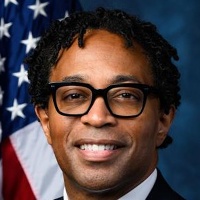
Wesley Bell
Representative
MO
Wesley Bell
Representative
MO
The Baltic Security Assessment Act of 2025 affirms the critical importance of Estonia, Latvia, and Lithuania to U.S. national security amidst Russian aggression. This bill mandates that the Secretary of State and Secretary of Defense deliver a comprehensive report to Congress detailing emerging military, cyber, and political threats to the Baltic states. The report must also recommend specific actions to enhance U.S. and NATO defense cooperation and bolster Baltic resilience.