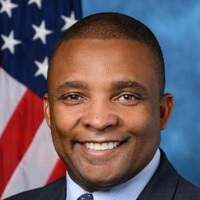
Legislative Activity
Track Donald's sponsored bills, co-sponsored legislation, and voting record
This Act mandates interim partial payments to small businesses for approved cost increases resulting from government-directed changes to existing construction contracts.
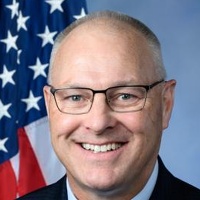
Pete Stauber
Representative
MN
Pete Stauber
Representative
MN
The Small Business Payment for Performance Act of 2025 ensures that small businesses receive prompt interim payments when the government mandates changes to their existing construction contracts. Upon requesting an equitable adjustment for contract modifications, the agency must issue an immediate partial payment covering at least 50% of the estimated additional costs. This legislation also mandates that prime contractors promptly pass these interim funds down to affected subcontractors.
This bill amends the Family and Medical Leave Act to explicitly qualify time taken for an employee's own organ donation surgery as a serious health condition.
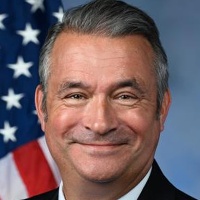
Don Bacon
Representative
NE
Don Bacon
Representative
NE
This bill amends the Family and Medical Leave Act (FMLA) to explicitly clarify that time taken off for an employee's own organ donation surgery qualifies as a serious health condition. This ensures both private and federal sector workers receive FMLA protection for recovery from organ donation. The legislation also specifies how federal employees must substitute existing paid leave when taking FMLA time for this purpose.
This Act prohibits insurance companies from discriminating against living organ donors when issuing life, disability, or long-term care policies and mandates the updating of educational materials regarding donation risks and insurance implications.
Don Bacon
Representative
NE
Don Bacon
Representative
NE
The Living Donor Protection Act of 2025 prohibits life, disability, and long-term care insurance companies from denying coverage or increasing premiums solely because an individual is a living organ donor. This legislation ensures that living donors are not financially penalized for their altruistic act. Additionally, the bill requires the Secretary of HHS to update educational materials to accurately reflect the insurance protections afforded to living donors.
This bill requires the EPA to obtain a rapid evidence review from the National Academies of Sciences, Engineering, and Medicine before setting or changing the national safety limits for fluoride in drinking water.
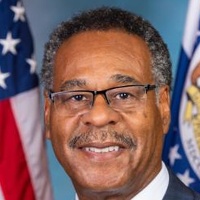
Emanuel Cleaver
Representative
MO
Emanuel Cleaver
Representative
MO
The Protect Our TEETH Act mandates that the Environmental Protection Agency (EPA) must seek a rapid evidence review from the National Academies of Sciences, Engineering, and Medicine before proposing new national safety limits for fluoride in drinking water. The EPA must consider the findings of this review when finalizing any rule changes. This ensures a transparent, expert-backed assessment informs decisions regarding public water fluoridation standards.
This act renames the Master Promissory Note to the "student loan contract" for certain federal student loans and limits its use to loans taken out within the same award year.

Lauren Underwood
Representative
IL
Lauren Underwood
Representative
IL
The Student Loan Contract Act of 2025 renames the Master Promissory Note for certain federal student loans to a "student loan contract." This new contract can only be used for additional loans taken out within the same award year as the initial signing. The bill also updates disclosure requirements to ensure students receive a copy of this new contract.
The Digital Asset Market Clarity Act establishes comprehensive regulatory frameworks for digital commodities under the CFTC and SEC, clarifies the status of digital assets, preserves self-custody rights, and explicitly prohibits the Federal Reserve from issuing a Central Bank Digital Currency (CBDC).

J. Hill
Representative
AR
J. Hill
Representative
AR
The Digital Asset Market Clarity Act establishes a comprehensive regulatory framework for digital assets, primarily focusing on defining and regulating "digital commodities" under the CFTC and SEC. It creates registration pathways for exchanges and intermediaries, clarifies rules for asset sales, protects individual self-custody rights, and explicitly prohibits the Federal Reserve from issuing a Central Bank Digital Currency (CBDC). Overall, the bill aims to bring clarity and consumer safeguards to the digital asset market while encouraging technological innovation.
This act enhances protections for Medicare beneficiaries receiving orthotic and prosthetic care by ensuring required training accompanies direct shipments and expanding exemptions within competitive acquisition programs.
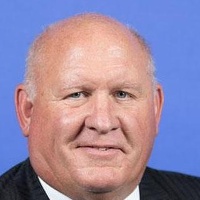
Glenn Thompson
Representative
PA
Glenn Thompson
Representative
PA
The Medicare Orthotics and Prosthetics Patient-Centered Care Act aims to enhance protections for Medicare beneficiaries receiving custom braces and artificial limbs. This bill ensures that payment will not be made for certain devices shipped directly to a patient without required training from a qualified practitioner. Additionally, it expands exemptions from competitive bidding for certain providers and clarifies access to replacement custom orthotic devices.
This Act mandates that electronic communication and remote computing service providers must report actual knowledge of illegal online activity involving fentanyl, methamphetamine, or counterfeit prescription drugs to the Attorney General within 60 days.
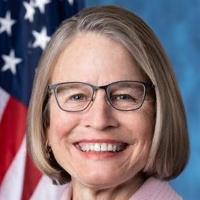
Mariannette Miller-Meeks
Representative
IA
Mariannette Miller-Meeks
Representative
IA
The Cooper Davis and Devin Norring Act mandates that electronic communication and remote computing service providers must report to the Attorney General within 60 days upon gaining actual knowledge of illegal activity involving fentanyl, methamphetamine, or counterfeit prescription drugs. This legislation outlines specific reporting requirements, penalties for non-compliance, and privacy protections that limit monitoring and data retention. The Act also requires the Attorney General to issue an annual public report detailing the statistics of these reports.
This resolution congratulates the 509th and 131st Bomb Wings for their successful execution of the complex, long-range Operation Midnight Hammer against Iran's nuclear program.
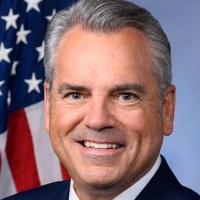
Mark Alford
Representative
MO
Mark Alford
Representative
MO
This resolution formally congratulates the 509th and 131st Bomb Wings for successfully executing Operation Midnight Hammer. The operation involved a historic 36-hour mission by B-2 pilots to strike targets related to Iran's nuclear program. Furthermore, the bill recognizes the long and distinguished service history of both military units.
This resolution declares the Trump administration's fossil fuel directives a health and safety emergency disproportionately harming children's fundamental rights by worsening climate change and suppressing climate science.

Janice Schakowsky
Representative
IL
Janice Schakowsky
Representative
IL
This resolution declares a health and safety emergency disproportionately affecting children due to prior administration directives that promoted fossil fuels and suppressed climate science. Congress asserts that these actions harm children's fundamental rights to life and a stable environment by worsening climate change impacts. The bill demands the current administration cease policies that increase greenhouse gases and restore access to suppressed climate research. Ultimately, it calls for aligning all energy and climate laws with the duty to protect the rights and future of young people.
This act establishes a lower federal tax rate specifically for tobacco products defined as waterpipe tobacco, such as hookah and shisha.
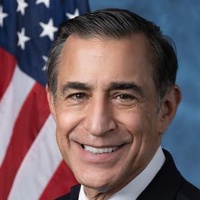
Darrell Issa
Representative
CA
Darrell Issa
Representative
CA
The Hookah Clarification Act of 2025 establishes a distinct federal tax classification for waterpipe tobacco, commonly known as hookah or shisha. This legislation sets a significantly lower tax rate of $0.5662 per pound specifically for waterpipe tobacco, while maintaining the current rate for other types of pipe tobacco. The Act also provides a clear definition for what constitutes "waterpipe tobacco" for tax purposes.
This Act mandates that VA medical staff promptly certify the deaths of veterans who died from natural causes within 48 hours to expedite burial and survivor benefits.
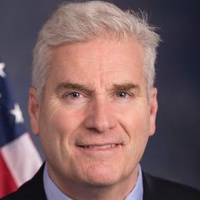
Tom Emmer
Representative
MN
Tom Emmer
Representative
MN
The Veteran Burial Timeliness and Death Certificate Accountability Act addresses significant delays in obtaining death certificates for veterans who die from natural causes, often due to VA medical staff delays. This bill mandates that VA medical providers must certify a veteran's death within 48 hours or allow the local medical examiner to step in. Furthermore, the VA must annually report on its compliance with this new timely certification requirement.
This Act establishes increased federal research, public education, and provider information dissemination regarding uterine fibroids, with a focus on addressing racial disparities and non-hysterectomy treatment options.
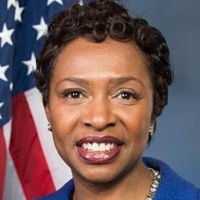
Yvette Clarke
Representative
NY
Yvette Clarke
Representative
NY
The Stephanie Tubbs Jones Uterine Fibroid Research and Education Act of 2025 aims to significantly increase federal research, public education, and provider awareness regarding uterine fibroids. The bill mandates expanded research coordination across federal agencies and authorizes funding to study the condition, which disproportionately affects minority women. It also requires the creation of public awareness campaigns detailing non-hysterectomy treatment options and mandates data collection on Medicaid/CHIP spending for fibroid treatments.
This Act extends funding allocation rules for sport fish restoration, removes spending caps for the Interstate Fisheries Commission, prioritizes alternative fuel infrastructure for recreational boating, and reduces the excise tax on portable, electronically-aerated bait containers.

Debbie Dingell
Representative
MI
Debbie Dingell
Representative
MI
The Sport Fish Restoration, Recreational Boating Safety, and Wildlife Restoration Act of 2025 extends the timeline for current Sport Fish Restoration funding allocation rules until 2031 and removes the spending cap for Interstate Fisheries Commission activities. The bill also updates boating infrastructure priorities to specifically include funding for alternative marine fuel facilities for larger vessels. Finally, it significantly reduces the federal excise tax rate on portable, electronically-aerated bait containers from 10 percent to 3 percent.
This Act mandates a comprehensive federal study to investigate the potential link between the use of chemical hair straighteners and the incidence of uterine cancer, with a specific focus on disparities among women of color.
Yvette Clarke
Representative
NY
Yvette Clarke
Representative
NY
The Uterine Cancer Study Act of 2025 mandates a comprehensive federal study to investigate the potential link between the use of chemical hair straighteners and the risk of developing uterine cancer. This research must specifically examine disparities in cancer rates among women of color. The study will ultimately recommend whether the FDA should require additional safety testing for these hair products.
This Act establishes a pilot program to fund state-level nursing workforce centers to collect data, analyze workforce needs, and develop strategies to address nursing shortages.

Young Kim
Representative
CA
Young Kim
Representative
CA
The National Nursing Workforce Center Act of 2025 establishes a new two-year pilot program to fund and evaluate state-based nursing workforce centers through competitive grants. These centers will focus on critical statewide activities like data analysis, studying nursing education capacity, and developing strategies to recruit and retain nurses. The bill also expands existing health workforce analysis grants to ensure dedicated funding and technical assistance for nursing-focused research and evaluation.
The Farmers First Act of 2025 significantly increases funding and mandates crisis line support for the Farm and Ranch Stress Assistance Network while formalizing referral options to comprehensive healthcare providers for farmers and ranchers.
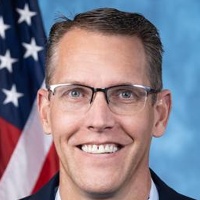
Randy Feenstra
Representative
IA
Randy Feenstra
Representative
IA
The Farmers First Act of 2025 significantly strengthens support for agricultural producers by enhancing the Farm and Ranch Stress Assistance Network. This legislation increases annual funding for the network and mandates the inclusion of dedicated crisis lines within supported programs. Furthermore, it formalizes partnerships between grant recipients and various healthcare providers to ensure comprehensive access to mental health and substance use treatment for farmers and ranchers.
This bill authorizes the creation and sale of commemorative coins for the 2028 Los Angeles and 2034 Salt Lake City Olympic and Paralympic Games to help fund the events, with all surcharges going to the respective organizing committees after covering production costs.
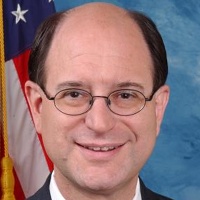
Brad Sherman
Representative
CA
Brad Sherman
Representative
CA
This Act authorizes the Secretary of the Treasury to mint and sell special commemorative coins for the 2028 Los Angeles Olympic and Paralympic Games and the 2034 Salt Lake City Winter Olympic and Paralympic Games. The coins will feature designs celebrating American athletes and the Games themselves. All surcharges collected from the sale of these coins will be directed to the respective organizing committees to help fund the events and related youth sports programs. The entire program must be conducted at no cost to the U.S. Government.
The AFIDA Improvements Act of 2025 strengthens the reporting and enforcement of foreign ownership of U.S. agricultural land, lowers the minimum reporting threshold for certain foreign investors, and mandates information sharing with national security officials.
Don Bacon
Representative
NE
Don Bacon
Representative
NE
The AFIDA Improvements Act of 2025 modernizes the reporting requirements for foreign ownership of U.S. agricultural land by lowering the minimum reporting threshold for certain transactions. This legislation strengthens enforcement actions and mandates the sharing of critical foreign investment data with national security officials, specifically CFIUS. Furthermore, the Act requires updates to official handbooks to incorporate national security risk assessments and establishes a timeline for fully implementing electronic AFIDA disclosure systems.
The PBM Reform Act of 2025 mandates sweeping changes to increase transparency, ensure fair pharmacy access in Medicare, and prohibit abusive spread pricing in Medicaid by holding Pharmacy Benefit Managers accountable for their financial dealings.
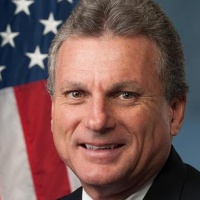
Earl Carter
Representative
GA
Earl Carter
Representative
GA
The Pharmacy Benefit Manager Reform Act of 2025 aims to increase transparency and accountability across the prescription drug supply chain. It mandates fairer pharmacy network access for Medicare beneficiaries and imposes strict new financial reporting and service fee requirements on Pharmacy Benefit Managers (PBMs) working with Medicare and private health plans. Furthermore, the bill establishes new federal mechanisms to accurately track drug acquisition costs in Medicaid and explicitly bans the practice of "spread pricing" in state Medicaid contracts.