Legislative Activity
Track Donald's sponsored bills, co-sponsored legislation, and voting record
The John R. Lewis Voting Rights Advancement Act of 2025 aims to strengthen and update the Voting Rights Act of 1965 by addressing vote dilution and denial, establishing updated criteria for federal oversight of states and political subdivisions with a history of voting rights violations, and promoting transparency in election-related changes.
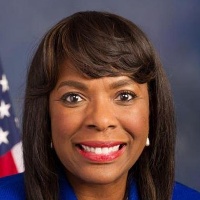
Terri Sewell
Representative
AL
Terri Sewell
Representative
AL
The John R. Lewis Voting Rights Advancement Act of 2025 amends the Voting Rights Act of 1965 to address vote dilution, denial, and abridgment claims, and to update which states and political subdivisions are subject to federal oversight based on a history of voting rights violations. It broadens the types of violations that allow a court to retain jurisdiction over a case, clarifies the Attorney General's authority to assign observers, and ensures transparency in voting-related changes. The Act also authorizes the Attorney General to demand documents and information to enforce voting rights and provides grants to small jurisdictions to assist with notification requirements.
The Richard L. Trumka Protecting the Right to Organize Act of 2025 strengthens protections for workers' rights to organize and collectively bargain by modernizing labor laws, addressing unfair labor practices, and enhancing enforcement mechanisms.
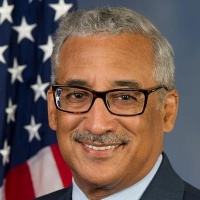
Robert Scott
Representative
VA
Robert Scott
Representative
VA
This bill, the Richard L. Trumka Protecting the Right to Organize Act of 2025, seeks to amend the National Labor Relations Act and other labor laws to strengthen protections for workers' rights to organize and collectively bargain. It aims to modernize labor regulations by clarifying definitions, addressing unfair labor practices, enhancing enforcement, and increasing transparency in labor-management relations. The bill introduces measures such as electronic voting in union elections, strengthens whistleblower protections, and mandates studies on collective bargaining practices. Ultimately, the goal is to ensure fair treatment of workers and promote equitable labor practices.
The "Medicaid Provider Screening Accountability Act" requires states to screen Medicaid providers against a federal database to prevent payments to those terminated from Medicare or other state Medicaid programs.
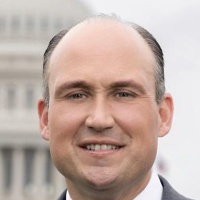
Nicholas Langworthy
Representative
NY
Nicholas Langworthy
Representative
NY
The "Medicaid Provider Screening Accountability Act" mandates states to cross-check Medicaid providers against a federal database monthly, starting in 2028. This ensures providers terminated from Medicare or Medicaid/CHIP in other states are identified. The goal is to enhance provider screening processes within the Medicaid program.
The Veterans Fellowship Act establishes a pilot program allowing select states to offer short-term, paid fellowships to veterans, aiming for long-term employment with the host employer.

John Moolenaar
Representative
MI
John Moolenaar
Representative
MI
The Veterans Fellowship Act establishes a new pilot program allowing select states to offer short-term fellowships for veterans. These fellowships, managed in partnership with non-profits, will provide veterans with up to 20 weeks of work experience, a monthly stipend, and a pathway to long-term employment. The program is authorized for five fiscal years, with a required review of its effectiveness.
The Fighter Force Preservation and Recapitalization Act of 2025 aims to increase and modernize the Air Force's fighter aircraft fleet, ensuring a strong national defense through the year 2030.
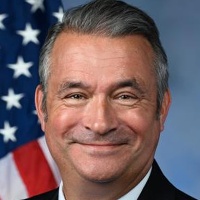
Don Bacon
Representative
NE
Don Bacon
Representative
NE
The Fighter Force Preservation and Recapitalization Act of 2025 aims to modernize and maintain the Air Force's fighter aircraft fleet by increasing the minimum number of fighter aircraft, requiring detailed reports on the fleet's status, prioritizing the assignment of new aircraft to existing squadrons, and preserving the Air National Guard's fighter capabilities. The act mandates the Air Force to assign at least three out of every four new advanced fighter aircraft to existing Air Force fighter squadrons and maintain at least 25 Air National Guard fighter aircraft squadrons. Additionally, it requires the Secretary of the Air Force to develop and submit an annual modernization plan for the Air National Guard's fighter fleet to Congress. The Act defines specific categories of fighter aircraft to clarify modernization efforts.
This Act excludes certain federal grants received for deploying broadband infrastructure from gross income for federal tax purposes.
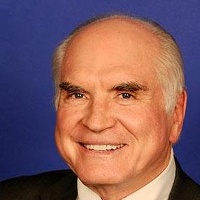
Mike Kelly
Representative
PA
Mike Kelly
Representative
PA
The Broadband Grant Tax Treatment Act excludes certain federal grants received for deploying broadband infrastructure from gross income, making those funds tax-free. This exclusion prevents taxpayers from claiming a deduction or credit for expenses covered by these grants. The bill ensures that the basis of property purchased with these tax-free funds is appropriately adjusted. This provision applies to grants received in taxable years ending after March 11, 2023.
The ACRE Act of 2025 creates a federal tax exemption for qualified lenders on interest earned from loans secured by rural or agricultural real property, excluding loans to foreign adversary entities.
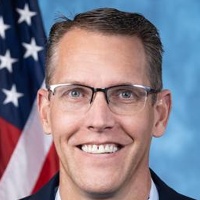
Randy Feenstra
Representative
IA
Randy Feenstra
Representative
IA
The Access to Credit for our Rural Economy Act of 2025 (ACRE Act) creates a new federal tax incentive for qualified lenders. This incentive excludes income earned from interest on loans secured by rural or agricultural real property from taxation. The goal is to encourage lending for agricultural, forestry, and certain rural home improvement purposes while prohibiting loans to foreign adversary entities.
The "Child Care Availability and Affordability Act" aims to make child care more accessible and affordable by expanding employer-provided child care credits, increasing tax-free dependent care assistance, and enhancing the household and dependent care tax credit.
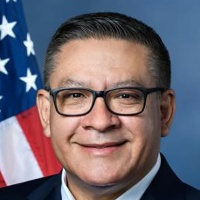
Salud Carbajal
Representative
CA
Salud Carbajal
Representative
CA
The Child Care Availability and Affordability Act aims to improve access to affordable child care by expanding employer-provided child care credits, increasing tax-free dependent care assistance, and creating a refundable household and dependent care tax credit. The employer provided child care credit is increased from 25% to 50% of qualified expenses, and the maximum credit amount is raised from $150,000 to $500,000. The amount of tax-free employer-provided dependent care assistance is increased from $5,000 to $7,500. A new tax credit is created for employment-related expenses paid for household and dependent care, with the applicable percentage starting at 50% and decreasing based on income, and the maximum creditable expenses are $5,000 for one qualifying individual and $8,000 for two or more.
The "Peace on the Korean Peninsula Act" promotes diplomatic engagement to formally end the Korean War, encourages humanitarian travel to North Korea, and suggests establishing liaison offices between the U.S. and North Korea, while reaffirming the U.S. troop presence in South Korea.
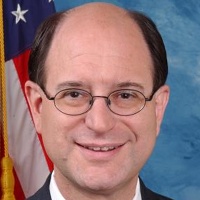
Brad Sherman
Representative
CA
Brad Sherman
Representative
CA
The "Peace on the Korean Peninsula Act" seeks to promote diplomatic engagement to formally end the Korean War by replacing the Armistice Agreement with a peace agreement. It requires the Secretary of State to review travel restrictions to North Korea for humanitarian reasons and to develop a plan for achieving a permanent peace agreement, including the potential establishment of liaison offices between the U.S. and North Korea. The act emphasizes that it does not affect the status of U.S. troops stationed in South Korea or elsewhere.
This bill expands eligibility for retirement and healthcare benefits for National Guard members who incur disabilities while performing State active duty.
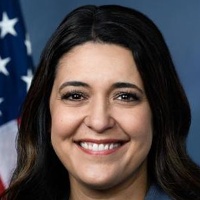
Stephanie Bice
Representative
OK
Stephanie Bice
Representative
OK
The "Supporting Disabled National Guardsmen Act" allows National Guard members to be eligible for retirement from the Armed Forces due to disabilities incurred while performing State active duty. It also makes National Guard members eligible for Department of Veterans Affairs (VA) hospital care and medical services for disabilities incurred while performing State active duty, as well as for any illnesses or conditions resulting from these disabilities. The VA's ability to provide these services is limited to the extent and amount specifically allocated in advance through appropriations acts. Before the VA can reimburse for care or services, individuals or their healthcare providers are required to first exhaust all other available payment options.
This resolution expresses formal condolences to the families and loved ones of the 67 victims of the January 2025 collision between American Eagle Flight 5342 and a U.S. Army flight, while honoring the victims and commending the first responders.
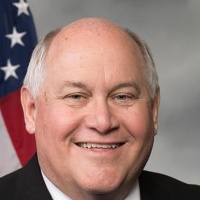
Ron Estes
Representative
KS
Ron Estes
Representative
KS
This resolution expresses the House of Representatives' deepest condolences to the families and loved ones of the 67 individuals who lost their lives in the January 29, 2025, collision of American Eagle Flight 5342 and a U.S. Army flight. It honors the victims, many of whom had strong ties to Wichita, Kansas, and commends the heroic efforts of the first responders and emergency personnel who managed the recovery.
The Veterans Readiness and Employment Transparency Act of 2025 improves outreach and transparency for VA training and rehabilitation programs for veterans with service-connected disabilities.

Abraham Hamadeh
Representative
AZ
Abraham Hamadeh
Representative
AZ
The Veterans Readiness and Employment Transparency Act of 2025 aims to improve outreach by the Department of Veterans Affairs (VA) for training and rehabilitation programs for veterans with service-connected disabilities by establishing a dedicated phone number and contact information on regional office websites. It also mandates monthly Q&A sessions between VA employees and school certifying officials, as well as in-person briefings at educational institutions. The Act requires the Secretary to submit an annual report on vocational rehabilitation program extensions and approve or reject extension requests within 30 days.
The "Care Across Generations Act" aims to improve care for both children and older adults by awarding grants to long-term care facilities that operate or partner with on-site child care facilities to foster multigenerational activities.
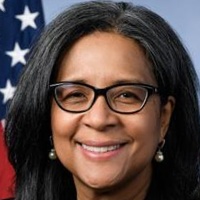
Marilyn Strickland
Representative
WA
Marilyn Strickland
Representative
WA
The Care Across Generations Act aims to improve care for both children and older adults by establishing a competitive grant program. These grants will be awarded to long-term care facilities to operate or contract with qualified child care facilities and coordinate activities between the two. Grant recipients must evaluate the effectiveness of their programs and report their findings, which will then be used to inform policy recommendations to Congress. This act seeks to foster multigenerational connections and provide comprehensive care solutions.
The "Roberto Clemente Commemorative Coin Act" directs the Treasury to mint coins in 2027 honoring Roberto Clemente, with surcharges benefiting the Roberto Clemente Foundation.
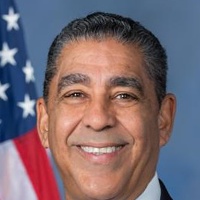
Adriano Espaillat
Representative
NY
Adriano Espaillat
Representative
NY
The Roberto Clemente Commemorative Coin Act directs the Department of Treasury to mint and issue gold, silver, and half-dollar coins in 2027 to commemorate the life and legacy of Roberto Clemente. The coins' designs will represent Clemente's life, including his baseball achievements and humanitarian work. Surcharges from the coin sales will benefit the Roberto Clemente Foundation, supporting their educational programs, youth sports initiatives, disaster relief efforts, and historic preservation projects. The Act ensures that the coin program will not incur any net cost to the United States government.
The "Federal Firearms Licensee Protection Act of 2025" increases penalties for stealing firearms from licensed dealers, manufacturers, or importers, especially during burglaries or robberies, and clarifies related definitions.
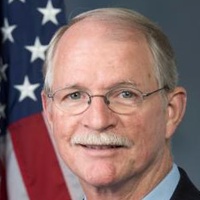
John Rutherford
Representative
FL
John Rutherford
Representative
FL
The "Federal Firearms Licensee Protection Act of 2025" increases penalties for stealing firearms from licensed dealers. It sets stricter punishments, including up to 20 years in prison, for violating laws related to firearm theft. The act also mandates minimum prison sentences of 3 years for burglaries and 5 years for robberies targeting licensed firearm businesses.
The Sgt. Isaac Woodard, Jr. and Sgt. Joseph H. Maddox GI Bill Restoration Act of 2025 aims to restore GI Bill benefits to Black World War II veterans and their direct descendants who were denied them due to racial discrimination, and to address inequalities in benefits for female and minority veterans.
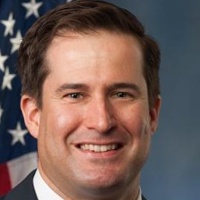
Seth Moulton
Representative
MA
Seth Moulton
Representative
MA
The Sgt. Isaac Woodard, Jr. and Sgt. Joseph H. Maddox GI Bill Restoration Act of 2025 aims to address historical inequities by extending housing and educational benefits to Black World War II veterans and their direct descendants who were previously denied these benefits due to racial discrimination. The bill amends Title 38 of the U.S. Code to include these veterans and their families in housing loan and educational assistance programs. It also establishes a panel to identify and recommend additional support for female and minority veterans.
The EARLY Minds Act supports state-level mental health prevention and early intervention programs for children and adolescents.
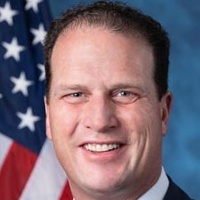
August Pfluger
Representative
TX
August Pfluger
Representative
TX
The "EARLY Minds Act" amends the Public Health Service Act to emphasize early intervention for mental health by requiring states to outline prevention strategies in their plans. States can use up to 5% of their funding to support these programs. The Secretary must report to Congress biennially on state prevention and early intervention activities, including outcomes and demographics.
This bill amends the Social Security Act to eliminate consideration of a spouse's income and resources when determining SSI eligibility and benefits for married individuals with intellectual or developmental disabilities.
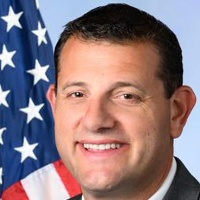
David Valadao
Representative
CA
David Valadao
Representative
CA
The "Eliminating the Marriage Penalty in SSI Act" amends the Social Security Act to revise eligibility rules for Supplemental Security Income (SSI) for individuals with intellectual or developmental disabilities. It ensures these individuals are eligible for SSI regardless of their spouse's income and resources. This change allows eligible individuals to receive the standard individual SSI rate, reduced only by their own income.
The "Grown in America Act of 2025" establishes a tax credit for businesses that use domestically produced agricultural commodities in their products, aiming to incentivize the use of American-grown ingredients.
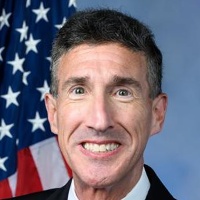
David Kustoff
Representative
TN
David Kustoff
Representative
TN
The "Grown in America Act of 2025" introduces a tax credit for businesses that use domestic agricultural commodities in their products for human consumption. This credit, capped at $100,000,000, aims to incentivize the use of U.S.-produced agricultural inputs by offering a tax benefit based on the percentage of domestic agricultural commodities used. The percentage of domestic inputs required to receive the full credit increases over time, with the Secretary of Agriculture maintaining a list of agricultural commodities that cannot be produced domestically. These provisions will be effective for taxable years starting after December 31, 2025.
The "Hospice Recertification Flexibility Act" extends Medicare telehealth flexibilities for hospice care through 2027 and requires a modifier for telehealth recertifications starting in 2026.
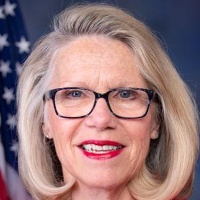
Carol Miller
Representative
WV
Carol Miller
Representative
WV
The "Hospice Recertification Flexibility Act" extends Medicare telehealth flexibilities for hospice care through December 31, 2027, with certain limitations after January 1, 2026, based on location, provider oversight, and proper enrollment. It also mandates the use of specific modifiers or codes on hospice claims to identify when recertifications of hospice care eligibility are conducted via telehealth starting January 1, 2026.