Legislative Activity
Track Angie's sponsored bills, co-sponsored legislation, and voting record
This bill authorizes the posthumous presentation of a Congressional Gold Medal to James Earl Jones, honoring his contributions to the United States and his work promoting inclusion in film and theatre.
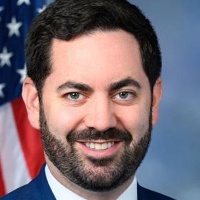
Michael Lawler
Representative
NY
Michael Lawler
Representative
NY
The James Earl Jones Congressional Gold Medal Act directs the Speaker of the House and the President pro tempore of the Senate to arrange for the posthumous presentation of a Congressional Gold Medal to James Earl Jones, honoring his contributions to the United States and his work promoting inclusion in film and theatre. The Secretary of the Treasury will create the gold medal, and bronze duplicates will be made available for sale to the public.
This bill increases the annual stipend for educational costs for veterans under the Post-9/11 Educational Assistance Program and adjusts it annually for inflation.
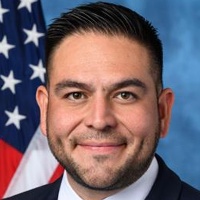
Gabriel (Gabe) Vasquez
Representative
NM
Gabriel (Gabe) Vasquez
Representative
NM
The Veteran Education Assistance Adjustment Act increases the annual stipend for books, supplies, and equipment for veterans under the Post-9/11 Educational Assistance Program from $1,000 to $1,400. Beginning in 2026, this stipend will be subject to annual increases based on the Consumer Price Index.
The "Do No Harm Act" clarifies that the Religious Freedom Restoration Act cannot be used to bypass federal laws protecting against discrimination, ensuring equal opportunity, or safeguarding access to healthcare and other essential services.
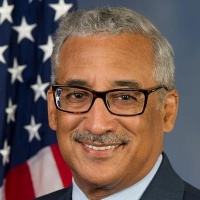
Robert Scott
Representative
VA
Robert Scott
Representative
VA
The "Do No Harm Act" amends the Religious Freedom Restoration Act of 1993 to ensure religious freedom is not used to justify discrimination or harm. It clarifies that the Act does not override federal laws protecting against discrimination, ensuring equal opportunity, or safeguarding access to healthcare and other essential services. This amendment confirms that the Religious Freedom Restoration Act applies only when the government is a party in a judicial proceeding.
This bill clarifies that fully implanted active middle ear hearing devices are prosthetics under Medicare, ensuring coverage.
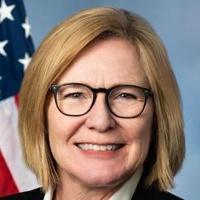
Michelle Fischbach
Representative
MN
Michelle Fischbach
Representative
MN
The Hearing Device Coverage Clarification Act requires the Centers for Medicare & Medicaid Services to clarify that fully implanted active middle ear hearing devices are prosthetics, not hearing aids, and thus not subject to the hearing aid coverage exclusion under the Social Security Act. This clarification must be made within 60 days of the Act's enactment. The Act ensures these devices are recognized as prosthetics, as defined in existing regulations.
This Act updates the definition of fossil fuel under the Clean Air Act to specifically include fuel used by ocean-going vessels, paving the way for new renewable fuel standards for the shipping industry.
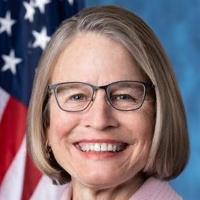
Mariannette Miller-Meeks
Representative
IA
Mariannette Miller-Meeks
Representative
IA
This Act updates the definition of "fossil fuel" under the Clean Air Act to specifically include fuel used by ocean-going vessels. This change allows the EPA to incorporate maritime fuel into renewable fuel standards moving forward. The EPA is required to finalize the necessary regulations within one year of the bill's enactment.
The HERO Act establishes a national data system for tracking public safety officer suicides, funds peer-support mental health programs for fire and EMS personnel, supports wellness programs for healthcare providers, and develops educational resources and best practices for treating first responder mental health issues.
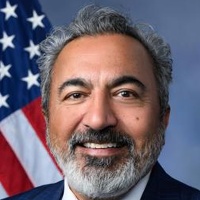
Ami Bera
Representative
CA
Ami Bera
Representative
CA
The HERO Act establishes a national system to track suicides among public safety officers to better understand prevention needs. It also creates grant programs to fund peer-support and wellness programs for fire, EMS, and healthcare workers. Finally, the bill mandates the development of educational resources to improve mental health treatment for first responders dealing with trauma and PTSD.
The Fighter Force Preservation and Recapitalization Act of 2025 aims to increase and modernize the Air Force's fighter aircraft fleet, ensuring a strong national defense through the year 2030.
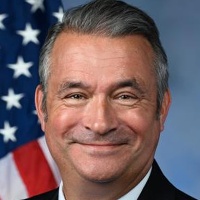
Don Bacon
Representative
NE
Don Bacon
Representative
NE
The Fighter Force Preservation and Recapitalization Act of 2025 aims to modernize and maintain the Air Force's fighter aircraft fleet by increasing the minimum number of fighter aircraft, requiring detailed reports on the fleet's status, prioritizing the assignment of new aircraft to existing squadrons, and preserving the Air National Guard's fighter capabilities. The act mandates the Air Force to assign at least three out of every four new advanced fighter aircraft to existing Air Force fighter squadrons and maintain at least 25 Air National Guard fighter aircraft squadrons. Additionally, it requires the Secretary of the Air Force to develop and submit an annual modernization plan for the Air National Guard's fighter fleet to Congress. The Act defines specific categories of fighter aircraft to clarify modernization efforts.
The John R. Lewis Voting Rights Advancement Act of 2025 aims to strengthen and update the Voting Rights Act of 1965 by addressing vote dilution and denial, establishing updated criteria for federal oversight of states and political subdivisions with a history of voting rights violations, and promoting transparency in election-related changes.
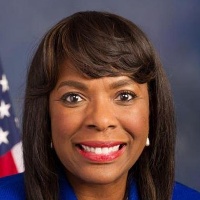
Terri Sewell
Representative
AL
Terri Sewell
Representative
AL
The John R. Lewis Voting Rights Advancement Act of 2025 amends the Voting Rights Act of 1965 to address vote dilution, denial, and abridgment claims, and to update which states and political subdivisions are subject to federal oversight based on a history of voting rights violations. It broadens the types of violations that allow a court to retain jurisdiction over a case, clarifies the Attorney General's authority to assign observers, and ensures transparency in voting-related changes. The Act also authorizes the Attorney General to demand documents and information to enforce voting rights and provides grants to small jurisdictions to assist with notification requirements.
The Richard L. Trumka Protecting the Right to Organize Act of 2025 strengthens protections for workers' rights to organize and collectively bargain by modernizing labor laws, addressing unfair labor practices, and enhancing enforcement mechanisms.
Robert Scott
Representative
VA
Robert Scott
Representative
VA
This bill, the Richard L. Trumka Protecting the Right to Organize Act of 2025, seeks to amend the National Labor Relations Act and other labor laws to strengthen protections for workers' rights to organize and collectively bargain. It aims to modernize labor regulations by clarifying definitions, addressing unfair labor practices, enhancing enforcement, and increasing transparency in labor-management relations. The bill introduces measures such as electronic voting in union elections, strengthens whistleblower protections, and mandates studies on collective bargaining practices. Ultimately, the goal is to ensure fair treatment of workers and promote equitable labor practices.
This bill restricts political appointees and special government employees from accessing Social Security data, establishes civil damages for unauthorized access, mandates Inspector General investigations, and requires a GAO study on the changes.
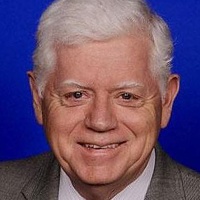
John Larson
Representative
CT
John Larson
Representative
CT
The Protecting Americans’ Social Security Data Act restricts political appointees and special government employees from accessing sensitive Social Security beneficiary data systems. It establishes a right for individuals to sue the government or responsible parties for unauthorized access or disclosure of their private Social Security information, including specified minimum damages. Furthermore, the bill mandates the Inspector General to investigate such violations and report findings to Congress within 30 days. Finally, it requires the GAO to conduct a comprehensive study on the impact of these new privacy and enforcement measures.
The "Roberto Clemente Commemorative Coin Act" directs the Treasury to mint coins in 2027 honoring Roberto Clemente, with surcharges benefiting the Roberto Clemente Foundation.
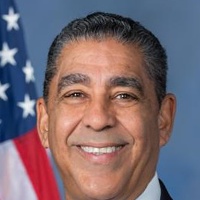
Adriano Espaillat
Representative
NY
Adriano Espaillat
Representative
NY
The Roberto Clemente Commemorative Coin Act directs the Department of Treasury to mint and issue gold, silver, and half-dollar coins in 2027 to commemorate the life and legacy of Roberto Clemente. The coins' designs will represent Clemente's life, including his baseball achievements and humanitarian work. Surcharges from the coin sales will benefit the Roberto Clemente Foundation, supporting their educational programs, youth sports initiatives, disaster relief efforts, and historic preservation projects. The Act ensures that the coin program will not incur any net cost to the United States government.
The "Safe Schools Improvement Act" amends the Elementary and Secondary Education Act of 1965, requiring states to establish policies that prevent and prohibit bullying and harassment in schools based on protected characteristics, ensuring a safe and inclusive learning environment for all students.

Linda Sánchez
Representative
CA
Linda Sánchez
Representative
CA
The Safe Schools Improvement Act aims to reduce bullying and harassment in schools by requiring states to establish policies prohibiting such conduct based on various characteristics, including race, sex, religion, and disability. It mandates annual notifications, data collection on incidents, biennial evaluations of programs, and regular reports to Congress to ensure accountability and effectiveness. This act does not infringe on existing nondiscrimination laws or freedom of speech but seeks to create a safer, more inclusive learning environment for all students.
The American Apprenticeship Act aims to expand apprenticeship opportunities by providing grants to states for pre-apprenticeship programs, identifying in-demand occupations, and promoting apprenticeships in non-traditional industries, with $15 million authorized annually from 2026-2031.

Rosa DeLauro
Representative
CT
Rosa DeLauro
Representative
CT
The American Apprenticeship Act aims to expand apprenticeship opportunities by providing grants to states for pre-apprenticeship programs and related instruction. It requires states to develop strategic plans that promote collaboration between industry, education, and labor, with a focus on expanding opportunities in non-traditional sectors and for underrepresented groups. The Act also directs the Secretary of Labor to identify in-demand occupations suitable for apprenticeship programs and report findings to Congress. Finally, it authorizes $15 million in appropriations annually from 2026 to 2031 to support these initiatives.
This bill expands the use of qualified tuition program funds to cover aviation maintenance and commercial pilot courses.
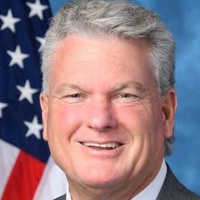
Mike Collins
Representative
GA
Mike Collins
Representative
GA
The Aviation Workforce Development Act amends the Internal Revenue Code to allow expenses for aviation maintenance and commercial pilot courses to be considered qualified higher education expenses for qualified tuition programs. This change applies to distributions made after the enactment of this law, aiming to support workforce development in the aviation sector.
The Pell Grant Sustainability Act indexes Federal Pell Grants to inflation to help keep up with the rising costs of college for lower-income students.
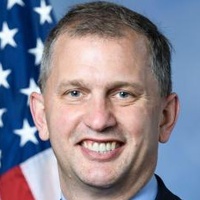
Sean Casten
Representative
IL
Sean Casten
Representative
IL
The Pell Grant Sustainability Act aims to increase the buying power of Pell Grants for lower-income students. It indexes the maximum Pell Grant award to inflation, starting with a \$1,060 increase for the 2024-2025 award year, and adjusts it annually based on the Consumer Price Index. This adjustment is added to the maximum Pell Grant specified in the latest appropriation act, ensuring Pell Grants keep pace with rising education costs. The bill also extends provisions of the Higher Education Act related to Pell Grants indefinitely.
The Truck Parking Safety Improvement Act establishes a grant program to expand commercial truck parking and improve safety on Federal-aid highways.
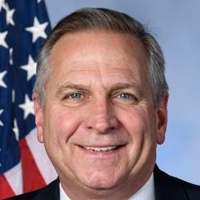
Mike Bost
Representative
IL
Mike Bost
Representative
IL
The Truck Parking Safety Improvement Act establishes a grant program to expand commercial truck parking and improve safety. The program provides funds to states, local governments, and tribal entities for projects that increase parking availability, improve existing facilities, and use technology to manage parking. The Act also requires a biennial report to Congress on the availability of truck parking and the effectiveness of funded projects. It authorizes $151 million per fiscal year from 2025 through 2029 for these initiatives.
The Social Security Expansion Act aims to increase Social Security benefits, change cost-of-living adjustments, extend eligibility, adjust payroll and self-employment taxes, tax investment gains, and establish a new Social Security Trust Fund.
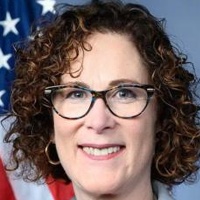
Valerie Hoyle
Representative
OR
Valerie Hoyle
Representative
OR
The Social Security Expansion Act aims to increase Social Security benefits, change cost-of-living adjustments to better reflect elderly consumers, and extend eligibility to student children. It also adjusts payroll and self-employment taxes for earnings above $250,000, increases taxes on investment gains, and establishes a new Social Security Trust Fund. These changes are intended to provide greater financial security for beneficiaries and ensure the long-term solvency of the Social Security system.
This bill allows the National Guard Bureau to accept funds from states as reimbursement for the use of military property by National Guard units operating under state active duty, and directs how the Department of Defense can use these funds.
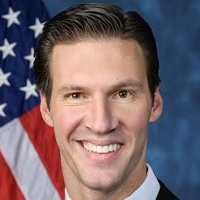
Pat Harrigan
Representative
NC
Pat Harrigan
Representative
NC
The Guarding Readiness Resources Act allows the National Guard Bureau to accept funds from states and territories as reimbursement for the use of military property. These funds will be used by the Department of Defense for the repair, maintenance, and replacement of assets used by National Guard units on state active duty.
The PAST Act of 2025 significantly strengthens the Horse Protection Act by increasing penalties, banning specific action devices, and mandating licensed inspectors to combat the practice of horse soring.
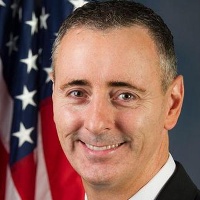
Brian Fitzpatrick
Representative
PA
Brian Fitzpatrick
Representative
PA
The PAST Act of 2025 significantly strengthens the Horse Protection Act to combat the painful practice of soring in specific horse breeds. This bill increases penalties for violations, establishes stricter licensing and oversight for inspectors, and explicitly bans the use of "action devices" designed to cause unnatural gaits. The legislation aims to enhance enforcement, ensure fairer competition, and hold violators accountable through increased fines and disqualifications.
The SAFE Act of 2025 amends existing law to include equines (horses) in the prohibition of slaughtering animals for human consumption.
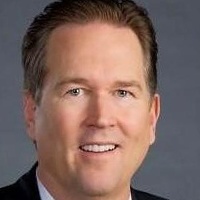
Vern Buchanan
Representative
FL
Vern Buchanan
Representative
FL
The SAFE Act of 2025 amends existing legislation to explicitly prohibit the slaughter of horses for human consumption, reinforcing protections for these animals. This bill seeks to prevent the inhumane treatment of American equines by closing loopholes that allow their slaughter and export for human consumption.