Legislative Activity
Track Salud's sponsored bills, co-sponsored legislation, and voting record
This Act establishes federal minimum salary and wage floors for school paraprofessionals and support staff, providing federal funding to help states meet these new pay standards within four years.
Jesús García
Representative
IL
Jesús García
Representative
IL
The Pay Paraprofessionals and Support Staff Act establishes minimum federal salary and wage floors for school support staff, requiring states to implement higher state-level standards. It authorizes significant federal funding through grants to help states and local districts meet these new pay requirements within four years. States must prioritize funding distribution to districts serving high numbers of low-income students to ensure compliance with the mandated pay increases.
This bill modifies deposits into the Crime Victims Fund by excluding certain False Claims Act recoveries and mandates an Inspector General audit of the Fund's sustainability.
Ann Wagner
Representative
MO
Ann Wagner
Representative
MO
This bill amends the Victims of Crime Act of 1984 to temporarily exclude certain False Claims Act recoveries from being deposited into the Crime Victims Fund through fiscal year 2029. It also mandates a comprehensive audit by the Department of Justice Inspector General on the Fund's sustainability and the impact of recent legislative changes. The resulting report will provide recommendations for improving the Fund's effectiveness and oversight.
This act prohibits the use of federal funds and official action for any invasion of NATO member territory.
William Keating
Representative
MA
William Keating
Representative
MA
The **No Funds for NATO Invasion Act** prohibits the use of any federal funds for an invasion of any territory belonging to a member nation of the North Atlantic Treaty Organization (NATO). Furthermore, the bill bars U.S. officials from taking any action to execute such an invasion.
This resolution recognizes the 15th anniversary of the 2011 Tucson shooting, honoring the victims, survivors, and the ongoing advocacy of Gabby Giffords.
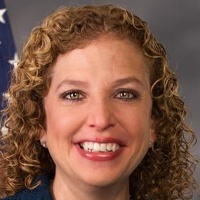
Debbie Wasserman Schultz
Representative
FL
Debbie Wasserman Schultz
Representative
FL
This resolution commemorates the 15th anniversary of the tragic January 8, 2011, Tucson shooting, honoring the six lives lost and the thirteen injured. It specifically commends the courage and ongoing advocacy of gun violence survivor and former Congresswoman Gabby Giffords. The resolution also recognizes the resilience of the community and reaffirms a commitment to ending political violence.
This resolution observes the one-year anniversary of the devastating 2025 Southern California wildfires, honoring victims and first responders while affirming commitment to ongoing community rebuilding efforts.
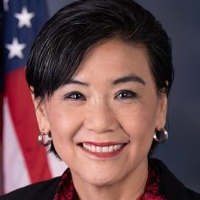
Judy Chu
Representative
CA
Judy Chu
Representative
CA
This resolution observes the one-year anniversary of the devastating 2025 Southern California wildfires. It honors the 31 lives lost, recognizes the heroic efforts of thousands of emergency responders, and affirms commitment to supporting the ongoing rebuilding efforts in affected communities.
This bill establishes an expedited parole program for certain immediate family members of current and former U.S. Armed Forces members.
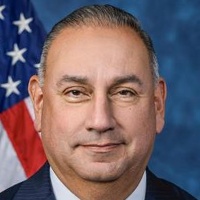
Gilbert Cisneros
Representative
CA
Gilbert Cisneros
Representative
CA
The PROTECT Military Families Act establishes a new parole program to allow certain immediate family members of U.S. service members and veterans to enter the United States. This program specifically targets spouses, widows/widowers, parents, and children of active duty or honorably discharged military personnel. Parole decisions require joint approval from the Secretaries of Homeland Security, Defense, and Veterans Affairs for any denial.
This act prohibits states from imposing new liens on Medicaid recipients' homes or recovering correctly paid Medicaid benefits from their estates.
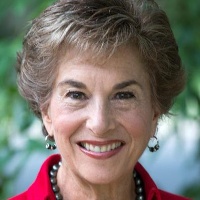
Janice Schakowsky
Representative
IL
Janice Schakowsky
Representative
IL
The Stop Unfair Medicaid Recoveries Act prohibits states from imposing new liens on an individual's home for Medicaid benefits already paid. This legislation also stops states from initiating or continuing efforts to recover the costs of correctly paid Medicaid benefits from an individual's estate. Furthermore, existing liens related to these recoveries must be withdrawn shortly after the law is enacted.
This bill prohibits the use of federal funds for military force in or against Venezuela through 2026 unless Congress declares war or passes a specific authorizing law, with exceptions for defensive actions.
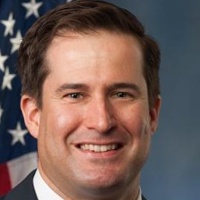
Seth Moulton
Representative
MA
Seth Moulton
Representative
MA
This bill prohibits the use of federal funds for military force in or against Venezuela through the end of 2026. This restriction remains in place unless Congress formally declares war or passes a new, specific authorization for military action that complies with the War Powers Resolution. An exception is made for necessary defensive actions, such as repelling a sudden attack.
This bill restores forest health, expands recreation opportunities, and permanently protects hundreds of thousands of acres of federal land in Northwest California.
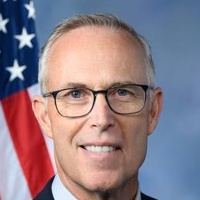
Jared Huffman
Representative
CA
Jared Huffman
Representative
CA
The Northwest California Wilderness, Recreation, and Working Forests Act is a comprehensive bill designed to restore federal forest health, expand outdoor recreation opportunities, and permanently conserve significant natural landscapes in Northern California. It establishes large restoration areas to reduce wildfire risk, designates new wilderness and wild and scenic rivers, and authorizes new trails and visitor centers. The legislation also protects existing utility operations and affirms the rights of Indian Tribes for traditional and religious uses.
The Disaster Survivors Tax Relief and Recovery Act provides targeted tax relief, retirement account flexibility, and housing credit support for individuals and businesses affected by major federally declared disasters occurring in 2025.
Judy Chu
Representative
CA
Judy Chu
Representative
CA
The Disaster Survivors Tax Relief and Recovery Act provides essential financial support to individuals and businesses impacted by major disasters occurring in 2025. The bill offers temporary tax relief, including flexible income calculations for tax credits, penalty-free access to retirement funds, and expanded deductions for charitable contributions and casualty losses. Additionally, it incentivizes the development of affordable housing in disaster-stricken areas and extends tax exclusions for wildfire-related compensation.
This resolution condemns antisemitism amplified by AI, urges robust platform safeguards, and encourages stakeholder collaboration to counter this threat while upholding constitutional rights.
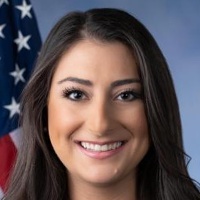
Sara Jacobs
Representative
CA
Sara Jacobs
Representative
CA
This resolution condemns antisemitism in all its forms, particularly its proliferation on artificial intelligence (AI) platforms. It urges technology companies to implement robust, transparent safeguards to prevent AI systems from generating or amplifying antisemitic content. The bill encourages the development of standards, research, and public awareness initiatives to combat this threat while ensuring all actions remain consistent with constitutional protections.
This resolution honors Senate President Pro Tempore Monique Limón for her historic service as the first Latina and first mother to hold the position.
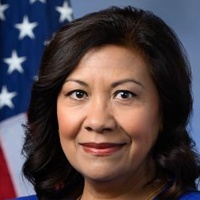
Norma Torres
Representative
CA
Norma Torres
Representative
CA
This resolution honors Senator Monique Limón for her historic service and achievements as the first Latina and first mother to serve as President pro Tempore of the California State Senate. It recognizes her background as a first-generation college graduate and dedicated educator. The bill commends her legislative leadership, particularly her work championing issues for working families. Finally, it celebrates her swearing-in ceremony for this landmark role.
This Act modernizes federal highway and freight safety programs by mandating the integration of advanced safety data technologies like predictive analytics and telematics to proactively reduce roadway risks.
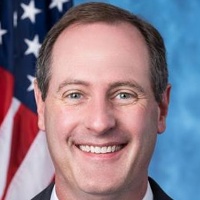
Tracey Mann
Representative
KS
Tracey Mann
Representative
KS
The Roadway Safety Modernization Act of 2025 aims to significantly enhance road safety by integrating modern data technologies into federal highway and freight safety programs. This legislation encourages states to adopt predictive analytics and telematics for risk modeling and proactive safety planning. Furthermore, it directs the Department of Transportation to establish guidance on data security and the responsible use of these advanced safety tools.
This bill imposes comprehensive sanctions on Russia for its war against Ukraine while permanently extending the U.S. sanctions authority against Iran.
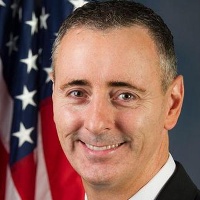
Brian Fitzpatrick
Representative
PA
Brian Fitzpatrick
Representative
PA
The Peace Through Strength Against Russia Act of 2025 imposes comprehensive sanctions on Russia's financial, military, and energy sectors in response to its war against Ukraine. This legislation cuts off major Russian banks from the U.S. financial system and bans new American investment in Russia. Additionally, the bill makes the existing sanctions authority against Iran permanent by removing its expiration date.
This bill mandates a Title VI awareness campaign, requires colleges to post civil rights information, and establishes monthly congressional briefings and annual audits regarding discrimination complaints on campus.
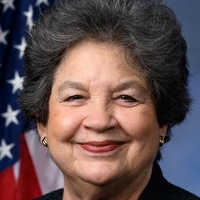
Lois Frankel
Representative
FL
Lois Frankel
Representative
FL
The Protecting Students on Campus Act of 2025 aims to increase awareness of civil rights protections for students under Title VI of the Civil Rights Act. The bill mandates a public awareness campaign and requires colleges receiving federal aid to prominently display links and materials related to filing discrimination complaints. Furthermore, it establishes regular congressional briefings and requires annual reporting and targeted audits on how institutions handle complaints of discrimination based on race, color, or national origin.
This bill temporarily funds the FAA using the Aviation Insurance Revolving Fund during a lapse in appropriations and extends non-premium war risk insurance provisions.
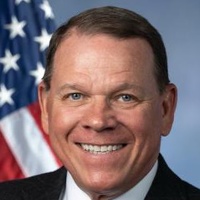
Sam Graves
Representative
MO
Sam Graves
Representative
MO
The Aviation Funding Solvency Act establishes a temporary mechanism to ensure the Federal Aviation Administration (FAA) can continue essential operations if Congress fails to pass regular appropriations. This allows the FAA Administrator to draw upon the Aviation Insurance Revolving Fund to maintain operations at the previous year's funding rate. The temporary funding ceases once a new appropriation or continuing resolution is enacted. The bill also makes a technical amendment regarding non-premium war risk insurance.
This bill directs the President to withdraw U.S. Armed Forces from hostilities with presidentially designated terrorist organizations in the Western Hemisphere unless Congress authorizes the action.
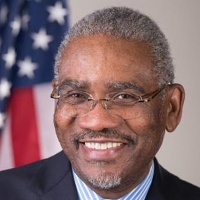
Gregory Meeks
Representative
NY
Gregory Meeks
Representative
NY
This bill directs the President to withdraw U.S. Armed Forces from hostilities involving designated terrorist organizations in the Western Hemisphere. Such withdrawal must occur unless Congress has explicitly authorized the military action through a declaration of war or a specific use of force authorization. The directive is issued under the authority of the War Powers Resolution.
This bill establishes TRICARE coverage for fertility treatments, including IVF, for active duty service members and their dependents beginning October 1, 2027.
Sara Jacobs
Representative
CA
Sara Jacobs
Representative
CA
This bill, the Bipartisan IVF for Military Families Act, mandates that TRICARE provide coverage for fertility treatments, including IVF, for active duty service members and their dependents starting in late 2027. The legislation outlines specific coverage limits for egg retrievals and embryo transfers while prohibiting the use of DoD funds for certain procedures like preimplantation genetic screening. It also requires the establishment of a program to coordinate this specialized fertility care for military families.
This Act designates new wilderness areas and Wild and Scenic Rivers within the San Gabriel Mountains, Foothills, and Rivers region while authorizing necessary management activities and tribal access.
Judy Chu
Representative
CA
Judy Chu
Representative
CA
The San Gabriel Mountains, Foothills, and Rivers Protection Act of 2025 designates new wilderness areas and protects segments of local rivers within the Angeles National Forest. This legislation formally adds over 28,000 acres to the National Wilderness Preservation System and designates specific sections of Little Rock Creek and Cooper Canyon Creek as part of the National Wild and Scenic Rivers System. The Act also mandates studies for potential future protection of segments of the San Gabriel River. Finally, it includes provisions ensuring tribal access for cultural purposes and allowing for the continued use of certain pre-existing water facilities.
The Essential Caregivers Act of 2025 guarantees nursing home and long-term care residents the right to designate an essential caregiver who maintains access to them even during public health emergencies.
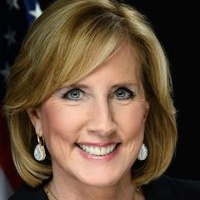
Claudia Tenney
Representative
NY
Claudia Tenney
Representative
NY
The Essential Caregivers Act of 2025 protects the rights of residents in long-term care facilities to designate an essential caregiver who can provide support and companionship. This legislation ensures that these caregivers maintain in-person access to residents even during public health emergencies when general visitation is restricted. By establishing clear protocols and an appeals process, the bill aims to prevent the harmful effects of isolation and ensure residents continue to receive vital care and advocacy.