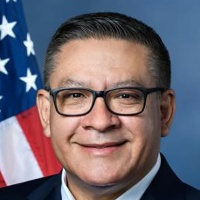
Legislative Activity
Track Salud's sponsored bills, co-sponsored legislation, and voting record
This resolution urges the President to order U.S. flags flown at half-staff to honor the life and legacy of civil rights leader Reverend Jesse Jackson.
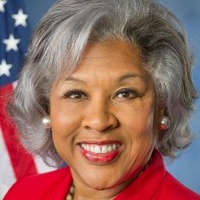
Joyce Beatty
Representative
OH
Joyce Beatty
Representative
OH
This resolution formally honors the life and enduring legacy of civil rights leader Reverend Jesse Louis Burns Jackson, Sr. It recognizes his significant contributions to the Civil Rights Movement, including his work with Dr. Martin Luther King, Jr. and his founding of Operation PUSH. The bill specifically urges the President to order that the U.S. flag be flown at half-staff in his memory.
This bill requires public colleges and universities receiving federal funding to charge in-state tuition rates to eligible U.S. national residents of Guam, the Northern Mariana Islands, American Samoa, and the U.S. Virgin Islands.
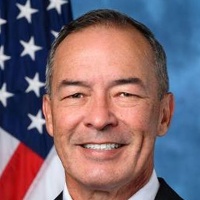
James (Jim) Moylan
Representative
GU
James (Jim) Moylan
Representative
GU
The Territorial Student Access to Higher Education Act requires public colleges and universities receiving federal funding to offer in-state tuition rates to eligible U.S. nationals residing in Guam, the Northern Mariana Islands, American Samoa, and the U.S. Virgin Islands. This legislation aims to increase educational affordability and accessibility for students from these U.S. territories.
This bill strengthens democracy by banning foreign spending in U.S. elections, increasing transparency for "dark money" in politics, and mandating clear disclosure of funders in political advertising.
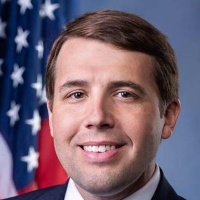
Chris Pappas
Representative
NH
Chris Pappas
Representative
NH
The Democracy Is Strengthened by Casting Light On Spending in Elections Act of 2026 aims to increase transparency and security in U.S. elections. It closes loopholes to ban foreign national spending in elections, mandates disclosure for "dark money" political spending, and requires clear funding disclosures on political ads. The bill also centralizes legal challenges to campaign finance laws in Washington, D.C., for faster resolution.
This resolution designates Black History Month 2026, honors the contributions of Black Americans through the "Unsung Souls" and "Righteous Intercessors" recognitions, and affirms the importance of a complete national narrative.
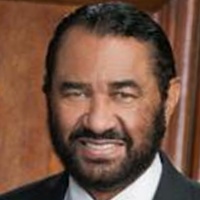
Al Green
Representative
TX
Al Green
Representative
TX
This resolution officially recognizes Black History Month and adopts "A Century of Black History Commemorations" as the theme for 2026. It honors the contributions of Black Americans by establishing categories for "Unsung Souls" and "Righteous Intercessors." Ultimately, the bill affirms that Black history commemorations are essential for a complete national narrative and inspiring future progress toward liberty and justice for all.
This bill authorizes the display of the Pride flag at National Park System units and expresses support for its permanent display at the Stonewall National Monument.

Dan Goldman
Representative
NY
Dan Goldman
Representative
NY
This bill authorizes the Pride flag to be displayed at all units of the National Park System. Additionally, it expresses the sense of Congress that the Pride flag should be restored and prominently displayed at the Stonewall National Monument in New York.
The ACERO Act establishes a NASA project to develop advanced aircraft technologies and data sharing to improve the coordination and effectiveness of aerial wildfire response operations.
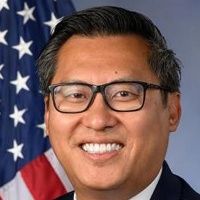
Vince Fong
Representative
CA
Vince Fong
Representative
CA
The ACERO Act establishes a NASA project to enhance the use of aircraft in fighting wildfires through advanced research and development. This initiative focuses on developing new aircraft technologies, improving real-time data sharing, and creating interoperable tracking systems for aerial assets. The bill also mandates coordination with various agencies and places restrictions on purchasing drones from certain foreign entities.
The Ceasefire Compliance Act of 2026 mandates that U.S. defense transfers to Israel be conditioned on verified compliance with ceasefire agreements, humanitarian aid access, and the protection of Palestinian civilians in Gaza and the West Bank.
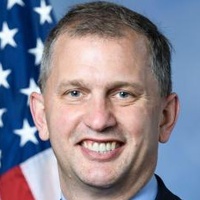
Sean Casten
Representative
IL
Sean Casten
Representative
IL
The Ceasefire Compliance Act of 2026 establishes U.S. policy to uphold the October 2025 ceasefire and peace plan in Gaza while prohibiting the transfer of U.S. defense articles to Israel for use in Gaza or the West Bank unless specific humanitarian and diplomatic conditions are met. The bill mandates regular reporting to Congress to certify Israel's compliance with these requirements and establishes an end-use monitoring group to track the deployment of U.S.-provided weapons. While restricting offensive arms transfers, the Act preserves U.S. support for Israeli missile defense systems and ongoing humanitarian aid to Gaza.
The Head Start for America’s Children Act updates and expands the Head Start program by increasing funding, enhancing staff compensation and mental health support, and improving services for children with disabilities, English learners, and Native American communities.
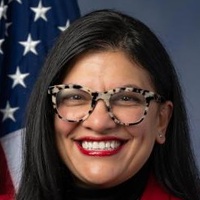
Rashida Tlaib
Representative
MI
Rashida Tlaib
Representative
MI
The "Head Start for America’s Children Act" updates and expands the federal Head Start program to better support the developmental, mental health, and educational needs of infants, toddlers, and children. The bill increases funding for core operations and specialized initiatives, establishes new requirements for staff compensation and professional development, and introduces pilot programs to improve access in high-poverty areas and on college campuses. Additionally, it strengthens support for Native American and migrant/seasonal programs, enhances services for children with disabilities, and mandates new standards to prevent the use of seclusion and restraint.
This bill establishes a federal process for Extreme Risk Protection Orders, creates a grant program to incentivize states to adopt similar laws, and mandates the recognition of such orders across state lines.
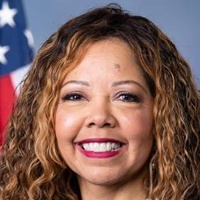
Lucy McBath
Representative
GA
Lucy McBath
Representative
GA
The Federal Extreme Risk Protection Order Act of 2026 establishes a federal process for issuing Extreme Risk Protection Orders (ERPOs) that temporarily prohibit individuals deemed a danger from possessing firearms. The bill allows family members or law enforcement to petition federal courts for temporary or long-term orders based on evidence of imminent risk of harm. Furthermore, it creates a federal grant program to incentivize and support states and tribes in implementing their own qualifying ERPO laws. Finally, it mandates that individuals subject to these federal orders surrender their firearms and ensures these orders are recognized across state lines.
This Act establishes federal best practices and mandates local educational agencies to develop guidance on secure firearm storage and suicide prevention for students and the community.
Dan Goldman
Representative
NY
Dan Goldman
Representative
NY
The Secure Firearm Storage and Suicide Prevention Act of 2026 aims to reduce firearm-related injuries and suicides, particularly among youth. It directs the Secretary of Education to develop national best practices for secure firearm storage and suicide prevention education. Local educational agencies must then create and distribute tailored guidance incorporating these federal standards to students and parents annually.
This Act prohibits online platforms from displaying fraudulent paid advertisements if they accepted payment and failed to take reasonable steps to prevent them, while also establishing new enforcement mechanisms.
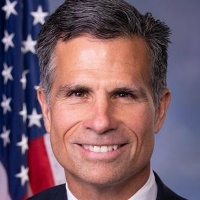
Daniel Meuser
Representative
PA
Daniel Meuser
Representative
PA
The Safeguarding Consumers from Advertising Misconduct Act (SCAM Act) holds online platforms accountable for displaying fraudulent or deceptive paid advertisements. It mandates that platforms implement strict advertiser verification procedures and actively detect and remove scam ads. This legislation establishes a private right of action for injured consumers and clarifies that existing Section 230 immunity does not apply to violations of this Act.
The SAFE Act mandates a GAO study on "chameleon carriers" and requires the FMCSA to develop an advanced automated tool to detect them during the DOT registration process.
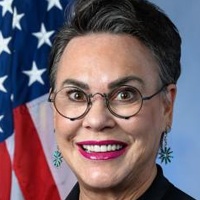
Harriet Hageman
Representative
WY
Harriet Hageman
Representative
WY
The Safety and Accountability in Freight Enforcement (SAFE) Act aims to combat "chameleon carriers" who evade safety regulations and enforcement actions. It mandates a GAO study on the prevalence and impact of these carriers and requires the FMCSA to develop an advanced automated tool to detect them during the DOT registration process. The bill ensures human oversight remains in final registration decisions and establishes reporting requirements on the tool's effectiveness.
The Healthy Families Act establishes a national standard requiring most employers to provide employees with earned paid sick leave for personal or family health needs and related safety issues.

Rosa DeLauro
Representative
CT
Rosa DeLauro
Representative
CT
The Healthy Families Act establishes a national standard requiring most employers to provide employees with earned paid sick leave. Employees will accrue a minimum of one hour of paid time for every 30 hours worked, usable for personal or family health needs, domestic violence, sexual assault, or stalking. The Act prohibits employer retaliation for using this leave and ensures existing, more generous leave policies are not diminished.
This Act prohibits the discharge of plastic pellets and pre-production plastic materials into U.S. waters from industrial facilities through EPA regulations and permitting requirements.
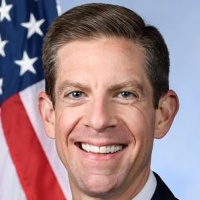
Mike Levin
Representative
CA
Mike Levin
Representative
CA
The Plastic Pellet Free Waters Act prohibits the discharge of plastic pellets and other pre-production plastic materials into U.S. waters from industrial facilities. This requires the EPA to swiftly issue a rule banning these discharges from facilities involved in the manufacturing, use, packaging, or transport of these plastics. The prohibition will be enforced through existing permitting and regulatory systems under the Federal Water Pollution Control Act.
This bill officially recognizes the cultural and historical significance of Lunar New Year in 2026 and expresses respect for those who celebrate it.

Grace Meng
Representative
NY
Grace Meng
Representative
NY
This bill officially recognizes the cultural and historical significance of Lunar New Year, specifically in 2026, the Year of the Horse. It expresses deep respect for Asian American communities and all who celebrate this important occasion. The resolution concludes by offering wishes for a happy and prosperous new year to all observers.
This act brings firearms under the regulatory authority of the Consumer Product Safety Commission by removing their exclusion from the definition of a "consumer product."
Robin Kelly
Representative
IL
Robin Kelly
Representative
IL
The Firearm Safety Act of 2025 removes the existing exclusion for firearms under the Consumer Product Safety Act. This action subjects firearms to regulation by the Consumer Product Safety Commission (CPSC) as consumer products.
This bill appropriates funding and establishes operational rules for the Department of Homeland Security for Fiscal Year 2026 across management, security, preparedness, and research functions, while imposing strict oversight and spending restrictions.
Rosa DeLauro
Representative
CT
Rosa DeLauro
Representative
CT
This bill provides the funding and establishes the operational rules for the Department of Homeland Security (DHS) for Fiscal Year 2026 across all major components, including intelligence, security operations, emergency management, and research. It allocates billions for agencies like TSA, Coast Guard, FEMA, and CISA while imposing strict new requirements for congressional oversight, spending transparency, and management of federal grants. The legislation also includes specific policy directives, such as mandating security screening for senior officials and restricting certain intelligence and contracting activities.
This act directs the Federal Trade Commission to study and regulate unfair or deceptive advertising and marketing practices for firearms, including those targeting minors or promoting illegal use.
Robin Kelly
Representative
IL
Robin Kelly
Representative
IL
The Responsible Firearms Marketing Act directs the Federal Trade Commission (FTC) to study and regulate unfair or deceptive advertising and marketing practices related to firearms. This includes examining advertising that targets minors, encourages illegal use, or involves semiautomatic assault weapons. The FTC must issue regulations prohibiting these practices and enforce them using existing authority under the Federal Trade Commission Act.
This bill establishes a comprehensive Transgender Bill of Rights to codify and protect the rights of transgender and nonbinary people across healthcare, employment, legal recognition, and safety.
Pramila Jayapal
Representative
WA
Pramila Jayapal
Representative
WA
This resolution establishes a comprehensive Transgender Bill of Rights to codify and protect the rights of transgender and nonbinary people across the United States. It mandates federal action to ensure equal access to healthcare, employment, housing, legal recognition, and safety. The bill aims to eliminate discrimination and affirm bodily autonomy by amending existing federal civil rights laws.
The TEMP Act mandates the Federal Crop Insurance Corporation to research and develop a nationwide, index-based insurance policy to protect crops against frost or cold weather losses.
C. Franklin
Representative
FL
C. Franklin
Representative
FL
The TEMP Act mandates the Federal Crop Insurance Corporation to research and develop a new, nationwide index-based insurance policy to protect crops against losses caused by frost or severe cold weather. This research must evaluate the effectiveness of index-based risk management for catastrophic weather events. A report detailing the findings and recommendations is required one year after enactment.