Legislative Activity
Track Salud's sponsored bills, co-sponsored legislation, and voting record
This bill ensures specific 9/11 victims who settled judgments receive full and future payments from the United States Victims of State Sponsored Terrorism Fund by exempting them from certain payment restrictions.

Brian Fitzpatrick
Representative
PA
Brian Fitzpatrick
Representative
PA
This Act, the Fairness for 9/11 Families Technical Fix Act, makes specific adjustments to payment rules within the United States Victims of State Sponsored Terrorism Fund. It ensures that "Havlish Settling Judgment Creditors"—certain 9/11 victims involved in a specific court settlement—receive previously withheld funds. Furthermore, it guarantees their eligibility for future payments from the Fund, treating them equally with other claimants.
This act exempts small businesses from duties imposed under Executive Order 14257 and mandates refunds for any such duties already paid.
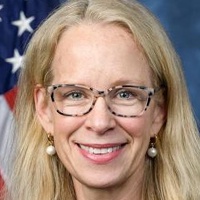
Kelly Morrison
Representative
MN
Kelly Morrison
Representative
MN
The Small Business RELIEF Act exempts qualified small businesses from duties imposed under Executive Order 14257. It also mandates that the President refund any such duties already paid by small businesses within 90 days of enactment. This legislation aims to provide economic fairness and relief to small importers.
This Act prohibits discrimination based on religion, sex, or marital status in federally funded child welfare services to improve outcomes for all children, especially LGBTQ youth.
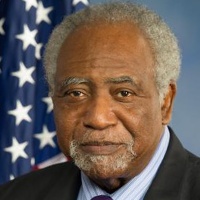
Danny Davis
Representative
IL
Danny Davis
Representative
IL
The John Lewis Every Child Deserves a Family Act prohibits discrimination based on religion, sex, or marital status in federally funded child welfare services. This aims to increase the number of stable, family-like placements for children, especially for LGBTQ youth who are overrepresented in foster care. The bill mandates federal guidance, training, and data collection to improve safety and well-being outcomes for all children involved in the system.
This resolution recognizes the epidemic of violence against transgender people, memorializes those lost this year, and calls for action to ensure their safety and dignity.
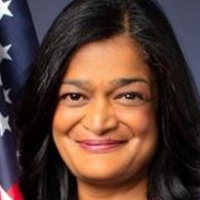
Pramila Jayapal
Representative
WA
Pramila Jayapal
Representative
WA
This resolution supports the goals of Transgender Day of Remembrance by recognizing the ongoing epidemic of violence targeting transgender people, particularly transgender women of color. It memorializes the lives lost this year and highlights the systemic barriers, including discrimination and lack of healthcare access, faced by the transgender community. The bill calls for urgent action from the government to protect these lives through inclusive legislation and policies that ensure dignity and respect for all individuals.
The Find It Early Act mandates no-cost coverage for additional, recommended breast cancer screenings for high-risk individuals across private insurance, Medicare, Medicaid, TRICARE, and VA health programs starting in 2026.
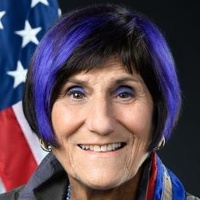
Rosa DeLauro
Representative
CT
Rosa DeLauro
Representative
CT
The Find It Early Act mandates that certain individuals at increased risk for breast cancer receive additional, recommended screenings with no out-of-pocket costs. This coverage requirement applies across private health plans, Medicare, Medicaid, TRICARE, and the Department of Veterans Affairs. These provisions are set to take effect starting January 1, 2026.
This bill updates the Medicare physician fee schedule conversion factor annually based on the Medicare Economic Index starting in 2026.
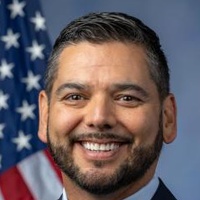
Raul Ruiz
Representative
CA
Raul Ruiz
Representative
CA
This bill, the Strengthening Medicare for Patients and Providers Act, updates how Medicare physician payments are adjusted annually starting in 2026. It mandates that the annual update to the Medicare physician fee schedule conversion factor will be directly tied to the estimated percentage increase in the Medicare Economic Index (MEI). This change ensures physician payment updates reflect economic changes measured by the MEI for 2026 and beyond.
This bill mandates the revision of the Standard Occupational Classification system to establish a distinct code for Direct Support Professionals to better recognize their critical role in supporting individuals with disabilities.
Brian Fitzpatrick
Representative
PA
Brian Fitzpatrick
Representative
PA
The Recognizing the Role of Direct Support Professionals Act aims to address the critical shortage and high turnover among Direct Support Professionals (DSPs) who assist individuals with intellectual and developmental disabilities. The bill mandates that the Office of Management and Budget review and revise the Standard Occupational Classification system to establish a distinct code for DSPs. This change will allow for more accurate labor market data collection to better support these essential workers. The Act does not authorize any new funding.
The First Responders’ Care Expansion Act of 2025, or FORCE Act, establishes an early Medicare enrollment option at age 57 for eligible first responders with at least ten years of service.
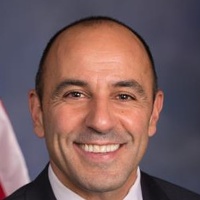
Jimmy Panetta
Representative
CA
Jimmy Panetta
Representative
CA
The First Responders’ Care Expansion Act of 2025, or FORCE Act, establishes an early enrollment option for Medicare coverage for eligible first responders starting at age 57, provided they have ten or more years of service. This allows qualified individuals to access standard Medicare benefits (Parts A, B, and D) years before the traditional age of 65. Premiums paid under this option will be deposited into a newly created Medicare First Responder Trust Fund. The Act also mandates revisions to Medigap standards to ensure guaranteed acceptance for these early enrollees.
This act mandates Medicare coverage for FDA-approved early detection screening tests for Alzheimer's disease and related dementias beginning in 2028.

Vern Buchanan
Representative
FL
Vern Buchanan
Representative
FL
The Alzheimer’s Screening and Prevention Act of 2025 (ASAP Act) amends Medicare to cover early detection screening tests for Alzheimer's disease and related dementias starting in 2028. This coverage applies to FDA-cleared tests, including genomic sequencing and other equivalent diagnostic methods, designed to detect pre-symptomatic or early-stage conditions. The bill ensures these screenings are added to the list of covered medical services under Medicare.
This bill establishes sanctions against foreign individuals responsible for human rights violations against LGBTQI people and mandates enhanced tracking and reporting of such abuses in annual human rights reports.
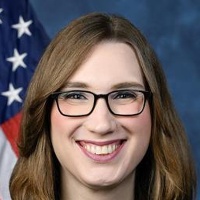
Sarah McBride
Representative
DE
Sarah McBride
Representative
DE
The Global Respect Act aims to promote and protect the human rights of LGBTQI individuals worldwide. It mandates the President to identify and report foreign persons responsible for human rights violations against LGBTQI people, leading to their inadmissibility to the United States. Furthermore, the Act requires enhanced tracking and reporting of violence and discrimination targeting individuals based on sexual orientation, gender identity, or sex characteristics in the annual human rights reports.
This bill officially renames the United States Postal Service facility at 28201 Franklin Parkway in Santa Clarita, California, as the "Deputy Ryan Clinkunbroomer Post Office Building."
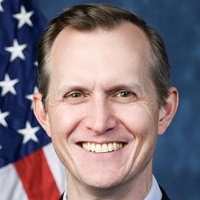
George Whitesides
Representative
CA
George Whitesides
Representative
CA
This bill officially designates the United States Postal Service facility at 28201 Franklin Parkway in Santa Clarita, California, as the "Deputy Ryan Clinkunbroomer Post Office Building." The legislation ensures that all future official references to this location will use the new name.
This act repeals specific sections of a prior reconciliation act to restore previous laws affecting American families and farmers.
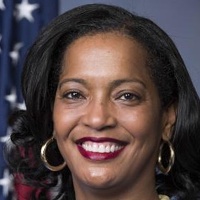
Jahana Hayes
Representative
CT
Jahana Hayes
Representative
CT
The Restoring Food Security for American Families and Farmers Act of 2025 aims to strengthen domestic food security by repealing specific sections of a prior reconciliation act. This action effectively revives the original laws that were previously amended by the repealed provisions. The bill seeks to revert existing agricultural and food-related statutes to their pre-amendment status.
This bill establishes a permanent Special Envoy for the Human Rights of LGBTQI+ Peoples within the Department of State to advance U.S. policy countering global criminalization, violence, and discrimination against LGBTQI+ individuals.
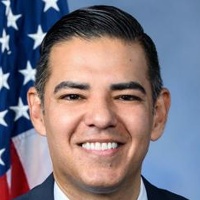
Robert Garcia
Representative
CA
Robert Garcia
Representative
CA
This bill, the International Human Rights Defense Act of 2025, establishes a permanent Special Envoy for the Human Rights of LGBTQI+ Peoples within the Department of State. It codifies U.S. policy to actively combat international criminalization, violence, and discrimination against LGBTQI+ individuals worldwide. The legislation also mandates enhanced reporting on these abuses in annual human rights reports and authorizes assistance to support related protection efforts abroad.
This bill establishes November 12, 2025, as Creutzfeldt-Jakob Disease (CJD) Awareness Day to raise public awareness about this rare and fatal brain disorder.
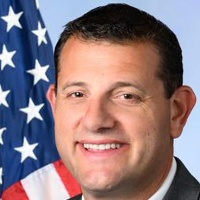
David Valadao
Representative
CA
David Valadao
Representative
CA
This bill officially establishes November 12, 2025, as Creutzfeldt-Jakob Disease (CJD) Awareness Day. The purpose is to raise public awareness about this rare, rapidly progressive, and fatal brain disorder. The House of Representatives supports this day to recognize the unique challenges faced by CJD patients and their families.
This bill authorizes a Congressional Gold Medal to honor the bravery and outstanding service of the members of MACVSOG during the Vietnam War.
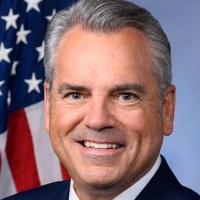
Mark Alford
Representative
MO
Mark Alford
Representative
MO
This bill authorizes the presentation of a single Congressional Gold Medal to the service members of the Military Assistance Command Vietnam-Studies and Observations Group (MACVSOG). This award recognizes their high-risk, covert operations and profound sacrifices conducted in denied areas of Southeast Asia during the Vietnam War. The medal will be presented on behalf of Congress and ultimately housed at the Smithsonian Institution. The Act also permits the creation and sale of bronze duplicates of the medal.
This bill requires the Comptroller General to review the Department of Veterans Affairs' medical care budget submissions for fiscal years 2026 through 2028 and report the findings to relevant Congressional committees.
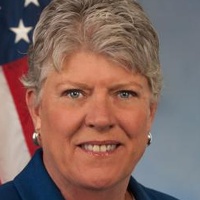
Julia Brownley
Representative
CA
Julia Brownley
Representative
CA
The Veterans Healthcare Improvement Act mandates that the Comptroller General review the Department of Veterans Affairs (VA) medical care budget submissions for fiscal years 2026 through 2028. Following each review, the Comptroller General must report the findings to relevant Congressional committees. This process aims to increase transparency and oversight of the VA's medical care funding requests.
This bill mandates the restoration of free telephone services and communication access for individuals in immigration detention, ensuring contact with family and legal counsel.
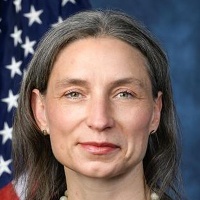
Maxine Dexter
Representative
OR
Maxine Dexter
Representative
OR
The Restoring Access for Detainees Act aims to reinstate and expand free communication services for individuals in civil immigration detention. It mandates the provision of free phone calls, including 200 free outgoing minutes monthly, specifically for contacting family and legal counsel. Furthermore, the bill ensures private, unmonitored communication opportunities with attorneys and certain government officials upon arrival in custody.
This bill mandates the addition of the 74 crew members of the USS Frank E. Evans, killed in action on June 3, 1969, to the Vietnam Veterans Memorial Wall.
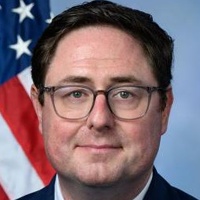
Mike Flood
Representative
NE
Mike Flood
Representative
NE
The USS Frank E. Evans Act mandates the Secretary of Defense to add the names of the 74 crew members lost when the USS Frank E. Evans sank on June 3, 1969, to the Vietnam Veterans Memorial Wall. This action must be completed within one year of the Act becoming law. The Secretary is required to consult with relevant authorities regarding space on the Memorial Wall for these additions.
This Act establishes strict standards, training, and reporting requirements for federal immigration enforcement personnel regarding the use of force, identification, and equipment.
Scott Peters
Representative
CA
Scott Peters
Representative
CA
The Stop Excessive Force in Immigration Act of 2025 establishes strict new standards for the use of non-deadly force by federal immigration personnel, requiring proportionality and de-escalation efforts. The bill mandates identification requirements, restricts the use of certain crowd-control equipment, and imposes new body camera and detailed reporting mandates. Furthermore, it creates affirmative duties for officers to intervene against excessive force and requires annual training on these new policies.
This Act ensures uninterrupted funding and operation for the SNAP and WIC programs through fiscal year 2026, even if appropriations for the Department of Agriculture are delayed.
Jahana Hayes
Representative
CT
Jahana Hayes
Representative
CT
The Keep SNAP and WIC Funded Act of 2025 ensures that the Supplemental Nutrition Assistance Program (SNAP) and the Special Supplemental Nutrition Program for Women, Infants, and Children (WIC) continue to operate without interruption in fiscal year 2026 if standard appropriations are delayed. If funding lapses, the Secretary of Agriculture is authorized to use funds from the Treasury to provide benefits and reimburse state agencies. This special funding remains in effect until full appropriations are enacted or until September 30, 2026.