Legislative Activity
Track Salud's sponsored bills, co-sponsored legislation, and voting record
The SUN Act mandates timely and detailed congressional reporting and oversight for the domestic deployment of National Guard and reserve forces by the President, excluding deployments solely for natural disaster relief.
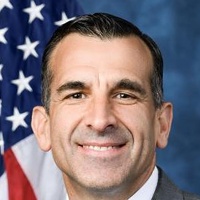
Sam Liccardo
Representative
CA
Sam Liccardo
Representative
CA
The Safeguarding the Use of the National Guard Act (SUN Act) enhances Congressional oversight of the President's domestic deployment of National Guard and reserve forces. It requires the President to submit a detailed report to Congress within 15 days outlining the legal justification, goals, costs, and impact of any domestic deployment. This reporting requirement is waived only when reserve forces are deployed specifically following a Presidential declaration under the Robert T. Stafford Act for a natural disaster.
This bill mandates a study to review and recommend improvements for protecting children in schools and childcare settings from wildfire smoke exposure.
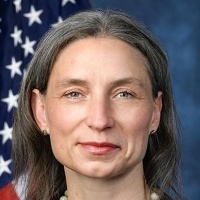
Maxine Dexter
Representative
OR
Maxine Dexter
Representative
OR
The Shielding Students from Wildfire Smoke Act directs the EPA to commission a comprehensive study on how K-12 schools and childcare facilities currently manage wildfire smoke exposure for children. This review will assess existing policies, identify gaps in protection, and recommend actionable strategies to Congress for improving safeguards, especially for resource-limited settings.
This bill extends the federal regulations governing High Occupancy Vehicle (HOV) facilities from September 30, 2025, to September 30, 2031.
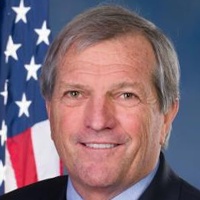
Mark DeSaulnier
Representative
CA
Mark DeSaulnier
Representative
CA
The High Occupancy Vehicle Lane Exemption Reauthorization Act extends the federal regulations governing High Occupancy Vehicle (HOV) facilities. Specifically, this bill pushes back the expiration date for these existing HOV facility rules from September 30, 2025, to September 30, 2031. This ensures the current federal guidelines remain in effect for an additional six years.
This Act prohibits grocery stores from price gouging, using personal surveillance data to set individualized prices, and mandates disclosure of facial recognition use, while banning electronic shelf labels in larger stores.
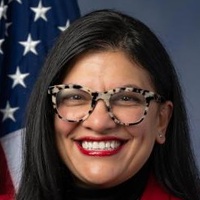
Rashida Tlaib
Representative
MI
Rashida Tlaib
Representative
MI
The Stop Price Gouging in Grocery Stores Act of 2025 aims to protect consumers by prohibiting grocery stores from charging "grossly excessive" prices for food items. The bill also bans stores from adjusting prices based on personal tracking data, such as facial recognition, and requires clear signage if facial recognition technology is used. Furthermore, it mandates that large physical grocery stores must use printed signs instead of electronic shelf labels for displaying prices.
The Ending Homelessness Act of 2025 expands housing vouchers into an entitlement program, prohibits source-of-income discrimination, and provides dedicated funding streams to address unmet needs and align health and housing services.
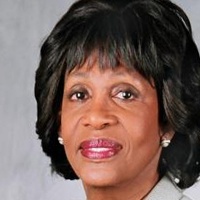
Maxine Waters
Representative
CA
Maxine Waters
Representative
CA
The Ending Homelessness Act of 2025 aims to significantly reduce homelessness by making housing choice vouchers an entitlement program starting in 2029 and immediately expanding the voucher supply for extremely low-income families. The bill also prohibits housing discrimination based on source of income and establishes new, dedicated funding streams for emergency relief and supportive services under the McKinney-Vento Act. Finally, it repeals certain ineligibility criteria for housing assistance and sets priorities for funding based on local policies that encourage affordable housing and decriminalize homelessness.
This Act mandates the distribution of voter registration information to individuals receiving federal rental assistance or applying for residential mortgages.
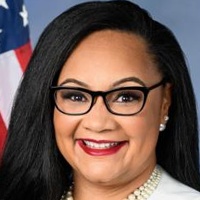
Nikema Williams
Representative
GA
Nikema Williams
Representative
GA
The Voters on the Move Registration Act of 2025 mandates that standardized, multilingual voter registration information be provided to individuals applying for certain federally assisted rental housing or residential mortgages. This ensures that tenants and mortgage applicants receive clear instructions on how to register to vote. The Bureau of Consumer Financial Protection is tasked with creating this uniform voter information statement. This requirement focuses solely on providing information, not compelling voter registration.
This Act establishes a competitive grant program to fund voluntary resident services, such as health, education, and financial stability support, for tenants in various federally assisted affordable housing properties.
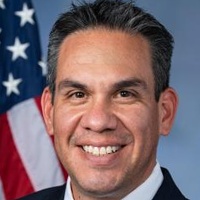
Pete Aguilar
Representative
CA
Pete Aguilar
Representative
CA
The Affordable Housing Resident Services Act establishes a new competitive grant program managed by the Department of Health and Human Services to fund supportive services in qualified affordable housing properties. These grants will finance activities like health coordination, education, and financial stability assistance for residents, with a requirement that services remain strictly voluntary. Grantees must dedicate at least 25% of the funds to service coordinator salaries and report annually on the impact of the services provided.
This act mandates that the Department of Veterans Affairs must provide abortion care, counseling, and related services and medication to eligible veterans and certain other individuals.
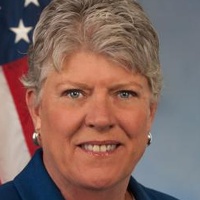
Julia Brownley
Representative
CA
Julia Brownley
Representative
CA
The Reproductive Freedom for Veterans Act mandates that the Department of Veterans Affairs (VA) must now provide abortion care, counseling, and related medication as part of the medical services offered to eligible veterans and certain other beneficiaries. This legislation formally amends existing VA health care provisions to include these reproductive health services.
This bill repeals specific prior health reconciliation provisions and expands eligibility for the Premium Tax Credit by removing the 400% income cap and adjusting the subsidy calculation formula.
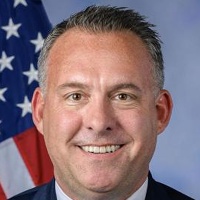
Adam Gray
Representative
CA
Adam Gray
Representative
CA
The Protecting Health Care and Lowering Costs Act of 2025 repeals specific prior reconciliation health provisions. This bill significantly expands eligibility for the Premium Tax Credit by eliminating the 400% Federal Poverty Level income cap. It also updates the subsidy calculation formula to ensure a smoother, linear adjustment of assistance across various income levels.
The Wildfire Emergency Preparedness Act of 2025 establishes national training programs, creates a new Under Secretary for Fire Coordination, enhances firefighter health research, and provides supplemental funding and support for wildland fire response.
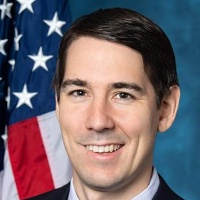
Josh Harder
Representative
CA
Josh Harder
Representative
CA
The Wildfire Emergency Preparedness Act of 2025 aims to significantly enhance national readiness for wildfires and wildland-urban interface fires. It establishes a national training plan and grant program for structural firefighters, creates a new high-level Under Secretary for Fire Coordination within the Department of Agriculture, and boosts firefighter health and safety research. Furthermore, the Act authorizes supplemental funding for local departments to purchase protective gear and receive specialized training.
The EATS Act of 2025 expands eligibility for SNAP benefits by removing previous restrictions for students enrolled at least half-time in recognized educational programs.
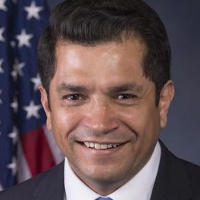
Jimmy Gomez
Representative
CA
Jimmy Gomez
Representative
CA
The EATS Act of 2025 significantly updates eligibility for the Supplemental Nutrition Assistance Program (SNAP) by removing previous restrictions that often disqualified students. This legislation explicitly includes bona fide students enrolled at least half-time in recognized educational programs as eligible participants for food assistance. These changes take effect on January 2, 2026.
This Act establishes the "Local Farmers Feeding Our Communities" program to strengthen local food security by funding agreements that support local producers and distribute fresh food to communities.
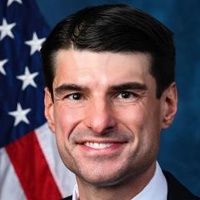
Robert Bresnahan
Representative
PA
Robert Bresnahan
Representative
PA
The Local Farmers Feeding our Communities Act establishes a new program to support local food producers and strengthen regional food security. This initiative requires the Secretary of Agriculture to fund agreements that ensure nutritious, locally sourced food is purchased and distributed widely, prioritizing small and beginning farmers. Funds must be used to buy minimally processed local products and provide technical assistance to producers. The program is backed by mandatory funding starting in Fiscal Year 2026.
This act repeals the prohibition on Medicaid payments to certain healthcare entities and mandates retroactive payment for services already rendered under the repealed ban.
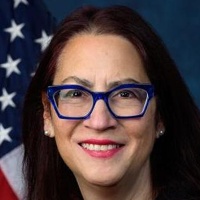
Laura Friedman
Representative
CA
Laura Friedman
Representative
CA
The Restoring Essential Healthcare Act repeals an outdated ban that prevented Medicaid from making payments to certain healthcare providers. This legislation ensures that these previously prohibited entities will now be reimbursed for medical services rendered between the enactment of the original ban and the passage of this Act. In short, it restores payment eligibility and retroactively covers past services.
This Act eliminates age restrictions and simplifies premium requirements for adult children covered under the TRICARE Young Adult program.
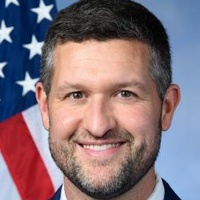
Patrick Ryan
Representative
NY
Patrick Ryan
Representative
NY
The Health Care Fairness for Military Families Act of 2025 significantly improves the TRICARE Young Adult (TYA) program for military dependents. This legislation eliminates the age restriction for TYA eligibility and removes the separate premium requirement for coverage. These changes aim to provide broader and simpler healthcare access for adult children of service members.
The Coast Guard Authorization Act of 2025 authorizes funding and personnel increases while imposing strict new accountability measures on leadership across acquisitions, operations, and personnel reforms, including establishing a civilian Secretary of the Coast Guard.
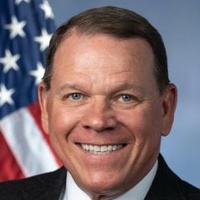
Sam Graves
Representative
MO
Sam Graves
Representative
MO
The **Coast Guard Authorization Act of 2025** is a comprehensive bill that authorizes funding and sets personnel goals for the Coast Guard through 2029 while enacting sweeping organizational reforms. Key changes include establishing a civilian Secretary of the Coast Guard, significantly increasing accountability and reporting requirements for major acquisitions, and modernizing policies related to merchant mariner credentials and sexual assault response. The legislation also mandates numerous GAO studies to assess infrastructure needs, healthcare quality, and overall operational efficiency across the service.
This bill establishes a federal grant program to help low-income households pay for their drinking water and sewer services.
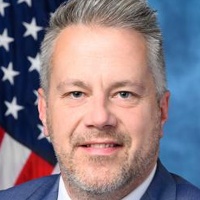
Eric Sorensen
Representative
IL
Eric Sorensen
Representative
IL
This bill establishes the Low-Income Household Water Assistance Program to provide grants to states and tribes. These funds will help public water systems cover the water and sewer bills for eligible low-income households. The program aims to supplement existing aid by assisting families whose income is at or below 150% of the poverty level or 60% of the state median income. Funding is authorized at $500 million annually from fiscal years 2026 through 2030.
This bill updates the eligibility requirements for creating records of lawful admission for long-term residents by changing the qualifying entry date to a minimum of seven years of U.S. residency prior to application.
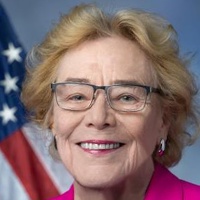
Zoe Lofgren
Representative
CA
Zoe Lofgren
Representative
CA
This bill, the Renewing Immigration Provisions of the Immigration Act of 1929, updates the eligibility requirements for creating records of lawful admission for long-term residents. It replaces a fixed entry date with a new standard requiring applicants to have resided in the U.S. for at least seven years prior to applying. These revised provisions will take effect 60 days after the Act is enacted.
This bill establishes a new system for distributing up to 2,000 additional Medicare-funded residency positions annually from 2026 through 2032, prioritizing hospitals serving underserved areas, and mandates a study on strategies to increase workforce diversity.
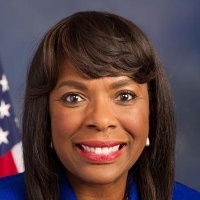
Terri Sewell
Representative
AL
Terri Sewell
Representative
AL
The Resident Physician Shortage Reduction Act of 2025 establishes a structured process for distributing up to 2,000 additional, federally funded residency positions annually between fiscal years 2026 and 2032. This distribution prioritizes hospitals serving in underserved areas, those already training above their limit, and those committed to primary care and general surgery training. The bill also mandates a study and report by the Comptroller General on effective strategies to increase diversity within the health professional workforce.
This act establishes a culturally and linguistically appropriate national strategy to improve mental health and substance abuse outreach and education specifically for Hispanic and Latino communities.
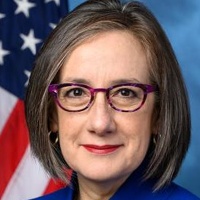
Andrea Salinas
Representative
OR
Andrea Salinas
Representative
OR
The Mental Health for Latinos Act of 2025 mandates the creation of a comprehensive, culturally sensitive outreach and education strategy to improve mental health and substance abuse support specifically for Hispanic and Latino communities. This plan requires collaboration with community groups to ensure materials address diverse linguistic and cultural needs across different age groups. The Secretary must report annually to Congress on the strategy's effectiveness in improving health outcomes for these populations.
The COOL OFF Act establishes a mandatory 3-day waiting period for handgun transfers, with specific exceptions for law enforcement, family loans, emergencies, and certain target practice or hunting scenarios.
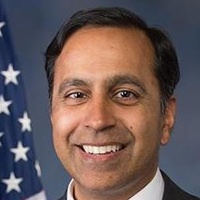
Raja Krishnamoorthi
Representative
IL
Raja Krishnamoorthi
Representative
IL
The Choosing Our Own Lives Over Fast Firearms Act, or COOL OFF Act, establishes a mandatory 3-business-day waiting period before an individual can receive a handgun, whether through a private sale or from a licensed dealer. This waiting period is waived for specific exceptions, such as transfers involving law enforcement, temporary family loans, or emergency situations to prevent serious harm. The law includes penalties for violations and will take effect 90 days after enactment.