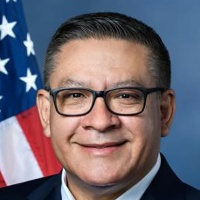
Legislative Activity
Track Salud's sponsored bills, co-sponsored legislation, and voting record
This bill directs the Secretary of the Interior to study the suitability and feasibility of designating the Monterey Bay area as a National Heritage Area.
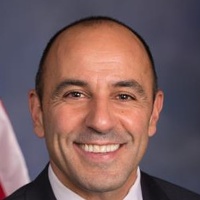
Jimmy Panetta
Representative
CA
Jimmy Panetta
Representative
CA
The Monterey Bay National Heritage Area Study Act mandates the Secretary of the Interior to conduct a study assessing the suitability and feasibility of designating the Monterey Bay region as a National Heritage Area. This assessment will cover Monterey, San Mateo, Santa Cruz, and San Luis Obispo counties, along with adjacent areas sharing similar heritage. The study requires close collaboration with state, local, Tribal, and non-profit partners.
The Ejiao Act of 2025 prohibits the knowing trade of donkeys, donkey hides, and ejiao products within U.S. commerce to combat the devastating impact of ejiao production on global donkey populations.
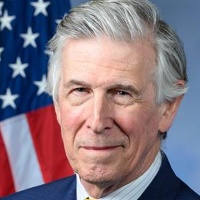
Donald Beyer
Representative
VA
Donald Beyer
Representative
VA
The Ejiao Act of 2025 prohibits the knowing trade, import, and export of donkeys, donkey hides, and ejiao products within U.S. commerce due to the devastating impact of the ejiao trade on global donkey populations. This legislation establishes significant civil and criminal penalties for violations, including substantial fines and imprisonment. Furthermore, the Act grants enforcement authority to agencies like U.S. Customs and Border Protection and mandates the forfeiture of illegal goods and related equipment.
This resolution expresses support for designating September 22, 2025, as "National Hispanic Nurses Day" to recognize the vital contributions of Hispanic nurses and the advocacy work of the National Association of Hispanic Nurses (NAHN).
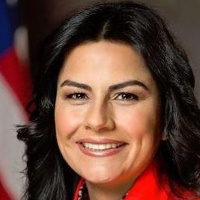
Nanette Barragán
Representative
CA
Nanette Barragán
Representative
CA
This resolution expresses support for designating September 22, 2025, as "National Hispanic Nurses Day" to recognize the vital contributions of Hispanic nurses to the U.S. healthcare system. It specifically honors the National Association of Hispanic Nurses (NAHN) as the leading organization advocating for this essential group. The designation aims to raise awareness about the role Hispanic nurses play in providing culturally sensitive care and addressing health disparities in diverse communities.
**Katie Meyer's Law mandates that colleges receiving federal funding must offer students accused of misconduct the option of having a trained adviser present during disciplinary proceedings.**
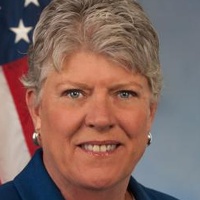
Julia Brownley
Representative
CA
Julia Brownley
Representative
CA
Katie Meyer's Law mandates that colleges and universities receiving federal funding must provide students accused of code of conduct violations the option to have a trained adviser assist them through the disciplinary process. Students can choose their own adviser or request an independent one provided by the institution. Additionally, the bill updates campus security reporting requirements to include incidents of suicide.
The No Coffee Tax Act freezes current import tariffs on specified coffee products from countries with normal trade relations at the rate set on January 19, 2025.
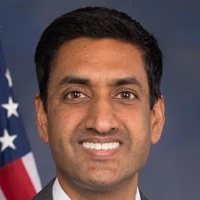
Ro Khanna
Representative
CA
Ro Khanna
Representative
CA
The No Coffee Tax Act aims to prevent any increase in import tariffs on specified coffee products originating from countries with normal trade relations with the U.S. This legislation effectively freezes the import tax rate for items like roasted coffee, decaffeinated coffee, and coffee substitutes at the level set on January 19, 2025. In short, it locks in current tariffs to ensure coffee imports remain tax-stable.
The Safe Step Act mandates that group health plans using medication step therapy establish clear, timely exception processes for patients and doctors when required drugs are medically inappropriate or ineffective.
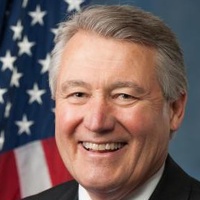
Rick Allen
Representative
GA
Rick Allen
Representative
GA
The Safe Step Act establishes mandatory, transparent exception processes for health plans that use "step therapy" protocols for prescription drugs. This ensures patients or their doctors can quickly request coverage for a prescribed medication when specific clinical criteria are met, such as previous treatment failure or risk of harm. Plans must decide on standard requests within 72 hours and urgent requests within 24 hours, and approved exceptions must last for at least one year. Furthermore, insurers must report detailed data annually on exception requests, approvals, and denials to the Secretary of Health and Human Services.
The HEADACHE Act establishes a National Headache Disorders Initiative, an advisory council, and mandates annual reporting to Congress to improve research, care, and data collection for headache disorders.
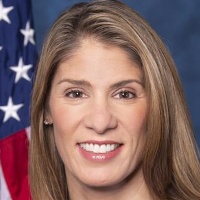
Lori Trahan
Representative
MA
Lori Trahan
Representative
MA
The HEADACHE Act establishes a comprehensive National Headache Disorders Initiative to improve research, workforce development, and care coordination for all headache disorders. It mandates the creation of an Advisory Council to guide federal efforts and requires the Secretary of Health and Human Services to submit annual reports to Congress detailing progress and recommending actions. This legislation aims to address disparities and reduce the societal and financial burden of these conditions before the Act automatically expires five years after enactment.
This Act ensures that disability compensation or pension payments received by veterans are excluded when determining eligibility for low-income housing tax credits and residential rental project bonds.
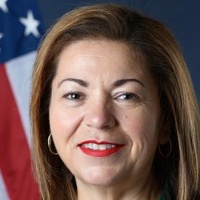
Linda Sánchez
Representative
CA
Linda Sánchez
Representative
CA
The Fair Housing for Disabled Veterans Act ensures that veterans' disability compensation or pension payments are excluded when determining income eligibility for low-income housing tax credits and related rental project bonds. This change prevents veterans from being penalized for their service-related benefits when applying for affordable housing assistance. The Act takes effect immediately upon passage.
The PAAF Act grants automatic U.S. citizenship to certain internationally adopted individuals who meet specific residency and age requirements, clarifying and expanding existing pathways to citizenship.
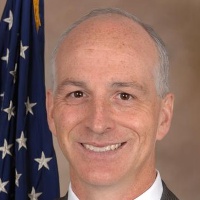
Adam Smith
Representative
WA
Adam Smith
Representative
WA
The Protect Adoptees and American Families Act (PAAF Act) aims to ensure that certain internationally adopted individuals automatically become U.S. citizens. This bill clarifies the requirements for automatic citizenship, particularly for adoptees who were physically present in the U.S. before turning 18. It also provides a pathway to citizenship for eligible adoptees residing abroad upon their legal entry into the United States.
This bill establishes a mechanism to ensure the Federal Aviation Administration remains funded and operational during a lapse in appropriations.
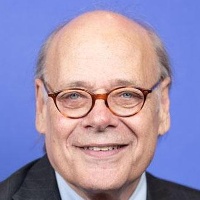
Steve Cohen
Representative
TN
Steve Cohen
Representative
TN
The Aviation Funding Stability Act of 2025 establishes an automatic mechanism to ensure the Federal Aviation Administration (FAA) remains funded during a lapse in appropriations. This allows the FAA to continue essential operations using existing funds from the Airport and Airway Trust Fund until a new budget or continuing resolution is enacted. Funding will cease after 30 days if no new appropriations are passed. This ensures continuity for core FAA programs, including operations, infrastructure, and grants.
This bill mandates that federally funded higher education institutions update their harassment policies to explicitly cover technology-facilitated harassment and establishes a competitive grant program to fund anti-harassment initiatives.
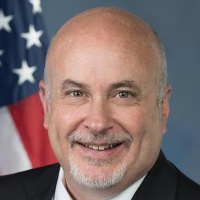
Mark Pocan
Representative
WI
Mark Pocan
Representative
WI
The Tyler Clementi Higher Education Anti-Harassment Act of 2025 mandates that colleges receiving federal funds update their policies to explicitly prohibit and detail procedures for addressing harassment based on protected characteristics, including technology-facilitated abuse. The bill also establishes a competitive grant program, funded up to $50 million annually, to support campus efforts in harassment prevention, training, and support services. This legislation adds new requirements without superseding existing civil rights protections.
The Redistricting Reform Act of 2025 mandates the use of independent, nonpartisan commissions to draw fair congressional maps based on strict criteria, while establishing federal court oversight and administrative procedures to ensure compliance.
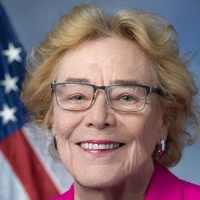
Zoe Lofgren
Representative
CA
Zoe Lofgren
Representative
CA
The Redistricting Reform Act of 2025 fundamentally overhauls congressional map-drawing by mandating the use of independent, non-partisan commissions in every state. This legislation establishes strict, prioritized criteria for map creation, explicitly banning partisan manipulation and requiring maps to prioritize community representation over political advantage. Furthermore, it sets firm deadlines for map enactment and establishes clear federal court procedures to intervene if states fail to adopt a lawful plan. Overall, the bill aims to ensure fairer congressional representation by removing map-drawing authority from state legislatures.
This Act establishes competitive federal grants to build capacity for workforce training, education, and research at community colleges with agriculture and natural resources programs.
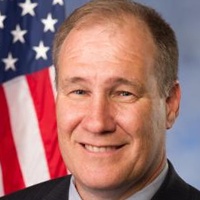
Trent Kelly
Representative
MS
Trent Kelly
Representative
MS
The Community College Agriculture Advancement Act of 2025 establishes a new federal grant program to strengthen agriculture and natural resources programs at community colleges. These competitive grants will help two-year colleges build capacity for workforce training, education, and research. Priority will be given to colleges that partner with local agriculture businesses to provide students with hands-on experience. The Act authorizes $20 million annually to support these vital local and regional agricultural initiatives.
This House resolution strongly condemns all forms of political violence and demands an end to dehumanizing rhetoric against political opponents.
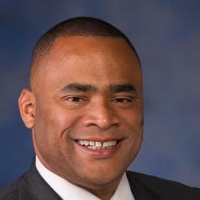
Marc Veasey
Representative
TX
Marc Veasey
Representative
TX
This House Resolution strongly condemns all forms of political violence and threats against elected officials and public figures, regardless of political affiliation. It affirms that disagreements must be resolved through peaceful and democratic means, not intimidation or force. The resolution urges law enforcement to prosecute those who commit or encourage such violence. Finally, it calls on all leaders to cease using dehumanizing rhetoric and promote civil discourse.
This resolution expresses support for designating the week of September 20 through September 27, 2025, as "National Estuaries Week" to recognize the vital economic and environmental importance of these coastal ecosystems.
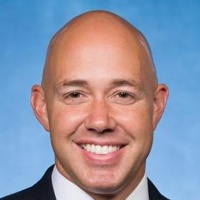
Brian Mast
Representative
FL
Brian Mast
Representative
FL
This resolution expresses strong support for designating the week of September 20 through September 27, 2025, as "National Estuaries Week." It highlights the critical economic and environmental value of estuaries, which support millions of jobs and provide vital natural protection for coastal communities. The bill aims to raise public awareness about the need to protect and restore these essential ecosystems.
This act amends the Fair Labor Standards Act to exclude direct sellers and qualified real estate agents from the definition of "employee."
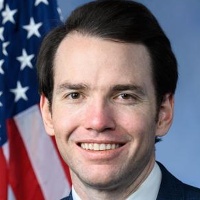
Kevin Kiley
Representative
CA
Kevin Kiley
Representative
CA
This act, the Direct Seller and Real Estate Agent Harmonization Act, amends the Fair Labor Standards Act to clarify employment status. Specifically, it excludes direct sellers and qualified real estate agents from the definition of "employee." This change aligns labor standards with existing IRS classifications for these professions.
This bill mandates dedicated, funded resources for specialized 988 Suicide Prevention Lifeline services for LGBTQ+ youth.
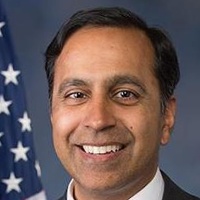
Raja Krishnamoorthi
Representative
IL
Raja Krishnamoorthi
Representative
IL
The **988 LGBTQ+ Youth Access Act of 2025** addresses the high rates of suicide risk among LGBTQ youth by strengthening specialized support through the national crisis hotline. This bill mandates that dedicated resources and services, such as a specific dialing option, must be maintained for LGBTQ individuals contacting 988. Furthermore, it requires that at least 9 percent of appropriated funds for the hotline be specifically reserved to ensure these specialized services for LGBTQ youth remain fully operational.
This constitutional amendment grants Congress and the states the authority to regulate campaign contributions and expenditures, and to establish public financing systems for political campaigns.
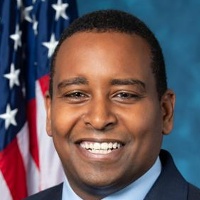
Joe Neguse
Representative
CO
Joe Neguse
Representative
CO
This constitutional amendment seeks to grant Congress and the states the authority to regulate contributions and expenditures in political campaigns. It specifically allows for the establishment of public financing systems to offset the influence of private money in elections. The amendment ensures that any regulations enacted must not infringe upon the freedom of the press.
This bill amends the Social Security Act to provide Medicare coverage for FDA-approved multi-cancer early detection screening tests starting in 2028.
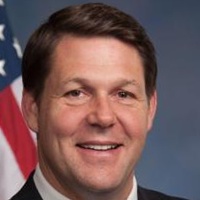
Jodey Arrington
Representative
TX
Jodey Arrington
Representative
TX
The Nancy Gardner Sewell Medicare Multi-Cancer Early Detection Screening Coverage Act amends the Social Security Act to provide Medicare Part B coverage for multi-cancer early detection screening tests starting January 1, 2028. This legislation establishes clear criteria for qualifying tests and outlines payment structures to ensure beneficiaries have access to these advanced diagnostic tools. Importantly, this coverage is designed to complement, rather than replace, existing Medicare-covered cancer screenings.
This Act mandates that new passenger motor vehicles sold in the U.S. must include standard equipment capable of receiving AM broadcast radio signals.

Gus Bilirakis
Representative
FL
Gus Bilirakis
Representative
FL
The AM Radio for Every Vehicle Act of 2025 mandates that the Secretary of Transportation establish a rule requiring AM broadcast radio receivers to be installed as standard equipment in new passenger motor vehicles. This requirement aims to ensure public access to AM radio signals, which are often used for emergency alerts. The bill also directs a GAO study on the effectiveness of AM radio within the national emergency alert system compared to other technologies. Finally, the Act preempts state and local laws on this matter and includes a sunset provision eight years after enactment.