Legislative Activity
Track Salud's sponsored bills, co-sponsored legislation, and voting record
The Treat and Reduce Obesity Act of 2025 expands Medicare coverage for intensive behavioral therapy for obesity and mandates Part D coverage for certain weight management medications for eligible beneficiaries.

Mike Kelly
Representative
PA
Mike Kelly
Representative
PA
The Treat and Reduce Obesity Act of 2025 aims to combat the growing obesity epidemic, particularly among older adults, by expanding access to intensive behavioral therapy under Medicare. This bill mandates that Medicare Part D plans begin covering FDA-approved medications for obesity and weight management in individuals with related health conditions. Finally, it requires the Secretary of HHS to report regularly to Congress on the implementation and coordination of these new obesity treatment strategies.
This bill extends the maximum holding period for certain real estate assets for Federal credit unions from 15 to 20 years and clarifies loan eligibility language.
Scott Fitzgerald
Representative
WI
Scott Fitzgerald
Representative
WI
The Expanding Access to Lending Options Act directs the National Credit Union Administration (NCUA) to prioritize the safety and soundness of federally chartered credit unions. This legislation primarily amends the Federal Credit Union Act by extending the maximum holding period for certain real estate assets from 15 to 20 years. It also clarifies the eligibility language for property involved in these real estate loans.
This Act prohibits the use of "panic defenses" in federal court that attempt to excuse or mitigate crimes based on a victim's sexual orientation or gender identity.

Chris Pappas
Representative
NH
Chris Pappas
Representative
NH
The LGBTQ+ Panic Defense Prohibition Act of 2025 bans the use of "panic defenses" in federal court, which attempt to excuse or lessen a defendant's culpability for a crime based on the victim's sexual orientation or gender identity. This legislation recognizes that these outdated defenses rely on prejudice and undermine justice for LGBTQ+ individuals. The Act also requires the Attorney General to report annually on violent federal crimes motivated by bias against LGBTQ+ people.
The STRONG Act doubles the maximum loan amounts available for both SBA 7(a) small business loans and development company loans to support national growth.
Mark Alford
Representative
MO
Mark Alford
Representative
MO
The Supporting Trade and Rebuilding Opportunity for National Growth Act, or STRONG Act, significantly increases the maximum loan amounts available through key Small Business Administration (SBA) programs. Specifically, it doubles the maximum size for standard 7(a) loans from $\$3.75$ million to $\$7.5$ million. Additionally, the bill raises the maximum loan amount for development company loans from $\$5$ million to $\$10$ million. These changes aim to provide greater capital access for small business growth and development.
This resolution formally recognizes the history, achievements, and ongoing struggles of the LGBTQIA+ community while encouraging the celebration of Pride Month and affirming that LGBTQIA+ rights are human rights.

Al Green
Representative
TX
Al Green
Representative
TX
This resolution formally recognizes the history, achievements, and ongoing struggles of the LGBTQIA+ community in the United States. It serves as a declaration by Congress affirming that LGBTQIA+ rights are human rights and encouraging the celebration of Pride Month. The bill highlights key historical milestones, legal victories, and acknowledges the persistent challenges and violence faced by the community. Ultimately, it commits the U.S. to continuing the pursuit of full equality for all citizens.
The Equal Dignity for Married Taxpayers Act updates the Internal Revenue Code by replacing gendered language with gender-neutral terms to ensure consistent and equal application of tax laws for all legally married couples.
Becca Balint
Representative
VT
Becca Balint
Representative
VT
The Equal Dignity for Married Taxpayers Act modernizes the Internal Revenue Code by replacing gendered language with gender-neutral terms for all legally married couples. This sweeping update ensures consistency across tax rules regarding filing status, deductions, and credits, regardless of the spouses' genders. The bill clarifies that married couples are often treated as a single entity for specific tax purposes. Ultimately, this legislation updates terminology to reflect equal dignity for all married taxpayers.
This resolution expresses Congressional support for LGBTQI+ equality and designates June 26th as "LGBTQI+ Equality Day" to commemorate key legal victories and highlight the need for further anti-discrimination legislation.

Suzan DelBene
Representative
WA
Suzan DelBene
Representative
WA
This resolution expresses the House's support for the rights and freedoms of LGBTQI+ individuals across the United States. It recognizes key Supreme Court decisions that advanced equality and highlights the ongoing need for comprehensive legal protections against discrimination. Finally, the bill proposes designating June 26th as "LGBTQI+ Equality Day" to commemorate these legal victories.
The PRIDE Act of 2025 extends the deadline for certain married couples to file joint tax returns based on past marriage recognition and updates the Internal Revenue Code with gender-neutral language for all married individuals.
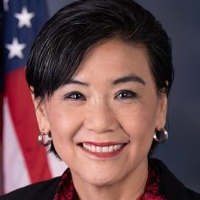
Judy Chu
Representative
CA
Judy Chu
Representative
CA
The PRIDE Act of 2025 aims to update the Internal Revenue Code to ensure equal treatment and inclusive language for all married couples. It extends the deadline for certain legally married couples to file amended joint tax returns following past recognition changes. Furthermore, the bill systematically replaces gendered terms like "husband," "wife," and "his" with gender-neutral language such as "spouse" and "individual" across numerous tax provisions. These changes ensure consistent, equitable application of tax law regardless of gender identity.
The CONNECT for Health Act of 2025 permanently expands Medicare telehealth access by removing geographic restrictions, increasing practitioner flexibility, bolstering program integrity, and mandating supports for quality remote care delivery.
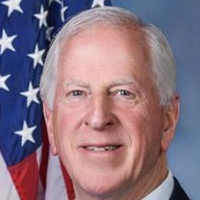
Mike Thompson
Representative
CA
Mike Thompson
Representative
CA
The CONNECT for Health Act of 2025 significantly expands and permanently secures access to Medicare telehealth services by eliminating outdated geographic restrictions and allowing more practitioners to offer remote care. The bill also strengthens program integrity by dedicating funds for telehealth oversight while clarifying rules around providing necessary technology to patients. Finally, it mandates the creation of tailored educational resources and public reporting to improve quality measurement and transparency in remote care delivery.
This Act mandates that federal officers involved in border security or immigration enforcement must clearly display identification, wear visible uniforms or badges, and not conceal their faces during detentions or arrests.

Dan Goldman
Representative
NY
Dan Goldman
Representative
NY
The No Secret Police Act of 2025 mandates that federal officers engaged in border security or immigration enforcement must clearly display identification, wear visible badges or uniforms, and refrain from wearing face coverings during detentions or arrests. This ensures accountability by requiring clear identification from Department of Homeland Security (DHS) personnel. The bill also requires the Secretary of Homeland Security to report on current tactical gear policies and research methods to improve officer visibility.
This resolution recognizes the right to peaceful protest while condemning violence and criticizing the federal government's controversial deployment of military forces during recent Los Angeles demonstrations.

Nanette Barragán
Representative
CA
Nanette Barragán
Representative
CA
This resolution formally recognizes the constitutional right to peaceful protest while strongly condemning violence and illegal acts committed during demonstrations. It criticizes the federal government's deployment of military forces during recent events, arguing the actions were an overreach that bypassed proper legal and state authority. Ultimately, the bill asserts the importance of transparency in law enforcement and denounces rhetoric that escalates community tensions.
This bill establishes the Office of Public Engagement and Participation within the NRC to support and advocate for public involvement in regulatory proceedings, including providing financial assistance for participation costs under specific conditions.
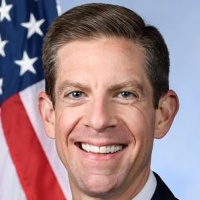
Mike Levin
Representative
CA
Mike Levin
Representative
CA
The NRC Office of Public Engagement and Participation Act of 2025 establishes a new office within the Nuclear Regulatory Commission (NRC) dedicated to facilitating public involvement in NRC proceedings. This office will provide educational, legal, and technical assistance to the public and advocate for public interest within the agency. Furthermore, the Act authorizes the NRC to reimburse reasonable public participation costs in significant proceedings for those facing financial hardship.
This Act expands healthcare access by ensuring lawfully present immigrants are eligible for federal health programs, treating federally authorized presence as lawful presence for coverage, and giving states the option to cover undocumented individuals under Medicaid and CHIP.

Pramila Jayapal
Representative
WA
Pramila Jayapal
Representative
WA
The Health Equity and Access under the Law for Immigrant Families Act of 2025 aims to significantly expand healthcare access for immigrants legally residing in the U.S. by ensuring eligibility for federal health programs like Medicaid and CHIP, removing state restrictions for permanent residents, and treating federally authorized presence as lawful presence for coverage purposes. The bill also provides states the option to extend Medicaid and CHIP coverage to individuals without lawful status. Furthermore, it removes citizenship barriers preventing certain non-citizens from accessing ACA marketplace subsidies and updates Medicare eligibility rules.
This Act prohibits states from interfering with or penalizing individuals who provide, receive, or facilitate abortion services that are legal in the state where the service occurs, including interstate travel for such care.

Lizzie Fletcher
Representative
TX
Lizzie Fletcher
Representative
TX
The Ensuring Women’s Right to Reproductive Freedom Act prohibits states from interfering with or retaliating against individuals who provide or receive abortion services that are legal in the state where the service occurs. This protection extends to interstate travel for legal abortion care and the movement of FDA-approved abortion-related drugs across state lines. Individuals harmed by violations can sue in federal court for damages and legal fees.
The Women’s Health Protection Act of 2025 establishes a federal right to access abortion services before fetal viability and protects the right to travel for care, overriding state restrictions that place burdens on abortion access not imposed on comparable medical procedures.
Judy Chu
Representative
CA
Judy Chu
Representative
CA
The Women’s Health Protection Act of 2025 establishes a federal statutory right to access abortion services, prohibiting medically unnecessary restrictions that impede care before fetal viability. This Act protects the right of patients to travel across state lines to receive reproductive healthcare and allows providers to offer services free from state interference that conflicts with established medical standards. It preempts conflicting state and local laws and provides robust enforcement mechanisms for individuals and the Attorney General to challenge violations.
The Break the Cycle of Violence Act establishes federal frameworks within HHS and the Department of Labor to fund community-based violence intervention programs and provide job training for opportunity youth in high-violence areas.
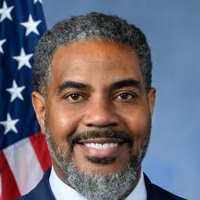
Steven Horsford
Representative
NV
Steven Horsford
Representative
NV
The Break the Cycle of Violence Act establishes federal frameworks within HHS and the Department of Labor to address community violence through prevention and economic opportunity. Title I creates grants for community-based violence intervention programs focused on evidence-based, trauma-responsive care, while Title II funds job training for opportunity youth in high-violence areas. Overall, the bill aims to reduce violence by investing in local services and creating pathways to employment rather than relying solely on incarceration.
The Downpayment Toward Equity Act of 2025 establishes a HUD grant program to provide financial assistance for down payments and closing costs to first-time, first-generation homebuyers.

Maxine Waters
Representative
CA
Maxine Waters
Representative
CA
The Downpayment Toward Equity Act of 2025 establishes a new HUD grant program to provide downpayment and closing cost assistance to first-time, first-generation homebuyers. Funds will be distributed to states and eligible entities based on need and the number of qualified buyers in their area. Assistance is capped per buyer and requires mandatory homeownership counseling, with strict rules governing eligible mortgages and primary residency requirements.
The MONARCH Act of 2025 establishes a dedicated fund and grant program to urgently restore habitat and implement conservation plans for the critically declining Western Monarch Butterfly population.
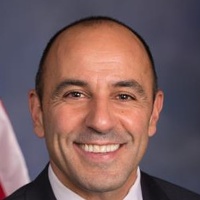
Jimmy Panetta
Representative
CA
Jimmy Panetta
Representative
CA
The MONARCH Act of 2025 addresses the critical decline of the western monarch butterfly population, which has dropped by over 99% in recent decades due to habitat loss and climate change. This bill establishes the Western Monarch Butterfly Rescue Fund to provide grants for habitat restoration projects led by local and Tribal entities. Furthermore, it mandates the implementation of the existing Western Monarch Butterfly Conservation Plan through a partnership with the National Fish and Wildlife Foundation. Finally, the Secretary of the Interior must submit an annual report to Congress detailing the status of the butterflies and the effectiveness of funded conservation efforts.
This bill updates federal ocean acidification research and monitoring to enhance collaboration with coastal communities, including mandated coordination and representation for Indian Tribes and Native Hawaiian organizations.

Chellie Pingree
Representative
ME
Chellie Pingree
Representative
ME
The Coastal Communities Ocean Acidification Act of 2025 amends existing federal law to significantly enhance collaboration on ocean acidification research and monitoring. This bill mandates increased input from diverse stakeholders, including industry, coastal networks, and Indigenous groups, in guiding federal research priorities. Furthermore, it restructures the Advisory Board to ensure stronger representation from Tribal entities and requires the development of specific coordination policies with affected Tribes. The legislation also directs NOAA to prioritize collaboration with State, local, and Tribal governments when conducting vulnerability assessments.
This act exempts qualifying small businesses from special import duties or fees imposed by the President during a declared national emergency.
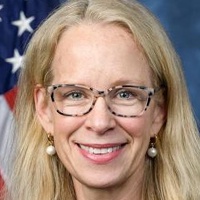
Kelly Morrison
Representative
MN
Kelly Morrison
Representative
MN
The Small Business Liberation Act exempts qualifying small businesses from special duties or fees imposed by the President following a national emergency declaration. This provision ensures that small businesses are not burdened by extra import costs triggered during times of national crisis.