
Legislative Activity
Track Steve's sponsored bills, co-sponsored legislation, and voting record
The Keep the Heat On Act of 2025 ensures continued funding for the Low-Income Home Energy Assistance Program (LIHEAP) during a federal government shutdown in fiscal year 2026.
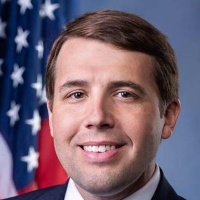
Chris Pappas
Representative
NH
Chris Pappas
Representative
NH
The Keep the Heat On Act of 2025 ensures that the Low-Income Home Energy Assistance Program (LIHEAP) continues to provide vital energy assistance to vulnerable households during a federal government shutdown in fiscal year 2026. This legislation authorizes the Treasury Department to immediately release necessary funds to maintain LIHEAP payments at the same rate as the previous fiscal year. The goal is to prevent disruptions in energy assistance for low-income families during periods of lapsed appropriations.
This act automatically reinstates Department of Energy financial assistance awards that were previously canceled based on the May 15, 2025 Secretarial Memorandum.
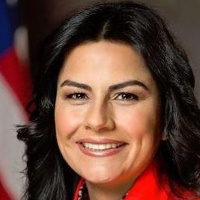
Nanette Barragán
Representative
CA
Nanette Barragán
Representative
CA
The Stop the Trump Electricity Price Hikes Act immediately reinstates financial assistance awards previously canceled by the Department of Energy (DOE). This action specifically reverses cancellations based on the May 15, 2025 Secretarial Memorandum. The bill ensures these awards continue as if they had never been terminated.
This bill prohibits the termination or layoff of career federal civil service employees during a government shutdown due to a lapse in discretionary funding.
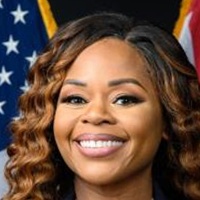
Sheila Cherfilus-McCormick
Representative
FL
Sheila Cherfilus-McCormick
Representative
FL
The Stop Stealing Our Jobs Act prohibits the President or agency heads from firing, laying off, or removing career civil service employees during a government shutdown caused by a lapse in discretionary funding. This protection ensures job security for the career federal workforce, while explicitly excluding political appointees from coverage. The bill clarifies definitions to specify which employees are shielded and which are not.
This bill ensures federal firefighters receive uninterrupted pay during fiscal year 2026 budget delays and protects them from layoffs during government shutdowns.
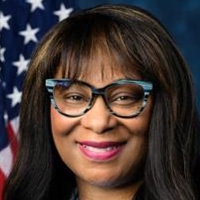
Janelle Bynum
Representative
OR
Janelle Bynum
Representative
OR
The Federal Firefighter Paycheck Protection Act ensures that federal firefighters continue to receive their pay and allowances if Congress delays passing the budget for fiscal year 2026. This legislation also prohibits the reduction in force or layoffs of federal firefighters specifically due to government shutdowns caused by funding lapses. Essentially, this bill protects the paychecks and employment stability of federal firefighters during budget uncertainty.
This resolution expresses support for designating October 1, 2025, as "National Animal Rescue Day" to raise awareness, promote adoption, and encourage spaying and neutering efforts nationwide.
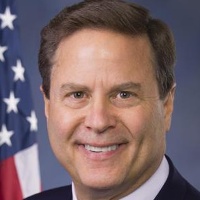
Donald Norcross
Representative
NJ
Donald Norcross
Representative
NJ
This resolution expresses support for designating October 1, 2025, as "National Animal Rescue Day." The goal is to raise awareness about the importance of animal adoption and the critical work of rescue organizations nationwide. This day aims to encourage spaying and neutering efforts to combat pet overpopulation and promote increased animal adoptions.
This Act provides appropriations and mandates contract price adjustments to compensate federal contractor employees for losses incurred due to funding lapses or government shutdowns.
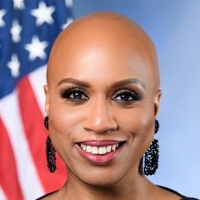
Ayanna Pressley
Representative
MA
Ayanna Pressley
Representative
MA
The Fair Pay for Federal Contractors Act of 2025 ensures that employees of federal contractors are compensated for losses incurred due to government funding lapses or shutdowns. It requires federal agencies to adjust existing contracts to cover reasonable costs associated with furloughs, pay cuts, or mandatory leave taken by contractor employees. The bill appropriates necessary funds to cover these contract price adjustments and mandates public reporting on the compensation provided.
This act expands physical therapists' participation in the National Health Service Corps loan repayment program and ensures Medicare coverage for their services at Rural Health Clinics and Federally Qualified Health Centers.

Diana DeGette
Representative
CO
Diana DeGette
Representative
CO
The Physical Therapist Workforce and Patient Access Act of 2025 aims to increase patient access to physical therapy, recognizing its importance in pain management and recovery. This bill integrates physical therapists into the National Health Service Corps, making them eligible for loan repayment in underserved areas. Furthermore, it mandates that Medicare Rural Health Clinics and Federally Qualified Health Centers cover physical therapy services starting in 2027.
This Act establishes federal grants to fund comprehensive, trauma-informed mental health services and support programs in schools for students facing significant challenges.
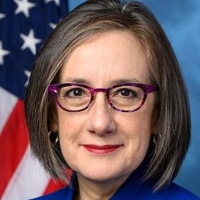
Andrea Salinas
Representative
OR
Andrea Salinas
Representative
OR
The Mental Health Services for Students Act of 2025 establishes a new federal program to provide comprehensive, trauma-informed mental health services and supports in schools through grants and contracts. These funds will support partnerships to implement awareness campaigns, staff training on trauma and suicide risk, and direct student and family treatment. The Secretary must ensure equitable distribution of funding, which is capped at \$2 million per award, with Congress authorized to appropriate \$300 million annually for the initial years.
This resolution officially recognizes the critical disparities in Black youth mental health access and treatment and urges the administration to implement recommendations to address the crisis.
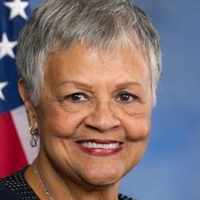
Bonnie Watson Coleman
Representative
NJ
Bonnie Watson Coleman
Representative
NJ
This resolution formally recognizes the critical disparities in mental health access and treatment for Black youth, citing alarming increases in suicide rates among this population. It calls on the current administration to build upon previous efforts and implement recommendations from the *Ring the Alarm* report. The bill specifically urges increased funding, promotion of community education to reduce stigma, and protection of existing mental health service structures.
This joint resolution directs the President to remove U.S. Armed Forces from hostilities against certain designated groups and states unless Congress authorizes the use of force, while preserving the right to self-defense.
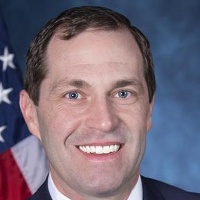
Jason Crow
Representative
CO
Jason Crow
Representative
CO
This joint resolution directs the President to remove U.S. Armed Forces from hostilities initiated after February 20, 2025, against designated terrorist groups or drug trafficking organizations without prior Congressional authorization. It asserts Congress's constitutional power to declare war and finds recent military strikes against vessels lacked proper justification. The bill allows for continued use of forces for self-defense or authorized counternarcotics support, but explicitly states drug trafficking alone does not constitute an armed attack.
This resolution condemns using federal regulatory power or litigation to suppress lawful political speech critical of a party or the President, warning against authoritarianism.
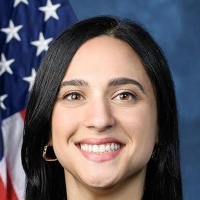
Yassamin Ansari
Representative
AZ
Yassamin Ansari
Representative
AZ
This resolution strongly condemns attempts to use federal regulatory power or litigation to suppress lawful speech critical of a political party or the President. It reaffirms the fundamental importance of the First Amendment and warns that such actions resemble tactics used by authoritarian regimes. The bill urges government agencies to protect free expression and ensure accountability, not political censorship.
This bill establishes federal oversight, led by the FTC, requiring large entities to conduct impact assessments and report on high-stakes "covered algorithms" to ensure fairness and mitigate consumer harm.
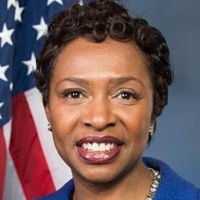
Yvette Clarke
Representative
NY
Yvette Clarke
Representative
NY
The Algorithmic Accountability Act of 2025 establishes federal oversight for large entities using complex automated systems, or "covered algorithms," that impact critical consumer decisions like employment or housing. It mandates that these entities conduct rigorous, ongoing impact assessments to test for bias, privacy risks, and performance issues. The Federal Trade Commission (FTC) is tasked with creating detailed regulations and enforcing compliance, including requiring covered entities to submit annual summary reports detailing their assessment findings. This Act ensures that significant algorithmic decisions are scrutinized for fairness and transparency without overriding stricter state or local regulations.
The Safe Step Act mandates that group health plans using medication step therapy establish clear, timely exception processes for patients and doctors when required drugs are medically inappropriate or ineffective.
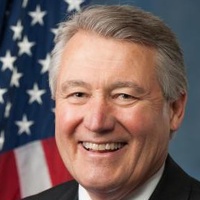
Rick Allen
Representative
GA
Rick Allen
Representative
GA
The Safe Step Act establishes mandatory, transparent exception processes for health plans that use "step therapy" protocols for prescription drugs. This ensures patients or their doctors can quickly request coverage for a prescribed medication when specific clinical criteria are met, such as previous treatment failure or risk of harm. Plans must decide on standard requests within 72 hours and urgent requests within 24 hours, and approved exceptions must last for at least one year. Furthermore, insurers must report detailed data annually on exception requests, approvals, and denials to the Secretary of Health and Human Services.
This bill mandates that federally funded higher education institutions update their harassment policies to explicitly cover technology-facilitated harassment and establishes a competitive grant program to fund anti-harassment initiatives.
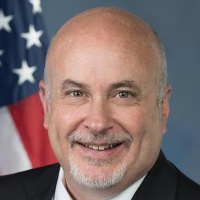
Mark Pocan
Representative
WI
Mark Pocan
Representative
WI
The Tyler Clementi Higher Education Anti-Harassment Act of 2025 mandates that colleges receiving federal funds update their policies to explicitly prohibit and detail procedures for addressing harassment based on protected characteristics, including technology-facilitated abuse. The bill also establishes a competitive grant program, funded up to $50 million annually, to support campus efforts in harassment prevention, training, and support services. This legislation adds new requirements without superseding existing civil rights protections.
This Act mandates that most health insurance plans, Medicare Part D, Medicaid, and CHIP must cover specific, currently recommended vaccines without out-of-pocket costs for a limited time.

Frank Pallone
Representative
NJ
Frank Pallone
Representative
NJ
The Protecting Free Vaccines Act mandates that most private health insurance plans must cover specific vaccines recommended by the CDC's Advisory Committee on Immunization Practices (ACIP) without any out-of-pocket costs until January 1, 2030. This requirement also updates coverage rules for Medicare Part D, Medicaid, and CHIP to ensure continuity of coverage for these recommended immunizations. The bill locks in coverage based on the ACIP recommendations in place as of October 25, 2024, across various federal health programs.
This bill establishes a six-year pilot program for selected hospitals to provide medically tailored, home-delivered meals and nutrition therapy to high-risk Medicare patients upon discharge to reduce hospital readmissions.
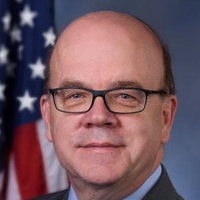
James McGovern
Representative
MA
James McGovern
Representative
MA
This bill establishes a six-year pilot program for hospitals to provide medically tailored, home-delivered meals and nutrition therapy to eligible Medicare patients upon discharge. The goal is to improve health outcomes and reduce hospital readmissions for individuals with diet-sensitive conditions who have difficulty with daily living activities. Participating hospitals will receive payment for these services, which must be provided at no out-of-pocket cost to the patient. The Secretary of Health and Human Services will evaluate the program's effectiveness using data collected from the participating sites.
This bill amends the Social Security Act to provide Medicare coverage for FDA-approved multi-cancer early detection screening tests starting in 2028.
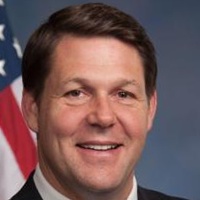
Jodey Arrington
Representative
TX
Jodey Arrington
Representative
TX
The Nancy Gardner Sewell Medicare Multi-Cancer Early Detection Screening Coverage Act amends the Social Security Act to provide Medicare Part B coverage for multi-cancer early detection screening tests starting January 1, 2028. This legislation establishes clear criteria for qualifying tests and outlines payment structures to ensure beneficiaries have access to these advanced diagnostic tools. Importantly, this coverage is designed to complement, rather than replace, existing Medicare-covered cancer screenings.
This constitutional amendment grants Congress and the states the authority to regulate campaign contributions and expenditures, and to establish public financing systems for political campaigns.
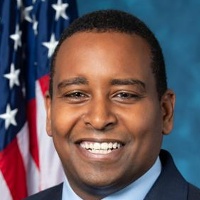
Joe Neguse
Representative
CO
Joe Neguse
Representative
CO
This constitutional amendment seeks to grant Congress and the states the authority to regulate contributions and expenditures in political campaigns. It specifically allows for the establishment of public financing systems to offset the influence of private money in elections. The amendment ensures that any regulations enacted must not infringe upon the freedom of the press.
This bill ensures Medicare coverage for certain breakthrough medical devices during a four-year transitional period while accelerating the final coverage decision process.
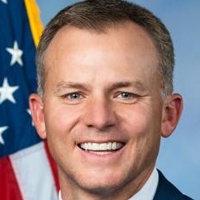
Blake Moore
Representative
UT
Blake Moore
Representative
UT
This Act, the Ensuring Patient Access to Critical Breakthrough Products Act, aims to speed up Medicare coverage for innovative, FDA-approved "breakthrough devices." It establishes a process for manufacturers to gain a four-year transitional coverage period for these devices, ensuring patients have timely access while long-term coverage decisions are finalized. The bill also allocates funding to CMS to manage these expedited reviews and allows for oversight of provider billing practices related to these new technologies.
This bill mandates dedicated, funded resources for specialized 988 Suicide Prevention Lifeline services for LGBTQ+ youth.
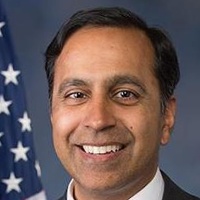
Raja Krishnamoorthi
Representative
IL
Raja Krishnamoorthi
Representative
IL
The **988 LGBTQ+ Youth Access Act of 2025** addresses the high rates of suicide risk among LGBTQ youth by strengthening specialized support through the national crisis hotline. This bill mandates that dedicated resources and services, such as a specific dialing option, must be maintained for LGBTQ individuals contacting 988. Furthermore, it requires that at least 9 percent of appropriated funds for the hotline be specifically reserved to ensure these specialized services for LGBTQ youth remain fully operational.