
Legislative Activity
Track Steve's sponsored bills, co-sponsored legislation, and voting record
This Act mandates the full staffing and funding of NOAA, reinstates critical weather tracking tools, and prevents cuts to essential climate disaster preparedness programs.
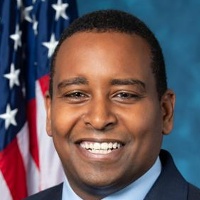
Joe Neguse
Representative
CO
Joe Neguse
Representative
CO
The Protect Americans from Climate Disasters Act addresses the increasing danger from severe weather events driven by climate change. This bill mandates that the National Oceanic and Atmospheric Administration (NOAA) be fully staffed, including reinstating recently departed employees, to ensure accurate forecasting and public alerts. Furthermore, it secures specific funding for NOAA in Fiscal Year 2026 and requires the immediate reinstatement of critical data tools, such as the Billion-Dollar Weather and Climate Disasters tracker.
This resolution officially establishes August 20th as Original Slavery Remembrance Day to recognize the history of slavery, honor those who fought against it, and acknowledge its lasting effects.
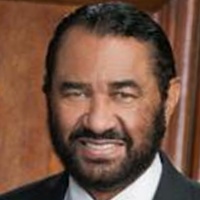
Al Green
Representative
TX
Al Green
Representative
TX
This resolution officially establishes August 20th as **Original Slavery Remembrance Day** to formally recognize and condemn the history of slavery in the U.S. and globally. It commemorates the lives of enslaved people, honors historical figures who fought for freedom, and acknowledges the lasting effects of slavery on contemporary society. The resolution requests the President to issue a proclamation calling for appropriate national observance of this day.
The Keep Seniors Fed Act amends the Food and Nutrition Act of 2008 to include Title II Social Security payments when calculating eligibility for food assistance benefits.
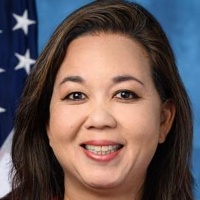
Jill Tokuda
Representative
HI
Jill Tokuda
Representative
HI
The Keep Seniors Fed Act makes technical amendments to the Food and Nutrition Act of 2008 regarding how income is calculated for food assistance eligibility. Specifically, it mandates that income received under Title II of the Social Security Act must now be counted when determining eligibility for benefits. These changes will take effect 90 days after the bill is signed into law.
This Act prohibits grocery stores from price gouging, using personal surveillance data to set individualized prices, and mandates disclosure of facial recognition use, while banning electronic shelf labels in larger stores.
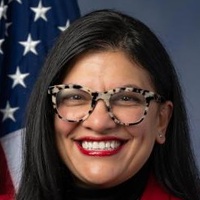
Rashida Tlaib
Representative
MI
Rashida Tlaib
Representative
MI
The Stop Price Gouging in Grocery Stores Act of 2025 aims to protect consumers by prohibiting grocery stores from charging "grossly excessive" prices for food items. The bill also bans stores from adjusting prices based on personal tracking data, such as facial recognition, and requires clear signage if facial recognition technology is used. Furthermore, it mandates that large physical grocery stores must use printed signs instead of electronic shelf labels for displaying prices.
This bill changes how Social Security cost-of-living adjustments are calculated using a new index for the elderly and modifies contribution rules to tax some earnings above the current base limit while potentially increasing future benefits.
Jill Tokuda
Representative
HI
Jill Tokuda
Representative
HI
The Protecting and Preserving Social Security Act aims to strengthen the Social Security system through two main avenues. Title I mandates the creation of a new Consumer Price Index for Elderly Consumers to be used for calculating future cost-of-living adjustments (COLAs). Title II modifies contribution rules by counting a small portion of wages and self-employment income earned above the current base limit after 2025, and it adjusts the benefit formula to potentially increase benefits based on these surplus earnings. These changes are designed to ensure COLAs more accurately reflect senior spending and to increase revenue for the system.
This Act establishes new federal grants to help public wastewater treatment plants upgrade their systems to treat or eliminate emerging contaminants like PFAS.
Hillary Scholten
Representative
MI
Hillary Scholten
Representative
MI
The Public Utility Remediation and Enhancement for Water Act establishes a new federal grant program administered by the EPA to help public wastewater treatment plants upgrade facilities. These grants specifically target the planning, design, and construction needed to treat or eliminate emerging contaminants like PFAS chemicals. The federal government will cover at least 75% of eligible project costs to improve water quality.
This Act mandates that the U.S. government's annual human rights reports abroad must include detailed findings on the status of reproductive rights, aligning U.S. foreign policy with international human rights standards.
Julie Johnson
Representative
TX
Julie Johnson
Representative
TX
The Reproductive Rights are Human Rights Act of 2025 establishes that reproductive rights are fundamental human rights based on international commitments. This bill mandates that the State Department must include a detailed, required section on the status of reproductive rights in every country within its annual human rights reports. These reports must cover access to contraception, abortion services, and instances of reproductive coercion or discrimination against marginalized groups. The Act aims to ensure robust U.S. monitoring and accountability regarding global reproductive health and autonomy.
This bill establishes grants for local election offices to procure and maintain electronic pollbooks and develop systems for reporting real-time voter wait times for federal elections.

Jasmine Crockett
Representative
TX
Jasmine Crockett
Representative
TX
The SWIFT VOTE Act establishes a \$120 million grant program through the Election Assistance Commission (EAC) to help local election offices procure and maintain electronic pollbooks (e-pollbooks). These funds prioritize offices that commit to using the technology to track and publicly report voter wait times for federal elections. Grantees must ensure e-pollbooks meet certification standards and develop training programs focused on accessible technology use.
This act mandates that the Department of Veterans Affairs must provide abortion care, counseling, and related services and medication to eligible veterans and certain other individuals.
Julia Brownley
Representative
CA
Julia Brownley
Representative
CA
The Reproductive Freedom for Veterans Act mandates that the Department of Veterans Affairs (VA) must now provide abortion care, counseling, and related medication as part of the medical services offered to eligible veterans and certain other beneficiaries. This legislation formally amends existing VA health care provisions to include these reproductive health services.
This bill repeals specific prior health reconciliation provisions and expands eligibility for the Premium Tax Credit by removing the 400% income cap and adjusting the subsidy calculation formula.
Adam Gray
Representative
CA
Adam Gray
Representative
CA
The Protecting Health Care and Lowering Costs Act of 2025 repeals specific prior reconciliation health provisions. This bill significantly expands eligibility for the Premium Tax Credit by eliminating the 400% Federal Poverty Level income cap. It also updates the subsidy calculation formula to ensure a smoother, linear adjustment of assistance across various income levels.
The ENFORCE Act strengthens laws against child exploitation by clarifying the crime of producing child pornography involving interstate commerce and enhancing enforcement, including removing the statute of limitations, mandating sex offender registration, and strengthening pretrial detention for offenses involving obscene visual representations of child sexual abuse.
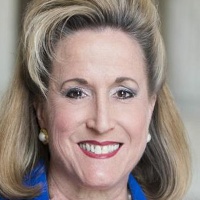
Ann Wagner
Representative
MO
Ann Wagner
Representative
MO
The ENFORCE Act strengthens federal laws against child exploitation by clarifying the crime of producing child pornography intended for interstate commerce. It also significantly enhances enforcement for crimes involving obscene visual representations of child sexual abuse. These enhancements include removing the statute of limitations for prosecution, mandating sex offender registration, and establishing a presumption of pretrial detention for those charged.
The EATS Act of 2025 expands eligibility for SNAP benefits by removing previous restrictions for students enrolled at least half-time in recognized educational programs.
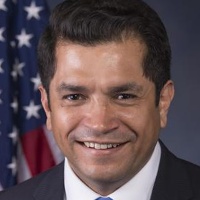
Jimmy Gomez
Representative
CA
Jimmy Gomez
Representative
CA
The EATS Act of 2025 significantly updates eligibility for the Supplemental Nutrition Assistance Program (SNAP) by removing previous restrictions that often disqualified students. This legislation explicitly includes bona fide students enrolled at least half-time in recognized educational programs as eligible participants for food assistance. These changes take effect on January 2, 2026.
This resolution supports Minority Mental Health Awareness Month by recognizing the disproportionate mental health struggles and access barriers faced by minority populations and urging increased focus on culturally competent care.
Jasmine Crockett
Representative
TX
Jasmine Crockett
Representative
TX
This resolution supports Minority Mental Health Awareness Month by recognizing the disproportionate impact of mental health conditions on minority populations. It highlights significant racial disparities in mental health experiences and barriers to culturally competent care. The bill calls on the President to increase efforts to improve access to mental health services that specifically address the unique cultural and social challenges faced by minority communities.
This act repeals the prohibition on Medicaid payments to certain healthcare entities and mandates retroactive payment for services already rendered under the repealed ban.
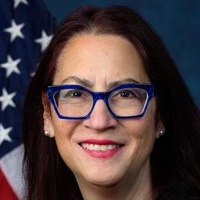
Laura Friedman
Representative
CA
Laura Friedman
Representative
CA
The Restoring Essential Healthcare Act repeals an outdated ban that prevented Medicaid from making payments to certain healthcare providers. This legislation ensures that these previously prohibited entities will now be reimbursed for medical services rendered between the enactment of the original ban and the passage of this Act. In short, it restores payment eligibility and retroactively covers past services.
This bill prohibits the Department of Transportation from using, procuring, or contracting for LiDAR technology originating from specified foreign adversaries.
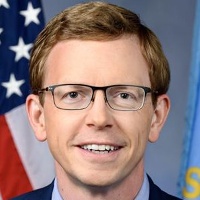
Dusty Johnson
Representative
SD
Dusty Johnson
Representative
SD
The Securing Infrastructure from Adversaries Act of 2025 prohibits the Department of Transportation (DOT) from procuring or contracting for the use of certain foreign-made LiDAR technology identified in related defense legislation. This ban applies to purchases, contracts, and the use of federal loan or grant funds for this restricted technology, generally beginning in mid-2026. The Secretary of Transportation may only waive this prohibition if it is certified to be in the national interest of the United States. Certain safety testing and regulatory exemption activities remain exempt from these restrictions.
This Act eliminates age restrictions and simplifies premium requirements for adult children covered under the TRICARE Young Adult program.
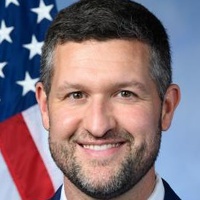
Patrick Ryan
Representative
NY
Patrick Ryan
Representative
NY
The Health Care Fairness for Military Families Act of 2025 significantly improves the TRICARE Young Adult (TYA) program for military dependents. This legislation eliminates the age restriction for TYA eligibility and removes the separate premium requirement for coverage. These changes aim to provide broader and simpler healthcare access for adult children of service members.
This resolution expresses the sense of Congress in supporting the designation of July as Disability Pride Month to recognize the contributions of people with disabilities and combat discrimination.
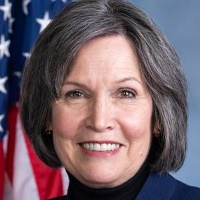
Betty McCollum
Representative
MN
Betty McCollum
Representative
MN
This resolution officially expresses the support of Congress for designating July as Disability Pride Month nationwide. It recognizes the significant contributions of people with disabilities while acknowledging ongoing discrimination. The bill encourages the public and organizations to observe the month through appropriate celebrations and by actively working to prevent exclusion.
This Act establishes a federal grant program to fund community-based mentoring initiatives for children and young adults who are currently in or have aged out of the foster care system.
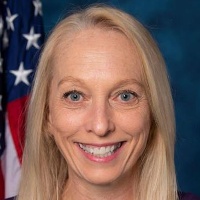
Mary Scanlon
Representative
PA
Mary Scanlon
Representative
PA
The Foster Youth Mentoring Act of 2025 establishes a new federal grant program to fund community-based organizations that provide structured, long-term mentoring for children and young adults who are currently or formerly in foster care. These grants aim to expand high-quality mentoring relationships, requiring rigorous mentor training, thorough background screening, and significant input from youth with lived experience. The goal is to improve outcomes for foster youth in areas like education, mental health, and successful transition to adulthood.
This act establishes a new, potentially transferable, refundable tax credit of up to $15,000 for first-time homebuyers, subject to income, price limits, and a four-year recapture provision.
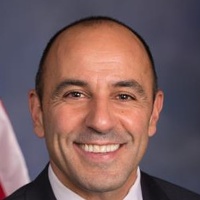
Jimmy Panetta
Representative
CA
Jimmy Panetta
Representative
CA
The First-Time Homebuyer Tax Credit Act of 2025 establishes a new, refundable tax credit for eligible first-time homebuyers, equal to 10% of the purchase price, up to a maximum of $15,000. This credit is subject to income and home price phase-outs based on local median figures. Homebuyers may elect to transfer this credit directly to their mortgage lender at closing in exchange for immediate cash. The bill also includes recapture provisions requiring repayment if the home is sold within four years.
The BIKE Act of 2025 allows states to use federal highway safety funds for on-bicycle education in schools and mandates updated national guidelines emphasizing safe cycling skills and helmet use for students.
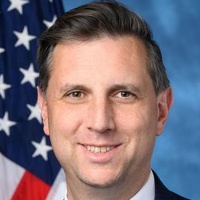
Seth Magaziner
Representative
RI
Seth Magaziner
Representative
RI
The BIKE Act of 2025 aims to enhance bicycle safety education for students across the country. It allows states to use federal highway safety funds to provide on-bicycle safety training in elementary and secondary schools. Furthermore, the bill mandates the Secretary to update federal safety guidelines to emphasize comprehensive on-bicycle training, traffic rules, and helmet use for young riders. The Secretary must also consult with educators and report back to Congress on the implementation of these new safety standards.