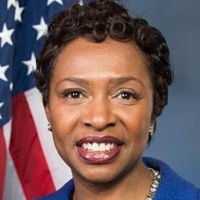
Legislative Activity
Track Yvette's sponsored bills, co-sponsored legislation, and voting record
This bill mandates regular testing and public reporting of nearby drinking water sources for all hydraulic fracturing operations that inject fluids underground.

Janice Schakowsky
Representative
IL
Janice Schakowsky
Representative
IL
The Safe Hydration is an American Right in Energy Development Act of 2025 amends the Safe Drinking Water Act to establish new testing and reporting requirements for hydraulic fracturing (fracking) operations. This bill prohibits fracking injection unless operators agree to test nearby underground drinking water sources according to a set schedule and submit results to the EPA. The EPA is required to create a publicly accessible database of all submitted test results.
The CLEANER Act of 2025 mandates the EPA to review and regulate oil, gas, and geothermal production wastes under the Solid Waste Disposal Act, potentially classifying them as hazardous waste or establishing stricter standards for non-hazardous disposal.
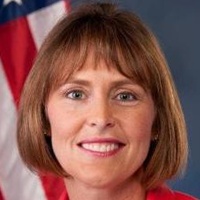
Kathy Castor
Representative
FL
Kathy Castor
Representative
FL
The CLEANER Act of 2025 mandates the Administrator to review and regulate wastes generated from oil, gas, and geothermal energy production under the Solid Waste Disposal Act. This includes determining if these wastes qualify as hazardous and establishing corresponding regulations if they do. For non-hazardous wastes from these industries, the Act requires the revision of criteria for disposal facilities to ensure protection of human health and the environment, including requirements for groundwater monitoring.
The FRESHER Act of 2025 amends water pollution laws to remove certain stormwater permit requirements for oil and gas operations while mandating a study on stormwater runoff contamination from these activities.
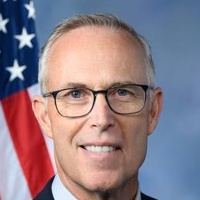
Jared Huffman
Representative
CA
Jared Huffman
Representative
CA
The FRESHER Act of 2025 aims to regulate stormwater runoff from oil, gas, and mining operations under the Federal Water Pollution Control Act. This legislation modifies existing permit requirements and mandates a study by the Secretary of the Interior on the contamination risks associated with this runoff. The resulting report will detail measurable contamination and the susceptibility of groundwater resources to pollution from these operations.
This bill mandates the disclosure of chemicals used in hydraulic fracturing operations to the state both before and after operations, while ensuring immediate disclosure of proprietary formulas during medical emergencies.

Diana DeGette
Representative
CO
Diana DeGette
Representative
CO
The Fracturing Responsibility and Awareness of Chemicals Act of 2025 amends the Safe Drinking Water Act to bring hydraulic fracturing fluid injection under federal regulation. This bill mandates that operators disclose the specific chemicals used before and after fracturing operations to the relevant state authority. Furthermore, it ensures immediate disclosure of proprietary chemical formulas to medical professionals during emergencies.
This resolution expresses support for designating November as Prematurity Awareness Month to highlight the urgent maternal and infant health crisis and the need to prevent preterm births.
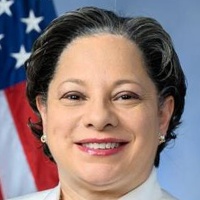
Jennifer McClellan
Representative
VA
Jennifer McClellan
Representative
VA
This resolution expresses support for designating November as Prematurity Awareness Month to highlight the ongoing maternal and infant health crisis in the U.S. It draws attention to alarming rates of preterm birth and unacceptable racial disparities in maternal and infant mortality. The bill advocates for increased investment in research and public health programs to prevent preterm births and reduce associated risk factors.
The Elijah E. Cummings Family Asthma Act aims to reduce the burden of asthma through enhanced CDC activities, including public education, state strategic planning, modernized surveillance, and required reports to Congress.

Debbie Dingell
Representative
MI
Debbie Dingell
Representative
MI
The Elijah E. Cummings Family Asthma Act aims to reduce the significant burden of asthma across the United States, which disproportionately affects vulnerable populations. The bill directs the Centers for Disease Control and Prevention (CDC) to enhance asthma surveillance, education, and the development of State strategic control plans. It authorizes funding to improve the quality and reach of asthma management, focusing on reducing attacks, hospitalizations, and health disparities.
The VA Work-Study Improvement Act expands eligible work-study activities, clarifies minimum wage standards, mandates electronic timesheets, and requires annual publication of program data.
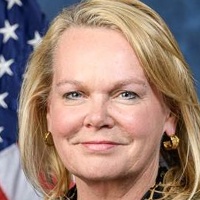
April McClain Delaney
Representative
MD
April McClain Delaney
Representative
MD
The VA Work-Study Improvement Act expands approved work-study locations to include state/local government agencies and nonprofits that benefit veterans. It establishes a clear standard for the minimum hourly wage paid to participants and mandates the use of electronic timesheets. Furthermore, the bill requires the VA to annually publish detailed data regarding the work-study program's activities and participants.
This Act establishes strict standards, training, and reporting requirements for federal immigration enforcement personnel regarding the use of force, identification, and equipment.
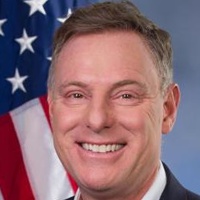
Scott Peters
Representative
CA
Scott Peters
Representative
CA
The Stop Excessive Force in Immigration Act of 2025 establishes strict new standards for the use of non-deadly force by federal immigration personnel, requiring proportionality and de-escalation efforts. The bill mandates identification requirements, restricts the use of certain crowd-control equipment, and imposes new body camera and detailed reporting mandates. Furthermore, it creates affirmative duties for officers to intervene against excessive force and requires annual training on these new policies.
This bill mandates the restoration of free telephone services and communication access for individuals in immigration detention, ensuring contact with family and legal counsel.

Maxine Dexter
Representative
OR
Maxine Dexter
Representative
OR
The Restoring Access for Detainees Act aims to reinstate and expand free communication services for individuals in civil immigration detention. It mandates the provision of free phone calls, including 200 free outgoing minutes monthly, specifically for contacting family and legal counsel. Furthermore, the bill ensures private, unmonitored communication opportunities with attorneys and certain government officials upon arrival in custody.
This bill prevents the sitting President and their immediate family from filing claims under the Federal Tort Claims Act while in office.
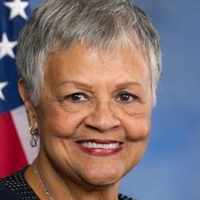
Bonnie Watson Coleman
Representative
NJ
Bonnie Watson Coleman
Representative
NJ
The CORRUPT Act amends the Federal Tort Claims Act to prohibit the sitting President and their immediate relatives from filing claims under that act while in office. This measure specifically prevents the President and covered family members from seeking damages through the Federal Tort Claims Act during their term.
This bill removes numerical limitations on nonimmigrant admissions for individuals employed by the Department of Veterans Affairs or certified State homes.
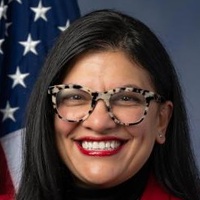
Rashida Tlaib
Representative
MI
Rashida Tlaib
Representative
MI
The Expanding Health Care Providers for Veterans Act removes numerical limitations on nonimmigrant admissions for individuals employed by the Department of Veterans Affairs or a certified State home. This change aims to increase the healthcare workforce available to veterans. The Act also ensures that certain entry restrictions for H-1B nonimmigrants will not apply to these specific healthcare providers.
This resolution commemorates October 2025 as Head Start Awareness Month, recognizing the program's six-decade history of positively impacting over 40 million children and their families through comprehensive support services.

André Carson
Representative
IN
André Carson
Representative
IN
This joint resolution commemorates October 2025 as Head Start Awareness Month to recognize the program's enduring positive impact. It honors Head Start's 60-year legacy of preparing over 40 million children and their families for success through comprehensive health, nutrition, and educational support. The resolution highlights the program's role in promoting long-term academic achievement and empowering parents.
This resolution supports the goals of National Domestic Violence Awareness Month, highlights the pervasive and devastating impact of intimate partner violence across all demographics, and calls for increased funding for prevention and support programs.

Al Green
Representative
TX
Al Green
Representative
TX
This resolution designates October as National Domestic Violence Awareness Month to highlight the widespread and devastating impact of intimate partner violence across all demographics. It recognizes the urgent need to eliminate domestic violence and supports increased funding for intervention and prevention programs. The resolution underscores the severe physical, emotional, and economic toll this abuse takes on individuals, families, and communities.
The Births in Custody Reporting Act of 2025 mandates that states receiving federal funds report detailed, anonymized data on pregnant and postpartum inmates to the Attorney General to improve care and public safety.
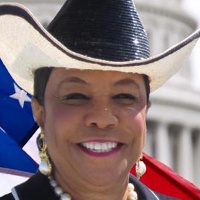
Frederica Wilson
Representative
FL
Frederica Wilson
Representative
FL
The Births in Custody Reporting Act of 2025 mandates that states receiving federal funding must quarterly report detailed, anonymized data to the Attorney General regarding pregnant individuals and those who have given birth in state or local custody. This data includes pregnancy testing, prenatal care, birth outcomes, and the use of restraints during these periods. States failing to comply face potential reductions in federal funding, and the Attorney General must make all reports public and conduct a study on improving inmate care.
This bill requires executive agencies to provide detailed annual reports on their advertising contract expenditures, specifically tracking spending with small, socially and economically disadvantaged, women-owned, and minority-owned businesses.

Eleanor Norton
Representative
DC
Eleanor Norton
Representative
DC
The Federal Government Advertising Equity Accountability Act mandates that executive agencies provide detailed breakdowns of their advertising contract expenditures in their annual budget requests, starting with fiscal year 2027. This new reporting requirement forces agencies to specify total advertising spending alongside amounts directed toward small, socially and economically disadvantaged, women-owned, and minority-owned businesses. The goal is to increase transparency regarding federal advertising investments and equity in contract awards.
This resolution officially recognizes the religious and historical significance of the festival of Diwali for Indian-American communities across the United States.
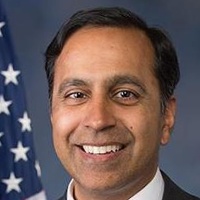
Raja Krishnamoorthi
Representative
IL
Raja Krishnamoorthi
Representative
IL
This resolution formally recognizes the significant religious and historical importance of the festival of Diwali to Indian-American communities across the nation. Congress acknowledges Diwali as the festival of lights, celebrated by Hindus, Sikhs, and Jains for its symbolism of knowledge, peace, and the triumph of good over evil. By passing this, the House expresses respect for the Indian diaspora and appreciates the strong partnership between the United States and India.
This resolution formally recognizes the vital role of Spanish-language media in informing, connecting, and strengthening diverse communities across the United States.
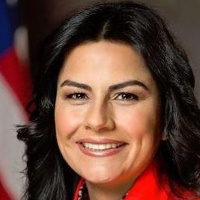
Nanette Barragán
Representative
CA
Nanette Barragán
Representative
CA
This resolution formally recognizes the vital role Spanish-language media plays in informing, educating, and connecting over 41 million Spanish speakers across the United States. It highlights how these outlets strengthen democracy by ensuring broad access to essential information and celebrate the rich cultural contributions of the Latino community. Ultimately, the bill encourages continued support for these crucial media sources nationwide.
This resolution declares the need for increased investment in youth mental health and officially recognizes "Youth Mental Health Day" and "Youth Suicide Prevention Day."
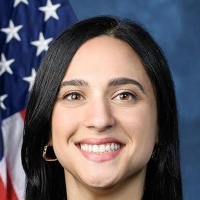
Yassamin Ansari
Representative
AZ
Yassamin Ansari
Representative
AZ
This resolution formally acknowledges the critical state of youth mental health in the U.S., citing alarming rates of anxiety, depression, and suicide. It calls for increased investment in mental health support and encourages the designation of specific days to raise awareness. Ultimately, the bill urges federal, state, and local entities to prioritize comprehensive mental health programs for young people.
This resolution expresses deep concern over the surge in book banning and threats to free expression, urging the immediate restoration of removed materials in federal schools and the repeal of restrictive directives.
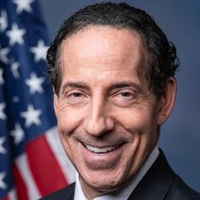
Jamie Raskin
Representative
MD
Jamie Raskin
Representative
MD
This resolution expresses deep concern over the growing trend of book banning and threats to freedom of expression in U.S. schools and libraries. It asserts that such censorship undermines democratic values and harms students by restricting access to diverse ideas and histories. The bill urges local entities to follow best practices for book challenges and calls for the immediate reinstatement of books removed from Department of Defense schools. Ultimately, it reaffirms the nation's commitment to First Amendment rights and the freedom to read.
This Act establishes a grant program to fund community alternatives for mental health crisis response, focusing on health-centered dispatch and specialized response teams.
Bonnie Watson Coleman
Representative
NJ
Bonnie Watson Coleman
Representative
NJ
The Mental Health Crisis Response Act of 2025 establishes a new federal grant program to help local governments create health-centered alternatives for responding to mental health emergencies. These funds will support initiatives like integrating mental health professionals into 911 dispatch and streamlining transfers to crisis hotlines. Grantees must report annually on response times, use of force, and diversion to treatment, while the law explicitly preserves existing law enforcement roles.