This bill removes numerical limitations on nonimmigrant admissions for individuals employed by the Department of Veterans Affairs or certified State homes.
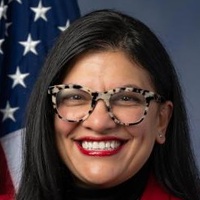
Rashida Tlaib
Representative
MI-12
The Expanding Health Care Providers for Veterans Act removes numerical limitations on nonimmigrant admissions for individuals employed by the Department of Veterans Affairs or a certified State home. This change aims to increase the healthcare workforce available to veterans. The Act also ensures that certain entry restrictions for H-1B nonimmigrants will not apply to these specific healthcare providers.
VA Healthcare Staffing Gets an Immigration Fast Pass: Numerical Caps Lifted for Foreign Medical Workers
If you’ve ever tried to get a timely appointment at a Department of Veterans Affairs (VA) facility, you know that staffing shortages are a real issue. This new bill, the Expanding Health Care Providers for Veterans Act, is a direct shot at solving that problem by cutting through some major immigration red tape.
The VA’s New Recruitment Superpower
What this bill does, in plain English, is remove the numerical cap—the annual limit—on the number of nonimmigrant workers (think H-1B visas, which are often used for highly skilled professionals like doctors and nurses) that the VA and certified State veterans’ homes can hire.
Normally, these visas are subject to a strict annual quota, making it a competitive lottery. But under this Act, if a foreign professional is hired to work at the VA or a certified State home, they bypass that cap entirely. This is a huge deal for the VA’s recruitment efforts. It essentially gives them an open lane to hire the medical staff they need, when they need them, without waiting for the next visa cycle or competing with every other tech company and hospital in the country. The change is set to take effect six months after the bill becomes law.
Cutting Through the Red Tape
This legislation isn't just about lifting the general cap; it also explicitly overrides a specific restriction. The bill states that the Presidential Proclamation from September 19, 2025, which restricted the entry of certain nonimmigrant workers, will not apply to any nonimmigrant hired under this new VA condition. This shows a clear legislative intent to prioritize the staffing needs of veteran healthcare over existing immigration restrictions.
For veterans and their families, this translates into a tangible benefit: potentially shorter wait times for appointments and better access to specialized care. If the VA can fill its vacancies faster, the quality and accessibility of care should improve. For the VA itself, this is a massive tool to compete for talent globally, which is critical given the severe shortages in many medical fields.
Who Benefits and What’s the Catch?
The primary beneficiaries here are, of course, the veterans who rely on the VA and State homes for care. The VA and certified State homes also benefit immensely from the expanded hiring pool. And, naturally, the foreign medical professionals who gain a more direct and reliable path to employment in the U.S. in their specialized fields benefit as well.
Since this exemption is strictly tied to employment at the VA or a certified State home, the bill is highly targeted. The language is pretty clear: work for the VA, and you’re exempt from the cap. This low level of vagueness is good, as it limits confusion during implementation. The only potential issue to watch is how the “certified State home” designation is managed, ensuring that only legitimate, high-quality facilities gain this hiring advantage. Overall, this bill provides a powerful, targeted solution to a persistent healthcare staffing crisis for those who have served.