
Legislative Activity
Track Jim's sponsored bills, co-sponsored legislation, and voting record
The Community Services Block Grant Improvement Act of 2025 updates program goals, redefines eligibility using 200% of the poverty line, sets specific funding levels through 2032, and overhauls state application, oversight, and local agency governance requirements to better combat poverty and promote self-sufficiency.
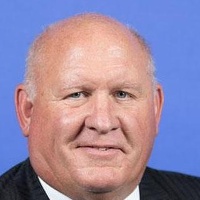
Glenn Thompson
Representative
PA
Glenn Thompson
Representative
PA
The Community Services Block Grant Improvement Act of 2025 aims to strengthen federal efforts to combat poverty by updating the core goals and operational rules of the Community Services Block Grant program. The bill revises definitions, sets a specific annual funding authorization through Fiscal Year 2032, and tightens requirements for state plans and local agency governance, including mandating tripartite boards. Ultimately, these changes seek to ensure grant funds are effectively used by local entities to promote the self-sufficiency of low-income individuals and families.
This bill extends key tax credits for biodiesel, renewable diesel, and alcohol fuels through 2026 while preventing taxpayers from claiming overlapping credits with the new clean fuel production credit.
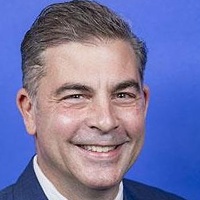
Mike Carey
Representative
OH
Mike Carey
Representative
OH
This bill extends key federal tax credits for biodiesel and renewable diesel production and mixtures through 2026. It ensures that these older credits will not be claimed concurrently with the newer clean fuel production credit (Section 45Z(a)). The legislation also extends the tax credit for second-generation alcohol fuels, coordinating its expiration with the new clean fuel rules.
This Act establishes a pathway for eligible Ukrainian nationals paroled into the U.S. since February 20, 2014, to apply for lawful permanent resident status without paying application fees.
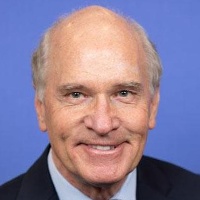
William Keating
Representative
MA
William Keating
Representative
MA
The Ukrainian Adjustment Act of 2025 establishes a pathway for eligible Ukrainian nationals, paroled into the U.S. after February 20, 2014, to apply for lawful permanent resident status (a Green Card). This process requires rigorous security vetting and allows the Secretary of Homeland Security broad waiver authority for most inadmissibility grounds, excluding certain post-2014 criminal activity. Approved applicants will have their status adjusted retroactively to their date of parole, and the application process will be fee-free.
This bill bans the manufacture, sale, and transfer of specific semiautomatic assault weapons and large-capacity ammunition feeding devices while grandfathering existing possessions and establishing new transfer requirements.
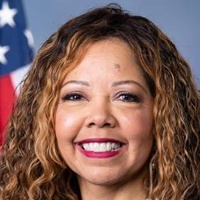
Lucy McBath
Representative
GA
Lucy McBath
Representative
GA
The Assault Weapons Ban of 2025 comprehensively defines and bans the manufacture, sale, and transfer of specific semiautomatic assault weapons and large capacity ammunition feeding devices. The bill grandfathers existing weapons but imposes new requirements for their secure storage and mandates dealer involvement for future private transfers. It also allows federal grant money to be used by states for buy-back programs targeting these banned items.
The ReConnecting Rural America Act of 2025 overhauls federal funding to prioritize grants and loans for building high-speed, 100/100 Mbps broadband infrastructure in underserved rural areas.
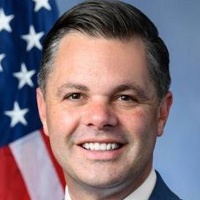
Zachary (Zach) Nunn
Representative
IA
Zachary (Zach) Nunn
Representative
IA
The ReConnecting Rural America Act of 2025 significantly overhauls federal funding to expand high-speed internet access in underserved rural areas. This legislation prioritizes grants and loans for projects delivering at least 100 Mbps symmetrical speeds, focusing heavily on communities currently lacking adequate service. The bill sets strict buildout timelines, mandates participation in affordability programs, and establishes specific priority criteria for funding distribution through 2030.
The Equality Act comprehensively prohibits discrimination based on sex, sexual orientation, and gender identity across key areas including public accommodations, employment, housing, credit, and jury service.
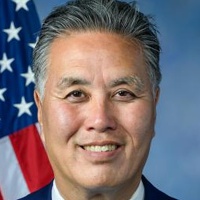
Mark Takano
Representative
CA
Mark Takano
Representative
CA
The Equality Act comprehensively expands federal civil rights protections against discrimination based on sex, sexual orientation, and gender identity across key areas of American life. It amends existing laws to prohibit discrimination in public accommodations, housing, credit, employment, and federal funding. The purpose of the bill is to provide consistent, explicit, and comprehensive remedies for individuals facing bias in these essential sectors.
This resolution recognizes the vital contributions of linemen, often acting as first responders, and supports designating April 18, 2025, as "National Lineman Appreciation Day."
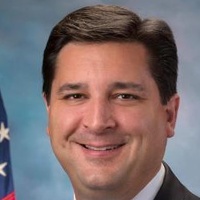
David Rouzer
Representative
NC
David Rouzer
Representative
NC
This resolution officially recognizes the vital and dangerous work performed by power linemen who maintain our electrical infrastructure and ensure public safety. It highlights their crucial role as first responders, often working in hazardous conditions after disasters. Furthermore, the resolution supports the designation of April 18, 2025, as "National Lineman Appreciation Day" to formally honor their service.
This Act prohibits the use of federal funds to eliminate the Corporation for National and Community Service and reinforces Congress's commitment to national service programs.
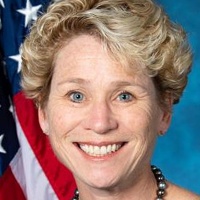
Chrissy Houlahan
Representative
PA
Chrissy Houlahan
Representative
PA
The Protect National Service Act affirms the significant societal return on investment provided by national service programs like AmeriCorps. This bill prohibits the use of federal funds to eliminate the Corporation for National and Community Service (CNCS) or alter its status as a Government corporation. It ensures that any future reorganization must maintain the Trust's solvency and continue federal commitment to civic engagement. The CEO must annually certify compliance with these protections to Congress for five years.
This Act establishes a 30% tax credit for businesses investing in qualifying on-site or municipal water reuse projects to encourage the use of recycled water.
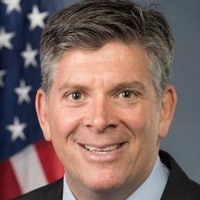
Darin LaHood
Representative
IL
Darin LaHood
Representative
IL
The Advancing Water Reuse Act establishes a new "qualifying water reuse project credit" to incentivize businesses to recycle water. This credit offers a 30% tax break on qualified investments in on-site water recycling systems or infrastructure that supports industrial or commercial water reuse. The tax incentive is designed to encourage the adoption of water conservation technologies until the end of 2032.
The Farmer First Fuel Incentives Act mandates that clean fuel production tax credits require U.S.-grown feedstocks, excludes indirect land use emissions from emissions rate calculations, and extends the credit's availability until 2034.
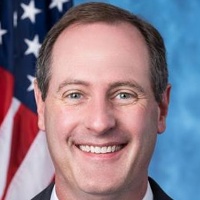
Tracey Mann
Representative
KS
Tracey Mann
Representative
KS
The Farmer First Fuel Incentives Act modifies the clean fuel production tax credit by requiring that qualifying fuels be made from U.S.-grown feedstocks starting in 2025. It also extends the availability of this credit until 2034 and adjusts how emissions rates are calculated by excluding indirect land use changes. Finally, the bill revises a specific emissions factor used in determining the credit amount for fuel produced after 2024.
This bill restricts the President's authority to impose new or increased tariffs on agricultural imports from the United States' top five trading partners without prior approval from Congress.
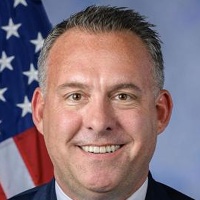
Adam Gray
Representative
CA
Adam Gray
Representative
CA
The Stop Raising Prices on Food Act restricts the President's authority to impose new or increased tariffs on agricultural goods imported from the United States' top five agricultural trading partners. Under this bill, the President must receive explicit Congressional approval before implementing such duties. To gain approval, the President must submit a request detailing the goal, justification over other methods, and the impact on the U.S. agricultural economy.
This bill prioritizes federal research and extension funding for developing better vaccines and improving biosecurity measures to combat highly pathogenic avian influenza in poultry.
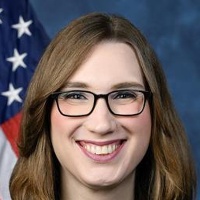
Sarah McBride
Representative
DE
Sarah McBride
Representative
DE
The SAVE Our Poultry Act prioritizes federal research funding to combat highly pathogenic avian influenza (HPAI), or bird flu. This legislation directs grants toward developing improved poultry vaccines and enhancing farm biosecurity measures. The bill also mandates research into the trade and market impacts of widespread poultry vaccination.
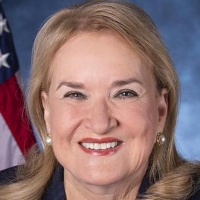
This resolution supports designating April 10th as "Dolores Huerta Day" to honor the lifelong accomplishments and legacy of the trailblazing labor and civil rights leader.
Sylvia Garcia
Representative
TX
Sylvia Garcia
Representative
TX
This resolution supports the designation of April 10th as "Dolores Huerta Day" to honor her legacy as a trailblazing labor and civil rights leader. It recognizes her foundational work co-founding the United Farm Workers and her lifelong fight for economic justice, workers' rights, and equality. The bill formally celebrates her accomplishments without creating new laws or programs.
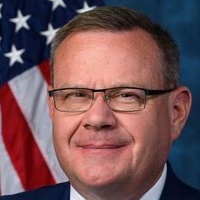
This Act establishes a full refund of federal motor fuel excise taxes for fuel used in vehicles providing mobile mammography services and exempts such fuel sales from federal retail tax.
Tim Moore
Representative
NC
Tim Moore
Representative
NC
The Mobile Mammography Promotion Act of 2025 aims to support mobile mammography services by providing full refunds for federal motor fuel excise taxes paid on fuel used in these specialized vehicles. Furthermore, the Act eliminates the federal retail tax on fuel sold specifically for use in these mobile medical units. This legislation seeks to reduce operational costs for providers offering crucial diagnostic services directly to patients.
This bill terminates specific prior presidential tariff orders and requires Congressional approval for the President to impose new trade barriers or withdraw existing trade agreement concessions.

Linda Sánchez
Representative
CA
Linda Sánchez
Representative
CA
This Act immediately terminates specific existing presidential executive orders imposing tariffs. It requires Congressional approval via a fast-tracked joint resolution before the President can impose new trade barriers or withdraw existing trade agreement concessions. This ensures major new trade restrictions require legislative authorization, except in cases involving existing anti-dumping enforcement or specific trade dispute rulings.
This Act expands Medicare coverage to include audiology services provided directly by qualified audiologists starting in 2027, removing physician supervision and referral requirements.

Gus Bilirakis
Representative
FL
Gus Bilirakis
Representative
FL
The Medicare Audiology Access Improvement Act of 2025 expands Medicare coverage for audiology services, beginning in 2027. This legislation allows qualified audiologists to provide diagnostic and treatment services without physician referral or supervision, as permitted by state law. The bill also specifies payment rates and includes audiologists in coverage for Rural Health Clinics and Federally Qualified Health Centers.
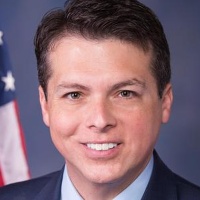
This bill prevents Congress from using the reconciliation process to cut funding or eligibility for Medicaid and SNAP until January 20, 2029.
Brendan Boyle
Representative
PA
Brendan Boyle
Representative
PA
The Hands Off Medicaid and SNAP Act of 2025 prevents Congress from using the budget reconciliation process to cut funding or eligibility for Medicaid and the Supplemental Nutrition Assistance Program (SNAP). This protection establishes a significant procedural roadblock against reducing benefits for these essential social programs. However, this restriction is temporary and is set to expire on January 20, 2029.
This bill establishes the American Family Act, which revamps the Child Tax Credit into a system of refundable monthly advance payments for qualifying children and a separate credit for other dependents.

Rosa DeLauro
Representative
CT
Rosa DeLauro
Representative
CT
The American Family Act fundamentally overhauls the Child Tax Credit by replacing the annual lump sum with a system of advance, refundable monthly payments delivered directly to families. These monthly allowances vary based on the child's age, with higher amounts provided for younger children. The bill also establishes a separate, smaller credit for other dependents and outlines procedures for annual renewal and reconciliation of advance payments when filing taxes.
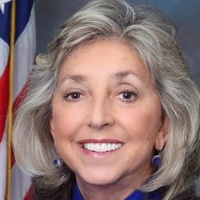
This act bans bump stocks and similar devices that increase the firing rate of semi-automatic firearms, requiring registration for any previously modified weapons.
Dina Titus
Representative
NV
Dina Titus
Representative
NV
The Closing the Bump Stock Loophole Act of 2025 seeks to amend federal gun laws by banning devices and modifications that significantly increase the rate of fire of semiautomatic firearms, effectively treating them like machineguns. The bill specifically prohibits the manufacture, sale, or possession of such accessories and modified firearms after 120 days of enactment. Existing owners of previously modified firearms must register them under the National Firearms Act within that same timeframe to legally keep them.
This Act authorizes states to allow qualified conservation organizations to acquire, hold, and manage conservation easements under the Forest Legacy Program.

John Garamendi
Representative
CA
John Garamendi
Representative
CA
The Forest Legacy Management Flexibility Act grants states the authority to allow qualified conservation organizations to acquire, hold, and manage conservation easements under the Forest Legacy Program. This allows states to partner with accredited, conservation-focused groups to enhance forest protection efforts. The bill establishes clear criteria for these organizations and outlines conditions under which easement rights would revert to the state if management responsibilities are not met.