Legislative Activity
Track Jim's sponsored bills, co-sponsored legislation, and voting record
This resolution expresses strong support for designating May 2025 as Mental Health Awareness Month to highlight the national mental health crisis and encourage greater action and access to care.
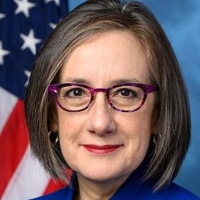
Andrea Salinas
Representative
OR
Andrea Salinas
Representative
OR
This resolution expresses strong support for designating May 2025 as Mental Health Awareness Month to combat a growing national crisis. It highlights alarming statistics regarding rising mental illness rates, significant barriers to accessing care, and disproportionate impacts on youth and marginalized communities. Ultimately, the bill declares mental health a national priority and encourages increased public awareness and support for mental health services.
The Fit to Serve Act prohibits discrimination against service members and recruits in the Armed Forces based on their gender identity.
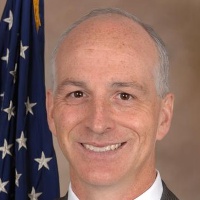
Adam Smith
Representative
WA
Adam Smith
Representative
WA
The Fit to Serve Act prohibits the U.S. Armed Forces from discriminating against service members based on their gender identity. This means military branches cannot set different standards, involuntarily discharge personnel, or deny medically necessary healthcare due to a service member's gender identity. The bill ensures equal opportunity for joining, serving, and receiving care regardless of one's internal sense of self.
This Act establishes the national Wildlife Confiscations Network to coordinate the proper care and placement of live animals seized by federal authorities during wildlife smuggling enforcement.
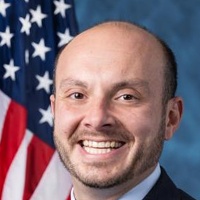
Andrew Garbarino
Representative
NY
Andrew Garbarino
Representative
NY
The Wildlife Confiscations Network Act of 2025 establishes a national, voluntary partnership—the Wildlife Confiscations Network—to coordinate the care and placement of illegally smuggled or confiscated wildlife. This network will utilize qualified animal care facilities to ensure seized animals receive proper triage, housing, and forensic documentation. The Act authorizes up to $5 million annually from Fiscal Year 2026 through 2030 to support this critical infrastructure.
The Protect our Parks Act of 2025 mandates the immediate full staffing of the National Park Service, the rehiring of recently terminated employees, and the continuation of all authorized park improvement projects.
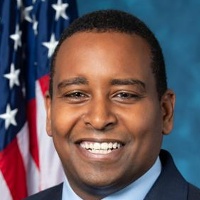
Joe Neguse
Representative
CO
Joe Neguse
Representative
CO
The Protect our Parks Act of 2025 mandates the Secretary of the Interior to immediately ensure the National Park Service is fully staffed to protect resources and enhance visitor safety. This legislation requires filling all maintenance positions and reinstating any NPS employees terminated since January 20, 2025. Furthermore, the Act ensures the continuation of all previously authorized and funded National Park Service projects.
This act increases the penalty-free withdrawal limit from retirement accounts for first-time homebuyers from $\$10,000$ to $\$50,000$.
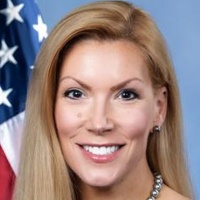
Beth Van Duyne
Representative
TX
Beth Van Duyne
Representative
TX
The Uplifting First-Time Homebuyers Act of 2025 significantly increases the penalty-free withdrawal limit from retirement accounts for first-time homebuyers. This legislation raises the maximum allowable distribution from $\$10,000$ to $\$50,000$. This change is designed to provide greater financial flexibility for individuals purchasing their first home, taking effect for tax years beginning after December 31, 2024.
This resolution commemorates the National Science Foundation's 75th anniversary by recognizing its vital contributions to U.S. science, engineering, and education while reaffirming Congress's commitment to its future support.
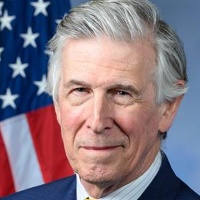
Donald Beyer
Representative
VA
Donald Beyer
Representative
VA
This resolution commemorates the 75th anniversary of the National Science Foundation (NSF), recognizing its vital role in advancing U.S. science, engineering, and education since 1950. Congress acknowledges the NSF's foundational support for groundbreaking innovations, including the internet and advancements in medical technology. The bill reaffirms Congress's commitment to ensuring the NSF continues to lead in scientific discovery for decades to come.
The SNAP Administrator Retention Act of 2025 mandates that states align SNAP administrator pay with comparable federal wages in exchange for 100% federal funding of approved administrative staffing costs.
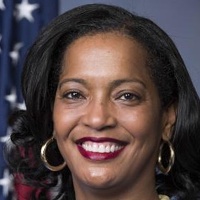
Jahana Hayes
Representative
CT
Jahana Hayes
Representative
CT
The SNAP Administrator Retention Act of 2025 aims to improve staffing and retention for the Supplemental Nutrition Assistance Program (SNAP) by setting new minimum pay standards for state administrators based on comparable federal salaries. If states adopt these standards and have their pay structure approved, the federal government will cover 100% of their administrative personnel costs. This increased federal funding must supplement, not replace, existing state spending on SNAP administration.
This Act mandates the delivery of documents and a report regarding the proposed transfer of an aircraft from Qatar to a Trump-controlled entity, while prohibiting federal funding for such transfers.
Gregory Meeks
Representative
NY
Gregory Meeks
Representative
NY
This bill mandates the Secretary of State to immediately provide Congress with all documents and a detailed report concerning the proposed transfer of an aircraft from Qatar to an entity controlled by former President Trump. Furthermore, it prohibits the use of any federal funding for aircraft transfers involving foreign governments to the U.S. Government, the President, or the Trump Presidential Library. The Act aims to ensure transparency and halt federal financial support for these specific property transfers.
This resolution condemns Hamas for its brutal October 7th terrorist attacks on Israel and demands the immediate release of all remaining hostages.
Haley Stevens
Representative
MI
Haley Stevens
Representative
MI
This resolution strongly condemns Hamas for its premeditated and brutal terrorist attacks against Israel on October 7, 2023. It details the resulting casualties and the ongoing hostage crisis, emphasizing the severe mistreatment of those held captive. The bill demands that Hamas immediately release all remaining hostages and allow them safe return.
This Act streamlines the process for electrical utilities to clear vegetation near power lines on certain federal lands while ensuring proceeds from sold wood are returned to the managing agency.
Salud Carbajal
Representative
CA
Salud Carbajal
Representative
CA
The Fire Safe Electrical Corridors Act of 2025 streamlines the process for electrical utilities to clear vegetation near power lines on National Forest and BLM lands. This allows utilities to remove trees under existing permits without requiring a separate timber sale permit for the cleared wood. Any revenue generated from selling the cleared material must be returned to the managing federal agency, minus transportation costs.
This act establishes a federal grant program to help law enforcement officers afford and access childcare during their off-hours.
Scott Peters
Representative
CA
Scott Peters
Representative
CA
The Providing Child Care for Police Officers Act of 2025 establishes a new federal grant program to help law enforcement officers secure childcare during non-traditional hours. Administered by HHS, these competitive grants will fund local agencies to offer subsidies, start new facilities, or cover operational costs for officers. The program requires state agencies to apply and secure matching funds, with a sunset date of September 30, 2030.
This Act exempts discharges from the use of Forest Service-approved products for fire control and suppression from certain federal water pollution permit requirements.
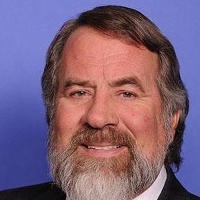
Doug LaMalfa
Representative
CA
Doug LaMalfa
Representative
CA
The Forest Protection and Wildland Firefighter Safety Act of 2025 exempts discharges resulting from the use of Forest Service-approved products for fire control and suppression from certain federal water pollution permit requirements. This change streamlines firefighting operations by removing unnecessary permitting hurdles for using approved suppression agents. The Act also includes technical updates to related environmental statutes.
This Act establishes a grant program to provide emergency assistance to farm workers affected by covered disasters through eligible worker organizations.
Andrea Salinas
Representative
OR
Andrea Salinas
Representative
OR
The Disaster Relief for Farm Workers Act establishes a new grant program to provide emergency assistance to farm workers following covered disasters, such as severe weather or health crises. Beginning in fiscal year 2026, the Secretary must award grants to eligible farm worker organizations to deliver direct relief and build community resilience. These funds are specifically designated to help workers who lose income or are unable to work due to a qualifying event.
This Act prohibits the advertising and provision of paid conversion therapy intended to change an individual's sexual orientation or gender identity, empowering the FTC and State Attorneys General to enforce these prohibitions.
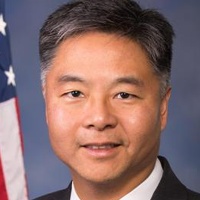
Ted Lieu
Representative
CA
Ted Lieu
Representative
CA
The Therapeutic Fraud Prevention Act of 2025 declares that practices attempting to change an individual's sexual orientation or gender identity for payment constitute an unfair and deceptive business practice. Citing professional consensus on the ineffectiveness and harm of such "conversion therapy," the bill prohibits its provision and advertising. Enforcement authority is granted to the Federal Trade Commission (FTC), and the law allows both the U.S. Attorney General and State Attorneys General to file civil actions against violators.
The Farm Workforce Modernization Act of 2025 establishes pathways to legal status for current agricultural workers, reforms the H-2A visa program, and mandates a modernized electronic employment verification system.
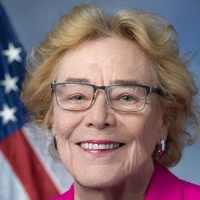
Zoe Lofgren
Representative
CA
Zoe Lofgren
Representative
CA
The Farm Workforce Modernization Act of 2025 aims to stabilize the agricultural labor force by creating a pathway to legal status for current undocumented farmworkers and modernizing the H-2A temporary worker program. The bill also mandates the implementation of a new, high-security electronic employment verification system across all industries, with specific deadlines for agricultural employers. Overall, it seeks to secure the existing workforce while establishing new compliance standards and protections for future agricultural labor.
This Act requires Federal Housing Enterprises to use state-regulated title protection products for mortgages or hold extra capital reserves against those without such protection.
Andrew Garbarino
Representative
NY
Andrew Garbarino
Representative
NY
The Protecting America's Property Rights Act aims to enhance the security of mortgages purchased by Federal Housing Enterprises by requiring the use of state-regulated title protection products. If these regulated products are not used, the Enterprises must hold additional capital reserves against those mortgages. This legislation mandates the Director to quickly establish rules ensuring compliance with these new title risk management standards.
The LAST ACRE Act establishes a federal program to provide grants and loans to expand high-speed, precision agriculture connectivity to unserved and underserved farmland.
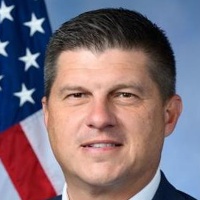
Brad Finstad
Representative
MN
Brad Finstad
Representative
MN
The LAST ACRE Act of 2025 establishes a new federal program to deliver high-speed, precision agriculture connectivity to the most remote and underserved farmland. This program will provide competitive grants and loans to broadband providers to ensure eligible agricultural land receives at least 100/20 Mbps service. Additionally, the bill mandates updates to key agricultural surveys to accurately track broadband adoption and speed on farms nationwide.
The MEGOBARI Act suspends the U.S.-Georgia Strategic Partnership Commission and authorizes sanctions against Georgian officials who undermine democracy or Western integration, while outlining a strategy to support Georgia's Euro-Atlantic path.
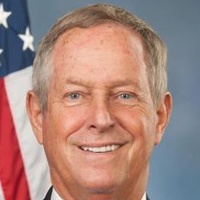
Joe Wilson
Representative
SC
Joe Wilson
Representative
SC
The MEGOBARI Act expresses Congress's concern over Georgia's democratic backsliding and growing alignment with authoritarian states. It directs the Secretary of State to suspend the U.S.-Georgia Strategic Partnership Commission until Georgia demonstrates commitment to democratic principles and EU/NATO aspirations. Furthermore, the Act establishes a policy supporting Georgia's Western trajectory while mandating reports on Russian influence and authorizing targeted sanctions against officials undermining Georgian democracy or stability.
This Act mandates the U.S. Trade Representative to investigate and impose trade restrictions against South Korea if it enacts discriminatory digital trade policies that unfairly target American businesses.
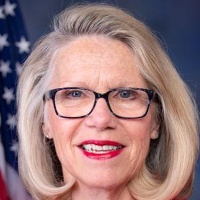
Carol Miller
Representative
WV
Carol Miller
Representative
WV
This bill directs the U.S. Trade Representative to swiftly investigate and report on any South Korean digital trade policies that unfairly target or restrict U.S. businesses. If such discriminatory actions are found, the U.S. is authorized to initiate trade enforcement actions, including WTO complaints or investigations under Section 301. The Act emphasizes the need to enforce fair digital trade practices to strengthen the U.S.-Korea economic partnership.
This resolution expresses support for Wildfire Preparedness Week to educate the public on fire safety, promote preventative measures, and raise awareness about the dangers and scale of wildfires.
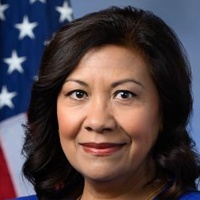
Norma Torres
Representative
CA
Norma Torres
Representative
CA
This resolution expresses strong support for designating May 4 through May 10, 2025, as Wildfire Preparedness Week. The measure aims to raise public awareness about the dangers of wildfires and promote essential fire safety and community preparedness education. It highlights the need for proactive measures, such as evacuation planning and better land management, to mitigate the growing threat posed by these destructive events.