This act establishes a grant program to help colleges and universities create and operate dedicated Student Veteran Centers to support the academic and transitional success of student veterans.
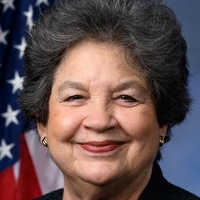
Lois Frankel
Representative
FL-22
The Veteran Education Empowerment Act establishes a grant program to help colleges and universities create and operate dedicated Student Veteran Centers. These centers will serve as centralized hubs to coordinate academic support, transition services, and community building for student veterans. The bill authorizes funding for these grants, which can be used for establishing and operating the centers, with specific reporting requirements to track effectiveness.
Proposed Veteran Education Act Funds $500K Grants for College Vet Centers, Requires 25% School Match
This bill, the Veteran Education Empowerment Act, proposes setting up a federal grant program to help colleges and universities create and run dedicated Student Veteran Centers. Think of these centers as a one-stop shop on campus for veterans transitioning from military life back to the classroom and the civilian workforce.
The core of the plan is to award grants up to $500,000 over three or four years to institutions that enroll a significant number of student veterans. The goal is simple: give veterans a centralized hub that offers everything from academic counseling and peer networking to help with understanding VA benefits and navigating credit transfers. If Congress authorizes the funding, the bill allows for $10 million annually for five years (2024-2028), plus further funding authorized for the following eight years.
The Campus Hub: More Than Just a Lounge
For a student veteran—say, someone who just finished a tour and is now juggling classes, family, and the stress of a new environment—these centers are designed to be a lifeline. The bill defines a Student Veteran Center not just as a lounge, but as a space with a full-time benefits counselor, trained staff, and specific services. This means if you’re a veteran trying to figure out your GI Bill housing allowance or how your military medical discharge affects your academic disability rights, there’s a dedicated, staffed office to help you sort it out.
Crucially, the bill mandates that the center must provide assistance with things like transitioning to student life, understanding federal and state benefits, and even comprehensive academic tutoring. This is a big deal because the transition from military structure to the often-chaotic college environment is notoriously difficult, and having specialized support can be the difference between earning a degree and dropping out.
The Catch: Matching Funds and School Commitment
While this sounds like a great deal for veterans, it’s not a free ride for the colleges. To receive the grant money, institutions must provide matching funds equal to at least 25% of the grant amount. This match can be cash or “in-kind contributions.” For a $500,000 grant, the school needs to come up with $125,000. For large, wealthy universities, that’s a minor cost of doing business. For smaller, less-resourced schools—even those that serve a high number of veterans—this matching requirement could be a hurdle, potentially limiting who can participate.
There’s also a big emphasis on sustainability. Schools have to submit a plan for how the center will continue to operate after the federal grant money runs out. The government doesn’t want to fund a center for four years only to have it vanish, leaving veterans high and dry. This requirement forces schools to commit long-term resources, which is a good check on institutional commitment.
Who Gets Priority and Why It Matters
To ensure the money goes where it’s needed most, the Secretary of Education is directed to prioritize certain applicants. This includes schools in areas with large veteran populations, those that partner with local veteran service organizations, and institutions that commit to hiring veterans to staff the center. Importantly, the bill reserves at least 20% of the total program funds for grants to community colleges and minority-serving institutions (MSIs). This is key because community colleges often serve as the first entry point for many older or non-traditional student veterans, and this carve-out ensures they get the resources needed to serve that population effectively.
Within three years of the first grant being awarded, the Secretary is required to issue a public report detailing the effectiveness of the centers and identifying the best practices for supporting student veterans. This means the program isn’t just throwing money at the problem; it’s designed to figure out what works and then share that knowledge across the entire higher education system.