Legislative Activity
Track Ed's sponsored bills, co-sponsored legislation, and voting record
This act amends existing law to promote Native Hawaiian art and culture by revising grant board composition and term limits.
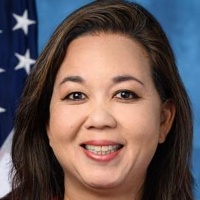
Jill Tokuda
Representative
HI
Jill Tokuda
Representative
HI
The Native Arts and Culture Promotion Act amends existing legislation to strengthen support for Native American, Alaska Native, and Native Hawaiian arts and culture. This bill specifically revises grant requirements for Native Hawaiian art and culture, ensuring that governing boards are composed of recognized Native Hawaiian cultural experts serving fixed terms. These changes aim to enhance the integrity and representation within the administration of cultural development funds.
The CHARGE Act of 2025 establishes a grant program to fund solar energy systems and energy storage technologies at Federally Qualified Health Centers.
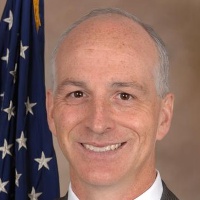
Adam Smith
Representative
WA
Adam Smith
Representative
WA
The CHARGE Act of 2025 establishes a grant program to fund the installation of solar energy systems and energy storage technologies at Federally Qualified Health Centers (FQHCs). This initiative aims to enhance the energy resilience of these vital community health providers. The program authorizes $50 million annually from 2026 through 2030 for qualifying projects.
The ROTOR Act mandates increased transparency for sensitive government flights by narrowing ADS-B exception rules, requires ADS-B In equipment on certain aircraft, and establishes safety reviews for military and civilian operations near major airports.
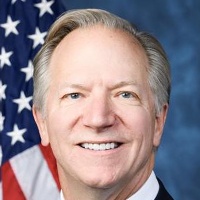
Robert Onder
Representative
MO
Robert Onder
Representative
MO
The ROTOR Act aims to enhance aviation safety and transparency, primarily by narrowing exceptions for disabling ADS-B tracking on government aircraft and mandating that aircraft equipped with ADS-B Out must also install ADS-B In technology. The bill further requires the FAA to conduct comprehensive safety reviews of military and civilian operations in complex airspace, such as around Reagan National Airport. Finally, it mandates formal agreements for the FAA and the Department of the Army to share critical aviation safety data.
This bill expands Medicare coverage for medical nutrition therapy services to treat a wider range of chronic conditions and allows more healthcare providers to order these services.
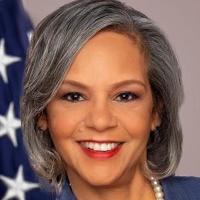
Robin Kelly
Representative
IL
Robin Kelly
Representative
IL
This bill, the Medical Nutrition Therapy Act of 2025, aims to significantly expand Medicare coverage for medical nutrition therapy services. It broadens the list of covered chronic conditions beyond diabetes and kidney disease to include obesity, hypertension, cancer, and more. Furthermore, the legislation allows a wider range of healthcare providers, such as nurse practitioners and physician assistants, to order these medically necessary nutrition services.
This resolution officially recognizes November 2025 as National Family Caregivers Month to honor the vital contributions of millions of unpaid family caregivers and advocate for supportive policies.
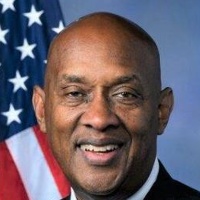
Dwight Evans
Representative
PA
Dwight Evans
Representative
PA
This resolution officially recognizes November 2025 as National Family Caregivers Month to honor the vital, unpaid contributions of the 63 million family caregivers across the nation. It acknowledges the significant financial, physical, and emotional burdens these individuals face while supporting loved ones. Furthermore, the bill encourages federal agencies and the private sector to implement strategies and invest in policies that provide essential support, such as paid leave and tax credits, for these caregivers.
This act establishes a 25 basis point discount on mortgage insurance premiums for first-time homebuyers who complete a certified financial literacy housing counseling program before applying for a loan or signing a sales agreement.
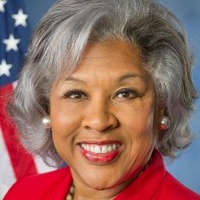
Joyce Beatty
Representative
OH
Joyce Beatty
Representative
OH
The Housing Financial Literacy Act of 2025 incentivizes first-time homebuyers to complete financial literacy housing counseling programs. By completing the required counseling before applying for a loan or signing a sales agreement, eligible homebuyers will receive a 25 basis point discount on their mortgage insurance premium payments. This act aims to promote financial preparedness among new homeowners.
The VISIT USA Act transfers $\$160$ million from the Travel Promotion Fund to Brand USA to boost international tourism promotion.

Gus Bilirakis
Representative
FL
Gus Bilirakis
Representative
FL
The VISIT USA Act mandates the transfer of $\$160$ million from unobligated balances in the Travel Promotion Fund to Brand USA. This funding is intended to support international tourism promotion efforts for the United States. The transfer must be completed within 30 days of the Act becoming law.
This bill establishes sanctions against foreign individuals responsible for human rights violations against LGBTQI people and mandates enhanced tracking and reporting of such abuses in annual human rights reports.

Sarah McBride
Representative
DE
Sarah McBride
Representative
DE
The Global Respect Act aims to promote and protect the human rights of LGBTQI individuals worldwide. It mandates the President to identify and report foreign persons responsible for human rights violations against LGBTQI people, leading to their inadmissibility to the United States. Furthermore, the Act requires enhanced tracking and reporting of violence and discrimination targeting individuals based on sexual orientation, gender identity, or sex characteristics in the annual human rights reports.
This act expands the Secretary of Transportation's authority to restrict commercial air tours over national parks and tribal lands to protect the well-being of surrounding communities.

Robert Menendez
Representative
NJ
Robert Menendez
Representative
NJ
The Communities Before Air Tourism Act expands the Secretary of Transportation's authority to restrict or prohibit commercial air tours over national parks and tribal lands. This expansion specifically includes protecting the well-being of nearby communities. The bill mandates consultation with affected communities and Indian tribes when making these decisions.
This act mandates Medicare coverage for FDA-approved early detection screening tests for Alzheimer's disease and related dementias beginning in 2028.
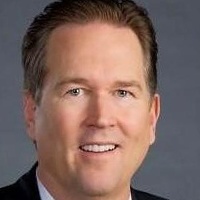
Vern Buchanan
Representative
FL
Vern Buchanan
Representative
FL
The Alzheimer’s Screening and Prevention Act of 2025 (ASAP Act) amends Medicare to cover early detection screening tests for Alzheimer's disease and related dementias starting in 2028. This coverage applies to FDA-cleared tests, including genomic sequencing and other equivalent diagnostic methods, designed to detect pre-symptomatic or early-stage conditions. The bill ensures these screenings are added to the list of covered medical services under Medicare.
This act repeals specific sections of a prior reconciliation act to restore previous laws affecting American families and farmers.
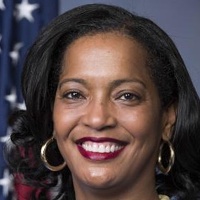
Jahana Hayes
Representative
CT
Jahana Hayes
Representative
CT
The Restoring Food Security for American Families and Farmers Act of 2025 aims to strengthen domestic food security by repealing specific sections of a prior reconciliation act. This action effectively revives the original laws that were previously amended by the repealed provisions. The bill seeks to revert existing agricultural and food-related statutes to their pre-amendment status.
This act modernizes water infrastructure by defining and funding the adoption of intelligent technologies for improved water and wastewater management.
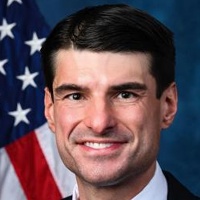
Robert Bresnahan
Representative
PA
Robert Bresnahan
Representative
PA
The Water Infrastructure Modernization Act of 2025 updates federal water pollution control grants to prioritize and fund "intelligent water infrastructure technology." This technology utilizes real-time monitoring, AI, and advanced sensors to improve the efficiency, reliability, and resilience of water and wastewater systems. The bill modifies grant uses to specifically cover the implementation of these smart technologies and increases the authorization of appropriations.
This bill establishes a permanent Special Envoy for the Human Rights of LGBTQI+ Peoples within the Department of State to advance U.S. policy countering global criminalization, violence, and discrimination against LGBTQI+ individuals.
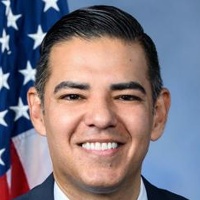
Robert Garcia
Representative
CA
Robert Garcia
Representative
CA
This bill, the International Human Rights Defense Act of 2025, establishes a permanent Special Envoy for the Human Rights of LGBTQI+ Peoples within the Department of State. It codifies U.S. policy to actively combat international criminalization, violence, and discrimination against LGBTQI+ individuals worldwide. The legislation also mandates enhanced reporting on these abuses in annual human rights reports and authorizes assistance to support related protection efforts abroad.
This resolution expresses Congress's strong support for the enduring strategic partnership between the United States and India, emphasizing shared democratic values, defense cooperation, and mutual interests in the Indo-Pacific.
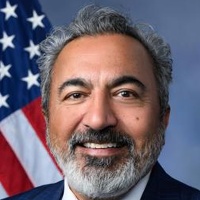
Ami Bera
Representative
CA
Ami Bera
Representative
CA
This resolution expresses the sense of Congress recognizing the strategic value of the long-standing partnership between the United States and India, founded on shared democratic values and mutual interests. It highlights the deep cooperation across defense, technology, counterterrorism, and economic ties. The bill encourages the expansion of this relationship to ensure a free and open Indo-Pacific.
This Act improves veterans benefits for certain individuals who served in the forces of the Philippines and the Philippine Scouts by expanding eligibility criteria and requiring consideration of alternative documentation.
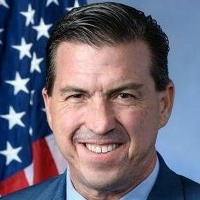
Kevin Mullin
Representative
CA
Kevin Mullin
Representative
CA
The Filipino Veterans Fairness Act of 2025 aims to improve veterans benefits for certain individuals who served in the forces of the Philippines and the Philippine Scouts. This legislation amends existing law to expand eligibility criteria and mandates that the Secretary of Veterans Affairs consider alternative documentation when verifying service. Furthermore, the Act requires an annual report to Congress detailing the number of applicants and approvals for these benefits.
This resolution honors the service and sacrifice of America's veterans and reaffirms the nation's commitment to supporting them and their families.
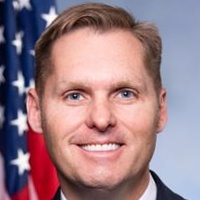
Michael Guest
Representative
MS
Michael Guest
Representative
MS
This resolution honors the service and sacrifice of America's veterans on Veterans Day, 2025, recognizing the history of the observance from Armistice Day. It affirms the nation's deep commitment to supporting the over 15 million veterans and their families. The resolution calls upon the public to observe Veterans Day and ensure veterans continue to receive the services they deserve.
This Act modernizes electric utility integrated resource planning by establishing new guidelines, providing technical assistance, and creating a grant program to help states align their planning with modern resource adequacy and reliability considerations.
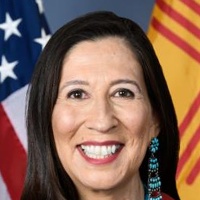
Teresa Leger Fernandez
Representative
NM
Teresa Leger Fernandez
Representative
NM
The Integrated Resource Planning Modernization Act directs the Secretary of Energy to develop updated guidelines and best practices for electric utility planning, focusing on modern resource adequacy analysis and diverse energy solutions. The bill also establishes a grant program to help states align their planning requirements with these new federal standards. This effort aims to ensure the reliability and cost-effectiveness of the future electricity system through comprehensive, forward-looking planning.
This resolution allows a majority of House members to force an end to a designated district work period by submitting letters to the Clerk.
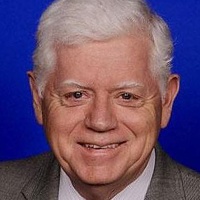
John Larson
Representative
CT
John Larson
Representative
CT
This resolution amends House rules to allow a majority of Representatives to force an end to a designated district work period. If enough members submit letters to the Clerk requesting the end of the recess, the work period must terminate within two days. This measure aims to increase the time the House spends in session by making district work periods more easily interruptible.
This Act establishes an $800 duty-free import limit for articles originating from covered U.S. territories and ensures consistent treatment for these territories regarding tariff policies and gift exemptions.
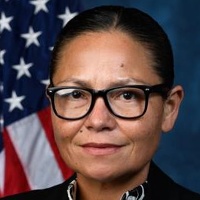
Kimberlyn King-Hinds
Representative
MP
Kimberlyn King-Hinds
Representative
MP
The Territorial De Minimis Exemption Act establishes an $800 duty-free import limit for articles originating from covered U.S. territories, including the Virgin Islands, Guam, American Samoa, and the Northern Mariana Islands. It also expands the existing bona fide gift exemption to include the Northern Mariana Islands. Furthermore, the bill requires the President to consult with relevant Secretaries to avoid negatively impacting territory commerce when making broad trade policy changes.
This resolution expresses support for designating October 2025 as "Crime Prevention Month" to promote evidence-based strategies and sustained investment in community safety efforts.
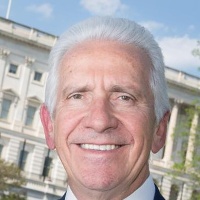
Jim Costa
Representative
CA
Jim Costa
Representative
CA
This resolution expresses strong support for designating October 2025 as "Crime Prevention Month." It recognizes the high costs of crime and commends the efforts of law enforcement, community organizers, and others working to prevent it. The bill encourages federal, state, and local entities to invest in evidence-based prevention strategies and calls upon all citizens to participate in related public safety activities.