This bill commemorates the 50th anniversary of Southeast Asian refugee resettlement and honors the enduring contributions and sacrifices of Southeast Asian Americans to the United States.
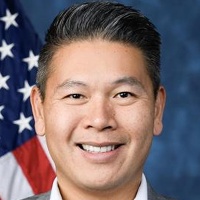
Derek Tran
Representative
CA-45
This bill commemorates the 50th anniversary of Southeast Asian refugee resettlement in the United States, recognizing the profound sacrifices and immense contributions of Southeast Asian Americans. It honors the historical alliance and acknowledges the challenges faced by these communities since their arrival. The legislation celebrates the vibrant cultural and economic impact of over three million Southeast Asian Americans today.
Resolution Honors 50 Years of Southeast Asian Refugee Contributions, Cites Need for Health and Education Policies
This resolution marks the 50th anniversary of the start of large-scale Southeast Asian refugee resettlement in the United States, recognizing the monumental events of 1975 like the fall of Saigon and the beginning of the Khmer Rouge’s brutal reign. It’s primarily a statement of recognition, honoring the sacrifices and contributions of the more than 3 million Southeast Asian Americans who now call the U.S. home, while also formally acknowledging the immense human cost of conflicts like the Khmer Rouge genocide.
The History Lesson That Matters
This isn't just a ceremonial nod; the resolution digs into the history, specifically honoring the historical alliance with the U.S. and the service of groups like the Hmong, Lao, and South Vietnamese who were enlisted during the “Secret Wars.” By citing specific dates—like the fall of Saigon on April 30th and the abolition of the Lao monarchy on December 2nd—it ensures these milestones are officially recognized alongside the welcome extended to over 1.2 million refugees between 1975 and the mid-2000s. For the second and third generations of these communities, this official recognition validates a history often overlooked in mainstream textbooks.
Where the Road Gets Harder
While celebrating contributions to the nation’s economic and cultural fabric, the resolution doesn't shy away from the persistent challenges faced by many Southeast Asian Americans. It specifically calls out significant barriers that affect daily life and work. For instance, it notes that between 40 and 50 percent of the community overall—and up to 90 percent of elders—still struggle with limited English proficiency, which directly impacts job access and navigating essential services.
Mental Health and the Next 50 Years
The resolution also brings critical health disparities to the forefront, acknowledging the high rates of post-traumatic stress disorder (PTSD) among Cambodian refugees and the lingering effects of intergenerational trauma. If you’re an employer, a teacher, or a healthcare worker, this is the fine print that matters: these communities often face unique mental health and educational challenges that stem directly from their refugee experience. The resolution isn't a bill that creates programs, but it affirms the U.S. commitment to continue pursuing comprehensive policies in education and health to ensure opportunities for these communities. Essentially, it lays the groundwork for future legislative action by acknowledging the current reality, reinforcing the idea that the welcome extended 50 years ago must be backed up by ongoing support.