This resolution condemns the antisemitic shooting in Sydney, Australia, and reaffirms the commitment to combating all forms of religious hatred and violence.
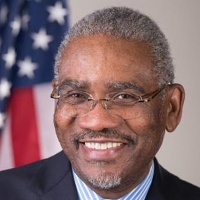
Gregory Meeks
Representative
NY-5
This resolution strongly condemns the antisemitic shooting attack during a Hanukkah celebration in Sydney, Australia. It expresses solidarity with the victims, their families, and the Jewish community worldwide. Furthermore, the bill reaffirms the U.S. commitment to combating all forms of religious hatred and violence.
U.S. Resolution Condemns Sydney Hanukkah Shooting, Reaffirms Commitment Against Antisemitism
This resolution is short, direct, and focused entirely on responding to a horrific event: the December 14, 2025, antisemitic shooting during a Hanukkah celebration in Sydney, Australia. Essentially, the U.S. government is formally taking a stand, using this document to condemn the violence, express solidarity, and reaffirm its policy commitments against hate.
The Global Stance on Local Terror
What this bill does, first and foremost, is acknowledge that the attack was specifically intended to intimidate and target individuals because of their Jewish identity. It’s a formal recognition that this was a hate crime aimed at religious life. While this is a non-binding resolution—meaning it doesn't create new laws or spend money—it carries significant diplomatic weight, expressing that the United States stands with Australia, the global Jewish community, and everyone affected by the attack.
Affirming Rights and Calling for Action
The resolution does two key things beyond just offering condolences. First, it affirms the fundamental right of all people to worship freely and safely, reinforcing a core democratic value. For anyone who feels their community is under threat, this is the U.S. government publicly stating that religious freedom is non-negotiable. Second, it reiterates the long-standing commitment of the United States to combating antisemitism and terrorism in all its forms, which is a key part of our existing foreign policy.
The Call to Australia
Perhaps the most actionable part of this resolution is the call for the Australian Government to take specific action to address rising antisemitism and protect its Jewish community. This is the U.S. using its diplomatic voice to urge an ally to dedicate resources and attention to protecting a vulnerable population. For everyday people, this resolution serves as a clear signal that the U.S. prioritizes fighting religious hatred, not just at home, but globally, and that such acts of terror will be met with swift, formal condemnation.