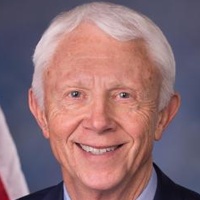
Legislative Activity
Track Jack's sponsored bills, co-sponsored legislation, and voting record
This act allows State homes caring for veterans to choose between direct reimbursement or direct furnishing of high-cost medications.
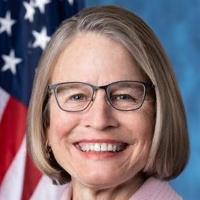
Mariannette Miller-Meeks
Representative
IA
Mariannette Miller-Meeks
Representative
IA
The Providing Veterans Essential Medications Act allows State homes caring for veterans to choose how they receive reimbursement for very high-cost medications. State homes can opt to be reimbursed directly for the medication's cost or have the Secretary of the VA furnish the drug directly. This provision applies only when the cost of a specific medication exceeds a defined threshold relative to the standard monthly payment for that veteran's care.
This Act requires the Department of Defense to seek stricter stormwater discharge permits mandating quarterly PFAS testing and cleanup actions at its facilities, dedicating at least 1% of annual PFAS cleanup funds to this testing.
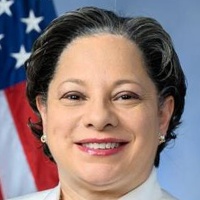
Jennifer McClellan
Representative
VA
Jennifer McClellan
Representative
VA
This Act mandates that the Department of Defense (DoD) immediately seek to update its stormwater discharge permits to require quarterly testing for PFAS chemicals at all facilities. Furthermore, the DoD must implement necessary cleanup measures to reduce these discharges. At least one percent of annual PFAS cleanup funding must be dedicated specifically to this required stormwater testing.
This bill establishes permanent, higher base pay rates, incident response premium pay, and mandatory rest and recuperation leave for federal wildland firefighters.
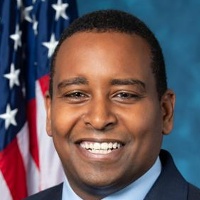
Joe Neguse
Representative
CO
Joe Neguse
Representative
CO
The Wildland Firefighter Paycheck Protection Act of 2025 establishes permanent, higher base pay rates for federal wildland firefighters based on their GS grade. It also creates a significant daily premium pay bonus for time spent responding to qualifying wildfire incidents. Finally, the bill mandates new paid rest and recuperation leave for firefighters following deployment to ensure proper recovery.
The "Pay Our Troops Act of 2025" ensures continued pay and allowances for members of the Armed Forces, essential DOD civilians, and contractors during funding gaps until January 1, 2026, or when regular appropriations are enacted.
Jennifer Kiggans
Representative
VA
Jennifer Kiggans
Representative
VA
The "Pay Our Troops Act of 2025" ensures that members of the Armed Forces, essential Department of Defense civilians, and contractors continue to receive pay and allowances during periods when regular funding is disrupted. This act provides necessary appropriations to cover these costs for fiscal year 2025. The Act's provisions will terminate upon the enactment of regular appropriations, a continuing resolution that provides funding for the same purpose, or on January 1, 2026.
The Fighter Force Preservation and Recapitalization Act of 2025 aims to increase and modernize the Air Force's fighter aircraft fleet, ensuring a strong national defense through the year 2030.
Don Bacon
Representative
NE
Don Bacon
Representative
NE
The Fighter Force Preservation and Recapitalization Act of 2025 aims to modernize and maintain the Air Force's fighter aircraft fleet by increasing the minimum number of fighter aircraft, requiring detailed reports on the fleet's status, prioritizing the assignment of new aircraft to existing squadrons, and preserving the Air National Guard's fighter capabilities. The act mandates the Air Force to assign at least three out of every four new advanced fighter aircraft to existing Air Force fighter squadrons and maintain at least 25 Air National Guard fighter aircraft squadrons. Additionally, it requires the Secretary of the Air Force to develop and submit an annual modernization plan for the Air National Guard's fighter fleet to Congress. The Act defines specific categories of fighter aircraft to clarify modernization efforts.
The SPEED for BEAD Act aims to streamline broadband deployment by modifying the Infrastructure Investment and Jobs Act, preventing unnecessary regulations, and prioritizing efficient use of funds for broadband expansion.
Richard Hudson
Representative
NC
Richard Hudson
Representative
NC
The SPEED for BEAD Act amends the Infrastructure Investment and Jobs Act to streamline broadband deployment grants. It renames the "Equity" program to "Expansion," allows funds for workforce development, and permits removal of high-cost locations from project areas. The act also prohibits certain conditions related to labor, climate change, and network management, and ensures consideration of all broadband technologies.
This resolution expresses support for designating March 6, 2025, as "Great Lakes Day" to recognize the region's vital environmental, economic, and cultural importance while committing to its ongoing protection.
John James
Representative
MI
John James
Representative
MI
This resolution expresses support for designating March 6, 2025, as "Great Lakes Day" to recognize the region's vital importance to the environment, economy, and public health of the United States. It highlights the Great Lakes' role as a critical source of fresh water and commerce while reaffirming a commitment to their ongoing protection and restoration. Additionally, the bill designates Lake St. Clair as the "Heart of the Great Lakes" and calls for accelerated efforts to preserve these essential natural resources.
The ACRE Act of 2025 creates a federal tax exemption for qualified lenders on interest earned from loans secured by rural or agricultural real property, excluding loans to foreign adversary entities.
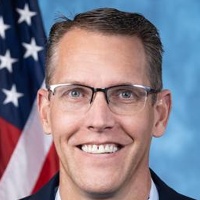
Randy Feenstra
Representative
IA
Randy Feenstra
Representative
IA
The Access to Credit for our Rural Economy Act of 2025 (ACRE Act) creates a new federal tax incentive for qualified lenders. This incentive excludes income earned from interest on loans secured by rural or agricultural real property from taxation. The goal is to encourage lending for agricultural, forestry, and certain rural home improvement purposes while prohibiting loans to foreign adversary entities.
The Improper Payments Transparency Act requires the President's budget to include details on improper payment amounts, reasons for these payments, and corrective action plans for programs at executive agencies.
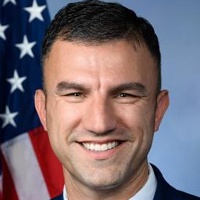
Rudy Yakym
Representative
IN
Rudy Yakym
Representative
IN
The Improper Payments Transparency Act requires the President's budget to include detailed information on improper payment amounts and rates for programs at executive agencies, including explanations for these payments and trends over the past three years. It also requires information on incomplete corrective actions and future steps to address improper payment issues.
This bill expands the use of qualified tuition program funds to cover aviation maintenance and commercial pilot courses.
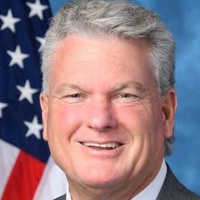
Mike Collins
Representative
GA
Mike Collins
Representative
GA
The Aviation Workforce Development Act amends the Internal Revenue Code to allow expenses for aviation maintenance and commercial pilot courses to be considered qualified higher education expenses for qualified tuition programs. This change applies to distributions made after the enactment of this law, aiming to support workforce development in the aviation sector.
The EARLY Minds Act supports state-level mental health prevention and early intervention programs for children and adolescents.
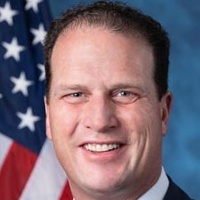
August Pfluger
Representative
TX
August Pfluger
Representative
TX
The "EARLY Minds Act" amends the Public Health Service Act to emphasize early intervention for mental health by requiring states to outline prevention strategies in their plans. States can use up to 5% of their funding to support these programs. The Secretary must report to Congress biennially on state prevention and early intervention activities, including outcomes and demographics.
The "Supporting Farm Operations Act of 2025" freezes wage rates for H-2A nonimmigrant workers at 2023 levels through 2026 and clarifies job classification for wage determination.

John Moolenaar
Representative
MI
John Moolenaar
Representative
MI
The "Supporting Farm Operations Act of 2025" freezes the wage rate for H-2A nonimmigrant workers at the level it was on December 31, 2023, through December 31, 2026. Additionally, the bill directs the Secretary of Labor to use a primary duties evaluation when deciding the required wage for employees who perform multiple duties or tasks.
Prohibits the purchase of real estate near U.S. federal lands by agents or businesses associated with the government of the People's Republic of China with 25% or more equity interest.
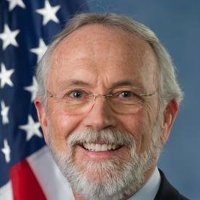
Dan Newhouse
Representative
WA
Dan Newhouse
Representative
WA
The "No American Land for Communist China Act" prohibits the President from allowing individuals or entities associated with the Chinese government from purchasing real estate near covered federal lands. Covered lands include those managed by the Departments of Interior, Defense, Agriculture (Forest Service), and Energy, as well as Indian country. This restriction applies to entities with at least 25% equity interest held by Chinese government-affiliated individuals or businesses. The Act defines "United States" broadly to include states, territories, and other U.S. possessions.
This resolution establishes a national goal for all students to achieve grade-level reading proficiency and encourages the implementation of intensive tutoring and public-private partnerships to combat illiteracy.
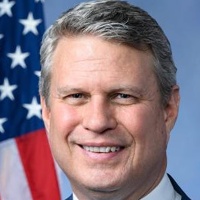
Bill Huizenga
Representative
MI
Bill Huizenga
Representative
MI
This resolution establishes a national goal for every student to achieve grade-level reading proficiency as a foundation for lifelong success. It advocates for the implementation of structured literacy curricula, intensive one-on-one tutoring for struggling students, and collaborative partnerships with private organizations to address literacy gaps in both students and adults.
This bill increases the standard mileage rate for charitable contributions to match the rate used for business expenses.
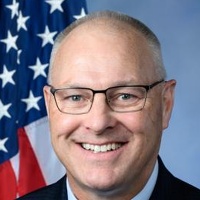
Pete Stauber
Representative
MN
Pete Stauber
Representative
MN
The "Volunteer Driver Tax Appreciation Act of 2025" aims to increase tax benefits for individuals who use their personal vehicles for charitable purposes. Starting after 2024, the bill allows the Secretary to set a higher mileage rate for charitable contributions, matching the standard rate used for business expenses. This adjustment seeks to provide greater financial relief to volunteer drivers by increasing their eligible deductions.
The "PAR Act" removes restrictions on using bond proceeds for private or commercial golf courses and country clubs.
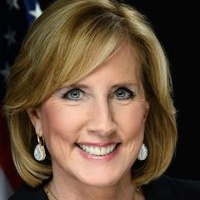
Claudia Tenney
Representative
NY
Claudia Tenney
Representative
NY
The "Parity for Athletic Recreation Act" or "PAR Act" removes the restriction that prohibits bond proceeds from being used for private or commercial golf courses and country clubs. This change applies to bonds issued after the enactment of this Act. Additionally, it affects the empowerment zone employment credit and applies to empowerment zone businesses and opportunity zones.
The REPAIR Act ensures vehicle owners and independent repair shops have access to vehicle data and repair information, promoting competition and protecting data privacy in the auto repair industry.
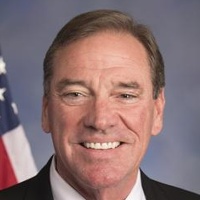
Neal Dunn
Representative
FL
Neal Dunn
Representative
FL
The "Right to Equitable and Professional Auto Industry Repair Act" or the "REPAIR Act" ensures vehicle owners and independent repair shops have access to necessary vehicle data, repair information, and tools, preventing manufacturers from creating barriers to repairs. It establishes an advisory committee to address competition issues in the auto repair industry and mandates that car buyers are informed of their rights to choose repair options. The Federal Trade Commission (FTC) is empowered to enforce the Act, protecting consumers from unfair restrictions on vehicle repair and ensuring control over their vehicle data.
The Military and Educational Data Integration Act mandates a process for states to access military data of their high school graduates, enhancing educational support and evaluation.
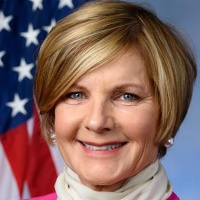
Susie Lee
Representative
NV
Susie Lee
Representative
NV
The Military and Educational Data Integration Act mandates a process for State educational agencies to access certain Armed Forces data of individuals who graduated high school in their state, including education level, test scores, and military service details. This data sharing initiative aims to integrate military data into state education systems while adhering to strict confidentiality and data security standards to protect individual privacy. The goal is to provide states with comprehensive data to better understand and support the educational and career pathways of their graduates.
The "DOC Access Act of 2025" aims to improve dental and vision care coverage by ensuring fair payment practices, protecting providers' choices, and upholding state regulatory authority.
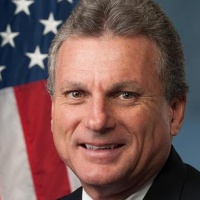
Earl Carter
Representative
GA
Earl Carter
Representative
GA
The "DOC Access Act of 2025" aims to enhance health care coverage under vision and dental plans by ensuring fair payment practices, protecting doctors' choices in labs and suppliers, and respecting state laws. It allows optometrists and dentists to charge their standard rate for non-covered services if the plan's payment is unreasonable, while ensuring they can only charge the contracted rate for dental cleanings. The bill also gives doctors more control over agreement extensions with limited benefit plans and allows them to opt out of certain provisions. Ultimately, this act seeks to balance federal guidelines with state oversight in regulating health insurance issuers and dental or vision benefit plans.
The Leveling the Playing Field 2.0 Act strengthens U.S. trade laws to counteract unfair trade practices like foreign subsidies, currency manipulation, and duty evasion, ensuring fair competition for American businesses.
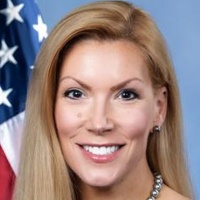
Beth Van Duyne
Representative
TX
Beth Van Duyne
Representative
TX
The Leveling the Playing Field 2.0 Act aims to strengthen U.S. trade laws by addressing unfair subsidies, currency undervaluation, duty evasion, and circumvention of trade remedies. It refines the process for handling successive trade investigations, ensuring that the International Trade Commission considers prior findings and assesses cumulative effects on domestic industries. The act also empowers authorities to counteract cost distortions in foreign countries and prevent importers from avoiding duties. Additionally, it includes provisions related to trade with Canada and Mexico and sets effective dates for new regulations.