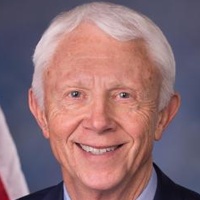
Legislative Activity
Track Jack's sponsored bills, co-sponsored legislation, and voting record
The Safer Skies Act of 2025 mandates that certain smaller charter and commuter air carriers currently exempt from TSA checkpoints must adopt the same security screening standards as larger airlines.
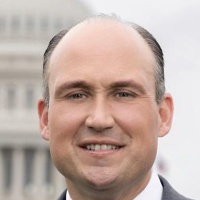
Nicholas Langworthy
Representative
NY
Nicholas Langworthy
Representative
NY
The Safer Skies Act of 2025 mandates enhanced security screening for certain smaller charter and commuter air carriers that sell individual passenger seats publicly. This legislation requires these specific operations, currently exempt from TSA checkpoints, to adopt the security standards applied to larger commercial airlines. The goal is to raise the baseline security level across a broader segment of air travel operations.
The Unity through Service Act of 2025 establishes an Interagency Council to unify and expand recruitment efforts across military, national, and public service sectors while improving transition opportunities for participants.
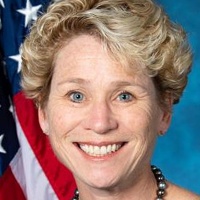
Chrissy Houlahan
Representative
PA
Chrissy Houlahan
Representative
PA
The Unity through Service Act of 2025 establishes an Interagency Council on Service to advise the President on strengthening recruitment across military, national, and public service opportunities. The bill mandates joint market research between defense and national service agencies and improves transition assistance for separating service members into public sector jobs. Ultimately, the Act aims to foster civic duty by coordinating federal efforts to promote and measure the impact of all forms of national service.
This Act mandates a comprehensive report on the security vulnerabilities and potential economic supply chain impacts of the Soo Locks in Michigan.
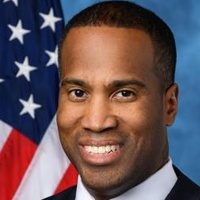
John James
Representative
MI
John James
Representative
MI
The Soo Locks Security and Economic Reporting Act of 2025 mandates the Secretary of Transportation to produce a comprehensive report within one year analyzing the security vulnerabilities and potential supply chain disruptions associated with the Soo Locks in Michigan. This report, developed in consultation with the Coast Guard and Department of Defense, must detail threat assessments, current security measures, and provide costed recommendations for enhancing security and mitigating economic impact. The findings will be delivered to key Congressional committees to inform future action.
This bill establishes national reciprocity for concealed carry permits, allowing individuals legally permitted to carry in their home state to carry a handgun in any other state that allows concealed carry.
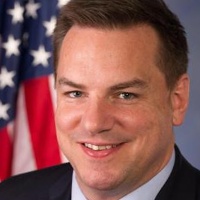
Richard Hudson
Representative
NC
Richard Hudson
Representative
NC
The Constitutional Concealed Carry Reciprocity Act of 2025 establishes a national standard for carrying concealed handguns across state lines. This act allows individuals legally permitted to carry in their home state to carry concealed in any other state that allows its residents to carry concealed firearms. The law does not override private property restrictions or prohibitions on government property, but it provides protections and legal recourse for those traveling in compliance with the new federal standard.
This bill mandates the revocation of student and exchange visitor visas and initiates deportation proceedings for individuals convicted of assaulting a police officer or engaging in riot-related activities.
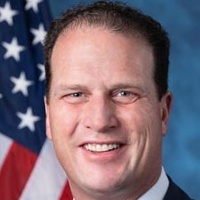
August Pfluger
Representative
TX
August Pfluger
Representative
TX
The UPRISERS Act mandates the revocation of student and exchange visitor visas for individuals convicted of assaulting a police officer or engaging in riot-related offenses. Furthermore, this bill makes conviction for these specific crimes grounds for deportation for those holding F, J, or M visas. This legislation targets non-immigrant visa holders involved in violent civil unrest or attacks on law enforcement.
This bill aligns the Veterans Health Administration's standards for Certified Registered Nurse Anesthetists with the Defense Health Agency's, establishes new certification and direct patient care requirements for all anesthesia providers, and mandates an annual GAO report comparing the cost-effectiveness of different anesthesia delivery models.

Lauren Underwood
Representative
IL
Lauren Underwood
Representative
IL
The Ensuring Veterans Timely Access to Anesthesia Care Act of 2025 aims to align the practice standards for Certified Registered Nurse Anesthetists (CRNAs) within the Veterans Health Administration (VHA) with those of the Defense Health Agency, recognizing them as licensed independent practitioners. The bill also establishes new certification and minimum direct patient care requirements for all anesthesia providers in the VA system. Finally, it mandates an annual public report from the GAO comparing the cost-effectiveness of different anesthesia delivery models within the VHA.
This bill requires the Coast Guard to retain enlisted members with 18 or more, but less than 20, years of service until they qualify for retirement, with specific provisions for Reserve members.
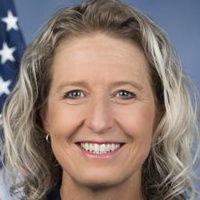
Jennifer Kiggans
Representative
VA
Jennifer Kiggans
Representative
VA
This bill amends federal law to require the Coast Guard to retain certain enlisted members who have served 18 or more, but less than 20, years of service. It prevents the involuntary separation or non-reenlistment of these long-serving members until they reach 20 years of service for retirement eligibility. This provision applies to both Regular and Reserve enlisted personnel serving on active duty.
The SLOT Act of 2025 raises the mandatory tax reporting threshold for casino slot machine winnings to \$5,000, effective after 2025, with future adjustments for inflation.
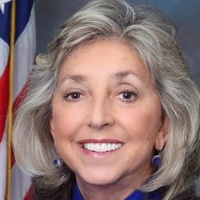
Dina Titus
Representative
NV
Dina Titus
Representative
NV
The Shifting Limits on Thresholds Act of 2025 (SLOT Act) revises the federal tax reporting requirement for slot machine winnings. Under this act, businesses will only need to file an information return for slot machine payouts of **$5,000 or more** per single play, effective after December 31, 2025. Furthermore, this $5,000 threshold will be automatically adjusted annually for inflation starting in 2027.
Commemorates the 108th anniversary of Selfridge Air National Guard Base, recognizing its historical importance, economic impact, and vital role in national security.
John James
Representative
MI
John James
Representative
MI
This bill honors Selfridge Air National Guard Base on its 108th anniversary, recognizing its historical significance, economic impact, and strategic importance to national security. It acknowledges the base's contributions to military operations, its role in homeland defense, and its selection for the KC-46A Pegasus tanker aircraft beddown. The bill also commends the personnel of Selfridge Air National Guard Base and encourages continued support and investment in the base.
The Major Richard Star Act ensures that military retirees with combat-related disabilities can concurrently receive their full military retirement pay and VA disability compensation without reduction.

Gus Bilirakis
Representative
FL
Gus Bilirakis
Representative
FL
The Major Richard Star Act ensures that military retirees with combat-related disabilities can receive both their military retirement pay and VA disability compensation concurrently without reduction. This law removes previous restrictions that caused military retirement pay to be offset by VA disability payments for these specific cases. The changes take effect on the first day of the month following the Act's enactment.
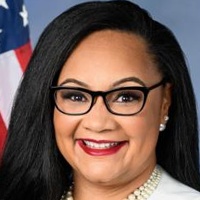
Recognizes and celebrates Delta Air Lines' 100th anniversary, acknowledging its global impact and commitment to community.
Nikema Williams
Representative
GA
Nikema Williams
Representative
GA
This bill recognizes and celebrates the 100th anniversary of Delta Air Lines, acknowledging its historical significance as the first U.S. airline to reach this milestone. It highlights Delta's growth, global connectivity, commitment to community, and industry leadership.
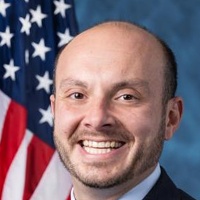
This act officially designates Postal Service police officers as federal agents with authority over Postal Service property and establishes penalties for violating property rules set by the Postmaster General.
Andrew Garbarino
Representative
NY
Andrew Garbarino
Representative
NY
The Postal Police Reform Act of 2025 officially designates Postal Service police officers as federal law enforcement agents under Title 18 of the U.S. Code. This legislation grants the Postmaster General the authority to establish and enforce rules for protecting Postal Service property. Violations of these new rules may result in federal fines or imprisonment up to 30 days.
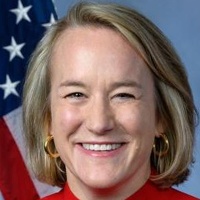
This Act establishes stricter public review periods, community protections, and regulatory oversight before the Postal Service can close post offices or consolidate mail processing facilities.
Nicole (Nikki) Budzinski
Representative
IL
Nicole (Nikki) Budzinski
Representative
IL
The Protect Postal Performance Act establishes stricter public review periods and new protections before the Postal Service can close or consolidate local post offices. It also imposes significant limitations on the USPS's ability to change mail processing centers and transportation schedules. These changes require advisory opinions from the Postal Regulatory Commission (PRC) and prohibit facility closures in areas with poor recent on-time delivery performance.
This Act eliminates the waiting periods for Social Security disability benefits and Medicare coverage for individuals diagnosed with metastatic breast cancer.
Andrew Garbarino
Representative
NY
Andrew Garbarino
Representative
NY
The Metastatic Breast Cancer Access to Care Act aims to improve support for individuals diagnosed with metastatic breast cancer. This bill eliminates the standard waiting period for receiving Social Security disability insurance benefits and waives the 24-month waiting period for Medicare coverage. These changes ensure immediate access to crucial financial and healthcare support upon diagnosis.
The Credit for Caring Act of 2025 establishes a new, partially refundable federal income tax credit for working family caregivers covering qualified expenses exceeding \$2,000, up to a \$5,000 annual limit.

Mike Carey
Representative
OH
Mike Carey
Representative
OH
The Credit for Caring Act of 2025 establishes a new, non-refundable federal income tax credit for working family caregivers who incur significant expenses caring for a relative with long-term care needs. Eligible caregivers can claim a credit equal to 30% of qualified expenses exceeding \$2,000, up to a maximum annual credit of \$5,000. The bill specifies detailed requirements for the care recipient's needs, the types of allowable expenses, and includes income phase-out limits for claiming the benefit.
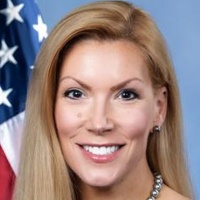
This bill allows investors to defer taxes on capital gain dividends from mutual funds when those dividends are automatically reinvested until the shares are sold or the investor passes away.
Beth Van Duyne
Representative
TX
Beth Van Duyne
Representative
TX
This bill, the Generating Retirement Ownership through Long-Term Holding Act, allows individual investors to defer paying taxes on capital gain dividends from mutual funds if those dividends are automatically reinvested into more fund shares. Taxes on these deferred gains are only due when the investor sells the shares or upon death. This provision aims to encourage long-term investment in mutual funds by providing immediate tax relief on reinvested earnings.
This bill directs Congress to award a Congressional Gold Medal to honor the service of the Red Cross "Donut Dollies" who provided recreation and morale support to U.S. troops during the Vietnam War.
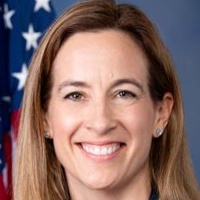
Mikie Sherrill
Representative
NJ
Mikie Sherrill
Representative
NJ
This bill, the Donut Dollies Congressional Gold Medal Act, directs the striking of a Congressional Gold Medal to honor the American Red Cross volunteers who served in the Supplemental Recreation Activities Overseas (SRAO) program during the Vietnam War. These volunteers, known as "Donut Dollies," provided crucial morale support to troops on the front lines. The original medal will be presented on behalf of Congress and ultimately housed at the Smithsonian Institution, with provisions made for selling bronze duplicates.
The REDI Act allows medical and dental interns and residents to defer both principal and interest payments on their student loans while in training.
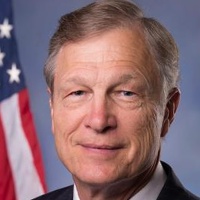
Brian Babin
Representative
TX
Brian Babin
Representative
TX
The Resident Education Deferred Interest (REDI) Act amends federal student loan regulations to provide a specific deferment for medical and dental residents. This allows borrowers currently serving in an internship or residency program to pause principal payments and prevent interest accrual on their student loans during that training period.
This act extends the current Medicare transition payment rates for durable medical equipment in non-competitive bidding areas until the end of 2025.
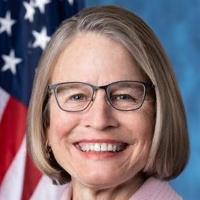
Mariannette Miller-Meeks
Representative
IA
Mariannette Miller-Meeks
Representative
IA
The DMEPOS Relief Act of 2025 extends the current Medicare transition payment rates for durable medical equipment in non-competitive bidding areas through the end of 2025. This action delays the implementation of new payment regulations until January 1, 2026. The Secretary of Health and Human Services is directed to maintain existing payment structures in these specific areas for the remainder of the year.
This Act expands federal funding flexibility and increases the federal share for highway safety projects specifically designed to protect pedestrians and bicyclists.
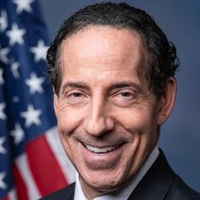
Jamie Raskin
Representative
MD
Jamie Raskin
Representative
MD
The Sarah Debbink Langenkamp Active Transportation Safety Act updates the Highway Safety Improvement Program to prioritize safety for pedestrians and cyclists. This bill allows federal funding to cover up to 100% of the cost for projects that connect existing bike/pedestrian infrastructure or reduce risks for vulnerable road users. It also provides flexibility for states to use existing safety funds as matching money for these specific upgrades.