Legislative Activity
Track Suzanne's sponsored bills, co-sponsored legislation, and voting record
This act permanently bans new oil and gas leasing for exploration, development, and production in the North Atlantic, Mid-Atlantic, South Atlantic, and Straits of Florida planning areas of the Outer Continental Shelf.
Frank Pallone
Representative
NJ
Frank Pallone
Representative
NJ
The Clean Ocean And Safe Tourism Anti-Drilling Act of 2025 (COAST Anti-Drilling Act) permanently prohibits new oil and gas leasing activities on the Outer Continental Shelf in the North Atlantic, Mid-Atlantic, South Atlantic, and Straits of Florida planning areas. This legislation ensures these specific ocean regions are protected from future exploration and development.
This Act mandates that federal agencies must adhere to specific employment classification standards and report immediately if they cannot meet required staffing levels.
Nikema Williams
Representative
GA
Nikema Williams
Representative
GA
The Ensuring Agency Service Quality Act mandates that all Executive agencies and military departments must adhere strictly to federal job classification standards when hiring personnel. If an agency cannot meet its required staffing levels under these new rules, the agency head must promptly notify relevant Congressional committees within seven days with a detailed explanation. This legislation aims to standardize and enforce federal employment structures across key government bodies.
This resolution expresses Congressional support for library staff, recognizes the essential community services libraries provide, and defends the right of all citizens to freely access information.
Pramila Jayapal
Representative
WA
Pramila Jayapal
Representative
WA
This resolution expresses strong support for library staff and the essential, expanded community services libraries provide, from social support to digital access. It calls for funding commensurate with these vital roles and defends the right of all citizens to freely access information. Furthermore, the bill supports the civil rights and union voice of library workers against threats and censorship.
This bill overhauls federal workforce and adult education programs to integrate digital literacy, establish career navigators, and enhance accountability across training services.
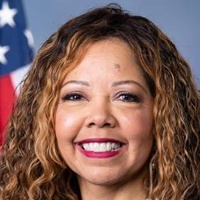
Lucy McBath
Representative
GA
Lucy McBath
Representative
GA
The Adult Education Workforce Opportunity and Reskilling for Knowledge and Success Act overhauls existing workforce and adult education laws to better connect Americans with modern job opportunities. It achieves this by integrating digital literacy training, establishing new "College and Career Navigators" for personalized guidance, and authorizing increased federal funding for these services. The bill also modernizes adult education goals to emphasize full civic participation and requires greater transparency in state workforce planning.
This act bans bump stocks and similar devices that increase the firing rate of semi-automatic firearms, requiring registration for any previously modified weapons.
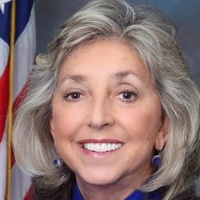
Dina Titus
Representative
NV
Dina Titus
Representative
NV
The Closing the Bump Stock Loophole Act of 2025 seeks to amend federal gun laws by banning devices and modifications that significantly increase the rate of fire of semiautomatic firearms, effectively treating them like machineguns. The bill specifically prohibits the manufacture, sale, or possession of such accessories and modified firearms after 120 days of enactment. Existing owners of previously modified firearms must register them under the National Firearms Act within that same timeframe to legally keep them.
This bill establishes the American Family Act, which revamps the Child Tax Credit into a system of refundable monthly advance payments for qualifying children and a separate credit for other dependents.
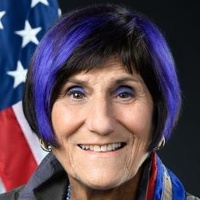
Rosa DeLauro
Representative
CT
Rosa DeLauro
Representative
CT
The American Family Act fundamentally overhauls the Child Tax Credit by replacing the annual lump sum with a system of advance, refundable monthly payments delivered directly to families. These monthly allowances vary based on the child's age, with higher amounts provided for younger children. The bill also establishes a separate, smaller credit for other dependents and outlines procedures for annual renewal and reconciliation of advance payments when filing taxes.
The Gas-Operated Semi-Automatic Firearms Exclusion (GOSAFE) Act prohibits the manufacture, sale, and possession of certain gas-operated semi-automatic firearms and large-capacity ammunition feeding devices, while establishing a formal process for firearm determinations and funding buy-back programs.
Lucy McBath
Representative
GA
Lucy McBath
Representative
GA
The Gas-Operated Semi-Automatic Firearms Exclusion Act (GOSAFE Act) prohibits the manufacture, sale, and possession of certain gas-operated semi-automatic firearms and large-capacity ammunition feeding devices (over 10 rounds). The bill establishes a formal process managed by the Attorney General and ATF to list prohibited firearms, while grandfathering existing possessions under strict transfer rules. Furthermore, it permits states to use federal Byrne grants for voluntary buy-back programs targeting these newly restricted items. Violations carry significant fines and potential prison sentences.
This resolution urges the United States to lead global efforts to halt the nuclear arms race, reduce existing stockpiles, and implement verifiable measures to prevent nuclear war.
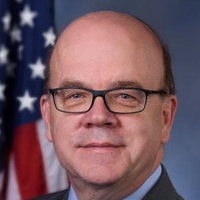
James McGovern
Representative
MA
James McGovern
Representative
MA
This resolution urges the United States to immediately prioritize global nuclear disarmament and lead the world back from the brink of nuclear war. It calls on the President to negotiate verifiable arms reduction treaties with all nuclear states to halt the arms race and prevent catastrophic conflict. Key actions include renouncing "first use," ending hair-trigger alert postures, and ceasing the development of new nuclear weapons. Furthermore, the bill demands comprehensive support, cleanup, and economic transition planning for communities and workers affected by past and present nuclear activities.
This Act authorizes states to allow qualified conservation organizations to acquire, hold, and manage conservation easements under the Forest Legacy Program.
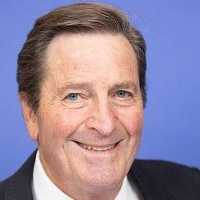
John Garamendi
Representative
CA
John Garamendi
Representative
CA
The Forest Legacy Management Flexibility Act grants states the authority to allow qualified conservation organizations to acquire, hold, and manage conservation easements under the Forest Legacy Program. This allows states to partner with accredited, conservation-focused groups to enhance forest protection efforts. The bill establishes clear criteria for these organizations and outlines conditions under which easement rights would revert to the state if management responsibilities are not met.
The Resilient Coasts and Estuaries Act of 2025 updates federal coastal programs to prioritize land protection, restoration, and climate change adaptation, while significantly expanding and enhancing the National Estuarine Research Reserve System.
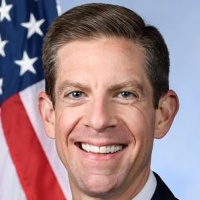
Mike Levin
Representative
CA
Mike Levin
Representative
CA
The Resilient Coasts and Estuaries Act of 2025 overhauls federal coastal protection by establishing a new Coastal and Estuarine Resilience and Restoration Program focused on protecting high-value lands and restoring damaged areas, with priority given to vulnerable low-income communities. The bill also significantly expands the National Estuarine Research Reserve System, mandating the designation of at least five new sites and bolstering research efforts focused on climate change adaptation. Furthermore, it establishes new requirements for non-governmental partners and updates funding authorizations through fiscal year 2029.
This resolution demands the President and Secretary of Education swiftly provide the House with all unredacted documents related to downsizing or closing the Department of Education, including justifications for staff sufficiency.
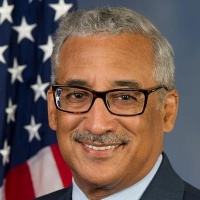
Robert Scott
Representative
VA
Robert Scott
Representative
VA
This resolution is an official request from the House of Representatives demanding the President and the Secretary of Education immediately transmit all unredacted documents related to any plans for downsizing or closing the Department of Education. The required records must detail staff reduction measures, internal communications, and any determinations made regarding the sufficiency of remaining staff to enforce major federal education laws. The documents must be provided to the House within 14 days of the resolution's adoption.
The Raise the Wage Act of 2025 gradually increases the federal minimum wage to \$17.00, phases out subminimum wages for tipped employees and workers with disabilities, and eliminates the subminimum wage for young workers.
Robert Scott
Representative
VA
Robert Scott
Representative
VA
The Raise the Wage Act of 2025 establishes a phased increase of the federal minimum wage, culminating in a \$17.00 per hour rate five years after enactment, followed by automatic annual adjustments tied to median wage growth. This bill also phases out the lower minimum wage for tipped employees and workers under 20, ensuring they eventually earn the standard federal minimum wage. Furthermore, it sets a schedule to eliminate subminimum wages for individuals with disabilities and prohibits the issuance of new special certificates allowing for lower pay.
This Act prohibits federal funding for police in schools and establishes grants to help districts replace law enforcement with mental health and support staff.
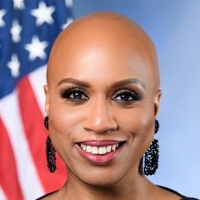
Ayanna Pressley
Representative
MA
Ayanna Pressley
Representative
MA
The Counseling Not Criminalization in Schools Act aims to shift federal funding away from placing police officers in schools toward hiring mental health professionals and implementing evidence-based support services. This legislation prohibits the use of federal funds for school law enforcement personnel and establishes a major grant program to support local districts transitioning away from police contracts. The goal is to replace policing with systems of care to create safer, more equitable school environments, especially for marginalized students.
This Act establishes federal minimum standards for public employee collective bargaining rights, allowing states to maintain their own laws if they meet or exceed these standards, otherwise the Federal Labor Relations Authority will enforce federal rules.
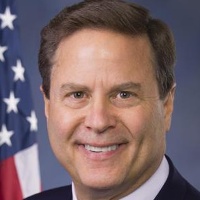
Donald Norcross
Representative
NJ
Donald Norcross
Representative
NJ
The Public Service Freedom to Negotiate Act of 2025 establishes federal minimum standards for collective bargaining rights for public employees across the nation. It requires the Federal Labor Relations Authority (FLRA) to review state laws to ensure they substantially provide these minimum rights, including the right to organize and bargain collectively. If a state fails to meet these standards, the FLRA will administer federal labor relations rules for the uncovered employees. The Act also prohibits strikes or lockouts that would measurably disrupt emergency or public safety services.
This act, also known as the ELON MUSK Act, immediately bans special government employees from holding or benefiting from any current or future federal government contracts.
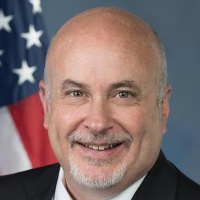
Mark Pocan
Representative
WI
Mark Pocan
Representative
WI
The Eliminating Looting of Our Nation by Mitigating Unethical State Kleptocracy Act of 2025 (the ELON MUSK Act) strictly prohibits special government employees from holding or benefiting from any contract or agreement with the Federal Government. This legislation immediately terminates any existing such contracts upon enactment. The goal is to prevent individuals serving the government temporarily from simultaneously doing business with it.
This Act officially recognizes peer support specialists, establishes a new Office of Recovery within SAMHSA led by someone with lived experience, and mandates a report on state criminal background check processes for these specialists.
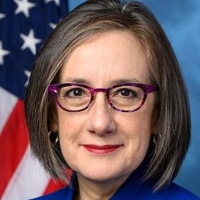
Andrea Salinas
Representative
OR
Andrea Salinas
Representative
OR
The PEER Support Act aims to formally recognize and strengthen the profession of peer support specialists who use their lived experience to help others in recovery. The bill establishes a new Office of Recovery within SAMHSA, led by an individual with lived recovery experience. Furthermore, it mandates the official classification of peer support specialist roles in the federal job system and directs a review of state criminal background check processes for these specialists.
This bill amends the Higher Education Act to expand the authorized uses of funds for Historically Black Colleges and Universities to strengthen their arts, arts education, and cultural programs.
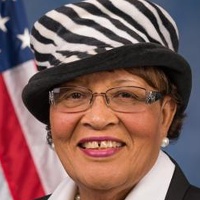
Alma Adams
Representative
NC
Alma Adams
Representative
NC
This bill amends the Higher Education Act to provide additional funding opportunities for Historically Black Colleges and Universities (HBCUs) specifically focused on the arts. It recognizes the crucial role HBCUs play in preserving and promoting Black art and culture. The legislation authorizes HBCUs to use grant funds for student support, outreach, exhibitions, and partnerships with the National Endowment for the Arts to strengthen their arts programs.
The No Tax Breaks for Union Busting Act denies businesses tax deductions for expenses incurred while influencing employees regarding union organization and activities.
Donald Norcross
Representative
NJ
Donald Norcross
Representative
NJ
The No Tax Breaks for Union Busting (NTBUB) Act aims to disallow businesses from deducting federal income taxes for expenses incurred while attempting to influence employees regarding union organization or activities. This change is intended to stop companies from subsidizing anti-union campaigns through tax write-offs. The bill also establishes new, significant reporting requirements and penalties for businesses and third-party consultants who engage in these influence expenditures.
This Act allows employees to fully deduct union dues above the line and restores the itemized deduction for certain other job-related business expenses.
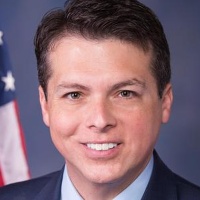
Brendan Boyle
Representative
PA
Brendan Boyle
Representative
PA
The Tax Fairness for Workers Act restores key federal tax deductions for employees, effective after 2024. This legislation makes union dues fully deductible "above the line," meaning they reduce Adjusted Gross Income without itemizing. Additionally, it allows itemizers to deduct certain other job-related business expenses that were previously limited.
This resolution expresses the House's sense that paraprofessionals and education support staff deserve fair compensation, benefits, job security, and safe working conditions.
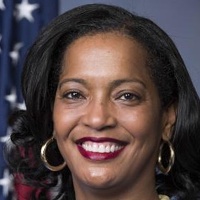
Jahana Hayes
Representative
CT
Jahana Hayes
Representative
CT
This resolution expresses the sense of the House of Representatives that paraprofessionals and education support staff deserve fair compensation, comprehensive benefits, and improved working conditions. It highlights the critical role these essential workers play in supporting millions of students nationwide. Ultimately, the bill calls for livable wages, job security, safe workplaces, and meaningful input into school policies for these staff members.