Legislative Activity
Track Richard's sponsored bills, co-sponsored legislation, and voting record
The Real Courts, Rule of Law Act of 2026 establishes an independent, Article I immigration court system separate from the executive branch to oversee immigration proceedings and judicial administration.

Kirsten Gillibrand
Senator
NY
Kirsten Gillibrand
Senator
NY
The Real Courts, Rule of Law Act of 2026 establishes an independent United States Immigration Court system under Article I of the Constitution, effectively separating immigration adjudication from the executive branch. This new judicial body will consist of appellate and trial divisions, with judges appointed to 15-year terms to ensure impartiality and judicial independence. The Act provides for a structured transition of existing cases and personnel, while granting the courts authority over their own budget, staffing, and procedural rules.
The Medicare Dental Benefit Act of 2026 expands Medicare coverage to include comprehensive dental and oral health services, with a phased-in payment structure and enhanced support for low-income beneficiaries.
Angela Alsobrooks
Senator
MD
Angela Alsobrooks
Senator
MD
The Medicare Dental Benefit Act of 2026 expands Medicare coverage to include comprehensive dental and oral health services, such as cleanings, fillings, root canals, and dentures, beginning in 2028. The benefit features a gradual payment phase-in for most enrollees, while providing immediate full coverage for low-income beneficiaries. Additionally, the bill incentivizes state participation by providing full federal reimbursement for dental cost-sharing expenses and ensures oral health representation on the Preventive Services Taskforce.
This bill prohibits foreign-influenced, -controlled, or -owned domestic corporations from contributing to U.S. federal, state, and local elections and mandates strict certification requirements to ensure political funds are free from foreign influence.
Sheldon Whitehouse
Senator
RI
Sheldon Whitehouse
Senator
RI
The "Get Foreign Money Out of U.S. Elections Act" strengthens existing bans on foreign influence by prohibiting domestic business entities with significant foreign ownership or control from contributing to federal elections. The bill also mandates strict certification requirements for corporations and PACs to ensure that decision-making processes remain free from foreign interference. Additionally, it expands these protections to cover state and local ballot initiatives and Super PACs.
The Children's Safe Welcome Act of 2026 establishes comprehensive standards to ensure the humane treatment, legal protection, and swift family reunification of noncitizen children in U.S. immigration custody.

Jeff Merkley
Senator
OR
Jeff Merkley
Senator
OR
The Children's Safe Welcome Act of 2026 overhauls the treatment of noncitizen children and families in federal custody by prioritizing family unity, humane living standards, and swift reunification. The legislation mandates legal representation for unaccompanied children, establishes independent oversight to ensure accountability, and strictly limits the use of detention facilities. By creating clear, enforceable protections and privacy safeguards, the bill aims to minimize trauma and ensure that the welfare of the child remains the central focus of the immigration process.
The Affordable Prescriptions for Patients Act limits the number of patents reference product sponsors can assert in biosimilar patent infringement litigation to increase competition and lower prescription costs.
John Cornyn
Senator
TX
John Cornyn
Senator
TX
The Affordable Prescriptions for Patients Act aims to lower drug costs by streamlining the biosimilar approval process. It limits the number of patents a reference product sponsor can assert in infringement litigation against biosimilar applicants, preventing the use of excessive patent litigation to delay market competition.
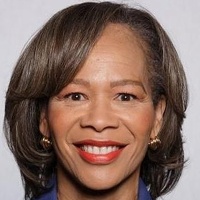
This resolution recognizes July 21, 2026, as Black Women’s Equal Pay Day to highlight the persistent wage gap and reaffirm a commitment to achieving pay equity.
Lisa Blunt Rochester
Senator
DE
Lisa Blunt Rochester
Senator
DE
This resolution recognizes July 21, 2026, as Black Women’s Equal Pay Day to highlight the persistent and significant wage gap between Black women and white, non-Hispanic men. It details the economic impact of this disparity and reaffirms Congress's commitment to achieving pay equity through systemic change.
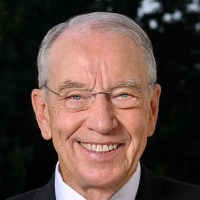
This resolution designates June 15, 2026, as "World Elder Abuse Awareness Day" and June 2026 as "Elder Abuse Awareness Month" to promote the prevention, identification, and reporting of elder abuse.
Charles Grassley
Senator
IA
Charles Grassley
Senator
IA
This resolution designates June 15, 2026, as "World Elder Abuse Awareness Day" and the month of June 2026 as "Elder Abuse Awareness Month." It highlights the urgent need to address the widespread abuse, neglect, and financial exploitation of older Americans. Furthermore, the resolution encourages public and professional action to identify, report, and prevent the mistreatment of older adults.
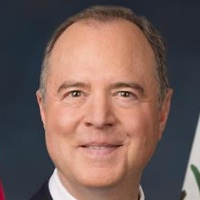
The Judicial Integrity Act extends federal conflict-of-interest prohibitions to judicial branch officers and employees, ensuring they are barred from participating in matters where they hold a financial interest.
Adam Schiff
Senator
CA
Adam Schiff
Senator
CA
The Judicial Integrity Act extends federal conflict-of-interest laws to include officers and employees of the judicial branch, prohibiting them from participating in matters where they or their immediate family hold a financial interest. The bill empowers the Judicial Conference of the United States to establish a public, transparent process for granting limited exemptions for interests deemed too remote or inconsequential to impact judicial integrity.
The Justice is BLIND Act of 2026 mandates that federal judges, their spouses, and dependent children place covered financial assets into qualified blind trusts to prevent conflicts of interest and ensure judicial impartiality.
Adam Schiff
Senator
CA
Adam Schiff
Senator
CA
The Justice is BLIND Act of 2026 mandates that federal judges, their spouses, and dependent children place covered financial interests into qualified blind trusts to prevent conflicts of interest. The bill requires these assets to be held in trust throughout the judge’s tenure and for 180 days after leaving office. Additionally, it requires judges to provide public written attestations confirming their compliance with these financial transparency and neutrality standards.
The Judicial FOIA Expansion Act amends federal law to subject the judicial branch to Freedom of Information Act and Privacy Act requirements, increasing transparency regarding court operations, personnel, and administrative records.
Adam Schiff
Senator
CA
Adam Schiff
Senator
CA
The Judicial FOIA Expansion Act would extend the Freedom of Information Act and the Privacy Act to the federal judiciary, requiring courts and related judicial entities to provide public access to administrative and operational records. The bill mandates that these disclosures be provided in machine-readable formats and establishes specific transparency requirements for judicial conduct, committee activities, and court administration.
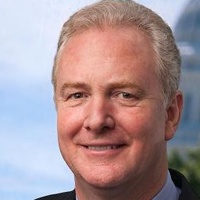
This bill requires large multinational corporations to publicly disclose detailed financial and operational data on a country-by-country basis to increase transparency regarding tax havens and offshoring.
Chris Van Hollen
Senator
MD
Chris Van Hollen
Senator
MD
The Disclosure of Tax Havens and Offshoring Act requires large multinational companies to publicly disclose detailed financial and operational data for every tax jurisdiction in which they operate. By mandating country-by-country reporting, the bill aims to increase corporate transparency regarding tax payments, profits, and employee counts. This information must be filed with the SEC in a machine-readable format and made available to the public online.
The Lindsey O. Graham Sanctioning Russia Act of 2026 imposes comprehensive economic sanctions, trade restrictions, and financial penalties on Russia and its international enablers to isolate the nation and disrupt its military efforts.
Darline Graham Nordone
Senator
SC
Darline Graham Nordone
Senator
SC
The Lindsey O. Graham Sanctioning Russia Act of 2026 imposes sweeping economic sanctions and trade restrictions to isolate Russia and penalize those supporting its military efforts. The bill targets Russian financial institutions, energy sectors, and leadership while penalizing foreign entities that facilitate sanctions evasion. It aims to cripple Russia’s ability to finance its war in Ukraine through severe tariffs, asset freezes, and restricted access to U.S. markets.
This Act protects students and federal funds by requiring higher education programs to meet strict professional licensure standards, debt-to-earnings metrics, and state authorization requirements for distance education.
Jeff Merkley
Senator
OR
Jeff Merkley
Senator
OR
The **Protecting Students from Worthless Degrees Act** ensures that higher education programs receiving federal funding provide genuine value and career readiness. The bill mandates that programs preparing students for licensed occupations must meet specific state qualification requirements and establishes strict debt-to-earnings standards to hold institutions accountable for student outcomes. Additionally, it strengthens oversight for distance education by requiring institutions to maintain proper state authorization for all students they serve.
The Mamas First Act mandates that state Medicaid programs cover and eliminate cost-sharing for essential services provided by doulas, midwives, and lactation support providers to improve maternal health outcomes.
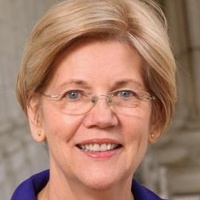
Elizabeth Warren
Senator
MA
Elizabeth Warren
Senator
MA
The Mamas First Act aims to address the maternal mortality crisis in the United States by mandating that state Medicaid programs cover services provided by doulas, midwives, and lactation support providers. Beginning in 2027, this legislation ensures these essential maternal health services are accessible to all Medicaid beneficiaries without any copays or cost-sharing. By expanding access to these specialized care providers, the bill seeks to improve birth outcomes and reduce health disparities across the country.
The Luxury JET Act prohibits the personal use of Qatari-gifted aircraft by U.S. officials and mandates a GAO investigation into the ethics, costs, and national security implications of the donation.

Christopher Murphy
Senator
CT
Christopher Murphy
Senator
CT
The Luxury JET Act prohibits the transfer of aircraft gifted by the Government of Qatar to the U.S. executive airlift fleet for the personal use of Presidents or their associates. Additionally, the bill mandates a comprehensive Government Accountability Office review to investigate potential conflicts of interest, national security implications, and the full taxpayer cost associated with accepting these luxury aircraft.
The Duster Inhalation Prevention Act bans the sale of aerosol duster products containing specific hazardous propellants and prohibits manufacturer stockpiling to prevent recreational inhalation.
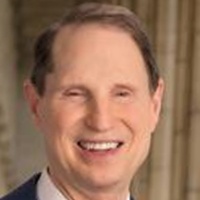
Ron Wyden
Senator
OR
Ron Wyden
Senator
OR
The Duster Inhalation Prevention Act aims to curb the recreational misuse of aerosol duster products by classifying specific harmful propellants as hazardous substances. Under this legislation, the Consumer Product Safety Commission will ban products containing these chemicals above a set threshold and implement measures to prevent manufacturers from stockpiling them. This act serves to protect public health by restricting access to substances frequently abused for inhalation.
The Nitrous Oxide Inhalation Prevention Act establishes federal regulations on the packaging, labeling, and sale of nitrous oxide products to prevent recreational misuse while maintaining access for legitimate purposes.
Ron Wyden
Senator
OR
Ron Wyden
Senator
OR
The Nitrous Oxide Inhalation Prevention Act establishes a federal regulatory framework to curb the recreational misuse of nitrous oxide while maintaining access for legitimate medical and industrial purposes. The bill mandates strict packaging, labeling, and sales restrictions—including age verification and storage requirements—for non-medical nitrous oxide products. Additionally, it authorizes new grant programs for public education and harm reduction initiatives to prevent substance misuse.
The Good Jobs for Good Airports Act establishes federal minimum wage and fringe benefit standards for service workers at small, medium, and large hub airports.
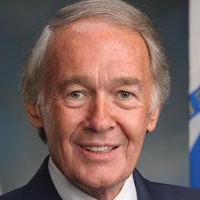
Edward Markey
Senator
MA
Edward Markey
Senator
MA
The Good Jobs for Good Airports Act establishes federal minimum wage and fringe benefit standards for a wide range of service workers at small, medium, and large hub airports. By mandating that employers provide competitive compensation based on prevailing-wage methodologies, the bill aims to ensure fair pay for essential airport personnel. It also includes robust enforcement mechanisms, including monthly certification requirements and provisions for private civil actions to ensure compliance.
The Outpatient Surgery Access Act of 2026 aligns Medicare payment updates and budget neutrality adjustments for ambulatory surgical centers with those of hospital outpatient departments to ensure consistent reimbursement standards.
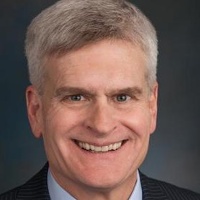
Bill Cassidy
Senator
LA
Bill Cassidy
Senator
LA
The Outpatient Surgery Access Act of 2026 aims to modernize Medicare reimbursement by aligning annual payment updates for ambulatory surgical centers (ASCs) with those of hospital outpatient departments. Additionally, the bill reforms budget neutrality requirements to ensure more equitable financial treatment between these two surgical settings. These changes are designed to stabilize funding and improve access to same-day surgical care.
The Living Wage For All Act establishes a phased-in path to a $25 federal minimum wage, indexed to inflation, while eliminating subminimum wages for tipped workers, youth, and individuals with disabilities.
Christopher Murphy
Senator
CT
Christopher Murphy
Senator
CT
The Living Wage For All Act establishes a path to a $25 federal minimum wage, requiring large corporations to reach this benchmark within five years and providing a longer transition period for smaller employers. The bill also phases out subminimum wages for tipped workers, youth employees, and individuals with disabilities to ensure all workers earn a fair, living wage. Once the $25 target is met, the minimum wage will be indexed to national median wage growth to maintain its purchasing power over time.