Legislative Activity
Track John's sponsored bills, co-sponsored legislation, and voting record
This resolution officially designates May 10, 2025, as "World Migratory Bird Day" to recognize the ecological importance of migratory birds and encourage their conservation.
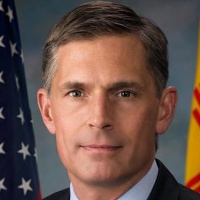
Martin Heinrich
Senator
NM
Martin Heinrich
Senator
NM
This resolution officially designates May 10, 2025, as "World Migratory Bird Day" to recognize the vital ecological and economic importance of migratory birds. It highlights the severe threats these species face and encourages public awareness and participation in conservation efforts. The resolution supports ongoing efforts to protect the habitats crucial for these traveling species across North America.
This resolution honors and commends the Blinded Veterans Association for 80 years of advocating for and supporting blinded and low-vision veterans.

Jerry Moran
Senator
KS
Jerry Moran
Senator
KS
This resolution officially honors and commends the Blinded Veterans Association (BVA) for its 80th anniversary and its long history of advocacy. It recognizes the BVA's crucial role in securing better healthcare, rehabilitation, and benefits for blind and low-vision veterans. The measure also urges the Department of Veterans Affairs to ensure safe access for service dogs and to appoint specialized staff at all medical centers. Ultimately, this resolution celebrates the BVA's dedication to helping blinded veterans live full and independent lives.
The FARMER Act of 2025 modifies federal premium support for certain whole-farm crop insurance plans, increases the government subsidy for the supplemental coverage option, and mandates a study on expanding that supplemental coverage.
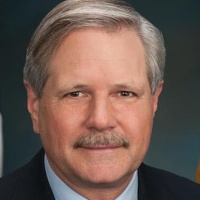
John Hoeven
Senator
ND
John Hoeven
Senator
ND
The FARMER Act of 2025 modifies federal crop insurance by increasing premium support for certain whole-farm revenue or yield protection plans. It also raises the government subsidy percentage for the Supplemental Coverage Option (SCO) and adjusts its coverage level calculations. Finally, the bill mandates a study on expanding the SCO to cover areas larger than 1,400 square miles.
This resolution affirms that the only acceptable outcome for any U.S.-Iran nuclear deal is the complete dismantling of Iran's nuclear program under strict international verification.
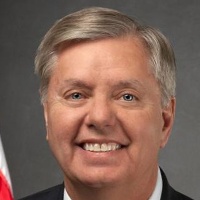
Lindsey Graham
Senator
SC
Lindsey Graham
Senator
SC
This resolution affirms the official U.S. position that the only acceptable outcome of any nuclear deal with Iran is the complete dismantlement and destruction of its entire nuclear program. It mandates that any future peaceful nuclear cooperation must require Iran to cease all domestic uranium enrichment and submit to stringent, unconditional international verification protocols. Ultimately, the bill asserts that the U.S. must never permit Iran to gain the capability to produce a nuclear weapon.
This Act mandates that health plans cover medically necessary diagnosis and treatment for congenital anomalies or birth defects affecting the eyes, ears, teeth, mouth, or jaw, starting in 2026.

Tammy Baldwin
Senator
WI
Tammy Baldwin
Senator
WI
The Ensuring Lasting Smiles Act mandates that health plans cover medically necessary diagnosis and treatment for congenital anomalies or birth defects affecting the eyes, ears, teeth, mouth, or jaw. This coverage must apply to outpatient and inpatient care, including necessary dental and orthodontic support, unless the procedure is purely cosmetic. These new requirements take effect for plan years beginning on or after January 1, 2026.
This Act extends and modifies Medicare payment structures for ground ambulance services, particularly increasing temporary payments for super rural providers through 2028.
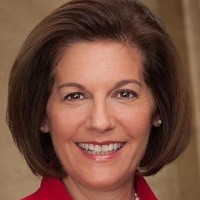
Catherine Cortez Masto
Senator
NV
Catherine Cortez Masto
Senator
NV
The Protecting Access to Ground Ambulance Medical Services Act of 2025 extends critical Medicare payment provisions for ambulance services. This bill delays the expiration of special payment rules for "super rural" areas until January 1, 2028, while also implementing temporary payment increases for both super rural and standard ground ambulance services during that transition period. The goal is to ensure continued financial stability and access to essential ground ambulance care.
This Act increases the maximum financial assistance available to disabled veterans for necessary home modifications as part of their VA home health services and ties future benefit amounts to inflation.
Catherine Cortez Masto
Senator
NV
Catherine Cortez Masto
Senator
NV
The Autonomy for Disabled Veterans Act modifies the maximum funding the Department of Veterans Affairs (VA) can provide for necessary home improvements and structural alterations for disabled veterans receiving home health services. This bill increases the maximum benefit amount to $\$10,000$ for new applicants and establishes an automatic annual adjustment based on construction cost inflation. The law also limits any single veteran to a total of three such structural alterations under this specific benefit.
This resolution expresses support for designating the week of May 4-10, 2025, as National Small Business Week to celebrate the vital contributions of small businesses and entrepreneurs nationwide.

Joni Ernst
Senator
IA
Joni Ernst
Senator
IA
This resolution expresses strong support for designating the week of May 4 through May 10, 2025, as National Small Business Week. It aims to celebrate the vital contributions of the over 34.5 million small businesses that support tens of millions of jobs nationwide. The bill honors the hard work and entrepreneurial spirit of small business owners in every community.
The PREEMIE Reauthorization Act of 2025 extends research funding for prematurity, mandates the establishment of an interagency working group, and commissions a comprehensive study on the costs, causes, and prevention strategies for preterm births.

Michael Bennet
Senator
CO
Michael Bennet
Senator
CO
The PREEMIE Reauthorization Act of 2025 extends critical federal research funding for preterm labor and the care of low birthweight infants through fiscal year 2029. It mandates the establishment of an interagency working group to coordinate efforts related to prematurity. Furthermore, the bill requires a comprehensive study by the National Academies on the financial costs, causes, prevention, and support opportunities related to preterm births.
This Act restricts government subpoena power, enhances confidentiality protections for data shared with the Federal Insurance Office, and limits the Office of Financial Research's ability to subpoena insurance companies while establishing strict data-sharing and confidentiality rules for other financial regulators collecting information from insurers.
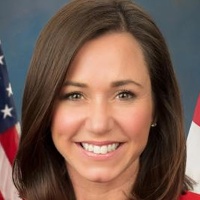
Katie Britt
Senator
AL
Katie Britt
Senator
AL
The Insurance Data Protection Act aims to revise how federal agencies interact with insurance company data. This bill removes certain government subpoena powers and strengthens confidentiality protections when the Federal Insurance Office shares sensitive information. Furthermore, it limits the Office of Financial Research's ability to subpoena insurance companies directly and requires financial regulators to coordinate data collection to avoid duplication.
This bill increases the maximum railroad track maintenance tax credit, adjusts future limits for inflation, and extends the eligibility period for claimed expenditures.

Michael Crapo
Senator
ID
Michael Crapo
Senator
ID
This bill modifies the railroad track maintenance credit by significantly increasing the maximum credit amount per mile from $\$3,500$ to $\$6,100$. It also updates the eligibility period for qualifying expenditures and mandates that the new credit limit will be adjusted for inflation starting in 2026. These changes are designed to provide greater financial support for ongoing railroad infrastructure upkeep.
This resolution officially designates April 2025 as Financial Literacy Month to promote essential personal finance education across the nation.
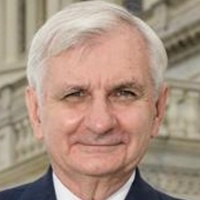
John Reed
Senator
RI
John Reed
Senator
RI
This resolution officially designates April 2025 as "Financial Literacy Month" to raise national awareness about the critical need for personal finance education. It highlights current financial struggles, such as high household debt and lack of banking access, while emphasizing that financial education leads to better economic outcomes. The resolution encourages federal, state, and local entities to observe the month with programs promoting essential skills like budgeting, saving, and debt management.
This bill prohibits U.S. funding for any United Nations entity that takes action to expel, suspend, or otherwise restrict Israel's full and equal participation.

James Risch
Senator
ID
James Risch
Senator
ID
The Stand with Israel Act prohibits the U.S. government from contributing funds to any United Nations entity that takes action to expel, suspend, or otherwise restrict Israel's full and equal participation. This measure ensures U.S. financial support is withheld from UN bodies that discriminate against Israel.
This resolution supports designating April 2025 as the "Month of the Military Child" to honor the sacrifices and commitment of children whose parents serve in the military.
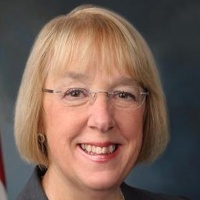
Patty Murray
Senator
WA
Patty Murray
Senator
WA
This resolution supports designating April 2025 as the "Month of the Military Child" to recognize the unique sacrifices and commitment made by children of military service members. It encourages the nation to observe this month with appropriate activities honoring their strength and support. The goal is to formally pay tribute to these children and encourage support for military families.
The Affordable Housing Credit Improvement Act of 2025 overhauls state allocation formulas, reforms tenant eligibility and credit determination rules, and enhances assistance for Native American and rural housing projects under the Low-Income Housing Tax Credit program.

Todd Young
Senator
IN
Todd Young
Senator
IN
The Affordable Housing Credit Improvement Act of 2025 comprehensively reforms the Low-Income Housing Tax Credit program by updating state allocation formulas based on population and inflation, and by modifying tenant eligibility rules to protect vulnerable residents. The bill also introduces significant changes for property owners regarding casualty loss, acquisition costs, and incentives for serving extremely low-income households. Finally, it directs efforts toward increasing program transparency and encouraging local governments to reform restrictive housing policies.
This resolution designates April 5, 2025, as "Gold Star Wives Day" to honor the sacrifices and dedication of Gold Star Wives of America, Inc.
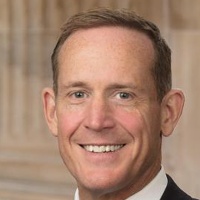
Ted Budd
Senator
NC
Ted Budd
Senator
NC
This resolution officially designates April 5, 2025, as "Gold Star Wives Day" to honor the sacrifices of military families. It specifically recognizes the dedication and contributions of the Gold Star Wives of America, Inc. The day encourages the public to observe this anniversary and raise awareness of the organization's vital support for surviving spouses and children of fallen service members.
This bill strengthens federal law enforcement tools and establishes a new coordination center to combat organized retail and supply chain crime.
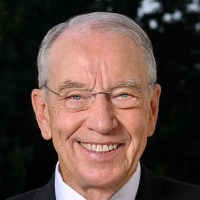
Charles Grassley
Senator
IA
Charles Grassley
Senator
IA
The Combating Organized Retail Crime Act aims to combat sophisticated criminal gangs engaged in large-scale retail and supply chain theft. This bill strengthens federal law by updating money laundering and stolen property statutes, including establishing a $5,000 aggregate value threshold for certain offenses. Crucially, it mandates the creation of a specialized federal Coordination Center within Homeland Security to unify efforts across all levels of law enforcement and private industry against these transnational criminal organizations.
The LOCAL Infrastructure Act reinstates the ability to use advance refunding bonds for infrastructure projects by repealing the relevant section of the 2017 tax law.

Roger Wicker
Senator
MS
Roger Wicker
Senator
MS
The LOCAL Infrastructure Act reinstates the availability of advance refunding bonds, effectively undoing a change made by the 2017 tax law. This action immediately restores the previous rules regarding these bonds. By bringing back advance refunding, the bill aims to provide greater financial flexibility for infrastructure projects.
The SOAR Act of 2025 reforms Medicare supplemental oxygen benefits, protects respiratory therapist reimbursement, strengthens fraud prevention through electronic documentation, and establishes new patient rights for oxygen therapy recipients.
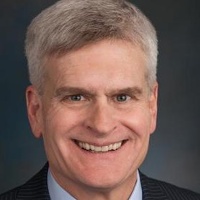
Bill Cassidy
Senator
LA
Bill Cassidy
Senator
LA
The SOAR Act of 2025 aims to significantly reform Medicare coverage for supplemental oxygen therapy by ending competitive bidding and establishing new payment rates for suppliers. The bill also protects access to respiratory therapist services by ensuring Medicare reimbursement for their work. Furthermore, it strengthens fraud prevention through mandated electronic documentation while simultaneously restoring clinical judgment in claim reviews. Finally, the Act establishes a comprehensive set of new rights and protections for beneficiaries receiving oxygen equipment and services.
This bill revises physician self-referral exemptions and lifts restrictions on the expansion of physician-owned hospitals located in rural areas.

James Lankford
Senator
OK
James Lankford
Senator
OK
The Physician Led and Rural Access to Quality Care Act revises federal physician self-referral rules to create specific exemptions for certain physician-owned hospitals located in rural areas. This legislation allows these designated "covered rural hospitals" to be exempt from general referral prohibitions. Furthermore, the bill eliminates the existing ban that prevented these physician-owned hospitals from expanding their operations.