Legislative Activity
Track John's sponsored bills, co-sponsored legislation, and voting record
This Act expands the Work Opportunity Tax Credit to include employers who hire military spouses.
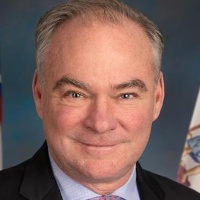
Timothy Kaine
Senator
VA
Timothy Kaine
Senator
VA
The Military Spouse Hiring Act amends the Work Opportunity Tax Credit (WOTC) to include military spouses as eligible hires. This allows employers to claim the tax credit for hiring individuals certified as spouses of active-duty military personnel. The provision applies to wages paid for individuals hired after the Act's enactment date.
The Major Richard Star Act allows veterans with combat-related disabilities to receive both military retired pay and veteran's disability compensation without reduction.
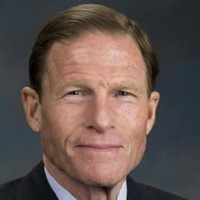
Richard Blumenthal
Senator
CT
Richard Blumenthal
Senator
CT
The Major Richard Star Act allows veterans with combat-related disabilities to receive both veteran's disability compensation and military retired pay concurrently, without reduction. This act amends Title 10 of the United States Code to ensure that disability retirees with combat-related disabilities are not subject to reductions in retired pay due to receiving veteran's disability compensation. These changes will take effect the first day of the month following the enactment of the Act.
This bill repeals the EPA's recent multi-pollutant emissions standards and prohibits the EPA from issuing tailpipe regulations that mandate specific vehicle technologies or limit the availability of new motor vehicles based on engine type.

Michael Crapo
Senator
ID
Michael Crapo
Senator
ID
The Choice in Automobile Retail Sales Act of 2025 repeals the EPA's recent multi-pollutant emissions standards for light-duty and medium-duty vehicles. Furthermore, this Act prohibits the EPA from issuing future tailpipe emission regulations that mandate specific technologies or limit the availability of new motor vehicles based on engine type. The EPA must update existing rules within 24 months to comply with these new restrictions.
The HELPER Act of 2025 establishes a new FHA mortgage insurance program offering zero-down-payment loans to eligible first responders, educators, and law enforcement officers.

Ashley Moody
Senator
FL
Ashley Moody
Senator
FL
The HELPER Act of 2025 establishes a new FHA mortgage insurance program to help first responders, educators, and law enforcement officers purchase homes. This program offers qualifying first-time homebuyers the potential for a zero down payment mortgage. A key feature is the elimination of monthly mortgage insurance premiums, though an upfront premium will still be charged.
The Honor Our Living Donors Act prohibits considering an organ recipient's income when reimbursing living donors and mandates annual reporting on whether donors were fully reimbursed for their costs.
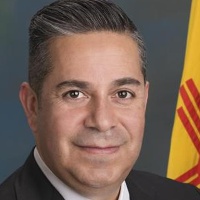
Ben Luján
Senator
NM
Ben Luján
Senator
NM
The Honor Our Living Donors Act ensures that federal grant funding intended to support living organ donors cannot consider the financial status of the transplant recipient. This legislation also removes any legal expectation that organ recipients might receive payments related to the donation. Furthermore, the Secretary must annually report to Congress on whether grant funds adequately covered all eligible donor expenses and estimate any shortfall.
This bill standardizes the 8-digit subheading number for all whiskies within the Harmonized Tariff Schedule of the United States to improve import classification and tracking.
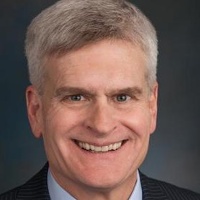
Bill Cassidy
Senator
LA
Bill Cassidy
Senator
LA
This bill amends the Harmonized Tariff Schedule of the United States to establish a uniform 8-digit subheading number for all imported whiskies. It streamlines the classification structure within Chapter 22 of the tariff schedule for duty purposes. The changes also require the USITC to add new statistical codes to better track different types of imported whiskies.
This Act expands the FDA's authority to require pediatric investigations for certain molecularly targeted cancer drugs and extends the priority review voucher program to incentivize treatments for rare pediatric diseases.
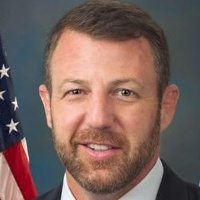
Markwayne Mullin
Senator
OK
Markwayne Mullin
Senator
OK
The Give Kids a Chance Act of 2025 aims to accelerate the development of new cancer treatments for children by expanding the FDA's authority to require pediatric investigations for molecularly targeted cancer drugs. It also extends the incentive program that grants priority review vouchers to encourage the development of drugs for rare pediatric diseases. The bill mandates studies on the effectiveness of these new requirements and the existing voucher system.
This act updates the definition of "State of residence" for federal firearms laws, offering specific considerations for military members and those without a fixed physical address, while also modifying residency proof requirements for background checks.
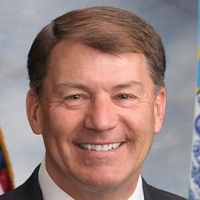
Mike Rounds
Senator
SD
Mike Rounds
Senator
SD
The Traveler's Gun Rights Act updates the federal definition of "State of residence" for individuals, including military members, to better reflect where they actually live or are stationed. This change also modifies the identification requirements for firearm background checks to accommodate those without a traditional physical residence. The goal is to clarify residency rules across various federal firearms laws.
The REDI Act allows medical and dental interns and residents to defer principal and interest payments on their student loans during their training programs.

Jacky Rosen
Senator
NV
Jacky Rosen
Senator
NV
The Resident Education Deferred Interest (REDI) Act allows medical and dental interns and residents to defer payments on their student loans during their training programs. This deferment specifically prevents principal payments and stops interest from accruing on the loan balance while the borrower is in residency or an internship. This ensures that medical professionals can focus on their training without accruing additional debt.
The Saving Our Veterans Lives Act of 2025 establishes a VA program to provide eligible veterans with free, U.S.-made secure firearm storage lockboxes or vouchers to help prevent veteran suicide.
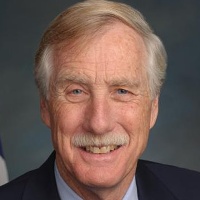
Angus King
Senator
ME
Angus King
Senator
ME
The Saving Our Veterans Lives Act of 2025 establishes a new Department of Veterans Affairs (VA) program to provide eligible veterans with free, U.S.-made, secure firearm storage items or vouchers. This initiative aims to promote safe storage practices as a suicide prevention measure without infringing on veterans' rights to own firearms. The VA must educate veterans about the program and submit annual reports to Congress detailing its implementation and reach.
This act mandates the Department of Veterans Affairs to reimburse veterans for benefits misused by their fiduciaries and outlines the process for recouping those funds.

Mazie Hirono
Senator
HI
Mazie Hirono
Senator
HI
The Veteran Fraud Reimbursement Act of 2025 mandates that the Department of Veterans Affairs must reimburse veterans for any benefits misused by their appointed fiduciaries. This ensures the veteran receives full repayment for stolen funds, regardless of the VA's subsequent efforts to recover the money from the dishonest fiduciary. Furthermore, the Act clarifies payment procedures if the veteran passes away before full reimbursement is complete.
This Act makes technical corrections and clarifications to the Camp Lejeune Justice Act of 2022 regarding lawsuit venue, proof standards, benefit offsets, and attorney fee limits.
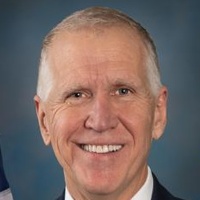
Thom Tillis
Senator
NC
Thom Tillis
Senator
NC
The Ensuring Justice for Camp Lejeune Victims Act of 2025 makes technical corrections and clarifications to the 2022 Camp Lejeune Justice Act. This bill adjusts rules for where lawsuits can be tried, clarifies the evidence needed to prove harm from water exposure, and sets limits on attorney fees. All changes are applied retroactively as if enacted on August 10, 2022, while preserving existing deadlines for filing claims.
The HELP Copays Act mandates that financial assistance provided by third parties for prescription drug costs must count toward a patient's deductible, copayments, and out-of-pocket limits.

Roger Marshall
Senator
KS
Roger Marshall
Senator
KS
The HELP Copays Act mandates that financial assistance provided by third parties, such as non-profits or drug manufacturers, must count toward a patient's deductible, copayment, and out-of-pocket maximums. This change ensures that patient cost-sharing requirements are met even when external aid is used to cover prescription drug costs. The new rules generally apply to plan years beginning on or after January 1, 2026.
This bill mandates the creation of a comprehensive strategy to increase U.S. exports to Africa and Latin America by 200% within ten years, supported by dedicated export coordinators and trade missions.

Richard Durbin
Senator
IL
Richard Durbin
Senator
IL
This Act mandates the creation of a comprehensive U.S. strategy to significantly boost American exports of goods and services to Africa and Latin America/the Caribbean by 200 percent within ten years. The President must develop this plan in consultation with various government bodies and private sector groups, submitting the final strategy within 200 days of enactment. The bill also establishes dedicated Export Strategy Coordinators and requires joint trade missions to these regions to ensure successful implementation and job creation.
The "Protection of Women and Girls in Sports Act of 2025" amends Title IX to prohibit individuals born male from participating in women's and girls' athletic programs in educational institutions that receive federal funds, defining "sex" as determined at birth.
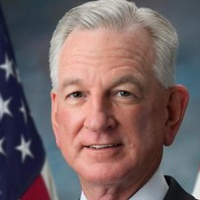
Tommy Tuberville
Senator
AL
Tommy Tuberville
Senator
AL
The "Protection of Women and Girls in Sports Act of 2025" amends Title IX to prohibit schools receiving federal funding from allowing individuals born male to participate in female athletic programs. Sex is defined as determined by reproductive biology and genetics at birth. This bill aims to ensure fair competition for women and girls in sports.
This resolution expresses Congressional opposition to imposing new performance fees on local radio stations, citing the mutually beneficial relationship between broadcasters and the music industry.
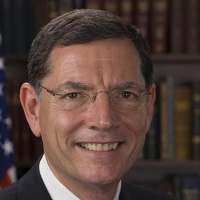
John Barrasso
Senator
WY
John Barrasso
Senator
WY
The Local Radio Freedom Act expresses Congressional opposition to imposing new performance fees on local radio stations for playing music. This resolution maintains that the current system provides essential promotional value to artists while supporting local community services. Consequently, it advocates against any new taxes or royalties that would place an undue financial burden on broadcasters and local businesses.
This bill modifies and reauthorizes the VA's Staff Sergeant Parker Gordon Fox Suicide Prevention Grant Program by increasing the maximum grant amount, updating advisory structures, improving local coordination, and extending the program through fiscal year 2028.

Mark Warner
Senator
VA
Mark Warner
Senator
VA
This bill modifies and reauthorizes the Department of Veterans Affairs' Staff Sergeant Parker Gordon Fox Suicide Prevention Grant Program through September 30, 2028. Key changes include increasing the maximum grant award to $\$1,250,000$ and giving the VA more flexibility in selecting advisory groups. The legislation also enhances accountability by requiring updated success metrics and improved coordination between local VA medical centers and grant recipients.
The "Ag Disputes Act" aims to bolster U.S. agricultural exports by prioritizing the identification and elimination of unfair foreign trade barriers through enhanced enforcement and dispute resolution mechanisms.
Bill Cassidy
Senator
LA
Bill Cassidy
Senator
LA
The Ag Disputes Act aims to bolster U.S. agricultural competitiveness by addressing unfair foreign trade barriers. It mandates the creation of an Agricultural Trade Enforcement Task Force to identify and challenge trade violations, particularly those impacting U.S. agricultural exports. The task force will develop strategies, engage with stakeholders, and report to Congress on its progress, with a specific focus on addressing India's price support programs through World Trade Organization consultations. This act seeks to ensure fair global trade practices and protect American farmers and businesses.
Streamlines Medicaid and CHIP enrollment for out-of-state providers serving children, reducing administrative burdens and enhancing access to care.
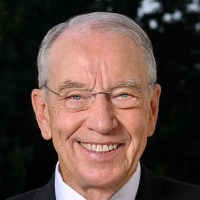
Charles Grassley
Senator
IA
Charles Grassley
Senator
IA
The "Accelerating Kids’ Access to Care Act" streamlines the Medicaid and CHIP enrollment process for out-of-state providers, allowing them to furnish services to individuals under 21 more efficiently. By reducing excessive screening and enrollment requirements, the bill aims to improve access to care for children. Enrolled providers will have a 5-year enrollment period, and the changes will take effect three years after enactment.
The Conrad State 30 and Physician Access Reauthorization Act extends and modifies the Conrad 30 waiver program, which allows foreign physicians to work in underserved areas of the U.S. in exchange for a waiver of certain visa requirements, while also providing employment protections and modifying immigration procedures for physicians.

Amy Klobuchar
Senator
MN
Amy Klobuchar
Senator
MN
The Conrad State 30 and Physician Access Reauthorization Act extends and modifies the Conrad State 30 program, which allows foreign physicians to work in the U.S. in underserved areas in exchange for a waiver of certain visa requirements. It increases the number of available waivers, provides employment protections for participating physicians, and modifies the requirements for physicians seeking waivers, including allowing them to pursue permanent residency and extending their visas in certain circumstances. The Act also requires annual reporting on the program's usage.