
Legislative Activity
Track John's sponsored bills, co-sponsored legislation, and voting record
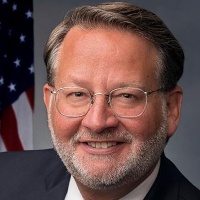
This act establishes a new federal grant program to expand dual or concurrent enrollment opportunities, enabling high school students to earn transferable college credit tuition-free.
Gary Peters
Senator
MI
Gary Peters
Senator
MI
The Making Education Affordable and Accessible Act of 2025 establishes a new federal grant program to expand dual or concurrent enrollment opportunities for high school students. These grants will help colleges partner with local school districts to allow students, particularly those from low-income or rural backgrounds, to earn college credit tuition-free while still in high school. Funds can be used for teacher training, outreach, and ensuring earned credits easily transfer to higher education institutions.
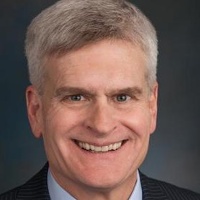
This resolution honors the life, distinguished public service, and significant legislative contributions of the late former Louisiana Senator, John Bennett Johnston, Jr.
Bill Cassidy
Senator
LA
Bill Cassidy
Senator
LA
This resolution formally honors the life and extensive public service of the late Honorable John Bennett Johnston, Jr., former U.S. Senator for Louisiana. It details his career, highlighting his significant tenure on key Senate committees, particularly his leadership on energy policy. The resolution recognizes his legislative achievements benefiting Louisiana, including flood control and conservation efforts. Finally, the Senate adjourns immediately in his memory as a final tribute to his service.
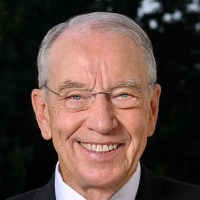
This Act mandates the Federal Trade Commission to study and report on the practices of pharmaceutical supply chain intermediaries, particularly Pharmacy Benefit Managers, to promote competition and transparency in drug pricing.
Charles Grassley
Senator
IA
Charles Grassley
Senator
IA
The Prescription Pricing for the People Act of 2025 directs the Federal Trade Commission (FTC) to conduct a comprehensive study of the pharmaceutical supply chain, focusing heavily on the practices of Pharmacy Benefit Managers (PBMs). This investigation will examine issues like pricing fairness, patient steering, data misuse, and formulary manipulation. The FTC must deliver a final report to Congress detailing its findings, planned enforcement actions, and legislative recommendations to increase transparency and competition in the drug market.
This bill authorizes the minting and sale of special commemorative gold and silver coins to mark the 25th anniversary of the September 11th attacks, with all surcharges benefiting the National September 11 Memorial and Museum.

Kirsten Gillibrand
Senator
NY
Kirsten Gillibrand
Senator
NY
This Act authorizes the minting and issuance of special commemorative gold and silver coins to mark the 25th anniversary of the September 11, 2001, terrorist attacks. The coins will honor the victims, first responders, and the National September 11 Memorial and Museum. All surcharges collected from the sale of these coins must be paid directly to the National September 11 Memorial and Museum to support its operations.
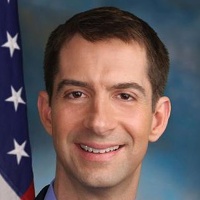
The Stephen Hacala Poppy Seed Safety Act establishes federal limits for morphine and codeine contamination in poppy seeds, classifying overly contaminated seeds as adulterated food banned from interstate sale.
Tom Cotton
Senator
AR
Tom Cotton
Senator
AR
The Stephen Hacala Poppy Seed Safety Act aims to prevent deaths and adverse effects linked to morphine contamination in poppy seeds. This legislation directs the Secretary of Health and Human Services to establish maximum allowable limits for morphine and codeine in poppy seeds within two years. Poppy seeds exceeding these federal safety limits will be deemed adulterated food and banned from interstate commerce. Furthermore, the Act clarifies that contaminated poppy seeds remain subject to controlled substance regulations.
The CONNECT for Health Act of 2025 permanently removes geographic barriers to Medicare telehealth, enhances program integrity through targeted oversight, and establishes new supports to improve quality and access for beneficiaries.
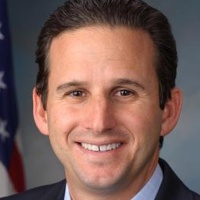
Brian Schatz
Senator
HI
Brian Schatz
Senator
HI
The CONNECT for Health Act of 2025 aims to significantly expand access to telehealth services under Medicare by permanently removing outdated geographic restrictions and broadening provider eligibility. The bill also enhances program integrity by dedicating new funding to oversight and establishing educational outreach for providers with unusual billing patterns. Finally, it mandates new resources, training, and public data reporting to ensure the quality and accessibility of virtual care for all beneficiaries.
The ABC Act mandates a comprehensive review and simplification of processes, forms, and communication across Medicare, Medicaid, CHIP, and Social Security programs to reduce burdens on family caregivers.
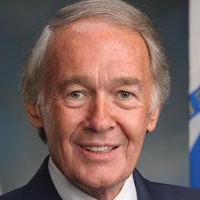
Edward Markey
Senator
MA
Edward Markey
Senator
MA
The Alleviating Barriers for Caregivers Act (ABC Act) mandates a comprehensive review of Medicare, Medicaid, CHIP, and Social Security programs to significantly simplify application processes, forms, and communications. This effort aims to reduce the burden on family caregivers by eliminating redundant information requests across agencies. The responsible officials must report their simplification plans and progress to Congress within two years of enactment.
This Act repeals the federal transfer tax on certain firearms and clarifies that it does not grant the Consumer Product Safety Commission authority over firearms.
Tom Cotton
Senator
AR
Tom Cotton
Senator
AR
The Repealing Illegal Freedom and Liberty Excises (RIFLE) Act eliminates the federal transfer tax previously imposed on certain firearms. This legislation repeals Section 5811 of the Internal Revenue Code and updates related tax provisions accordingly. The Act explicitly clarifies that it does not grant the Consumer Product Safety Commission any new oversight authority over firearms.
The Sanctioning Russia Act of 2025 imposes sweeping economic and financial penalties on the Russian Federation and its affiliates, contingent upon Russia's failure to negotiate peace with Ukraine.
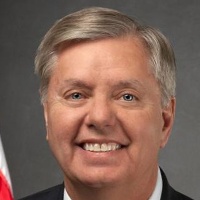
Lindsey Graham
Senator
SC
Lindsey Graham
Senator
SC
The Sanctioning Russia Act of 2025 mandates sweeping economic penalties against the Russian Federation and its affiliates for actions against Ukraine. This legislation requires the President and Treasury Secretary to impose escalating sanctions on Russian officials, financial institutions, and energy sector entities. Furthermore, the Act prohibits U.S. persons from investing in Russian debt, bans the trading of Russian securities on U.S. exchanges, and imposes a massive 500% import duty on Russian goods. Sanctions can only be terminated if Russia agrees to a verifiable peace deal with Ukraine.
The SHORT Act modifies federal firearms definitions, eliminates disparate treatment and state preemption for certain short-barreled rifles and shotguns, and mandates the destruction of related registration records.

Roger Marshall
Senator
KS
Roger Marshall
Senator
KS
The SHORT Act aims to revise federal firearms tax definitions and eliminate disparate federal treatment of short-barreled rifles and shotguns used for lawful purposes. It also preempts state and local governments from imposing special taxes or registration requirements on these specific weapons if they are involved in interstate commerce. Finally, the bill mandates the destruction of existing federal records related to the registration and transfer of these firearms.
This bill ensures Medicare provides equitable reimbursement for the transportation and setup of portable ultrasound services, aligning them with existing portable X-ray payment structures.

John Cornyn
Senator
TX
John Cornyn
Senator
TX
The Portable Ultrasound Reimbursement Equity Act of 2025 aims to ensure fair Medicare coverage for portable ultrasound services. This bill mandates that Medicare establish a separate payment system for the transportation and setup of portable ultrasound equipment, mirroring the existing structure for portable X-ray services. The goal is to provide equitable reimbursement for providers delivering these diagnostic tests outside of traditional facilities, effective January 1, 2027.
This resolution urges the U.S. government to protect Iranian political refugees, particularly former female prisoners at Ashraf-3 in Albania, from Iranian regime threats while supporting their fundamental rights and security.
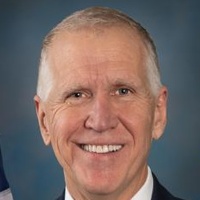
Thom Tillis
Senator
NC
Thom Tillis
Senator
NC
This resolution strongly condemns the Iranian regime's regional aggression and domestic brutality while focusing on the protection of Iranian political refugees at Ashraf-3 in Albania. It urges the U.S. government to uphold the fundamental rights of these dissidents, including former political prisoners and key witnesses to past atrocities. Furthermore, the resolution calls for opposing Iranian threats and extradition attempts against these refugees residing in Albania.
This resolution honors the life, distinguished public service, and enduring legacy of former Wyoming Senator Alan K. Simpson.
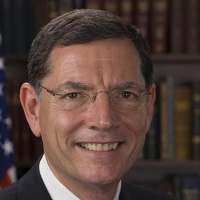
John Barrasso
Senator
WY
John Barrasso
Senator
WY
This resolution formally honors the life and distinguished public service career of the Honorable Alan K. Simpson, former U.S. Senator for Wyoming. It celebrates his extensive tenure in both state and federal government, highlighting his focus on fiscal responsibility and support for veterans. The Senate expresses its deep sorrow at his passing and directs that the day's adjournment serve as a final tribute to his memory.
This act excludes certain student loan repayments received through programs designed to increase veterinary services in rural areas from taxable income.

Michael Crapo
Senator
ID
Michael Crapo
Senator
ID
The Rural Veterinary Workforce Act makes student loan repayment or forgiveness amounts received by veterinarians participating in state-based programs tax-free. This exclusion applies to funds received through programs designed to increase veterinary services in underserved areas. This tax benefit will take effect for amounts received in taxable years beginning after December 31, 2025.
This Act establishes minimum tax deduction standards for casualty losses of business timber, contingent upon the taxpayer agreeing to reforest the affected land within five years.
Bill Cassidy
Senator
LA
Bill Cassidy
Senator
LA
The Disaster Reforestation Act establishes new rules for calculating tax deductions related to the loss of uncut timber due to natural disasters like fires or storms. This special casualty loss deduction is available only if the taxpayer agrees to replant the affected area within five years. The Act sets specific appraisal standards and allows taxpayers to use an estimate initially, provided an official appraisal is completed within one year.
This Act establishes the nonbinding Mississippi River Basin Fishery Commission to coordinate management, research, and invasive species control across the basin's shared fishery resources.

Roger Wicker
Senator
MS
Roger Wicker
Senator
MS
The Mississippi River Basin Fishery Commission Act establishes a new, nonbinding commission to coordinate fishery management across the vast Mississippi River Basin. This body will bring together states, federal agencies, and tribes to develop shared goals, focusing heavily on conserving fish populations and controlling aquatic invasive species. The Commission is authorized to create a grant program to fund cooperative projects aligned with the existing Joint Strategic Plan for Management of Mississippi River Fisheries.
This Act establishes a dedicated, revolving fund for the Southwestern Power Administration to manage its receipts, expenditures, and operations without annual appropriation expiration.

Jerry Moran
Senator
KS
Jerry Moran
Senator
KS
This bill establishes the Southwestern Power Administration Fund (SWPA Fund) as a dedicated, non-expiring Treasury account for the Southwestern Power Administration. The Fund will consolidate all SWPA receipts and appropriated funds to cover the costs of power operations, maintenance, and construction. This structure grants the Administrator greater flexibility to commit funds for authorized expenses ahead of annual appropriations.
The PARC Act mandates that all National Park System units charging entrance fees must accept cash payments from visitors.
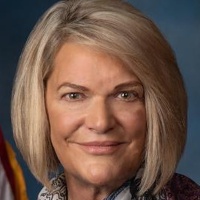
Cynthia Lummis
Senator
WY
Cynthia Lummis
Senator
WY
The PARC Act, or Protecting Access to Recreation with Cash Act, mandates that all units of the National Park System that charge an entrance fee must accept cash payments. This ensures visitors have an option beyond electronic or credit card payments to access national parks.
This bill establishes a grant program to expand and improve home-based telemental health services for residents and workers in rural, underserved populations.
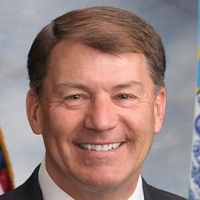
Mike Rounds
Senator
SD
Mike Rounds
Senator
SD
The Home-Based Telemental Health Care Act of 2025 establishes a grant program to expand access to mental health and substance use services for rural and underserved populations via telehealth. Eligible entities will receive funding to deliver remote care directly to patients' homes, improving access where traditional services are scarce. Grantees must also focus on developing quality metrics for this remote care and supporting necessary technological infrastructure, such as broadband access.
This act updates the process for redistributing Medicare residency slots from closed hospitals, establishing new timelines for receiving institutions to fill those positions.

Jacky Rosen
Senator
NV
Jacky Rosen
Senator
NV
The Physicians for Underserved Areas Act updates the process for redistributing Medicare residency slots when a teaching hospital closes. This bill simplifies the criteria for assigning these slots to remaining teaching hospitals. Crucially, it establishes strict deadlines, requiring receiving hospitals to begin using the slots within two years and fill them completely within five years.